More than 8 million people live in New York City, and a large share of them spend their days doing exactly what a solo traveler does: walking, riding the subway, grabbing lunch at a counter and sitting in a park with a book. A person alone is the default here, not the exception.
That is the quiet advantage of New York for a first solo trip. The real planning question is how to set the trip up so that you spend your money and energy on the city rather than on logistics.
Why Does New York Work So Well Alone?
Three things make the city unusually easy to navigate by yourself. Most of Manhattan above 14th Street is laid out on a grid of numbered streets and avenues, so it is hard to get badly lost. The subway runs 24 hours a day, which means you are never stuck waiting for a late night ride share to show up. And the city is built around walking: many of the best days in New York involve covering five or six miles on foot without really noticing.
Just as important, nobody expects you to have company. Restaurants have bar seats and counters, theaters sell single seats, and museums are full of people wandering alone.
Where Should You Stay?
Hotels charge per room, not per person, so a solo traveler pays the full rate. Location matters more than size; you will mainly sleep in the room.
- Midtown is the most convenient base for a first visit, with subway lines in every direction and Times Square, Broadway and Central Park within walking distance. It is also the most crowded and rarely the cheapest.
- Upper West Side is quieter and residential, close to Central Park and the American Museum of Natural History, with fast subway access down to Midtown. The large HI New York City hostel on Amsterdam Avenue is a budget option here with private rooms as well as dorms.
- Lower East Side and East Village suit travelers who want bars and late dinners on the doorstep.
- Brooklyn, especially around Downtown Brooklyn or Williamsburg, often gives you more room for the money, with a short subway ride into Manhattan.
If budget is the main concern, look for a smaller hotel near a subway stop in Queens or Brooklyn rather than a cheap room far from any station in Manhattan.
Getting Around for Less
A subway or local bus ride costs $3.00 as of 2026, and you pay by tapping a contactless card or phone at the OMNY reader. Use the same card or phone every time: after 12 paid rides in any rolling seven-day period, the rest of your rides that week are free, which caps your spending at $35 a week.
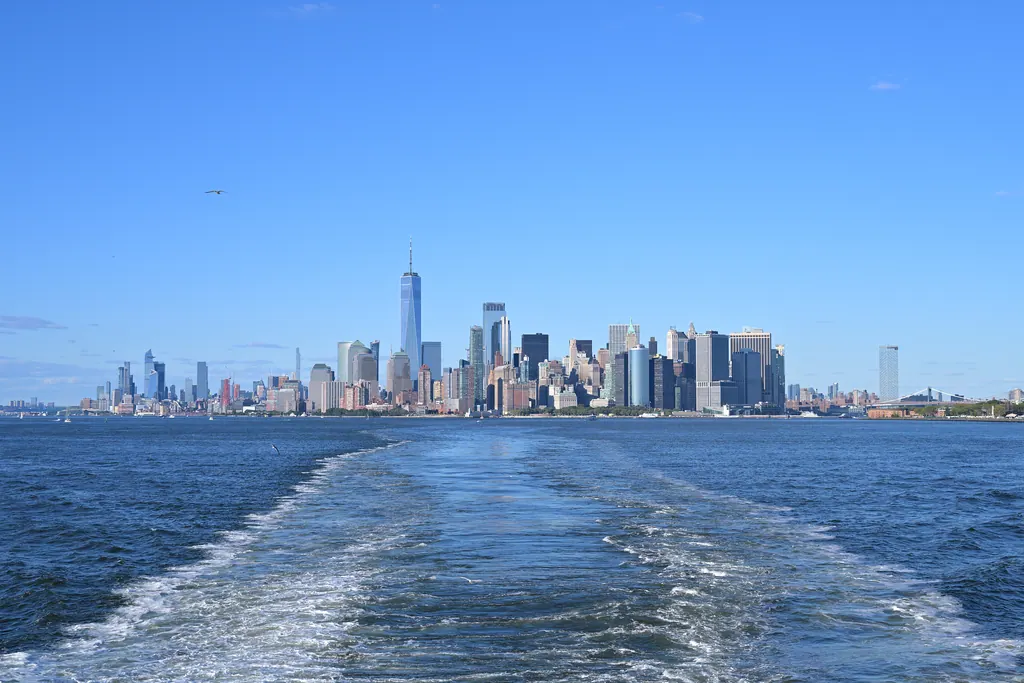
The best deal in the city costs nothing. The Staten Island Ferry is free, runs around the clock and passes close to the Statue of Liberty with a full view of the Lower Manhattan skyline on the way back.
For late nights, many New Yorkers ride in the car with the conductor, usually in the middle of the train, and avoid empty cars. Yellow cabs and app-based rides are easy to find in Manhattan if you would rather not take the subway late.
What Is Better on Your Own?
Some New York experiences are simply easier solo.
Museums at your own pace. General admission to the Metropolitan Museum of Art is $30 for adults as of 2026 (the pay what you wish option applies only to New York State residents), and MoMA is also $30. On your own, you can spend three hours with one collection and skip the rest without negotiating.
Single theater seats. The TKTS booth in Times Square sells discounted same-day Broadway and off-Broadway tickets, and a single seat is often easier to find than a pair. Many shows also run rush or lottery tickets.
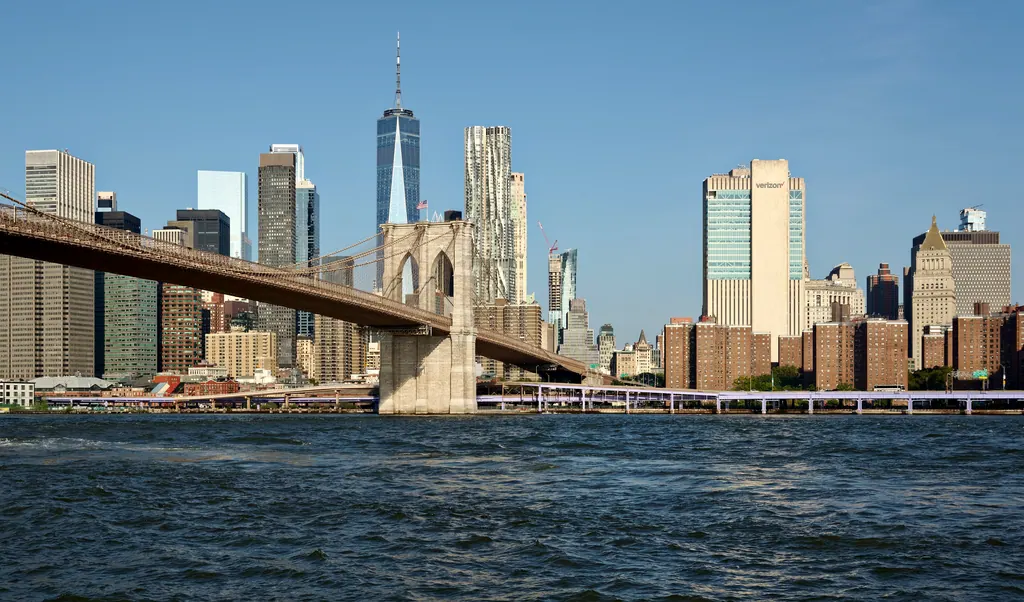
Long walks. Walk the High Line from the Meatpacking District to Hudson Yards, cross the Brooklyn Bridge from Manhattan toward Brooklyn so the skyline is behind you when you turn around, or spend an afternoon looping through Central Park.

Eating Alone Without Feeling Awkward
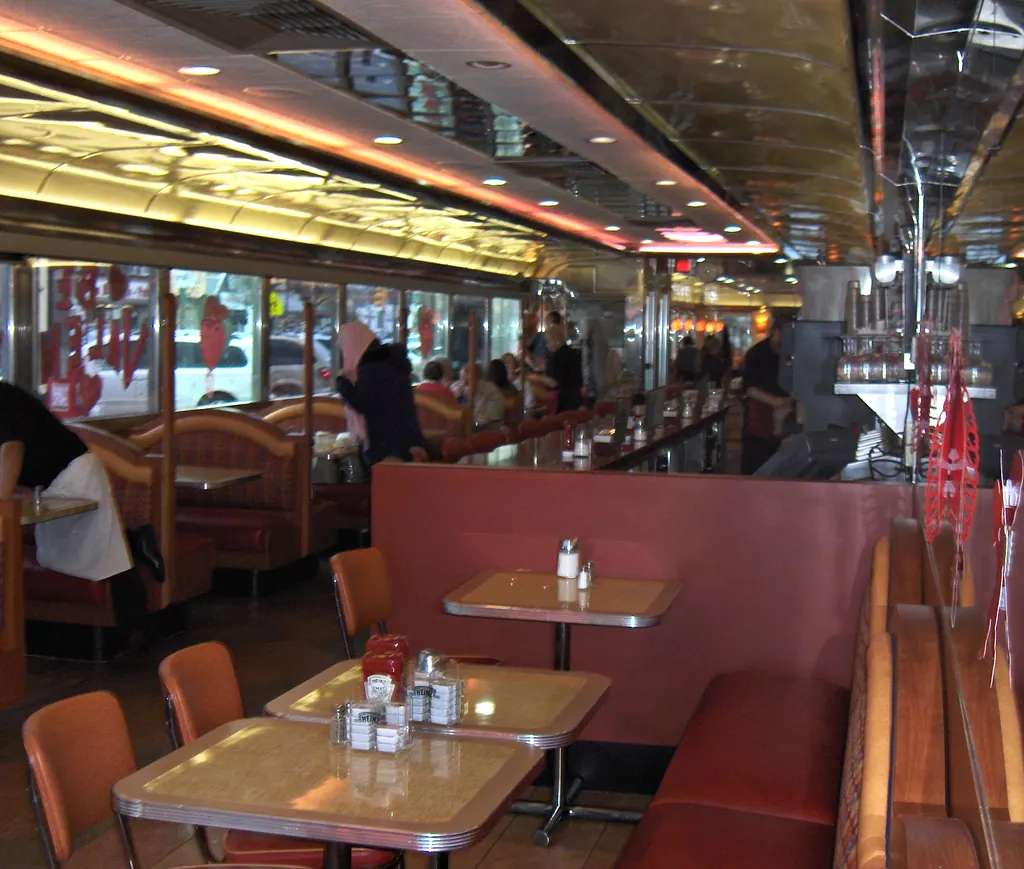
New York might be the easiest big city in the country for a solo meal. A bar seat at a sit-down restaurant is often the best seat in the house, and many restaurants hold bar seats for walk-ins. Food halls such as Chelsea Market let you graze without committing to one place. And some of the most famous New York food is built for one person: a slice of pizza, a bagel, a hot dog from a cart or a plate of dumplings in Chinatown.
Tipping works as it does elsewhere in the U.S., which usually means about 18 to 20 percent at a sit-down restaurant. Our guide to tipping in the USA and Canada covers the details.
Staying Safe on Your Own
New York is a large city with the usual big city risks, mostly pickpocketing and phone snatching in crowds. A few habits help:
- Stand back from the platform edge while you wait for a train.
- Keep your phone in your hand or pocket, not loose on a table near the door.
- Ignore anyone selling "tickets" to the Statue of Liberty or anything else on the street. Buy from official sellers.
- Share your plans with someone at home, especially if you head out late.
- In an emergency, call 911.
A Simple Three-Day Solo Plan
Day 1: Lower Manhattan. Start at the 9/11 Memorial, walk to Battery Park and ride the Staten Island Ferry there and back. In the late afternoon, walk across the Brooklyn Bridge and have dinner in DUMBO or Brooklyn Heights.
Day 2: Museums and the park. Spend the morning at the Met, then walk south through Central Park past Bethesda Terrace and Bow Bridge. Line up at the TKTS booth for an evening show.
Day 3: West Side. Walk the High Line, eat your way through Chelsea Market and finish in Greenwich Village or the West Village with a bar seat for dinner.
That leaves room for what makes a solo trip worth it: changing the plan halfway through because something caught your eye. If you want another East Coast city that works well alone, see Washington, D.C. in Winter, and more ideas are collected under city breaks.
Frequently asked questions
Is New York City good for solo travel?
Yes. The grid layout, 24-hour subway and walkable neighborhoods make New York easy to navigate alone, and eating or going to a show by yourself is completely normal there.
How much does the subway cost in NYC?
A subway or local bus ride costs $3.00 as of 2026. If you tap with the same contactless card or phone through OMNY, rides are free after 12 paid trips in a rolling seven-day period, which caps the weekly cost at $35.
Where should a solo traveler stay in New York City?
Midtown is the most convenient base for a first trip. The Upper West Side is quieter and close to Central Park, the Lower East Side and East Village are best for nightlife, and Brooklyn often gives more space for the money.
How many days do you need in NYC on your own?
Three full days is enough for a first look at Lower Manhattan, Central Park, a major museum and a show. Four or five days lets you add Brooklyn and slower neighborhood walks.