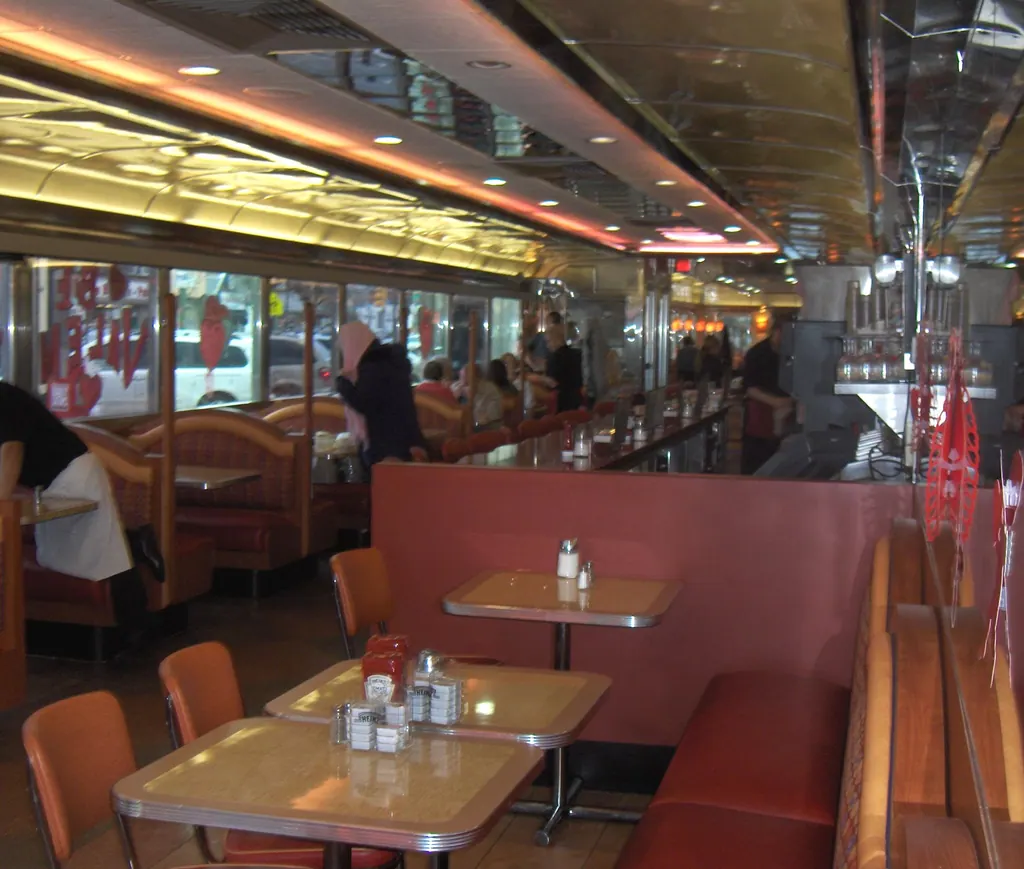
The bill arrives, and it is only the start of the math. In a New York diner or a Vancouver bistro, the total at the bottom is not what you are expected to pay. There is a blank line marked "tip," or a card reader with three buttons reading 18, 20 and 25 percent, and the server is standing right there while you decide.
For visitors from Europe, Australia or much of Asia, where service is part of the price, tipping in North America can feel like a test nobody explained. Americans are not always sure either: according to Pew Research Center, only about a third of U.S. adults find it very or extremely easy to know whether to tip and how much. Below we go through why the system exists, what is normal in restaurants, bars, taxis, hotels and on tours, how Canada and Quebec differ, and what to watch for in the cities visitors go to most.
Why is tipping such a big deal in North America?
Because in many places, the tip is the wage. Under U.S. federal law, an employer can pay a tipped worker a cash wage of just $2.13 an hour, as long as tips bring the total up to the federal minimum wage of $7.25. The difference, $5.12 an hour, is called the tip credit, and the $2.13 figure has not changed since 1991. Many states set higher rates, according to the U.S. Department of Labor, but in a typical American restaurant most of what your server takes home still comes from you.
Seven states, including California and Nevada, require employers to pay the full state minimum wage before tips. Tipping is still expected there at the same level; the custom does not change at the state line.
That is the most important thing to understand as a visitor. Leaving nothing at a sit-down restaurant is not seen as a neutral choice, and a tip of 5 percent reads as a complaint. Pew found that 92 percent of Americans always or often tip at sit-down restaurants.
How much should you tip in a restaurant?
The standard range at a restaurant with table service is 15-20 percent, calculated on the amount before sales tax. In practice, 18-20 percent has become the norm in big cities, and 15 percent is the floor for decent service rather than a generous gesture.
In a YouGov poll from May 2024, 62 percent of Americans said they tip 15-20 percent for average service, and 71 percent said they would leave 20 percent or more when service is excellent. Pew's large 2023 survey found that 57 percent would leave 15 percent or less for an average meal, so you will not be the cheapest guest in the room at 15.
A few practical points:
- Tip on the pre-tax amount. U.S. menu prices exclude sales tax, which is added at the end. For 20 percent, move the decimal point one place to the left and double it: $64 becomes $6.40, so about $13.
- Check the bill for a service charge first. If you see "gratuity included" or "service charge 18%," the tip is already on the bill (see below).
- Buffets and counter service are different. At a buffet where staff clear plates and refill drinks, around 10 percent is common. Where you order at a counter and carry your own tray, a tip is optional.
- Cash or card both work. Writing the tip on the card slip is normal.
Bars, coffee shops and the tablet screen
At a bar, the classic rule is $1-2 per drink, or 15-20 percent on a tab.
Coffee shops, bakeries and fast casual counters are where most of the confusion lives. Card payment screens now suggest tips almost everywhere, a trend many Americans call "tipflation." Pew found that 72 percent of Americans think tipping is expected in more places than five years ago, and 40 percent oppose businesses suggesting tip amounts on screens, against 24 percent who support it. Only 25 percent always or often tip for a coffee, and just 12 percent at fast casual restaurants without table service.
So the screen is a question, not a bill. At a counter where someone simply hands you a muffin, choosing "no tip" or "custom" is fine and common. If a barista makes a complicated drink, or you sit and use the cafe for an hour, a dollar or the lowest suggested percentage is a friendly gesture.
Taxis, rideshare and delivery
Taxi drivers are usually tipped 15-20 percent of the fare, a bit more if they handle heavy luggage.
With Uber and Lyft, the tip goes through the app after the ride. Uber says drivers receive 100 percent of in-app tips, and you have 30 days to add one. Tipping is less automatic than in restaurants (Pew found 61 percent always or often tip for taxi and rideshare), but 15-20 percent is a fair baseline for a good ride, especially from the airport.
Food delivery drivers are typically tipped 15-20 percent, with a minimum of a few dollars on small orders. A delivery fee or service fee in the app goes to the platform, not the driver.
Hotels, tours and everyday services
Hotel tipping is where many international visitors forget someone. The table sums up common guidelines, based on etiquette advice from the Emily Post Institute and widely used norms.
| Service | Typical tip in the USA | In Canada |
|---|---|---|
| Restaurant with table service | 15-20% before tax, 18-20% in big cities | 15-20% before tax |
| Bar | $1-2 per drink or 15-20% of the tab | C$1-2 per drink or 15% |
| Coffee shop or counter service | Optional, $1 or round up | Optional |
| Taxi | 15-20% of the fare | 10-15% of the fare |
| Uber, Lyft | 15-20% in the app | 10-15% in the app |
| Food delivery | 15-20%, at least a few dollars | 10-15% |
| Hotel housekeeping | $2-5 per night | C$2-5 per night |
| Bellhop or porter | About $2 for the first bag, $1 for each extra | Similar, in Canadian dollars |
| Valet parking | $2-5 when the car comes back | C$2-5 |
| Tour guide | 10-20% of the tour price | 10-15% |
| Hairdresser, spa | 15-20% | 15-20% |
For housekeeping, leave the money daily with a short note, since the person cleaning your room may change during your stay. For tours, the tip goes to the guide at the end, and on boat or snorkel trips there is often a shared tip box for the crew. A concierge who books a hard-to-get table or solves a real problem usually gets $5-20.
How is Canada different?
Canada tips almost like the United States, at a slightly lower baseline. In restaurants 15 percent is standard and 18-20 percent is common in Toronto and Vancouver. The big difference is the tax.
Canadian bills add federal and provincial sales tax at the end, and the combination varies by province. According to the Canada Revenue Agency, Ontario has a harmonized sales tax (HST) of 13 percent, while British Columbia charges 5 percent federal GST plus a provincial sales tax, and Quebec charges 5 percent GST plus 9.975 percent QST. The tip should be calculated on the amount before these taxes. Outside Quebec, though, card terminals often calculate the suggested percentages on the total after tax, which quietly makes every tip larger. You can always press "custom" and enter your own amount.
Wages are also different. In Ontario and British Columbia, servers have earned the general minimum wage since the lower "liquor server" rate was abolished (in British Columbia on June 1, 2021, according to the provincial government, and in Ontario on January 1, 2022). Tips are still expected, but they top up a full wage rather than replace it.
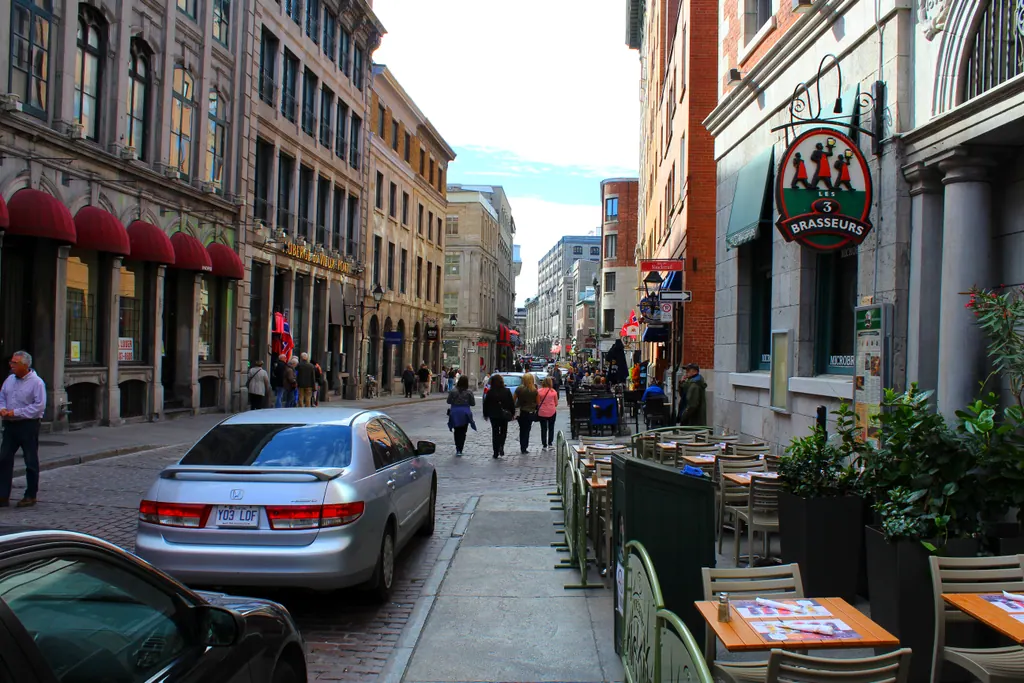
Quebec and Montreal
Quebec is the exception in two ways. It still has a lower minimum wage for workers who usually receive tips: from May 1, 2026, 13.30 Canadian dollars an hour (about $9.50), compared with the general rate of 16.60 Canadian dollars (about $12). And since May 7, 2025, Quebec law has required businesses that suggest tips on a payment terminal to calculate those suggestions on the price before tax, and to let you enter your own amount.
On a 100 Canadian dollar dinner in Montreal, the taxes (labeled TPS and TVQ on the bill) add about 14.98 Canadian dollars. A 15 percent tip is 15 Canadian dollars, not 17.25. Many locals use a simple trick: since the two taxes together come to almost exactly 15 percent, they tip roughly the same amount as the tax line, or a bit more for good service.
What to know in the cities visitors go to most
Las Vegas
Nevada pays tipped workers the full state minimum wage, but Las Vegas runs on tips anyway. Drinks are often free while you gamble, and the cocktail server still expects $1-2 per drink. Dealers get a chip now and then, or a small side bet placed for them, especially after a win. Valet attendants usually get $2-5 when they bring the car back, and housekeeping at the big resorts is tipped like anywhere else.
New Orleans
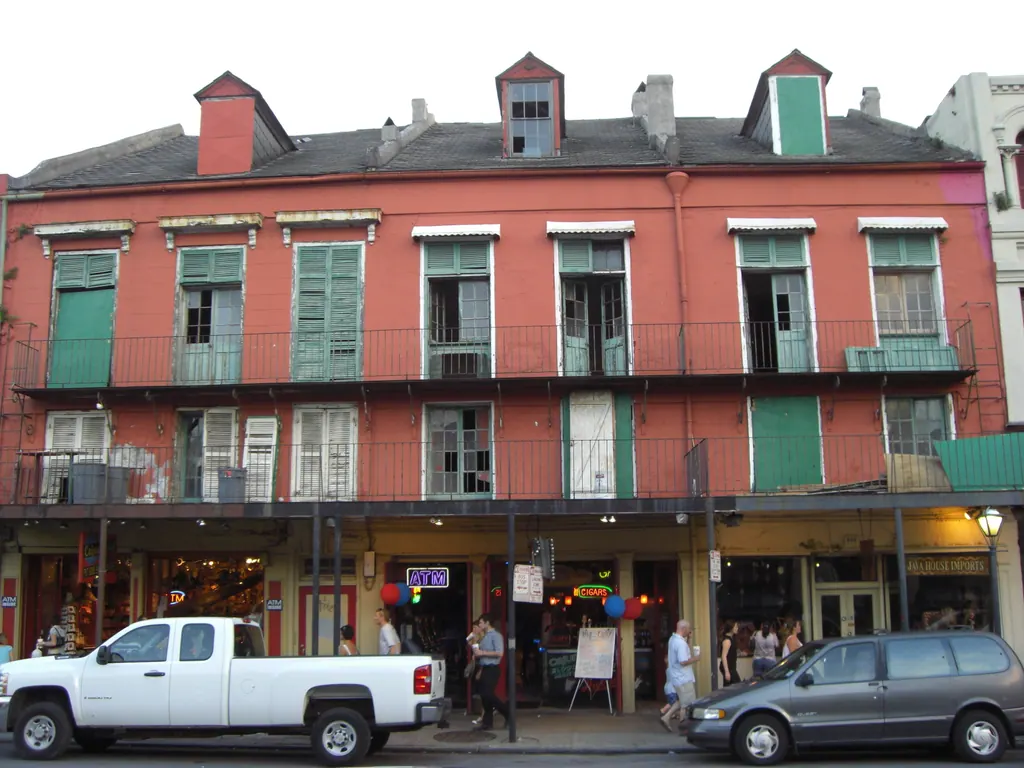
Louisiana has no state minimum wage, so the federal $2.13 cash wage applies, and servers in the French Quarter depend heavily on tips. Restaurant tipping follows the national 18-20 percent norm. Street musicians and brass bands play for tips too: if you stop and listen for a few songs, put a few dollars in the case or the bucket. Walking tour and carriage guides are usually tipped a few dollars per person, or more for a long tour.
Hawaii
Hawaii allows only a small tip credit, so servers earn close to the full minimum wage, but prices and tipping norms are high. Resort restaurants and luaus often add a service charge. State law requires hotels and restaurants to either pay the whole service charge to staff as tips or clearly tell customers that part of it is used for something else, so read the fine print on the menu. Snorkel and whale-watching boat crews are usually tipped 10-20 percent of the trip price.
Los Angeles
California pays servers the full state minimum wage before tips, but a 20 percent tip remains standard in Los Angeles. What surprises visitors are the extra fees: some restaurants add a few percent for staff health care or "kitchen appreciation." Since July 2024, California law has required such mandatory fees to be clearly shown on menus. These fees are usually not a tip, so tip on the food as normal unless the bill says otherwise.
Miami and Orlando
Since September 30, 2026, Florida's tipped workers have earned a cash wage of at least $11.98 an hour, against a full minimum wage of $15. In Miami Beach in particular, restaurants often add an automatic gratuity of around 18-20 percent, sometimes for every table regardless of size. A Florida law from July 1, 2025 requires restaurants to disclose such charges on menus, websites and apps, but they are easy to miss on a long receipt. The classic tourist mistake is to see a blank tip line on the card slip and tip twice.
In Orlando, the theme parks follow the national rules. At Walt Disney World, there is no tip at counter service restaurants, and table service restaurants add an 18 percent gratuity for parties of six or more. The Disney Dining Plan does not include tips.
Vancouver
British Columbia's servers earn the general minimum wage, yet 18-20 percent has become normal in Vancouver restaurants, largely because of terminal suggestions. Restaurant food carries 5 percent GST, while alcohol also carries 10 percent provincial tax, so a bill with wine has more tax on it than one without. Tip on the subtotal, and use the "custom" button if the presets seem high.
Service charges and auto-gratuity for groups
In both countries, many restaurants add an automatic gratuity of 18-20 percent for groups, usually starting at six or eight people. It should be stated on the menu and the bill, often as "gratuity" or "service charge." If it is there, you do not need to add more, although some people round up for excellent service.
Read every line of the receipt before you sign. A real tip is labeled gratuity or service charge and normally goes to staff. A "service fee," "wellness fee" or "kitchen fee" may go to the restaurant itself, and it is fine to ask the server what it covers. If the card slip still shows an empty tip line after a gratuity has been added, you can draw a line through it or write zero.
How to tip without overthinking it
A few habits make it easy:
- Carry some small bills. A handful of $1 and $5 notes (or Canadian 5 dollar bills and toonie coins) covers bellhops, valets, housekeeping and musicians.
- Know your number for restaurants. Settle on 18-20 percent in the U.S. and 15-18 percent in Canada, before tax, and adjust only for clearly great or poor service.
- Treat counter screens as optional. Tip for real service, not for a cashier handing you a bottle of water.
- Check for a service charge every time, especially in Miami, Hawaii and with groups.
- Budget for it. On a trip with many restaurant meals, tips add roughly a fifth to your food spending.
If your trip continues south, our guide to tipping in the Caribbean covers the islands, where service charges and taxes work differently again. And for the opposite experience, see tipping in Europe, where a few coins are often enough. You will find more advice about money on the road under money and tipping, and more travel ideas for the USA and Canada.
Frequently asked questions
Is it rude not to tip in the USA?
At a sit-down restaurant, yes, unless the service was truly bad or a gratuity is already on the bill. Servers often earn a low base wage, and Pew Research found that 92 percent of Americans always or often tip at sit-down restaurants.
Do you tip on the amount before or after tax?
Before tax is the standard in both the USA and Canada. Card terminals sometimes calculate suggestions on the total after tax, so use the custom option if you want to tip on the subtotal. In Quebec, terminals have been required to use the pre-tax amount since May 7, 2025.
Do I have to tip when a payment screen asks for it at a counter?
No. At coffee shops and counters, tipping is optional. Pew found that only 25 percent of Americans always or often tip for coffee, so choosing no tip or a small custom amount is common.
Is tipping the same in Canada as in the USA?
Very similar, with a slightly lower baseline. About 15 percent before tax is standard in Canadian restaurants and 18-20 percent is common in big cities. The main difference is the sales tax, which varies by province and should not be included when you calculate the tip.
Should I tip in US dollars when visiting Canada?
Use Canadian dollars. Many people near the border accept US cash, but staff then have to exchange it. Paying the tip on your card in Canadian dollars is easiest.
- U.S. Department of Labor: Minimum Wages for Tipped Employees
- Pew Research Center: Tipping Culture in America, Public Sees a Changed Landscape
- YouGov: Are young people bad tippers? How Americans tip at restaurants
- Canada Revenue Agency: GST/HST rates by province
- Global News: New tipping rules take effect in Quebec
- Province of British Columbia: Minimum wage
- Hawaii Revised Statutes 481B-14: Hotel or restaurant service charge
- WUWF: Florida diners to get notice of restaurant fees