The dinner bill arrives at a beachfront table in Nassau, and the American reflex kicks in: 18 percent, maybe 20 for a server who kept the rum punch coming. Then you look closer. A line near the bottom already adds 15 percent, yet the card slip still has an empty tip line. Tip again and you may pay 35 percent for service. Skip it and you wonder whether your server sees any of that 15.
That small moment repeats itself all over the Caribbean. Every island has its own mix of service charges, taxes and unwritten habits, and some resorts ask you not to tip at all. Below we go through what actually appears on the bill, how all-inclusive resorts handle tips, and what people usually leave for taxi drivers, boat crews, tour guides and housekeeping, island by island.
What is that extra line on the bill?
Most of the confusion comes from the service charge. On many islands, restaurants and hotels add a fixed 10 or 15 percent to the bill. It looks like a tip, but it rarely works like one. In most places the money goes into a pool shared by the whole staff, often including the kitchen, the bar and supervisors. Aruba's official tourism site puts it plainly: a service charge on your bill is not a tip for your server, and senior staff get the largest share. That is why many travelers leave a little extra in cash for the person who actually served them.
Taxes are a separate line again. The Dominican Republic adds an 18 percent sales tax, Barbados adds VAT, and Turks and Caicos adds a 12 percent tourism tax at hotels and many restaurants. That money goes to the government, not the staff. For more on taxes, currencies and prices, see our guide to money in the Caribbean.
The practical rule: read the bill before you add anything. Look for "service charge," "gratuity," "service" or, in the Dominican Republic, "ley" (law). If one of them is there, a large extra tip is not expected.
How much to tip, island by island
The restaurant percentages below are what people usually leave when no service charge has been added.
| Island or country | Service charge on restaurant bills | Extra tip in restaurants | Taxis |
|---|---|---|---|
| Bahamas | 15% at most tourist restaurants and hotels | Optional, a few dollars for great service | About 15% |
| Barbados | Usually 10% | 5-10% extra, or 10-15% if nothing is added | 10% or round up |
| Antigua | Often 10% | A little extra, or 10-15% if nothing is added | 10% or round up |
| Saint Lucia | Often 10%, plus 10% VAT | Customary at 10-12% | About 10% |
| Aruba | 10-15% at some places, often for groups | Tip your server directly, 10-15% | Optional, fixed fares |
| Curaçao | About 10% (hotels about 12%) | 5-10% | About 10% |
| Turks and Caicos | 10% at hotels and hotel restaurants | Add about 5% to reach 15% | About 15% |
| Jamaica | Often 10% | 10-15% if nothing is added | 10% on longer rides |
| Dominican Republic | 10% by law, plus 18% tax | 5-10% in cash for good service | Round up or 10% |
| Martinique, Guadeloupe, St. Barts | Service included in prices | Round up or a few euros | Not expected |
| Puerto Rico | Usually none, sometimes for groups | 15-20%, as in the US | About 15% |
These are norms, not rules, and they shift between a fine dining room and a beach shack.
The Bahamas, Barbados, Antigua and Saint Lucia
On the islands with a British past, the service charge is the default rather than the exception.
The Bahamas has the most consistent system. According to the Nassau Paradise Island tourism board, restaurants and hotels automatically add 15 percent to food and beverage checks in lieu of a gratuity. The card slip may still show a blank tip line, so check the total before you sign. Many visitors leave a few extra dollars for an excellent server and nothing more. On the quieter Family Islands and at small Bahamian-owned spots such as the Fish Fry at Arawak Cay, the charge is not always included. The same tourism board suggests about $3 per bag for porters and about 15 percent for taxi drivers.
Barbados restaurants usually add 10 percent, and some menus show prices before VAT, so the final bill can be noticeably higher than the menu. With a service charge, rounding up or an extra 5 to 10 percent for good service is generous; without one, 10 to 15 percent is normal. Since the Barbados dollar is pegged at 2 to 1, a BDS$10 tip is simply $5.
Antigua works much the same way. Many restaurants add 10 percent, a small extra in cash is a common thank you, and a dollar or two per round is enough at a beach bar.
Saint Lucia has its own wrinkle. The Saint Lucia Tourism Authority says hotel and restaurant bills carry 10 percent VAT and a 10 percent service charge, though some quoted prices include both. It also says tipping of about 10 to 12 percent is customary, and names bellhops, taxi drivers, spa staff, tour guides and butlers among those who usually receive tips. In practice, that means a modest extra on top of the service charge rather than a full US-style tip.
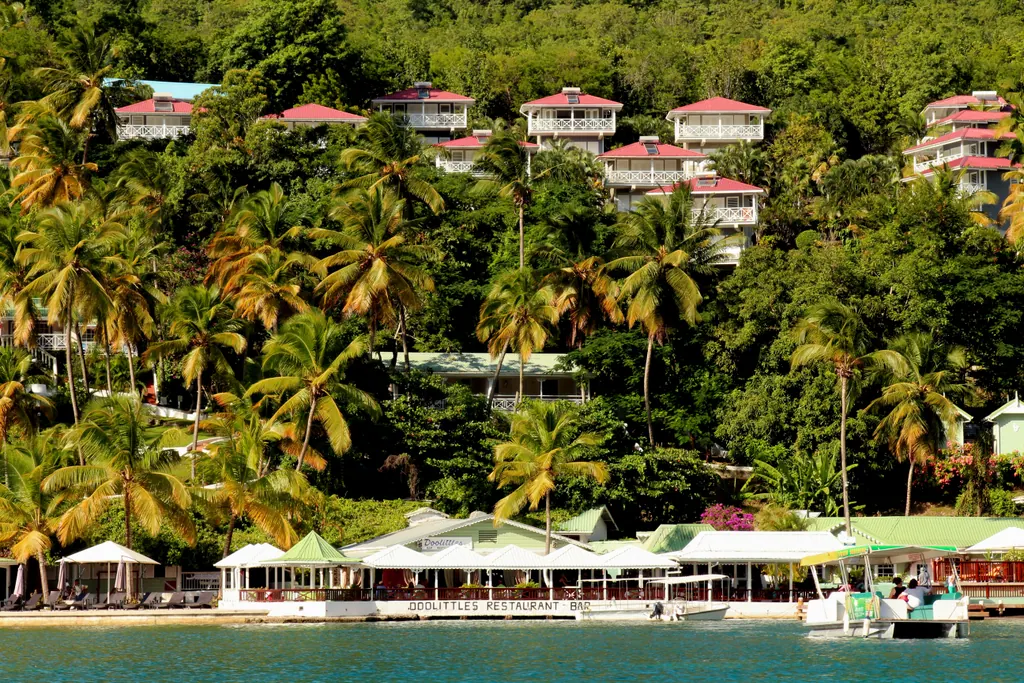
Aruba, Curaçao and Turks and Caicos
Aruba is unusually open about its system. The official tourism site explains that some restaurants and bars add a service charge, often around 15 percent for groups, and that it is pooled among all staff. If you want your server to get something, give it to them directly. Taxi fares are fixed, so a tip is a discretionary thank you for help with luggage or a good ride.
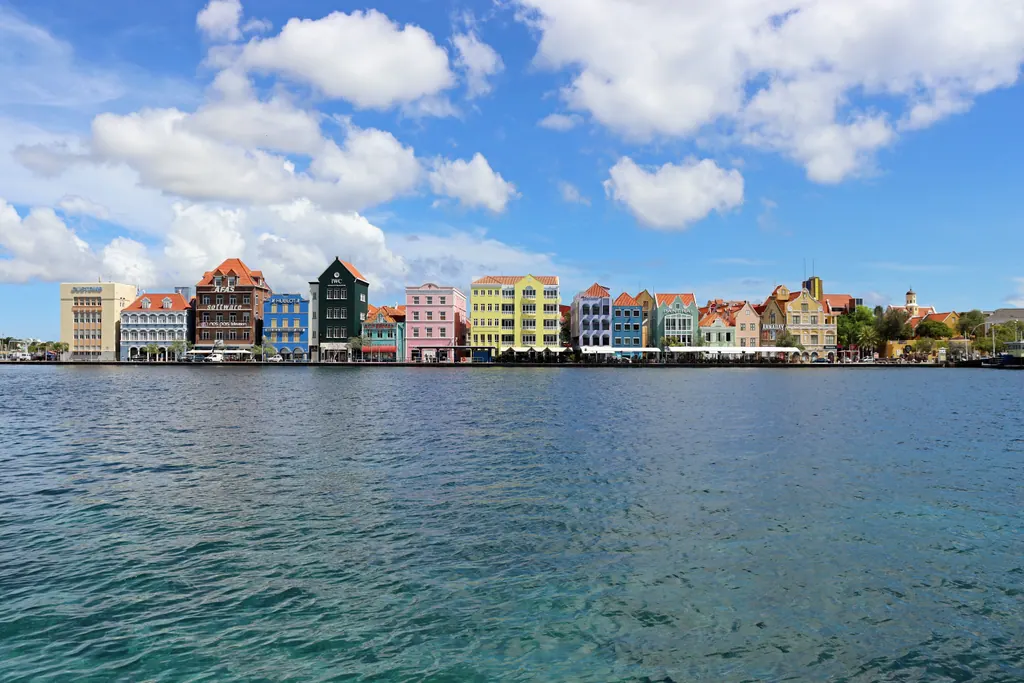
Curaçao restaurants usually include a service charge of about 10 percent and hotels about 12 percent, according to the island's tourism board. It calls tipping entirely your choice and gives guide figures: about 10 percent for taxi drivers, 5 to 10 percent for waiters, and 1 Caribbean guilder (about 55 cents) per bag for porters.
Turks and Caicos has the clearest rules. Hotels and hotel restaurants must add a 10 percent service charge by law, shared among non-managerial staff. The official guide, Visit Turks and Caicos Islands, recommends adding at least 5 percent more to reach about 15 percent, which is what waiters and taxi drivers generally expect. Restaurants away from the hotels may or may not add a charge.
Do you tip at an all-inclusive resort?
This is the question most Americans heading south ask, and the answer depends on the resort, not the island.
Sandals and Beaches are the best-known no-tipping resorts. Sandals says gratuities are included in its packages, and its travel checklist for its Ocho Rios resort in Jamaica states that tips are prohibited for all staff except personal butlers. A tip for your butler is appreciated but never required. Some Sandals resorts also list spa staff as exceptions, so read your own resort's checklist. Tour operators and airport transfer drivers are usually not Sandals employees, so the rule does not cover them.
Couples Resorts, which runs four adults-only resorts in Jamaica, has a strict no-tipping policy at all of them.
Most other all-inclusives take a different view. At the big resorts in Punta Cana, Montego Bay and Aruba, nobody will ask for a tip, but staff earn modest wages and tips are welcome. Many guests bring a stack of $1 and $5 bills and leave a dollar or two for a bartender, a few dollars for a waiter at the à la carte restaurants and a few dollars a day for housekeeping. If you are unsure of the policy, ask at the front desk on arrival.
Jamaica and the Dominican Republic
Jamaica sits between two worlds. Inside a Sandals or Couples resort, do not tip at all. Outside them, a 10 percent service charge often appears on restaurant bills; if not, 10 to 15 percent is normal. Agree on taxi fares before you get in, and add about 10 percent for a longer ride or help with bags. US dollars are widely accepted as tips in Montego Bay, Negril and Ocho Rios, while a 500 Jamaican dollar note (about $3) works well in local places.
The Dominican Republic is the one place where the tip is written into law. Article 228 of the Labor Code requires a 10 percent gratuity on food and drink at hotels, restaurants, cafes and bars, shown on the bill as "10% ley." With the 18 percent ITBIS sales tax, the total is about 28 percent above the menu price. A 2021 Supreme Court ruling confirmed that the 10 percent applies only when you eat or drink on site, not to takeout or delivery. Because the legal tip is shared and does not always reach your server, many guests leave an extra 5 to 10 percent in cash. At a casual comedor, 100 pesos (about $1.70) is plenty. In Punta Cana, US dollars are the usual tipping currency at resorts and on excursions.
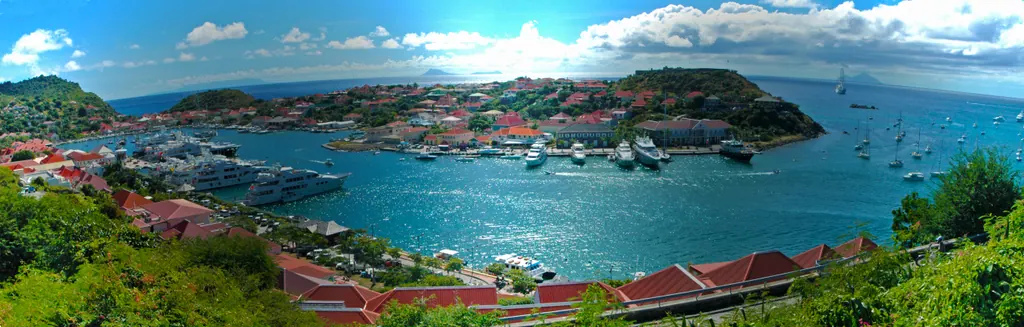
The French islands and Puerto Rico
On Martinique, Guadeloupe and St. Barts, the rules are the same as in mainland France. Menu prices include service, and "service compris" on the bill means exactly that. Locals round up or leave a euro or two in a cafe and a few euros after a good meal, and that is enough even on St. Barts, where prices are among the highest in the region. Tip in euros, not dollars, and do not feel pressured if a card terminal suggests a percentage. Our guide to tipping in Europe explains how the system works in France itself.
Puerto Rico is the opposite case. It is part of the United States and follows US customs: 15 to 20 percent for servers, $1 or $2 a drink for bartenders and about 15 percent for taxis. Some San Juan restaurants add a service charge for groups, and in 2024 a local legislator asked the consumer affairs department to look into restaurants suggesting tips of 18 to 25 percent without a lower option. You are always free to choose the amount.
Taxis, tour guides, boat crews and housekeeping
Outside restaurants, the same situations come up on every island.
- Taxis. Many island taxis use fixed fares rather than meters, so agree on the price first. About 10 percent, or rounding up, is normal on most islands, closer to 15 percent in the Bahamas, Turks and Caicos and Puerto Rico.
- Tour guides. Many travelers give around $5 to $10 per person for a day tour, plus a few dollars for the driver, and more for a private guide.
- Boat crews. Catamaran trips, snorkeling cruises and fishing charters are where tips are most expected. The Turks and Caicos tourism guide suggests 10 to 25 percent for a private charter and about $10 to $20 per person on a shared trip, a fair benchmark across the region. Crews usually share tips, so hand them to the captain.
- Housekeeping. A few dollars per night, left daily, since the person cleaning your room may change. Skip it at Sandals and Couples.
- Porters. One to three dollars per bag.
Cruise passengers should know that shore excursions sold by the cruise line rarely include a tip for the local guide, so bring small bills ashore. Our cruises page has more advice for port days.
Can you tip in US dollars?
On most islands, yes, and in resort areas it is often the easiest option. Dollar tips are welcome in the Bahamas, Turks and Caicos, Barbados, Antigua, Saint Lucia, Aruba, Curaçao, Jamaica and the Dominican Republic. The exceptions are Martinique, Guadeloupe and St. Barts, where euros are the norm.
Bring notes rather than coins, since banks do not exchange foreign coins and a handful of quarters is no use to a waiter in Antigua. And bring small bills: $1 and $5 notes can be hard to get on the islands, and a $20 is awkward when you mean to leave $2. Pack a stack before you fly, check your resort's policy before you arrive, read every bill for the words service charge, gratuity or ley, and then tip the people who made a difference, from the boat captain to the housekeeper. Still deciding where to go? Start with our guide to which Caribbean island is right for you.
Frequently asked questions
Is the service charge on a Caribbean restaurant bill the same as a tip?
Not quite. On most islands the service charge is pooled and shared among all staff, often including the kitchen and managers, so your server may get only a small part of it. That is why many travelers leave a little extra in cash for good service.
Do you tip at Sandals resorts?
No. Sandals and Beaches include gratuities in the price, and their resort checklists say staff may not accept tips. The main exception is personal butlers, and some resorts also list spa staff. Check your own resort's travel checklist.
How much should I tip a catamaran or snorkeling crew in the Caribbean?
A common benchmark is 10 to 25 percent of the price for a private charter and about $10 to $20 per person on a shared trip, which is what the Turks and Caicos tourism guide suggests. Crews usually split tips, so hand it to the captain.
Is it rude not to tip in the French Caribbean?
No. On Martinique, Guadeloupe and St. Barts, service is included in menu prices as in France. Rounding up or leaving a few euros after a good meal is a kind gesture, not an obligation.
What does 'ley' mean on a Dominican Republic bill?
Ley means law. It marks the 10 percent gratuity that the Dominican Labor Code requires on food and drink consumed in restaurants, bars and hotels. It comes on top of the 18 percent ITBIS sales tax.
- Aruba Tourism Authority: Tipping in Aruba
- Saint Lucia Tourism Authority: Plan Your Trip
- Visit Turks and Caicos Islands: Etiquette and Tipping
- Curaçao Tourist Board: Service charges and tipping
- Nassau Paradise Island: Helpful Information
- Sandals: Travel Checklist for Sandals Ocho Rios
- L&E Global: Dominican Republic, Mandatory 10% Gratuity does not apply to Take-out or Delivery Orders