Ask ten people whether the Caribbean is safe and you will get ten answers, most of them based on one island, one headline or one cousin's honeymoon. The trouble is that "the Caribbean" is not one place. It is more than two dozen countries and territories with their own police forces, laws, hospitals and weather patterns, and the gap between the calmest and the most troubled of them is enormous.
There is also more to safety on a beach holiday than crime. A storm can cancel a trip, a mosquito can ruin one, and the sea and even the trees along the sand have a few tricks that first-time visitors rarely hear about. Below we go through all of it, calmly and island by island, using the official travel advice from the US and UK governments.
Is crime really a problem on Caribbean islands?
It depends heavily on where you go, and even more on where on the island you go. Jamaica, Trinidad and Tobago, the Bahamas and the Dominican Republic all have serious crime problems in some neighborhoods. Jamaica's homicide rate is among the highest in the Western Hemisphere, according to the US State Department. Yet the same advisories make the point that most of this violence is concentrated in places tourists rarely see.
The UK Foreign Office (FCDO) says gang violence in Jamaica mostly happens in inner-city areas and that tourist areas are not usually affected. It names Kingston, Spanish Town, Savanna-la-Mar and parts of Montego Bay (Flankers, Barrett Town, Glendevon, Rose Heights and Mount Salem) as places to take extra care. Resort strips in Negril, Ocho Rios and the hotel coast around Montego Bay are a very different experience from those neighborhoods, although both governments warn that sexual assaults have been reported at resorts, sometimes involving staff or other guests.
In the Bahamas, the FCDO reports armed robberies, some fatal, in residential and tourist areas of New Providence (Nassau) and Grand Bahama, and advises staying within the main tourist areas and traveling in groups after dark. The quieter Out Islands have lower crime rates. In the Dominican Republic, the typical risk for visitors is theft rather than violence: thieves on motorbikes snatching phones and bags, and card cloning, which is why it makes sense to keep your card in sight when paying. Punta Cana's all-inclusive zone is a gated world of its own, but walking alone at night outside it is a different matter.
Trinidad and Tobago has the highest level of violent crime of the islands most visitors consider. The FCDO lists parts of downtown Port of Spain, Laventille, Morvant, Sea Lots and Beetham among the areas to be cautious in, and warns about drink spiking and robberies arranged through dating apps. Tobago, the smaller and more touristy of the two islands, is calmer, but the same basic care applies.
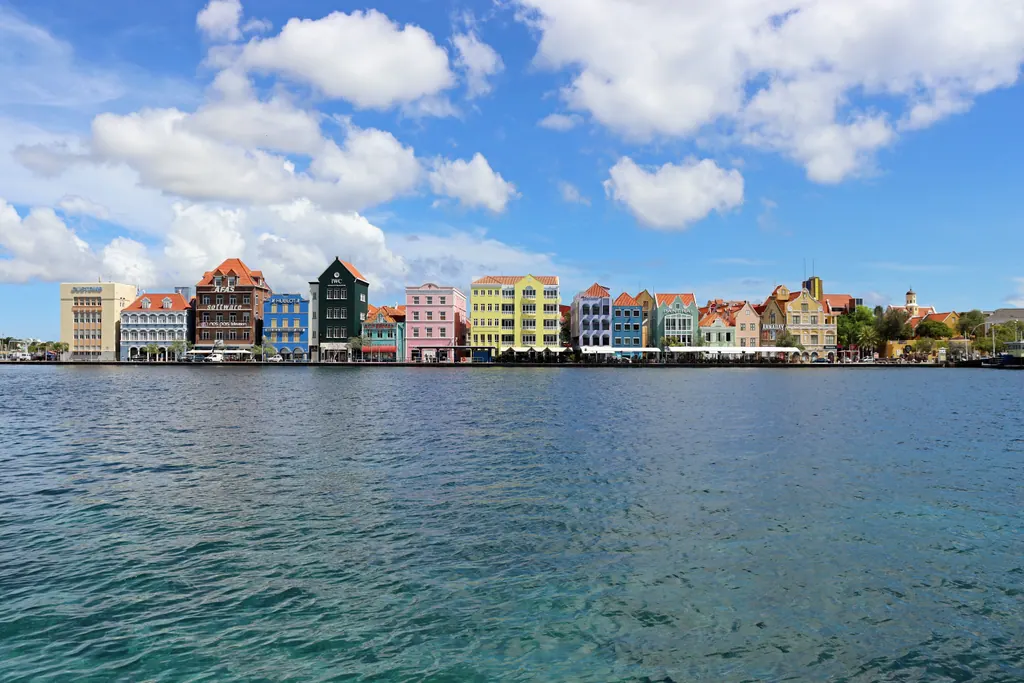
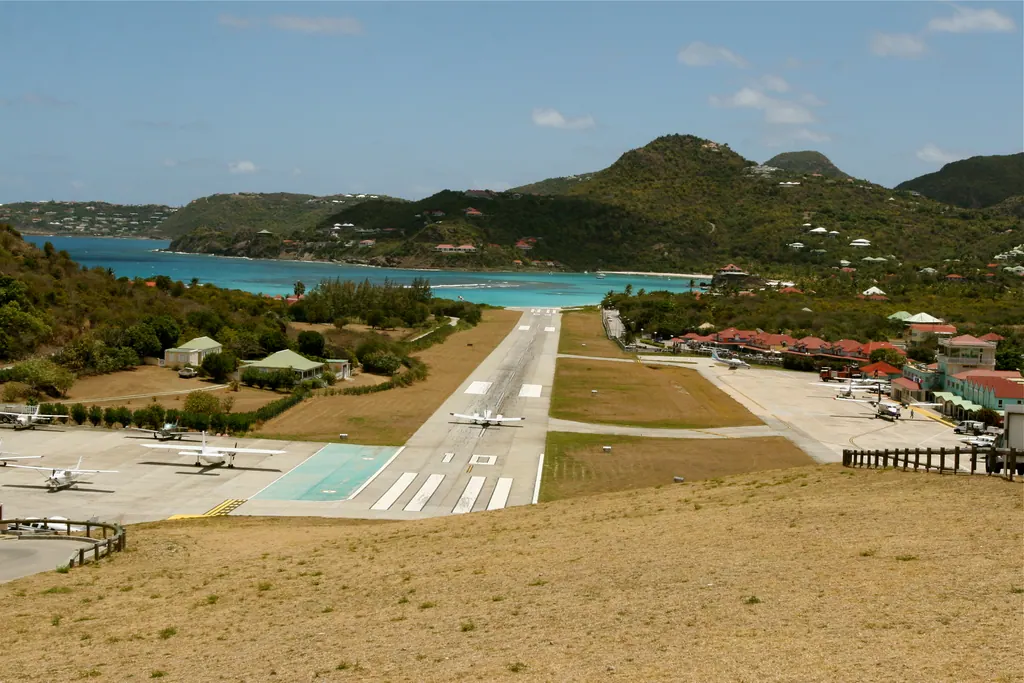
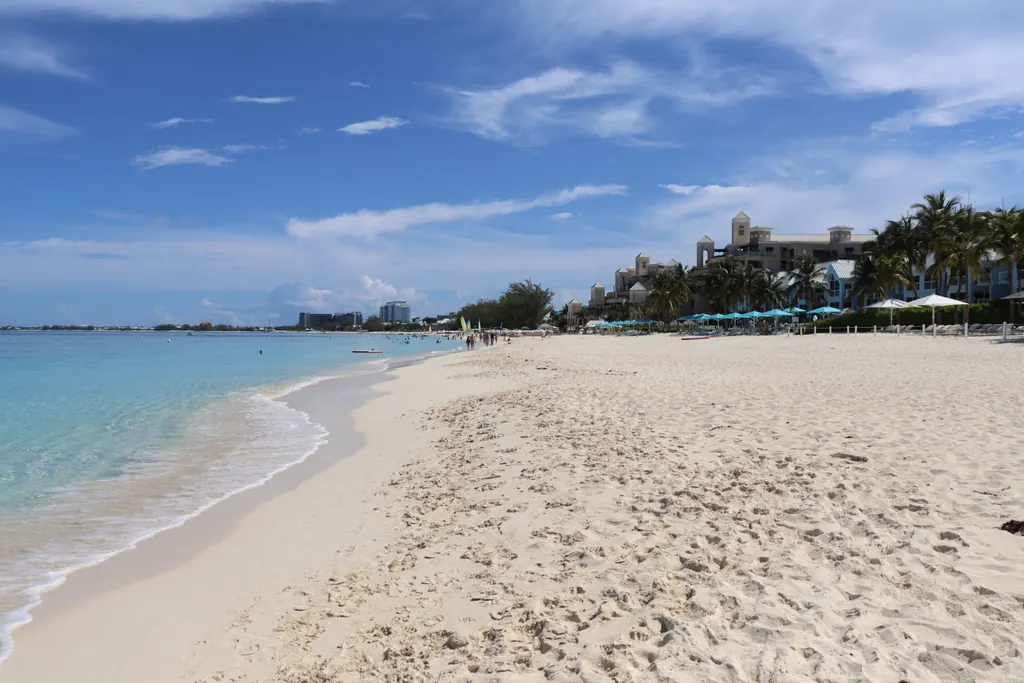
At the other end of the scale, the Cayman Islands, Aruba, Curaçao, Saint Barts and Anguilla see very little crime that touches visitors. The FCDO calls crime rates in the Cayman Islands low, and the US advisory for Aruba describes it as generally a safe destination. Even here, though, it is worth knowing that the FCDO noted a spike in gang-related gun crime on Anguilla in 2025, and that Barbados, long considered one of the safest islands, has seen more gang-related shootings. Neither is a reason to stay away, but both are reminders that "safe" is never absolute.
What do the official travel advisories say?
The US State Department rates countries from Level 1 (exercise normal precautions) to Level 4 (do not travel). The UK FCDO does not use numbers, but its pages are more detailed about specific neighborhoods. We checked both on October 29, 2026. Levels change, sometimes several times a year, so always look up the current advice before you book and again before you fly.
| Island or country | US advisory level (date issued) | What stands out in the UK advice |
|---|---|---|
| Jamaica | Level 2, increased caution (June 23, 2026) | High crime and homicide rates, tourist areas usually unaffected; ongoing recovery from Hurricane Melissa in the west |
| Bahamas | Level 2, increased caution (July 28, 2026) | Armed robbery in parts of Nassau and Grand Bahama; fatal shark attacks have happened |
| Dominican Republic | Level 2, increased caution (June 12, 2025) | High crime rate, bag snatching, card cloning; tap water not drinkable |
| Trinidad and Tobago | Level 3, reconsider travel (April 13, 2026) | High violent crime, named no-go areas in and around Port of Spain |
| Barbados | Level 1, normal precautions (April 10, 2026) | Rise in gang-related gun crime; strong currents on the east coast |
| Cayman Islands | Level 1, normal precautions (May 21, 2026) | Crime rates low |
| Aruba | Level 1, normal precautions (August 20, 2026) | Petty theft, occasional street crime |
| Curaçao | Level 1, normal precautions (September 9, 2026) | Petty theft; main tourist areas generally safe |
| Anguilla | Level 1, normal precautions (May 22, 2026) | Generally low crime, recent spike in gang-related incidents |
| Saint Barts | Level 1, normal precautions (August 20, 2026) | Very little crime affecting visitors |
| Guadeloupe | Level 1, normal precautions (August 20, 2026) | Standard advice: avoid isolated beaches after dark |
For perspective, Haiti, which shares an island with the Dominican Republic, was at Level 4 (do not travel) when we checked. The border between the two countries is not somewhere for a day trip. You can find advice for other regions on our safety page.
How to stay out of trouble on any island
The advice from both governments is remarkably similar from island to island, and most of it is common sense that is easy to forget on vacation:
- Do not walk on isolated beaches or unlit roads after dark, even on the safer islands.
- Use licensed taxis or transport arranged by your hotel, and agree on the fare before you get in, since taxis on many islands, including Barbados and Aruba, have no meters.
- Keep phones out of sight near roads, and carry your bag on the side away from traffic.
- Use ATMs inside banks, malls or hotels in daylight, and take out small amounts. Our guide to money in the Caribbean explains which islands you can manage on cards alone.
- Watch your drink, and do not give your room number to people you have just met.
- If you are robbed, hand things over. Both governments stress that resisting can turn a theft into a violent attack.
Drug laws deserve a special mention. Marijuana may feel tolerated in Jamaica, but the FCDO points out that it is still illegal to smoke it there, and other islands, including the Cayman Islands, have very harsh penalties. Never carry a package through customs for someone else, especially leaving Aruba or Curaçao, where Dutch authorities screen passengers for drug smuggling.
When is hurricane season, and should you avoid it?
The Atlantic hurricane season runs from June 1 to November 30, according to the US National Oceanic and Atmospheric Administration (NOAA), with the most activity from mid-August to mid-October. Most weeks of the season are perfectly calm, and prices drop, which is why many travelers book anyway. But the risk is real. Hurricane Melissa made landfall in Jamaica as a major hurricane in October 2025, and a year later the FCDO still described damage, limited healthcare and patchy water and electricity in some western communities.
Not every island is equally exposed. Aruba, Bonaire and Curaçao lie far enough south that hurricanes rarely reach them. Barbados sits at the southern edge of the main storm track and is hit less often than islands to the north, although Hurricane Beryl passed close by in July 2024 and wrecked fishing boats in Bridgetown. The Bahamas, the Cayman Islands, Jamaica, Puerto Rico and the northern Leeward Islands such as Anguilla and Saint Barts are squarely in the path of many storms.
If you travel between June and November, buy travel insurance as soon as you book, because policies usually do not cover a storm that has already been named. Check that the policy covers trip cancellation and interruption for weather, and choose flexible bookings where you can. If a storm approaches while you are there, follow your hotel's instructions; large resorts have shelters and procedures, and airlines usually add extra flights out before a hurricane arrives. If you want the lowest risk, our guide to which Caribbean island is right for you also covers the best months for each one.
Can you drink the water and eat the food?
On many islands you can drink the tap water, including Aruba, Curaçao, the Cayman Islands and Barbados, which all have well-run desalination or treatment plants. The Dominican Republic is the main exception that visitors notice. The FCDO says plainly that its tap water is not drinkable. Resorts in Punta Cana and elsewhere use purified water for drinks and ice, but outside the resorts, drink bottled water, brush your teeth with it and be cautious with ice from street vendors. Jamaica's tap water is generally treated in towns, but after Hurricane Melissa supply in the west has been unreliable, and bottled water is the easy choice there too.
Food poisoning is more often about buffets than local food. Choose busy places where food is cooked fresh, avoid dishes that have been sitting in the sun, and peel fruit yourself. Large reef fish such as barracuda can carry ciguatera, a toxin that cooking does not destroy, so leave that to fishermen who know their local waters. Pack rehydration salts and something for an upset stomach, and make sure your health and vaccination checks are done well before departure.
What about mosquitoes and other bugs?
Mosquitoes are a bigger day-to-day health risk in the Caribbean than crime. Dengue fever is present on most islands and comes in waves; Puerto Rico declared a public health emergency over dengue in March 2024. Chikungunya arrived in the Americas on Saint Martin in late 2013 and then spread across the region, causing joint pain that can last for months. Zika is also present. There is no malaria risk on most islands, but the FCDO lists it for parts of the Dominican Republic, so ask a travel clinic about your exact route.
The mosquitoes that spread dengue and chikungunya bite mostly in daytime, so evening spray is not enough. Use a repellent with DEET, picaridin or oil of lemon eucalyptus, reapply after swimming, and choose rooms with air conditioning or screens. If you get a high fever during or after your trip, see a doctor and mention where you have been.
Then there are the sand flies, called no-see-ums on many islands, which bite around dawn and dusk on beaches and near mangroves in Jamaica, the Dominican Republic and elsewhere. They are harmless but very itchy. Repellent helps, and so does sitting a little farther from the water at sunset. Beyond insects, few animals on land pose any real danger. Barbados has no venomous snakes, the free-roaming horses on Vieques in Puerto Rico are a sight rather than a threat, and the biggest risk from the iguanas on Grand Cayman is to your lunch.
Is the sea safe? Currents, stingers and sharks
The sea is where most serious accidents happen on Caribbean holidays, and almost none of them involve animals. Rip currents are the main danger. The FCDO warns that currents in Barbados can be deceptively strong even on popular south and west coast beaches, and that swimming is not recommended on many east coast beaches. The same is true on the Atlantic sides of most islands. If a current pulls you out, NOAA's advice is to stay calm and swim parallel to the shore until you are out of it, then swim back at an angle. Many beaches have no lifeguards, and jet skis come closer to swimmers than they should.
A few animals are worth knowing about:
- Sea urchins with long black spines sit on rocks and reefs in shallow water. Wear water shoes when wading over rocky ground.
- Lionfish are an invasive species with venomous spines. They do not attack, but a sting is very painful. Look, do not touch, and let a divemaster point them out.
- Fire coral and jellyfish can sting; a rash guard helps when snorkeling.
- Sharks are rarely a problem. Unprovoked bites are very rare across the Caribbean, but the Bahamas has had several, including a fatal attack on a paddleboarder off Nassau in December 2023. The FCDO advises avoiding the water at dusk and at night and never swimming where fish has been gutted or where tour boats use bait to attract sharks.
Which tree should you never stand under?
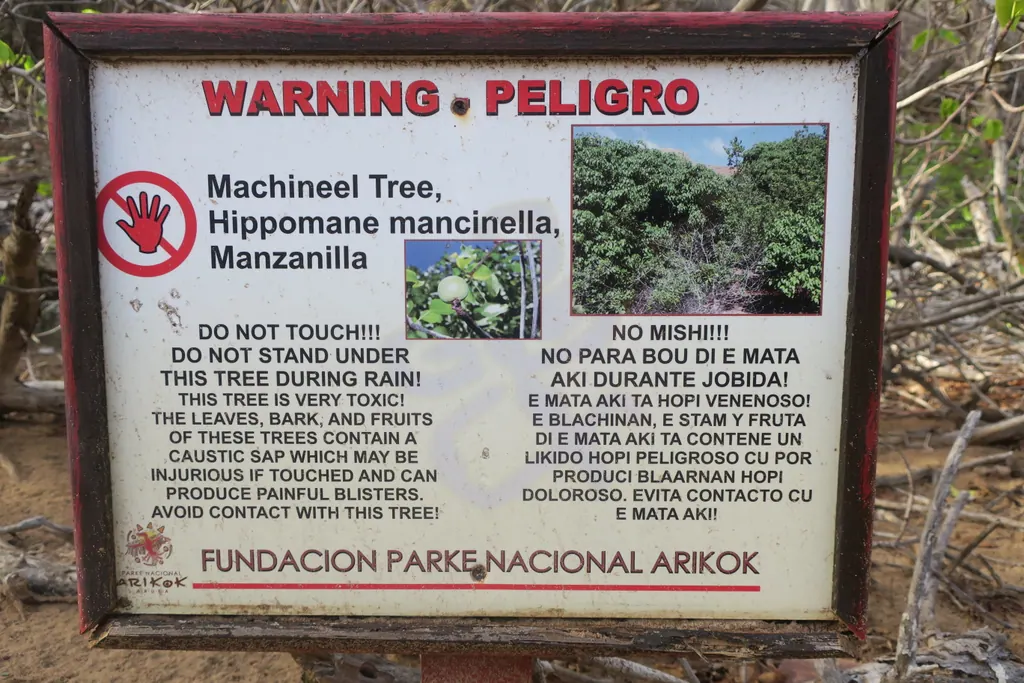
The most dangerous thing on many Caribbean beaches is a tree. The manchineel grows along shores from Florida to northern South America and is common on islands such as Guadeloupe, Martinique, Saint Barts, Aruba, Curaçao and Barbados. Its small green fruit looks like a crab apple, which is why it is sometimes called the beach apple, and eating it can cause severe burning and swelling in the mouth and throat. The milky sap blisters skin, and rain dripping off the leaves carries the sap, so sheltering under one in a shower is a bad idea. Burning the wood releases smoke that harms the eyes.
On many islands, manchineel trees are marked with a red band of paint or a warning sign like the one in Aruba's Arikok National Park. Not every tree is marked, so learn to recognize the glossy, oval leaves and the fruit, never pick up anything that looks like a little green apple, and choose another tree for shade.
The calm version: how to plan a safe Caribbean trip
For most travelers, the Caribbean is a safe place for a beach holiday, and the islands with the strongest reputations for safety, such as the Cayman Islands, Aruba, Curaçao, Saint Barts and Anguilla, really do live up to it. Jamaica, the Bahamas and the Dominican Republic welcome millions of visitors a year without incident, but they reward a little more care: stay in established tourist areas, use arranged transport after dark and do not wander into neighborhoods you do not know. Trinidad is best for travelers who have local contacts or a good guide.
Before you go, read the current US and UK advice for your island, buy insurance that covers storms and medical evacuation, and pack strong sunscreen, repellent and water shoes. Once there, respect the red flags on the beach and the red paint on the trees. Those small habits will protect you far more often than worrying about headlines. For more ideas across the region, see our Caribbean destination page and the rest of our travel tips.
Frequently asked questions
Which Caribbean islands are considered the safest?
The Cayman Islands, Aruba, Curaçao, Saint Barts, Anguilla, Barbados and Guadeloupe were all at Level 1, the lowest US advisory level, when we checked in October 2026. Petty theft still happens, so normal precautions apply.
Is it safe to leave the resort in Jamaica?
Yes, in most tourist areas, if you use licensed taxis or arranged tours and avoid walking at night. The UK government advises extra care in Kingston, Spanish Town, Savanna-la-Mar and some Montego Bay neighborhoods away from the hotel strip.
Can I drink tap water in Punta Cana?
No. Tap water in the Dominican Republic is not safe to drink, according to the UK government. Resorts serve purified water and ice, but use bottled water for drinking and brushing your teeth.
What is the safest time of year to visit the Caribbean?
December to May is outside hurricane season, which runs from June 1 to November 30. If you travel during the season, Aruba, Bonaire and Curaçao are rarely affected by hurricanes.
Are there sharks in Caribbean waters?
Yes, but bites are very rare. Most incidents have been in the Bahamas, where the UK government advises against swimming at dusk or night and in water where fish has been cleaned or bait used.