On a map, the Caribbean looks like one long string of similar islands. On the ground it is anything but. You can eat croissants and drink rhum agricole under a volcano in Martinique, shore dive straight off the road in Bonaire, walk from France to the Netherlands on Saint Martin without showing a passport, or spend a week on Little Cayman, where the island has only a few hundred residents.
That variety is the whole point, and also the reason so many people book the wrong island. A couple looking for quiet sunsets ends up in a cruise port, and a group that wants to dance after dinner lands on an island that goes to sleep at 10 p.m. Below we match the islands to the kind of trip you actually want: beaches, food, nightlife, hiking, diving, budget, kids, and a European accent.
What should you decide before picking an island?
Three questions narrow the field faster than any list of "best islands."
- Flat or mountainous? Low coral islands like Grand Cayman, Anguilla, Aruba and Bonaire have calm water and reliable sunshine but little scenery inland. Volcanic islands such as Martinique, Guadeloupe, Saint Lucia and Saint Kitts have rainforest, waterfalls and hiking, but more rain and fewer powder-white beaches.
- One base or several islands? Some islands work as hubs with cheap, short hops to neighbors. Others are best enjoyed by staying put.
- Which flavor? The language, food and prices follow the old colonial ties: French in Martinique, Guadeloupe, Saint Barts and the north of Saint Martin; Dutch in Aruba, Bonaire, Curaçao and Sint Maarten; British in Barbados, Anguilla and the Caymans; American in Puerto Rico and the US Virgin Islands.
The season matters too. The Atlantic hurricane season officially runs from June 1 to November 30, and the drier, busier and more expensive months are roughly December to April. The ABC islands (Aruba, Bonaire, Curaçao) sit at the southern edge of the hurricane belt and are hit far less often, which makes them a sensible choice for a late summer or fall trip.
The islands at a glance
| Island | Best for | Flavor | Currency | Be aware |
|---|---|---|---|---|
| Saint Martin / Sint Maarten | Island hopping, food, variety | French and Dutch | Euro (north), Caribbean guilder and US dollars (south) | Busy cruise port in Philipsburg |
| Grand Cayman | Calm beaches, families, snorkeling | British | Cayman dollar (fixed at $1.20) | One of the priciest islands |
| Little Cayman, Cayman Brac | Wall diving, total quiet | British | Cayman dollar | Very little to do on land |
| Jamaica | Music, food, resorts | English, Jamaican | Jamaican dollar | Still recovering from Hurricane Melissa |
| Barbados | Calm west coast, lively south coast | British | Barbados dollar (2 to $1) | West coast villas are expensive |
| Martinique | Food, rum, hiking | French | Euro | Few direct flights from the US |
| Guadeloupe | Hiking, beaches, small islands nearby | French | Euro | You need a car |
| Puerto Rico, Culebra, Vieques | Easy trip for Americans, nightlife, nature | Spanish, American | US dollar | Ferries to the small islands fill up |
| US Virgin Islands | National park, sailing | American | US dollar | St. Thomas is a cruise hub |
| Aruba, Bonaire, Curaçao | Dry weather, diving, fall travel | Dutch | Florin, US dollar, Caribbean guilder | Dry, cactus landscape |
| Dominican Republic | All-inclusive on a budget | Spanish | Dominican peso | Resorts can feel walled off |
Where are the calmest beaches?
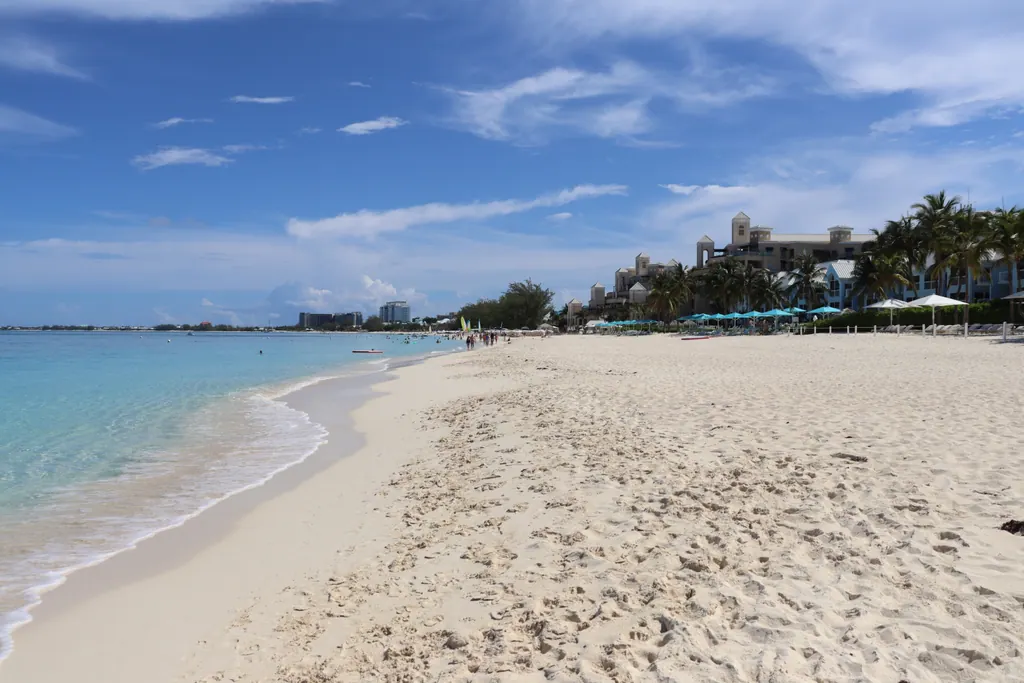
If your idea of a holiday is wading into flat, clear water, the low islands win. Grand Cayman's Seven Mile Beach on the west side is the classic: soft sand, gentle water and a long walkable shoreline lined with hotels and condos. It is easy, safe-feeling and well run, but not cheap and not wild. For a quieter Cayman, Rum Point and Starfish Point on the north side of the island have shallow water that small children love.
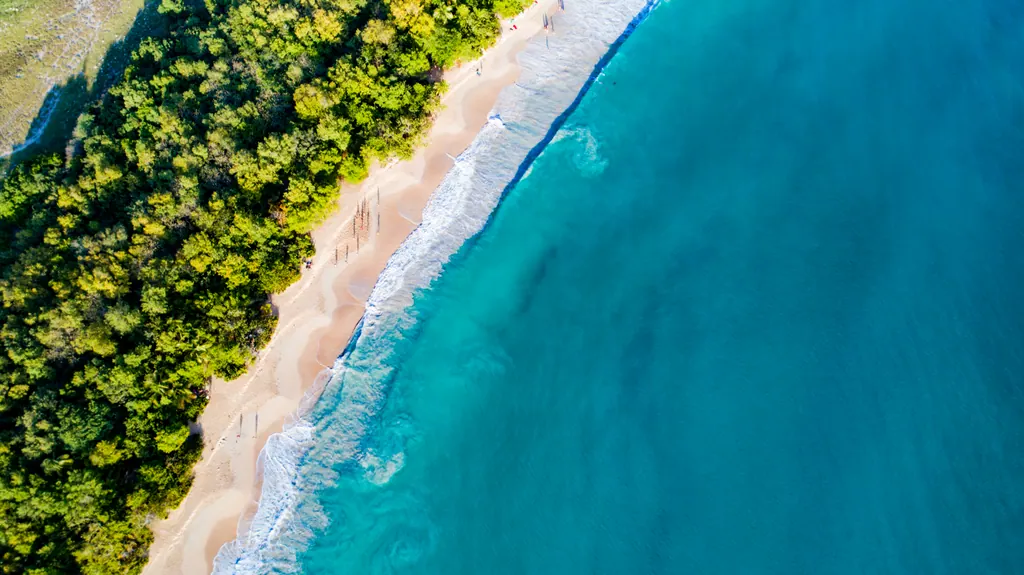
Barbados splits neatly in two. The west coast, often called the Platinum Coast, faces the Caribbean Sea and has the calmest water, with Holetown and Speightstown as its centers and luxury villas behind the beaches. The south coast, from Carlisle Bay near Bridgetown to Oistins, is breezier, more affordable and more social. The east coast faces the Atlantic, with big surf at Bathsheba, and is for looking and surfing, not easy swimming.
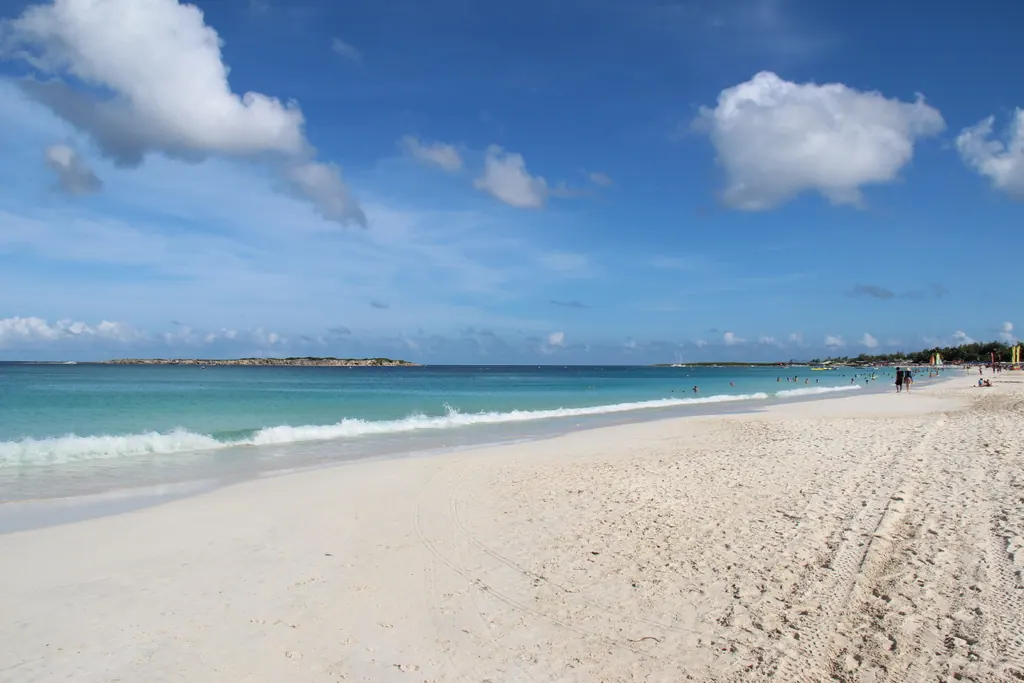
Anguilla is the low key alternative: flat, quiet and known for beaches like Shoal Bay East and Meads Bay, without high-rise hotels or cruise ships. In Puerto Rico, the small island of Culebra has Flamenco Beach, a horseshoe of white sand that regularly turns up on lists of the world's best beaches. On Saint Martin, Orient Bay on the French side is the long, lively beach with water sports, while the smaller coves on the west are calmer.
Which islands are best for food?
Saint Martin has a strong claim. The French village of Grand Case is lined with restaurants along its one main street, from formal French dining to the lolos, simple open-air grills serving ribs, chicken and lobster. Because the island is split, you can eat French one night and in the more American-style Simpson Bay area on the Dutch side the next.
Martinique and Guadeloupe bring Creole cooking with French ingredients: accras (salt cod fritters), colombo curries and fresh fish, plus bakeries and supermarkets that feel like mainland France. Martinique's rhum agricole, distilled from fresh cane juice rather than molasses, has its own French AOC protected designation, and visiting a distillery is one of the island's classic day trips.
Barbados has the Friday night fish fry in Oistins, where stalls grill and fry flying fish, mahi mahi and swordfish to a soundtrack of music, and the national dish of flying fish and cou cou. Jamaica is the home of jerk, with Boston Bay in Portland on the east coast often named as its birthplace. Puerto Rico adds mofongo and a serious food scene in San Juan.
Martinique or Guadeloupe?
These two French islands are often compared, and both are part of France, use the euro and are reached most easily from Paris. The difference is in the shape of the trip.
Martinique is one compact island with a smoother tourist setup. The south, around Sainte-Anne and the beach at Les Salines, has the best sand. The north is wilder, dominated by Mount Pelée, the volcano whose 1902 eruption destroyed the old capital of Saint-Pierre and killed around 28,000 people. In 2023 UNESCO listed the volcanoes and forests of Mount Pelée and the northern pitons as a World Heritage site. Choose Martinique for food, rum, history and a mix of beach and hikes from one base.
Guadeloupe is shaped like a butterfly. The western wing, Basse-Terre, is mountainous and green, with Guadeloupe National Park, waterfalls and La Soufrière, which at 1,467 meters is the highest point in the Lesser Antilles. The eastern wing, Grande-Terre, is flat with beach towns like Sainte-Anne and Saint-François. Add the easy ferry trips to Les Saintes and Marie-Galante, and Guadeloupe is the better pick for active travelers who want variety and do not mind driving. Read more on our Martinique and Guadeloupe page.
Where can you go out at night?
The Caribbean is generally quieter after dark than many people expect, but a few places stand out.
- Sint Maarten: the Dutch side, especially Simpson Bay and Maho, has the island's bars, beach clubs and casinos. Maho Beach is famous for planes landing at Princess Juliana Airport just above the sand.
- Barbados: St. Lawrence Gap on the south coast is the main strip for bars and live music, and the Oistins fish fry turns into a street party on Fridays. The Crop Over festival builds to Grand Kadooment, held on the first Monday in August.
- Jamaica: Negril's beach bars and sunsets on the West End cliffs, and the Hip Strip along Gloucester Avenue in Montego Bay.
- Puerto Rico: San Juan has the biggest nightlife in the region, from Old San Juan to La Placita in Santurce.
The Caymans, Anguilla, Bonaire and most of the French islands are better for long dinners than late nights.
Which islands suit hikers and divers?
For hiking, go volcanic. Guadeloupe's La Soufrière and Martinique's Mount Pelée are proper climbs, best started early before clouds roll in. On St. John in the US Virgin Islands, Virgin Islands National Park covers about 60 percent of the island, according to the National Park Service, with trails that end at snorkeling beaches. Saint Kitts and Nevis, reached by short flights from Saint Martin, has rainforest hikes and Brimstone Hill Fortress, a UNESCO World Heritage site.
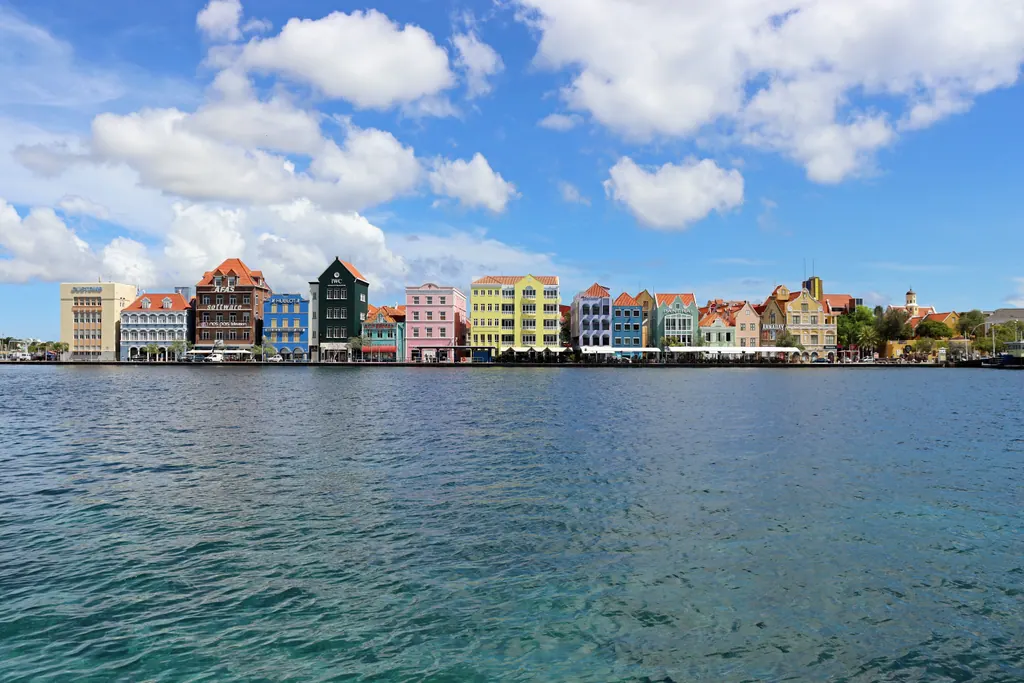
For diving, the flat islands win again. Bonaire protected its whole coastline in 1979 with Bonaire National Marine Park, and dive sites are marked by yellow-painted stones along the road, so you can drive up and walk in. Little Cayman's Bloody Bay Wall starts at only around 20 feet below the surface before dropping into deep blue, which makes it rewarding even for newer divers. On Grand Cayman, Stingray City is a shallow sandbar in the North Sound where you can stand among southern stingrays. Curaçao offers easy shore dives too, plus the colorful UNESCO-listed historic center of Willemstad.
In Puerto Rico, the island of Vieques has Mosquito Bay, a bioluminescent bay that glows on dark nights. It is visited on guided kayak tours, and swimming is not allowed.
Jamaica: Montego Bay, Negril or Ocho Rios?
Jamaica's three resort areas feel quite different.
- Montego Bay is where most visitors land, at Sangster International Airport. It has big resorts, Doctor's Cave Beach and the Hip Strip, and it is the most convenient base.
- Negril, on the west tip, has the long Seven Mile Beach on one side and cliffs on the other. It is the most relaxed of the three, with everything from guesthouses to large all-inclusives.
- Ocho Rios on the north coast is the base for Dunn's River Falls, where you climb up the cascades, and for rafting and garden trips. It is also a cruise port, so it is busy on ship days.
Be aware that Hurricane Melissa hit western Jamaica as a Category 5 storm in October 2025. Negril and Ocho Rios reopened most hotels first, while several large Montego Bay resorts were still scheduled to reopen in late 2026. Check that your hotel is open, and look at the current travel advice on our safety page and at travel.state.gov before booking.
Can you island hop from Saint Martin?
Yes, and this is Saint Martin's strongest card. The island is shared by France and the Netherlands under the 1648 Treaty of Concordia and is the smallest inhabited island divided between two countries. Princess Juliana International Airport on the Dutch side has direct flights from North America and Europe, and from there the neighbors are close.
- Anguilla: ferries from Marigot reach Blowing Point in about 20-25 minutes, an easy day trip. Bring your passport.
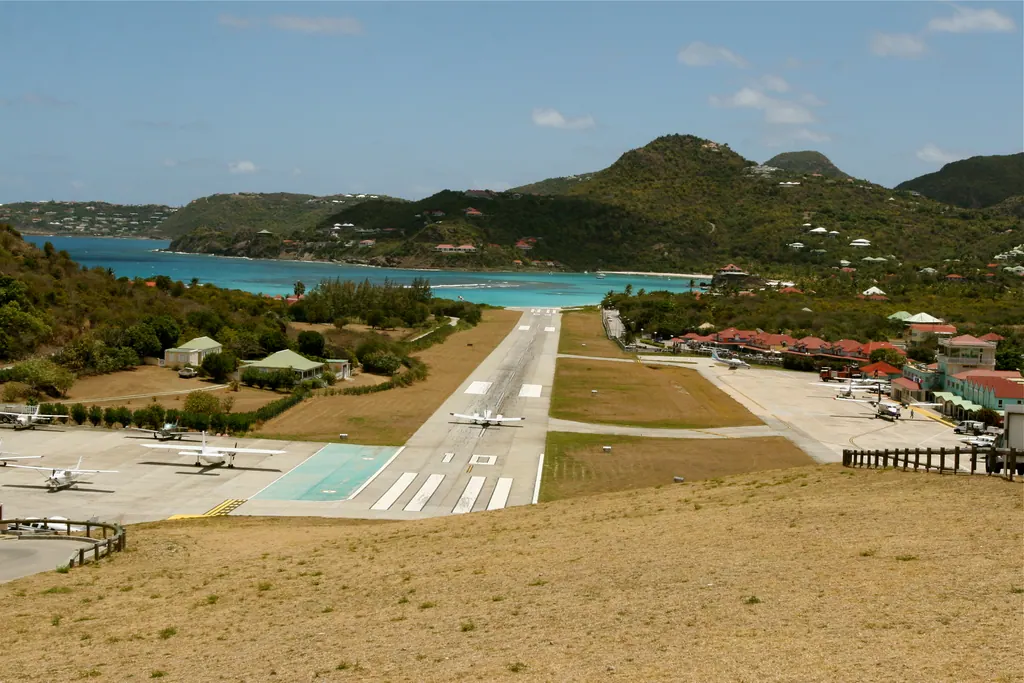
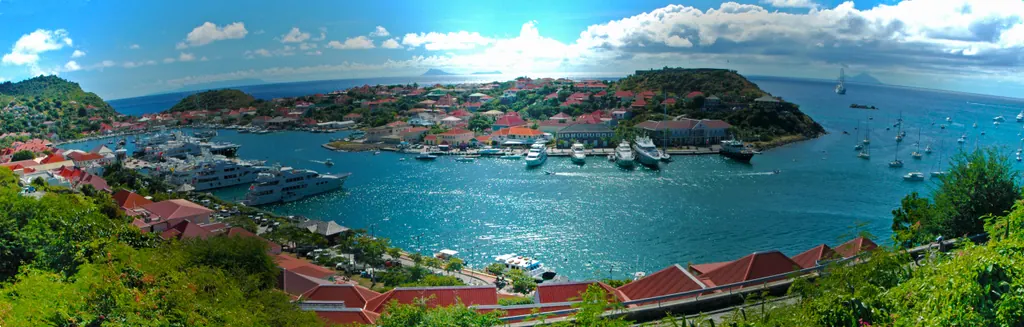
- Saint Barts: about an hour by fast ferry, or a short flight onto its famously steep runway.
- Saba and Sint Eustatius: small Dutch islands by ferry or short flight, popular with divers and hikers.
- Saint Kitts and Nevis: short regional flights.
Further west, the US Virgin Islands work the same way. Ferries from Red Hook on St. Thomas reach Cruz Bay on St. John in about 20 minutes, and you can continue by ferry to Tortola in the British Virgin Islands, where a passport is required. From Puerto Rico, ferries leave from Ceiba for Culebra and Vieques. They are cheap but fill up on weekends and holidays.
Cancún sometimes comes up in the same breath as Punta Cana and Jamaica. It is a fine beach destination, but it is on the Mexican mainland, not an island.
What about families and budget travelers?
Families do well where the water is calm and the logistics are simple. Grand Cayman, Aruba and the west coast of Barbados all have gentle beaches and well-run hotels. Puerto Rico is easy for American families, since no passport is needed for US citizens, and it combines beaches with El Yunque National Forest and the forts of Old San Juan.
Budget travelers have fewer options than in Mexico or Central America, but some islands are clearly cheaper than others. The Dominican Republic, especially Punta Cana, has a huge supply of all-inclusive resorts and often some of the lowest package prices in the region, though many resorts feel cut off from the country around them. Puerto Rico and Jamaica have guesthouses and local food at reasonable prices. Guadeloupe can be good value if you rent a car and a self-catering gîte, and the Dutch side of Saint Martin has more mid-range hotels than the French side. The Caymans, Anguilla and Saint Barts sit at the expensive end.
So which island should you book?
A short cheat sheet, based on what most travelers are looking for:
- Calm turquoise water and nothing to organize: Grand Cayman or the west coast of Barbados.
- Food and a bit of everything: Saint Martin, with a day trip to Anguilla.
- French culture, hiking and rum: Martinique for one base, Guadeloupe for more nature.
- Diving: Bonaire or Little Cayman.
- Easy trip from the US with nightlife: Puerto Rico, with a few nights on Culebra or Vieques.
- Sailing and hiking in a national park: St. John.
- Fall travel with low hurricane risk: Aruba, Bonaire or Curaçao.
- Lowest price for sun and sand: an all-inclusive in the Dominican Republic.
Whatever you choose, book flights early for the December to April high season, check the entry rules for every island you plan to visit (the French, Dutch and British islands all need a passport), and leave at least one day with nothing planned. Most of the best Caribbean moments happen on those days. You can find more ideas on our Caribbean page and in our beach holiday guides.
Frequently asked questions
Which Caribbean island has the least risk of hurricanes?
Aruba, Bonaire and Curaçao lie at the southern edge of the hurricane belt and are hit far less often than islands further north. They are not completely immune, but they are a sensible choice for travel between August and October.
Do US citizens need a passport for the Caribbean?
Not for Puerto Rico or the US Virgin Islands, which are US territories, though you should carry photo ID. Every other island, including the French, Dutch and British ones, requires a passport, and so do day trips such as Saint Martin to Anguilla or St. John to Tortola.
Can you visit both the French and Dutch sides of Saint Martin?
Yes. There is no border control between Marigot on the French side and Philipsburg on the Dutch side, so you can drive between them freely. The French side uses the euro, while US dollars are widely accepted on the Dutch side.
Which Caribbean island is best for a first trip?
Grand Cayman and Barbados are easy first choices thanks to calm beaches, English as the main language and simple logistics. Puerto Rico is the easiest option for Americans, since no passport is needed.
Is Cancún a Caribbean island?
No. Cancún lies on the Caribbean coast of mainland Mexico. Nearby Cozumel and Isla Mujeres are Mexican islands, but they are part of Mexico rather than the island Caribbean covered here.
- UNESCO: Volcanoes and Forests of Mount Pelée and the Pitons of Northern Martinique
- National Park Service: Virgin Islands National Park basic information
- Discover Puerto Rico: How to get to Vieques and Culebra
- STINAPA: Bonaire National Marine Park
- NOAA: Hurricane season information
- U.S. Department of State: Travel advisories