Ask ten people for the cheapest Caribbean island and you will get ten answers, most of them based on a single great deal someone once found. The truth is less romantic. A Caribbean trip is cheap or expensive mainly because of three things: how many flights land there from the U.S., how much competition there is between hotels, and how much of your spending happens in places built for tourists.
Get those three right and a week in the islands can cost far less than people expect. Get them wrong and even a "budget" island will empty your wallet. Below we look at the islands that tend to give American travelers the most for their money, what makes each one cheaper, and the timing tricks that matter more than the island you pick.
What actually makes an island cheap?
Before the list, it helps to know what drives the price, because it explains why some islands are reliably affordable and others never are.
- Flights. Islands with nonstop service from many U.S. cities, and several airlines competing on the same route, have cheaper fares. Small islands that need a connection through San Juan, Miami or another hub almost always cost more to reach.
- Hotel supply. Where hundreds of resorts compete for the same guests, prices stay under pressure. Islands with a handful of boutique hotels can charge what they want.
- A local economy outside tourism. Where locals eat, shop and take buses, so can you, at local prices. On islands where almost everything is imported for visitors, even groceries are expensive.
Taxes and service charges also add up. Our Caribbean money guide explains how they work island by island.
Dominican Republic: the all-inclusive volume play
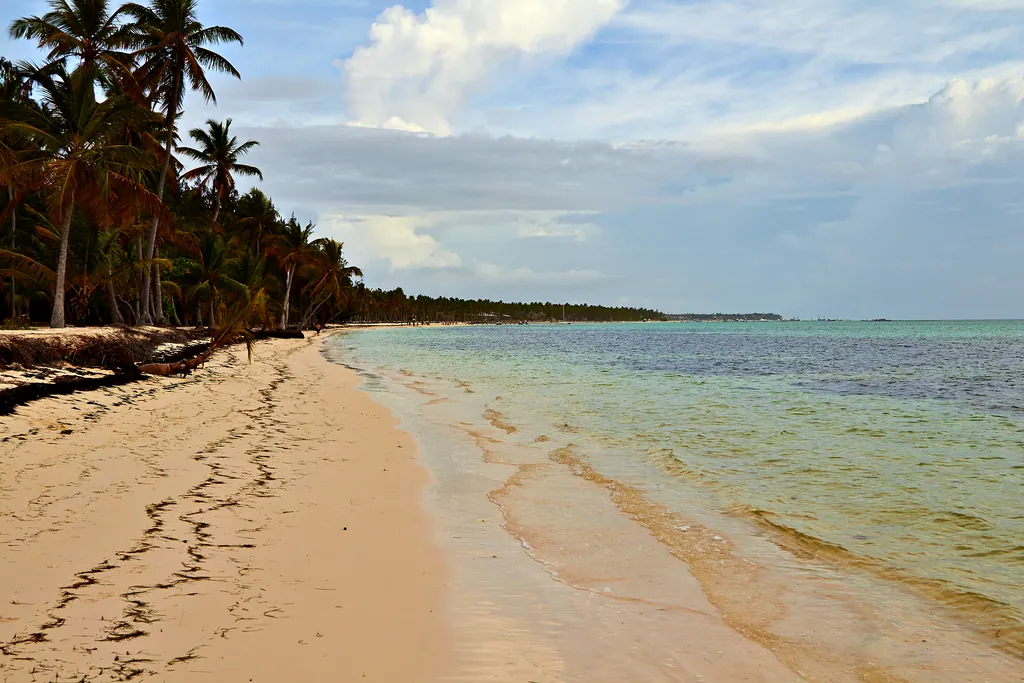
The Dominican Republic is often the cheapest way to get a classic beach week, and the reason is scale. Punta Cana and the Bávaro coast have one of the largest concentrations of all-inclusive resorts in the Caribbean, and the airport has nonstop flights from a long list of U.S. cities. All that competition keeps prices lower than on smaller islands, especially for package deals that bundle flight and hotel.
A few things help keep costs down:
- The $10 tourist card is included in the price of your plane ticket when you fly in on a commercial flight booked outside the country, so do not pay for it again at the airport.
- U.S. citizens also fill in the free electronic E-Ticket form for arrival and departure, on the official migration site. Ignore paid look-alike sites.
- Outside the resorts, the country runs on Dominican pesos and has a real local economy. Colonial Santo Domingo, the beaches of the Samaná Peninsula and towns such as Cabarete feel very different from the resort strip and can be cheaper for independent travelers.
As of November 2026, the U.S. State Department rates the Dominican Republic at Level 2 (Exercise Increased Caution), mainly because of crime. That is the same level as Mexico and many popular destinations, but it is a good reason to use official taxis and not wander deserted beaches at night.
Puerto Rico: cheap because it is American
Puerto Rico is rarely the cheapest island on paper, but it often ends up the cheapest in practice. It is a U.S. territory, so you need no passport, there is no currency exchange, your U.S. phone plan usually works as it does at home, and there are no foreign transaction fees on your cards. Those savings are easy to overlook until you add them up.
Flights are the other advantage. San Juan has nonstop service from many U.S. cities, including several low-cost airlines, and fares can be very competitive outside the holidays.
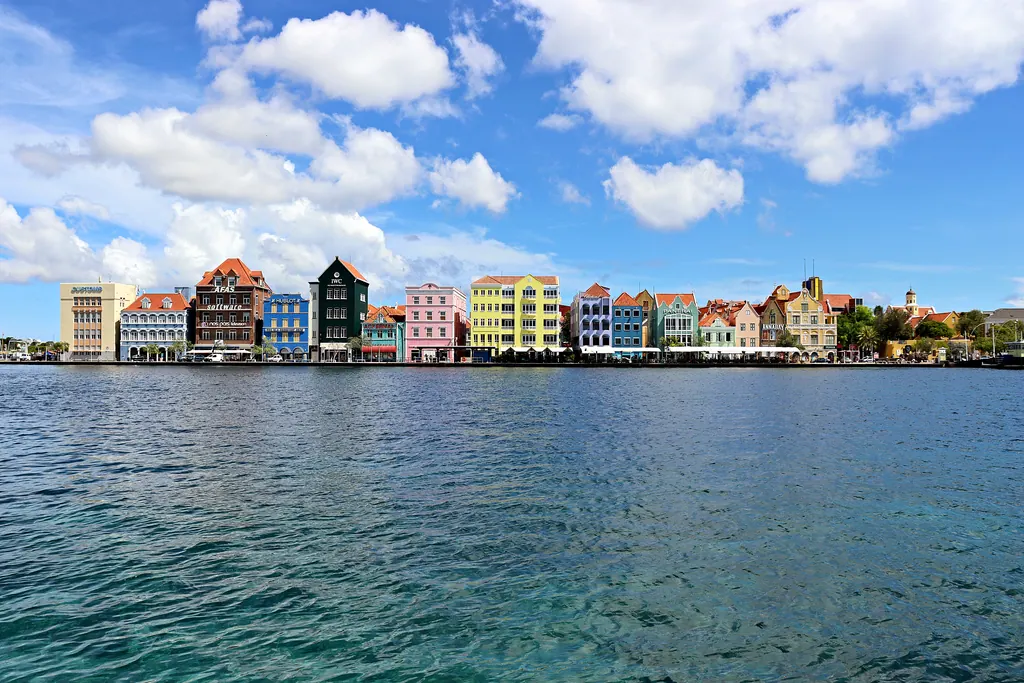
The key to a cheap trip is to step outside the resort zones. In Old San Juan you can spend a whole day walking the blue cobblestone streets and the walls of the old forts. East of the capital, the Kioskos de Luquillo, a row of about 60 food stands on Route 3 beside Luquillo Beach, serve fried snacks and seafood at local prices. Puerto Rico's public beaches are free, and El Yunque is a short drive away.
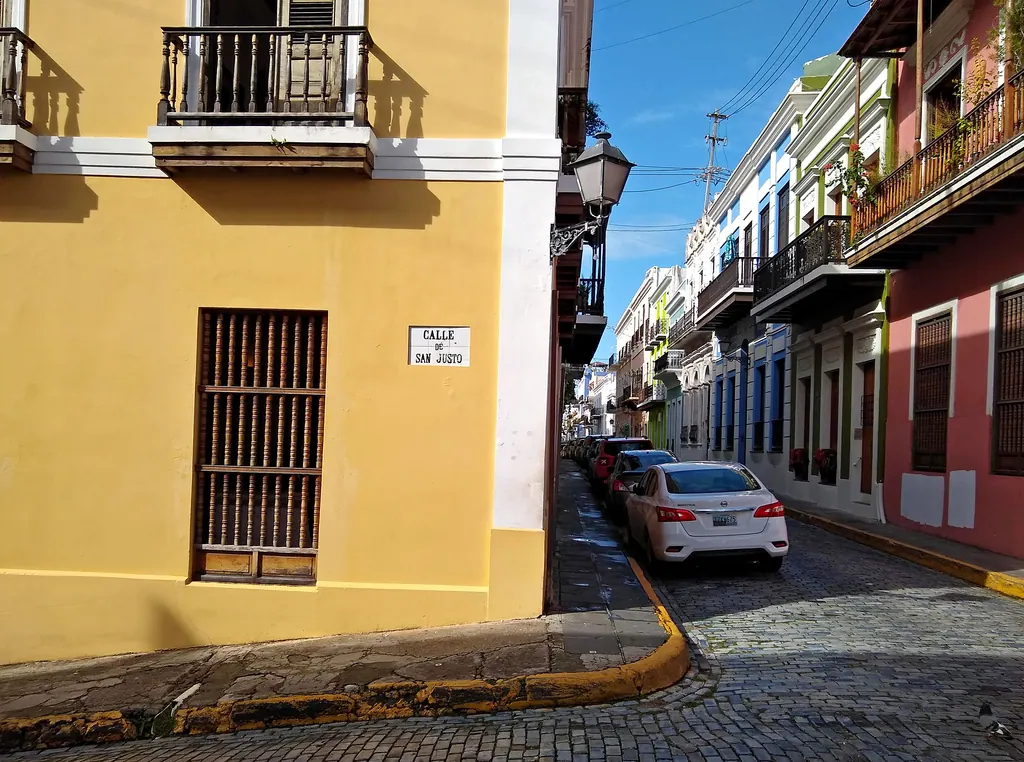
The main hidden cost is transportation. Outside San Juan, public transportation is limited, so most visitors rent a car, and that can cost more than in the mainland U.S. during busy weeks. Book early.
Jamaica: good value, but check where you stay
Jamaica combines nonstop flights from many U.S. cities with a wide range of places to stay, from big all-inclusives to small family-run guesthouses on the cliffs of Negril. That range is what makes it good value: you can choose your level instead of paying resort prices for everything.
There is one big caveat in late 2026. Hurricane Melissa hit the island hard in October 2025, and recovery is uneven. According to the Jamaica Tourist Board's reopening list, Negril is open, but several large resorts in the Montego Bay area were still closed in November 2026, with some scheduled to reopen on December 18, 2026 and others in 2027. Fewer rooms can mean higher prices in the busiest weeks, so compare Negril, Ocho Rios and the South Coast before you book.
The State Department rates Jamaica at Level 2 (Exercise Increased Caution) as of its update on June 23, 2026, citing crime, health and natural disaster. Read our guide to Caribbean safety for the bigger picture.
Sint Maarten and Saint Martin: a cheap hub with two flavors
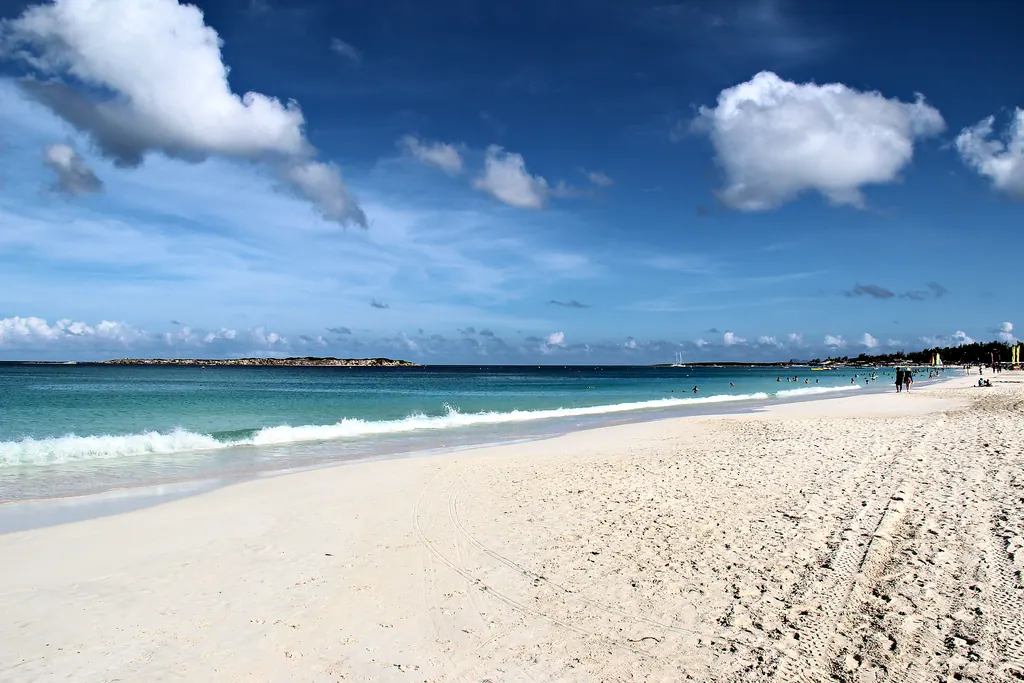
The island shared by Dutch Sint Maarten and French Saint Martin is not cheap in every way, but it is one of the easiest islands to reach. Princess Juliana International Airport has nonstop flights from several U.S. cities, and competition on those routes can push fares down.
Once there, you get two countries for the price of one trip. The Dutch side uses U.S. dollars widely and is known for duty-free shopping, while the French side has its own food culture, with small lolos (local barbecue stands) in Grand Case that are much cheaper than the restaurants a few doors away. You can cross between the two sides freely. As of 2026, the State Department rates Sint Maarten at Level 1, its lowest level.
What about Cuba?
Cuba is often called the cheapest island in the Caribbean, and for many travelers from other countries it is. For Americans it is complicated. U.S. law does not allow trips for tourism, and visits must fit one of the authorized categories, with strict rules on where you can stay and spend money. Read can Americans travel to Cuba before you look at prices.
Which islands are rarely cheap?
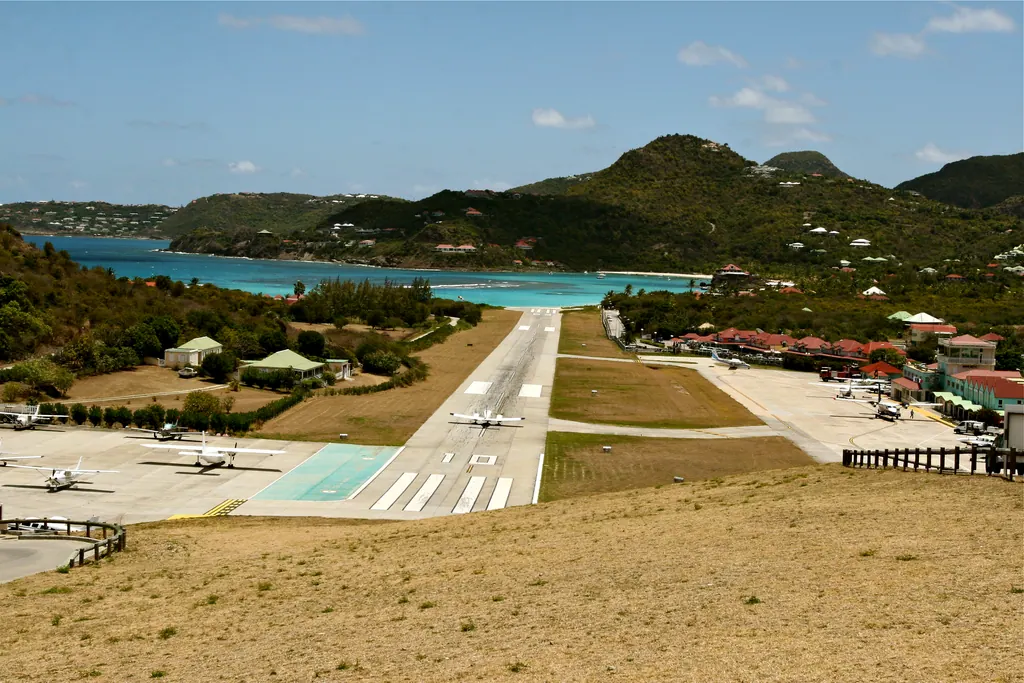
Some islands are expensive by design. Saint Barts, Anguilla, Turks and Caicos and the Cayman Islands built their tourism around high-end resorts, few hotel rooms and limited flights, and they rarely have true bargains. The Bahamas and Barbados can be affordable with a deal, but you pay more for food and everyday items on both. If one of these is your dream island, go, but plan the budget accordingly. Our island match-up compares them by travel style.
Timing beats island choice
The single biggest money saver is not which island you choose but when you go.
- Hurricane season runs from June 1 to November 30. Prices drop, especially from late August through October, when the risk is highest. If you travel then, buy travel insurance and book flexible rates.
- Early December is a classic value window. The holiday crowds have not arrived yet, but the weather is usually settled.
- After Easter until early June, prices fall again before the summer family season.
- Christmas, New Year's, Presidents' Day weekend and spring break are the most expensive weeks of the year almost everywhere.
Our guide to the best time to visit the Caribbean explains the weather month by month.
How to keep the whole trip cheap
A few habits make more difference than the island itself:
- Compare a flight and hotel package with booking each separately. On resort-heavy islands, packages often win.
- Count the extras. Resort fees, airport transfers and service charges can add a large share to the room rate.
- Eat where locals eat at least once a day, from the kiosks of Luquillo to the lolos of Grand Case.
- Stay a short walk from a public beach instead of paying beachfront prices.
- Pay in local currency when your card asks, not in dollars. Our guide to paying in local currency or dollars explains why.
More ideas for affordable trips are on our budget travel page and our Caribbean page.
Frequently asked questions
What is the cheapest Caribbean island to visit from the US?
There is no single answer, but the Dominican Republic and Puerto Rico are usually among the cheapest, thanks to many nonstop flights from U.S. cities and strong competition between hotels.
Do you need a passport to go to Puerto Rico?
No. Puerto Rico is a U.S. territory, so U.S. citizens flying from the mainland need only an ID accepted for domestic flights, such as a REAL ID.
When is the cheapest time to go to the Caribbean?
Prices are usually lowest during hurricane season, which runs from June 1 to November 30, and in early December before the holiday rush. Christmas, New Year's and spring break are the most expensive weeks.
Is the Dominican Republic tourist card included in the airfare?
Yes. For commercial flights booked outside the country, the $10 tourist card is included in the ticket price. You still need to fill in the free E-Ticket form online.