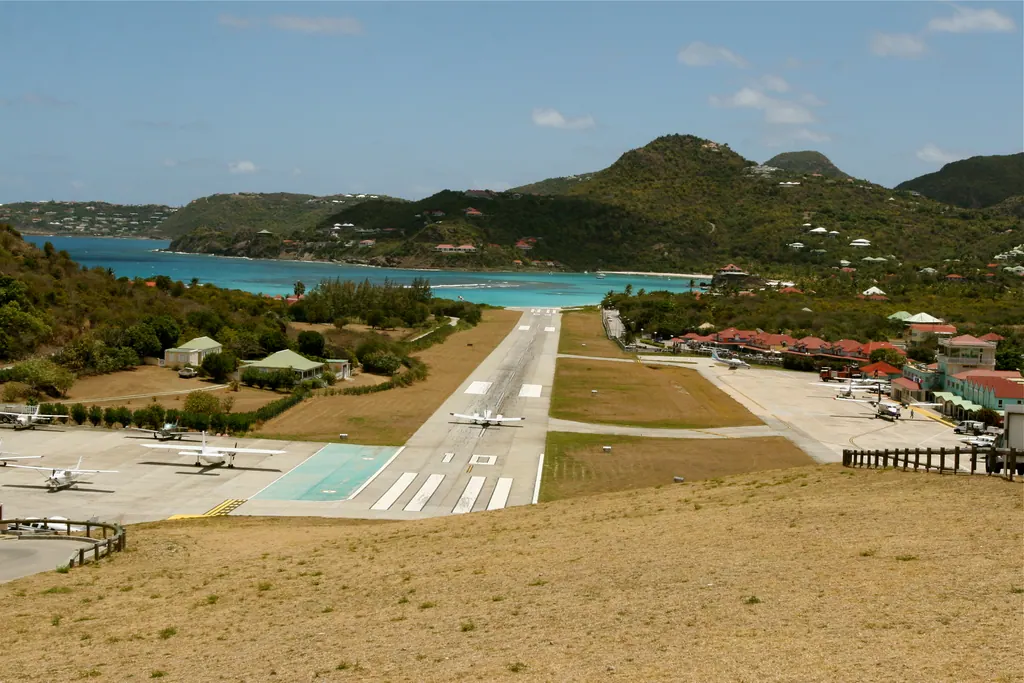
The runway on Saint Barts is about 650 meters long, starts just below a hilltop road and ends near the sand of Saint-Jean, and pilots need special training before they are allowed to land there. A few islands away, the cheapest way onto Vieques is a ferry from a former naval base, and many visitors reach Anguilla at a ferry pier rather than an airport. Getting to the Caribbean is easy. Getting around it is where the planning starts.
Every island has its own airport, its own taxi system and, in many cases, its own side of the road. This guide covers the main gateway airports, the island hops by ferry and small plane that people ask about most, and what to expect from rental cars, taxis and buses once you land. If you have not picked an island yet, start with our guide to which Caribbean island suits you.
Which airport should you fly into?
Most trips start at one of a handful of large airports with nonstop flights from the US, Canada and Europe, and the smaller islands are often easier to reach through one of them.
| Gateway | Airport | Good base for |
|---|---|---|
| Punta Cana, Dominican Republic | Punta Cana International (PUJ) | Bávaro and the east coast resorts |
| Santo Domingo, Dominican Republic | Las Américas International (SDQ) | The capital and the south coast |
| Montego Bay, Jamaica | Sangster International (MBJ) | Montego Bay, Negril, Ocho Rios |
| San Juan, Puerto Rico | Luis Muñoz Marín International (SJU) | Puerto Rico, Vieques, Culebra, onward flights |
| Sint Maarten | Princess Juliana International (SXM) | Saint Martin, Anguilla, Saint Barts |
| Grand Cayman | Owen Roberts International (GCM) | Seven Mile Beach, Cayman Brac, Little Cayman |
| Barbados | Grantley Adams International (BGI) | Barbados and connections in the eastern Caribbean |
| Aruba | Queen Beatrix International (AUA) | Aruba and connections to Curaçao and Bonaire |
San Juan is the main hub for the northeastern islands, and Sint Maarten plays the same role for the small islands around it. For the French islands, most long-haul flights arrive from Paris, and the US connections that do exist are few and often seasonal. Our flights section has more on booking and connections.
The Dominican Republic and Jamaica: big islands, long transfers
Punta Cana's airport sits close to the resorts, which is a large part of its appeal. Most hotels in Bávaro are 20-40 minutes away. The official taxis outside arrivals charge fixed fares per car, quoted in US dollars, and in 2026 most sources put the ride to central Bávaro at around $35-40, more for resorts farther north toward Uvero Alto. Many all-inclusive packages include the transfer, so check before you pay twice.
Santo Domingo's Las Américas airport lies east of the city, roughly 30-40 minutes from the Zona Colonial when traffic is light. Long-distance buses connect the capital with Punta Cana and Bávaro in a few hours and are a cheap alternative to a domestic flight or a long taxi ride.
Visitors can drive in the Dominican Republic on a valid home license during a tourist stay, and traffic is on the right. Whether you should is another question. Motorbikes weave through traffic, rules are loosely followed, and many visitors keep the rental car for a quiet day trip and let professional drivers handle the rest.
Jamaica is bigger than it looks on the map. From Sangster airport in Montego Bay, Negril is about an hour and a half west, and Ocho Rios a little under two hours east along the north coast. Kingston's Norman Manley airport is the better choice if you are staying in the capital or the Blue Mountains.
For the stretches in between, the Knutsford Express coaches are the comfortable budget option, with air conditioning, reserved seats and routes linking Montego Bay, Ocho Rios, Kingston and Negril. Route taxis, shared cars on fixed routes, are cheaper still. Jamaica drives on the left, and Visit Jamaica, the official tourism site, says North American visitors can use their home license for up to three months per visit. Many rental companies set a minimum age of 25.
How do you get from Sint Maarten to Anguilla and Saint Barts?
Princess Juliana airport on the Dutch side is one of the most useful transfer points in the Caribbean, and the island itself is shared between Dutch Sint Maarten and French Saint Martin. Taxis are not metered: fares are set by the government by zone, and in 2026 most sources put the ride from the airport to Philipsburg or Marigot at around $20-25 by day, more at night. Traffic on the island drives on the right.
Anguilla. The public ferry leaves from Marigot on the French side and crosses to Blowing Point in about 20-25 minutes. Departures run regularly through the day, you buy tickets at the pier, and recent fares have been around $30 one way, plus departure taxes on both sides. Charter boats from near the airport on the Dutch side cost more but save you the taxi ride to Marigot. Anguilla drives on the left.
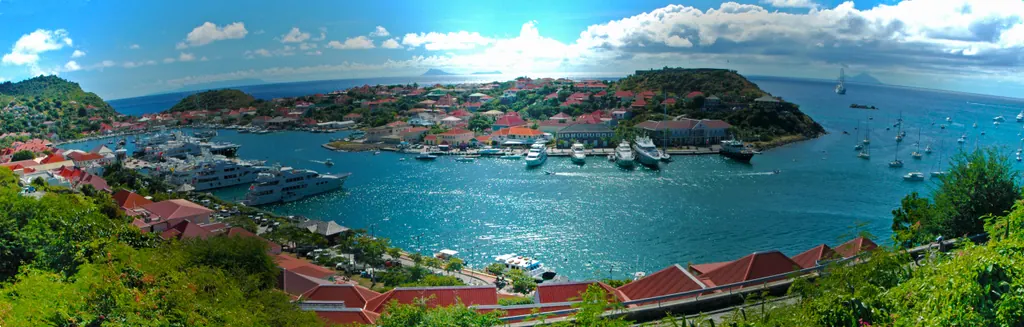
Saint Barts. You can fly or sail. Winair and other small airlines make the hop from SXM to Gustaf III Airport in about 15 minutes, and the landing is famous: a steep descent over the hill onto the short runway. Only small propeller planes can use it. By sea, the Great Bay Express runs from Philipsburg in about 45 minutes, and Voyager sails from Marigot in roughly an hour. The channel can be rough.
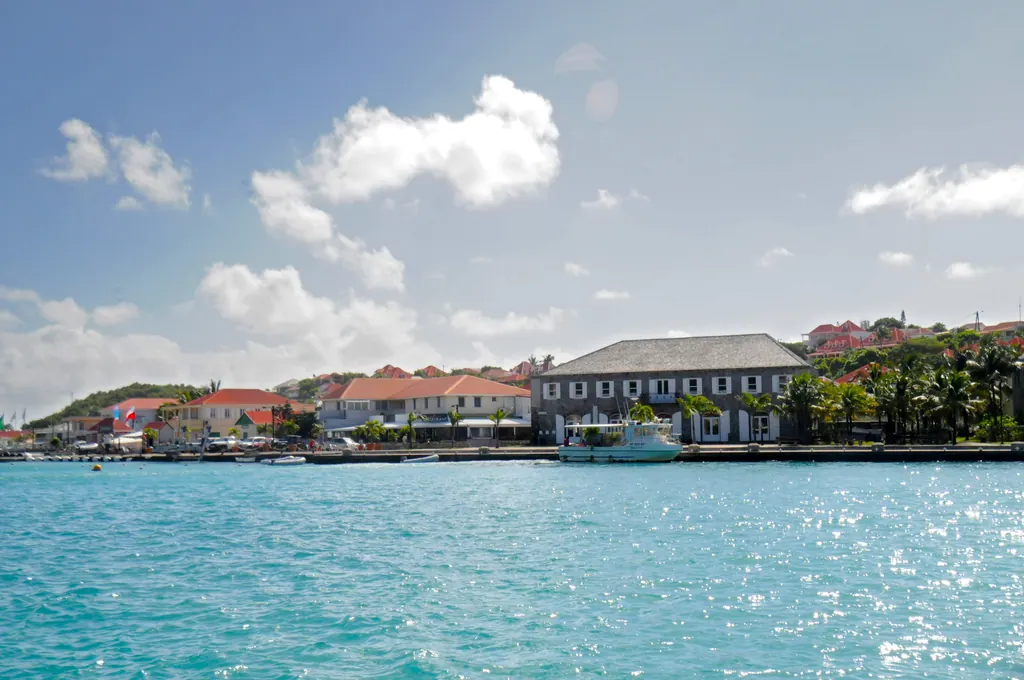
Once on Saint Barts, a small rental car is the usual answer. Taxis are few, mostly waiting at the airport and in Gustavia, and they are not cheap. The roads are steep and narrow, so a compact car is easier than a big one, and in high season cars sell out, so book early.
Ferries and small planes to Vieques and Culebra
Puerto Rico's two small islands to the east are some of the most popular side trips in the region, and both can be reached by sea or air. This is US territory, so all fares are in dollars and a US license works as it does at home.
The ferries leave from a terminal in Ceiba, on the grounds of the former Roosevelt Roads naval base, roughly an hour or a bit more by car from San Juan. Crossings to Vieques and Culebra take about an hour, depending on the boat. For decades the fare was a symbolic $2 or so, but from May 2026 non-residents pay around $11.25 each way, while registered island residents keep the low fare. Tickets are sold online through Puerto Rico Ferry, and on holiday weekends the boats fill up, so buy ahead.
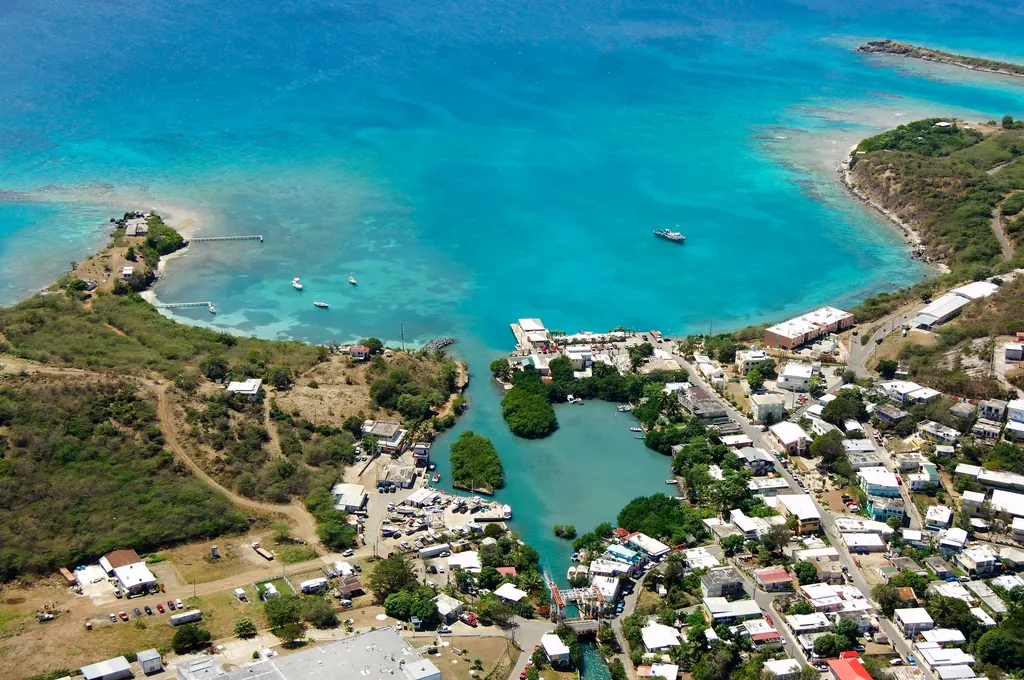
Flying is faster. Small planes leave from San Juan's Isla Grande airport (SIG), a short taxi ride from SJU, and some flights to Vieques use SJU itself. The flight takes 25-30 minutes, and Discover Puerto Rico, the official tourism site, lists one-way fares from around $89 to Culebra and $109 to Vieques. Luggage weight limits are strict.
Most mainland rental companies do not allow their cars on the ferry, so you rent on the islands. Vieques has jeeps, golf carts and públicos, the shared vans that wait at the ferry and the airport. On Culebra, many visitors rent a golf cart or a jeep for the short ride from the town of Dewey to Flamenco Beach. Island fleets are small, so book ahead in winter.
The Virgin Islands and Anegada
The British Virgin Islands are close enough to the US Virgin Islands that many travelers fly to St. Thomas and finish by ferry. Boats from Charlotte Amalie and Red Hook reach Road Town or West End on Tortola in about 45 minutes to an hour. They only run in daylight, so a late flight into St. Thomas can mean a night there. Tortola's own airport, on Beef Island, has connections from San Juan, Antigua and other islands, and American Airlines added nonstop flights from Miami in 2023.
Inside the BVI, ferries link Tortola with Virgin Gorda and Jost Van Dyke several times a day. Anegada, the flat coral island to the north, is harder. Ferries from Road Town run only a few days a week, and the timetable changes with the season, so check before you plan around it. The alternative is a charter flight to Anegada's small airport. Once there, most visitors rent a car or a scooter, or hire a taxi for the day.
Both the US and British Virgin Islands drive on the left, even though most cars on the US side have the steering wheel on the left, as on the mainland. Take extra care at turns and roundabouts.
Guadeloupe and Martinique: island hopping by ferry
The French islands have the best regional ferry network in the Caribbean. L'Express des Îles runs fast catamarans between Pointe-à-Pitre on Guadeloupe, Dominica, Fort-de-France on Martinique and Castries on Saint Lucia. The trip from Guadeloupe to Martinique takes about four and a half to five hours with the stop in Dominica, while Martinique to Saint Lucia is about an hour and a half. Fares vary by season, but one-way adult tickets between the two French islands have typically started at around 90 euros (about $100).
Around Guadeloupe itself, ferries reach Marie-Galante from Pointe-à-Pitre in about an hour, and the short crossing from Trois-Rivières to Les Saintes takes around 20-25 minutes. These boats carry foot passengers only, so you rent a scooter or small car on arrival.
Both islands are part of France, which means euros, driving on the right and many rental cars with manual gears. Buses are thin outside the main towns, so a car is the practical choice. Our money guide to the Caribbean explains why your dollars will not get you far here.
Grand Cayman, Barbados and the ABC islands: who drives where?
Grand Cayman drives on the left. The government dropped its visitor driving permit in 2019, so a valid license from home is enough, although some rental desks still list a fee, which is worth asking about. Taxis are not metered: fares are set by the government, and the official CI:GO app shows the correct fare for your route. Uber and Lyft do not operate. The public minibuses from the depot in George Town run along Seven Mile Beach to West Bay for around CI$2 (about $2.50), and drivers stop where you ask. Cayman Airways flies on to Cayman Brac and Little Cayman.
Barbados also drives on the left. In October 2025, the island replaced its visitor driving permit with a car rental levy of BDS$5 (about $2.50) per day, capped at BDS$35 (about $17.50) per rental, which is added to the rental bill. The bus system is one of the best in the region. Government buses, yellow minibuses and the white ZR vans charge BDS$3.50 (about $1.75), and on government buses you need the exact fare, since the driver gives no change. Taxis have fixed rates rather than meters, so agree on the price before you get in.
Aruba drives on the right, and its taxi fares are fixed by the government. In 2026, the ride from the airport to the high-rise hotels at Palm Beach cost around 74 florins (about $41) for up to four people, with surcharges at night, on Sundays and for extra bags. Arubus buses run along the hotel strip from Oranjestad and are the cheapest way to move between the beaches.
Curaçao and Bonaire are both easier with a car, and both drive on the right. Curaçao's best beaches are spread along the west coast, where buses are infrequent. Bonaire has no real public transport, and many divers rent a pickup truck so they can drive to the shore dive sites with their gear. There is no regular passenger ferry between the three ABC islands, but small airlines such as Divi Divi Air and Z Air fly between them in about 25-30 minutes.
Before you rent a car
- Know the side of the road. Left: Jamaica, Barbados, the Cayman Islands, Anguilla, the British and US Virgin Islands, Antigua, Saint Lucia, the Bahamas and Turks and Caicos. Right: the Dominican Republic, Puerto Rico, the French islands, Sint Maarten and Saint Martin, Aruba, Curaçao and Bonaire.
- Check permit rules close to your trip. Barbados and the Cayman Islands have both scrapped visitor permits in recent years, and fees elsewhere change. Your rental company will know the current rule.
- Bring a credit card in the driver's name. Deposits are usually taken as a card hold, and some companies will not accept debit cards.
- Read your insurance terms. Some credit card rental policies exclude certain countries, Jamaica among them on several cards, so check before you decline the rental company's own coverage.
- Book early for small islands. Saint Barts, Vieques, Culebra and Anegada have limited fleets that sell out in winter and around holidays.
Not every trip needs a car. On a resort holiday in Punta Cana or Aruba, a taxi from the airport and a couple of excursions are often all you need. On Barbados, Grand Cayman and Saint Martin, buses and taxis cover the essentials. The car pays off on Curaçao, Bonaire, Saint Barts, Vieques and the French islands, where beaches and viewpoints are spread out and public transport is limited. For more on planning the trip itself, see our Caribbean destination page and the road trips section.
Frequently asked questions
Can you take a ferry between Caribbean islands?
Yes, on some routes. The best networks link Guadeloupe, Dominica, Martinique and Saint Lucia, Saint Martin with Anguilla and Saint Barts, the US and British Virgin Islands, and Puerto Rico with Vieques and Culebra. There is no ferry between the large islands such as Jamaica, the Dominican Republic and Puerto Rico, or between the ABC islands.
Which Caribbean islands drive on the left?
Jamaica, Barbados, the Cayman Islands, Anguilla, Antigua, Saint Lucia, the Bahamas, Turks and Caicos and both the British and US Virgin Islands drive on the left. The Dominican Republic, Puerto Rico, the French and Dutch islands and Aruba drive on the right.
Do I need an international driving permit in the Caribbean?
Usually not. Most islands accept a valid home license for a short visit, and Barbados and the Cayman Islands have dropped their visitor permits. Rules and fees change, so check with your rental company before you travel.
How much is the ferry to Vieques for tourists?
From May 2026, non-residents pay around $11.25 each way on the ferry from Ceiba to Vieques or Culebra, while registered residents keep a much lower fare. Tickets are sold online through Puerto Rico Ferry.
Is Uber available in the Caribbean?
Uber works in the San Juan area of Puerto Rico, but it is not available on most of the smaller islands, including the Cayman Islands. There you rely on taxis, which on many islands charge fixed fares set by the government.
- Puerto Rico Ferry: New fare structure for non-residents
- AP via WTOP: Protest shuts down ferry rides between Puerto Rico and Vieques
- Barbados Revenue Authority: Car Rental Levy guide and resources
- Barbados Transport Board: Fare policy
- Radio Cayman: DVDL clarifies visitor driving permits situation
- Visit Jamaica: Things to know
- Visit Aruba: Aruba taxi and limo guide
- Discover Puerto Rico: How to get to Vieques and Culebra