Japan rewards first-time backpackers more than almost any other high-income country: trains run on time, hostels are clean, and you can eat well without a reservation. The hard part is not survival. It is deciding what to skip, whether the Japan Rail Pass is worth it in 2026, and how to keep costs honest.
This guide is for Americans planning a first backpacking trip of about one to two weeks. It covers a simple route, daily budgets in yen with dollar estimates, hostels and capsule hotels, IC cards, and the JR Pass math that has changed since the big price rise.
A first-timer route that does not feel rushed
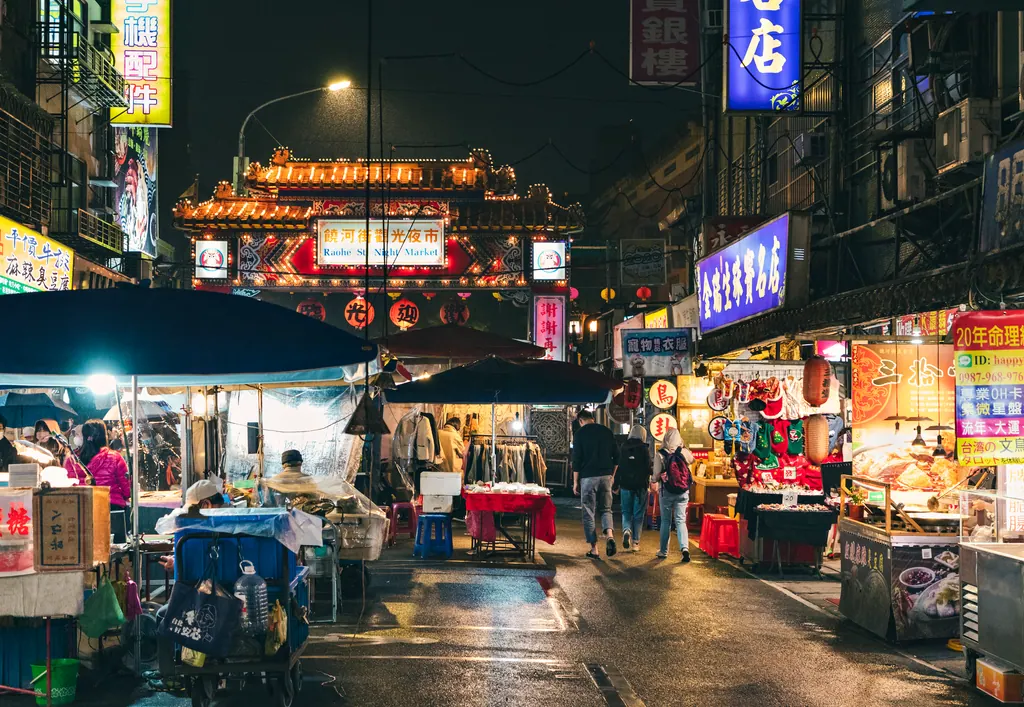
For seven to ten days, keep the spine simple: Tokyo, then Kyoto, with a day in Osaka if you have time. That triangle gives you megacity neighborhoods, temples and food culture without packing every morning.
A workable split:
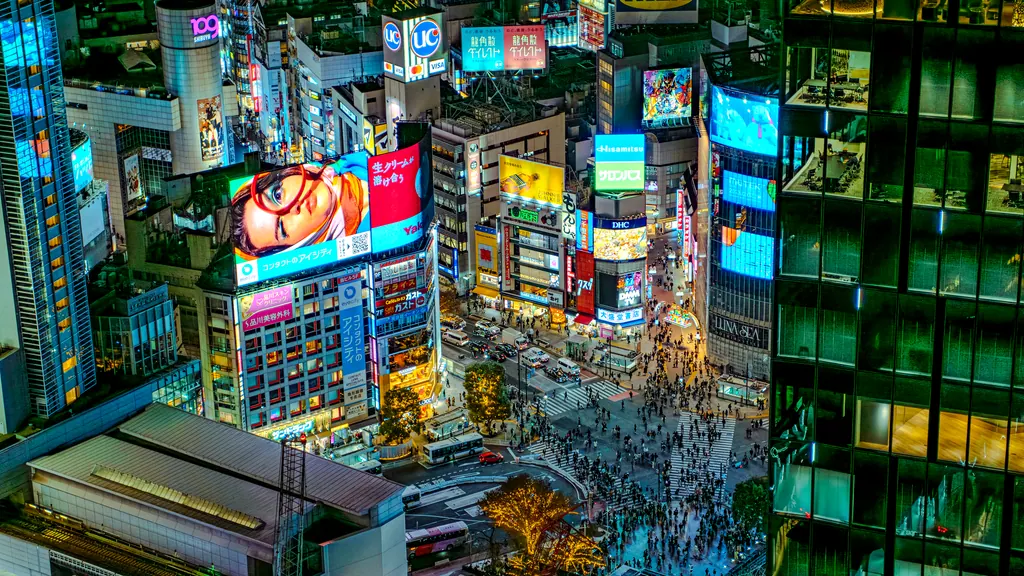
- Tokyo (3-4 nights): Shibuya, Shinjuku, Asakusa and a day trip to Kamakura or Nikko if you want quieter temples.
- Kyoto (3-4 nights): Fushimi Inari early, Higashiyama, Arashiyama, and a half day in Nara if you like deer parks and big wooden halls.
- Osaka (1-2 nights, optional): louder food streets and a different nightlife rhythm than Kyoto.
If you have two weeks, add Hiroshima and Miyajima, or a night near Hakone for onsen and, on a clear day, Mount Fuji views. Resist stacking five cities into seven nights. Japan is denser than it looks, but check-in lines and luggage lockers still eat hours.
Is the Japan Rail Pass worth it in 2026?
Often no, on a classic first trip.
On the official Japan Rail Pass site, an Ordinary (second class) adult pass bought online was listed at about 50,000 yen for 7 days, 80,000 yen for 14 days and 100,000 yen for 21 days (about $320, $510 and $640 at roughly 155 yen per dollar in late 2026). Overseas agencies often charge a little more (around 53,000 yen for the 7-day Ordinary pass). Green Car (first class) passes cost substantially more.
A reserved Tokyo-Kyoto shinkansen seat is typically around 13,000-15,000 yen one way. A first-timer who rides that corridor once, then uses local trains and subways, often spends well under a 7-day pass. The pass starts to make sense when you pack several long JR rides into the same consecutive window (for example Tokyo-Kyoto-Hiroshima-Tokyo). Run the numbers for your exact seats before you buy. Nozomi and Mizuho shinkansen services are still excluded from the ordinary pass; Hikari and Sakura are the usual alternatives.
What a backpacking day costs
A realistic backpacker day in 2026, outside peak cherry-blossom and Golden Week spikes:
| Item | Yen (about) | USD (about, 2026) |
|---|---|---|
| Hostel dorm bed | 3,000-5,000 | $20-32 |
| Capsule hotel | 3,000-5,000 | $20-32 |
| Food (konbini + one sit-down) | 2,500-4,500 | $16-29 |
| City transit | 500-1,200 | $3-8 |
| Temple and sight entries | 500-2,000 | $3-13 |
Many people land around 8,000-12,000 yen per day (about $50-75) before long-distance trains and big-ticket attractions. Book hostels early for late March to mid-April and major holiday weeks.
Where backpackers sleep
Japan's hostels are a strong reason to skip mid-range hotels on a first trip. Expect lockers, clean bathrooms and English-friendly booking sites in Tokyo, Kyoto and Osaka. Capsule hotels are compact but civilized: a curtained pod, power, and usually a shared bath area. Tall travelers should check capsule length. Budget guesthouses with tatami and futons are common outside the biggest hubs and are worth trying for at least one night.
Getting around without stress
Buy a rechargeable IC card (Suica, Pasmo, ICOCA and similar) for subways, local trains, buses and many convenience-store payments. Airport express trains and shinkansen seats are separate tickets. Station signage in major cities is bilingual. Google Maps works well for rail routing; keep a screenshot of your hotel address in Japanese for taxi drivers.
Luggage: pack light enough for stairs and coin lockers. Many travelers ship a suitcase ahead with takkyubin (luggage delivery) between hotels when they want a day bag only on the shinkansen.
Food on a backpacker budget
Convenience stores (7-Eleven, FamilyMart, Lawson) are not a compromise in Japan; the onigiri, sandwiches and hot snacks are part of the culture. Add ramen counters, standing sushi bars and market stalls. Mid-range sit-down dinners are easy to find without tipping. Tap water is safe in cities. If you have dietary restrictions, a translation card helps more than a phrasebook.
Visas, money and practical notes for Americans
U.S. citizens can usually visit Japan for tourism without a visa for short stays; always confirm current rules with the Embassy of Japan or the State Department before you fly. Passports should have months of validity left. Japan is still largely a cash-friendly country in smaller shops, though cards and IC payments keep spreading. ATMs in 7-Eleven and post offices are the reliable ones for foreign cards.
Japan sits at Level 1 on the U.S. travel advisory scale in ordinary times (exercise normal precautions), which is one reason first-time backpackers feel comfortable going solo. Still use normal big-city awareness in nightlife districts.
A packing list that stays light
One carry-on-sized backpack is enough for two weeks if you plan to do laundry once. Bring slip-on shoes (you will remove them often), a compact umbrella, a universal adapter, and clothes you can layer. Summer is hot and humid; winter needs a real coat in Tokyo and Kyoto. Book timed entries (teamLab, popular observation decks) before you land when your dates are fixed.
Start here
If this is your first backpacking trip to Japan, lock Tokyo and Kyoto first, calculate shinkansen tickets against the JR Pass, and budget about $50-75 a day on the ground before long-distance rail. The country is easy to move through once you stop trying to see everything. For a broader Asia contrast, see our backpacking and budget travel pages as you plan the next leg.
Frequently asked questions
Is Japan good for first-time backpackers?
Yes. Major cities have English signage, clean hostels and reliable trains. The main challenge is choosing a short route and deciding whether the JR Pass pays off.
Is the Japan Rail Pass worth it in 2026?
Often not on a simple Tokyo-Kyoto first trip. An online Ordinary 7-day pass was about 50,000 yen in 2026, while a one-way Tokyo-Kyoto shinkansen seat is typically around 13,000-15,000 yen. Count your long JR rides before you buy.
How much does backpacking Japan cost per day?
Many backpackers spend about 8,000-12,000 yen a day (about $50-75 in 2026) on a dorm bed, food and city transit, before long-distance trains and big attractions.
Do Americans need a visa to backpack in Japan?
U.S. citizens can usually visit Japan for short tourist stays without a visa. Confirm current rules with the Embassy of Japan or the State Department before you fly.