Few backpacking routes pack in as much as the narrow strip of land between Mexico and Colombia. In a few weeks you can climb a volcano at dawn, swim in turquoise river pools, learn to dive on a Caribbean island, sleep in colonial towns where the streets are still cobbled, and stand on top of a Maya temple above the rainforest canopy. And for travelers from the United States, it is all a short, often cheap flight away.
Central America also asks more of you than Southeast Asia or Europe. Borders take patience, buses are slow, and safety varies a lot from one country, and one town, to the next. This is how the classic route fits together in 2026, country by country, with the practical details that help you plan it.
How Long Do You Need?
The full overland trip from Guatemala to Panama covers seven countries. Most backpackers spend four to eight weeks on it. With four weeks, you will need to choose: Guatemala plus one or two neighbors, or a faster run with longer bus days. Eight weeks lets you slow down, take a Spanish course and add detours like Semuc Champey or the Corn Islands.
Many people travel north to south, starting in Guatemala City or flying into Cancún and crossing from Mexico into Belize. The reverse works just as well. Open-jaw tickets, flying into one end and out of the other, usually cost little more than a round trip from major U.S. hubs.
The Route, Country by Country
Guatemala
For many travelers, Guatemala is the highlight. Antigua, a colonial town ringed by volcanoes, is the usual first stop and a popular place to study Spanish. The overnight hike up Acatenango to watch neighboring Fuego erupt is one of the region's signature experiences, but it is cold and steep, so go with an established operator.
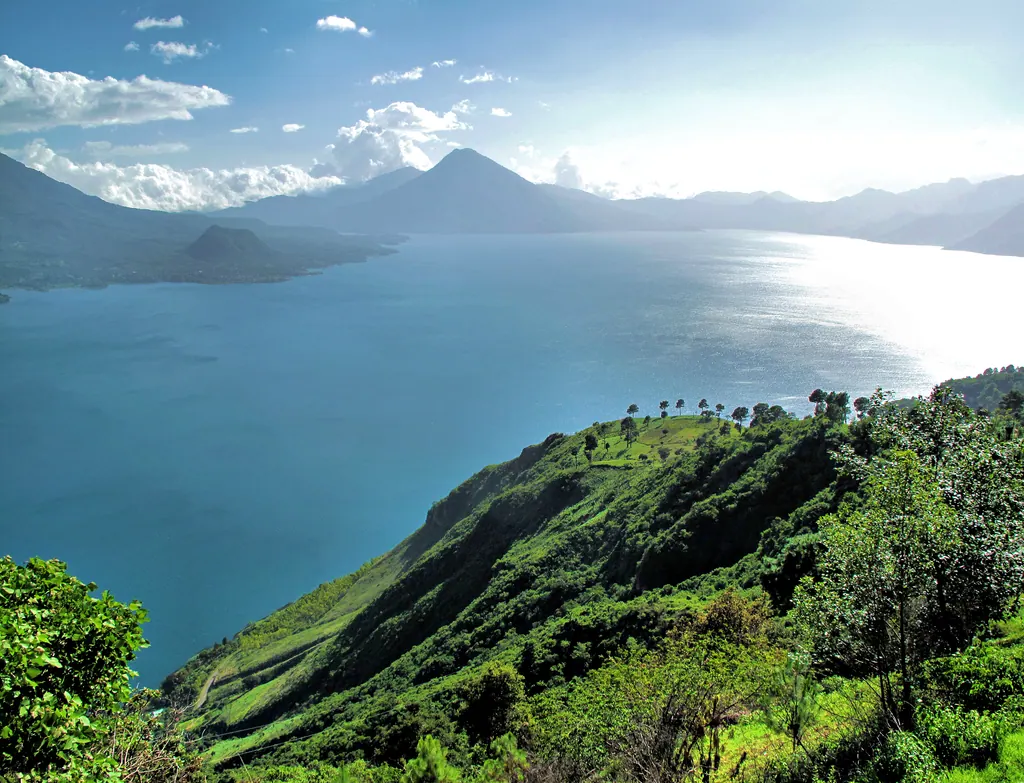
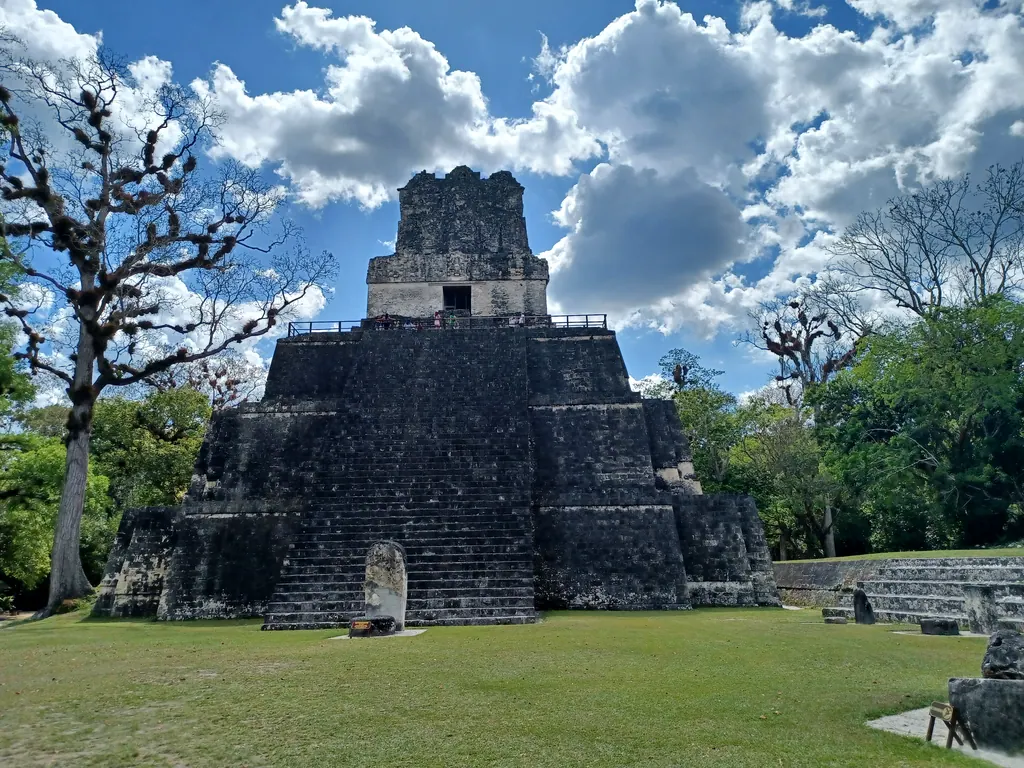
Lake Atitlán, surrounded by three volcanoes and a string of small towns, is where many backpackers stay longer than planned. Further north, Semuc Champey has stepped limestone pools above the Cahabón River, and Tikal, deep in the Petén jungle, is one of the greatest Maya sites anywhere. Entry for foreign visitors was 150 quetzales (about $20) in 2026. Read more in our guide to the best time to visit Guatemala.
Belize
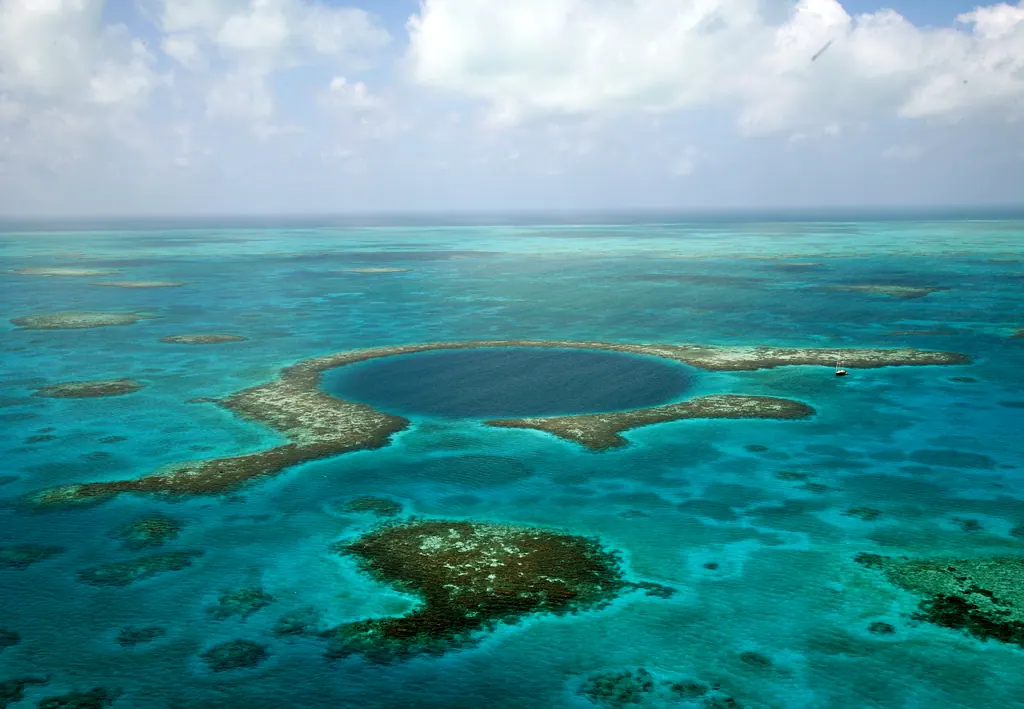
Belize is English-speaking and noticeably more expensive than its neighbors, but Caye Caulker, a small island with the motto "Go Slow," is a favorite for snorkeling the barrier reef. Inland, San Ignacio is the base for cave tours and Maya ruins near the Guatemalan border. Our article on Maya ruins in the Yucatán and Belize helps you choose between them.
El Salvador
Long skipped by backpackers, El Salvador now sees far more of them. The surf towns around El Tunco on the Pacific coast and the Ruta de las Flores, a loop of mountain villages known for coffee and weekend food markets, are the main draws. The country uses the U.S. dollar, which makes budgeting simple.
Honduras
Most backpackers in Honduras head for two places. Copán Ruinas has a Maya site famous for its carved stelae and hieroglyphic stairway, an easy trip from the Guatemalan border. Utila, in the Bay Islands, is known as one of the cheapest places in the Caribbean to get a scuba certification, and whale sharks are sometimes seen offshore.
Nicaragua
Nicaragua has some of the region's most memorable sights: colonial Granada on Lake Nicaragua, the university city of León, where you can sled down the black slopes of the Cerro Negro volcano, and Ometepe, an island formed by two volcanoes rising out of the lake. It is also the country on this route that requires the most caution, as explained below.
Costa Rica
Costa Rica is the most developed and the most expensive country on the route, with prices closer to the United States. For backpackers that usually means choosing a few places with care: a cloud forest such as Monteverde, the area around the Arenal volcano, and a stretch of coast on either the Pacific or the Caribbean side.
Panama
Most backpackers end in Panama, often with a stop in Bocas del Toro, an archipelago on the Caribbean side, before reaching Panama City and the canal. From there, sailing trips through the San Blas Islands to Colombia are a popular, if pricey, way to continue south. Panama uses the U.S. dollar alongside its own balboa.
How Safe Is Backpacking in Central America?
Safety is the biggest planning question for this trip, and the honest answer is that it varies. The State Department advisories as of November 19, 2026:
| Country | U.S. advisory level |
|---|---|
| Guatemala | Level 3: Reconsider Travel |
| Belize | Level 2: Exercise Increased Caution |
| El Salvador | Level 1: Exercise Normal Precautions |
| Honduras | Level 3: Reconsider Travel |
| Nicaragua | Level 3: Reconsider Travel |
| Costa Rica | Level 2: Exercise Increased Caution |
| Panama | Level 2: Exercise Increased Caution |
The advisories for Guatemala and Honduras are driven mainly by crime, and both name specific areas with higher risk. Tourist hubs like Antigua, Lake Atitlán, Copán Ruinas and the Bay Islands see large numbers of visitors, but petty theft and robbery do happen. Nicaragua's advisory also mentions wrongful detention and arbitrary enforcement of local laws, so many U.S. travelers choose to skip it or fly over it. Read each country's full advisory and enroll in the State Department's STEP program before you go. Our guide to advisory levels explains what each level means.
A few habits make a big difference: travel between cities by day, use tourist shuttles or reputable bus companies on long routes, keep valuables out of sight, and ask your hostel which areas to avoid after dark.
Borders and Entry Rules
Guatemala, El Salvador, Honduras and Nicaragua belong to the CA-4 agreement. As a U.S. citizen, you can stay up to 90 days in total across the four countries, and the clock does not reset when you cross between them. Belize normally grants up to 30 days on arrival, Costa Rica allows visa-free stays of up to 180 days, and Panama up to 180 days for U.S. tourists.
Expect to be asked for proof of onward travel, especially when flying into Costa Rica or Panama, and carry some cash in U.S. dollars for entry and exit fees. Nicaragua charges a $10 tourist card on arrival, and travelers entering by land are advised to send a migration form at least seven days ahead. Rules change often, so check each country's page on travel.state.gov before you cross.
Getting Around
The cheapest way to travel is by chicken bus: retired American school buses, painted in bright colors, that link towns in Guatemala, El Salvador and Honduras. They are cheap and lively but crowded and slow. Tourist shuttles connect the main backpacker stops door to door and cost more, but they save time and are easier with luggage. For long international stretches, companies such as Tica Bus run scheduled coaches between capitals, and boats link Belize City with the cayes.
What Does It Cost?
Central America can be done on a modest budget, but costs vary by country. Guatemala, Honduras and Nicaragua are the cheapest, Costa Rica and Belize the most expensive, with El Salvador and Panama in between. Dorm beds in popular backpacker towns often cost $10 to $25 a night in 2026, more in Costa Rica and Belize. Big-ticket items like the Acatenango hike, a dive course on Utila or a sailing trip to Colombia are worth budgeting for separately. Our guide to tipping in Latin America covers what to leave in restaurants and on tours.
When to Go
The dry season on most of the Pacific side and in the highlands runs from roughly November or December to April, which is the most popular time for this trip. The rainy season, from about May to October, brings afternoon downpours, greener landscapes and lower prices, but it can make dirt roads and hikes harder. The Caribbean coast has its own pattern, with rain possible year-round.
Before You Book the First Flight
Pick your entry and exit points first, then decide which two or three places matter most to you and build the route around them. Leave buffer days for slow border crossings and bus breakdowns. Book a few nights of your first stop ahead, and leave the rest flexible. That flexibility is the point of backpacking here: you will meet people heading somewhere you had not heard of, and the best part of the trip may be the detour.
For more ideas, browse our backpacking section or see how to get from place to place in Mexico and Central America.
Frequently asked questions
How long does it take to backpack Central America?
Most backpackers spend four to eight weeks traveling from Guatemala to Panama. Four weeks is enough for two or three countries at a comfortable pace.
Is it safe to backpack Central America?
Many travelers do it without problems, but risk varies. As of November 19, 2026, Guatemala, Honduras and Nicaragua were at Level 3 in the State Department's advisories, while El Salvador was at Level 1 and Belize, Costa Rica and Panama at Level 2.
Do Americans need a visa for Central America?
No visa is needed for tourist stays in any of the seven countries. Guatemala, El Salvador, Honduras and Nicaragua share a combined 90-day limit under the CA-4 agreement.
What is the cheapest country in Central America for backpackers?
Guatemala, Honduras and Nicaragua are generally the cheapest. Costa Rica and Belize are the most expensive.
- U.S. Department of State: Travel Advisories
- U.S. Embassy in Nicaragua: Updated Nicaragua Travel Advisory (May 15, 2026)
- U.S. Department of State: El Salvador International Travel Information (CA-4)
- U.S. Embassy in Belize: Information for Travelers
- Ministry of Culture and Sports of Guatemala: Tikal tickets for foreign visitors