The menu at a beach bar in Cancún's Hotel Zone has two columns: pesos on the left, dollars on the right. Do the math and the dollar price is almost always the worse deal, sometimes by 15 percent or more. It is a small thing on one margarita and a real amount over a week of meals, taxis and tours. The same quiet choice turns up all over the region, at ATMs that offer to "convert" for you, at Belize market stalls that happily take your twenties, and at Costa Rican lodges that price everything in dollars to begin with.
This guide covers Mexico's big beach destinations and the three Central American countries most visitors reach: Belize, Honduras (mainly Roatán) and Costa Rica. It looks at which currency to pay in, how to get cash cheaply, what things cost on each coast, and how to shop in cruise ports. For other regions, see our money and tipping section.
Pesos or dollars in Cancún, Cabo and Puerto Vallarta?
Mexico's currency is the peso, and in 2026 one US dollar buys about 18.5 of them. In the resort areas, dollars are accepted at hotels, tour desks, souvenir shops and many restaurants, so it is easy to never touch a peso. It is also the most expensive way to pay.
The reason is the house exchange rate. A business that takes dollars sets its own rate, and if it counts your dollar as 16 or 17 pesos instead of 18.5, you pay roughly 8-15 percent more than a guest paying in pesos. Change usually comes back in pesos, rounded in the seller's favor.
The pattern differs a little by destination:
- Cancún and the Riviera Maya: dollars work in the Hotel Zone and in Playa del Carmen and Tulum's tourist strips, but downtown Cancún, local markets and the colectivo vans run on pesos.
- Los Cabos: the most dollarized place in Mexico. Many restaurants, activity desks and even some menus list dollars first. Paying in pesos is still possible and usually still cheaper, and a card charged in pesos is often the best option of all.
- Puerto Vallarta and Mazatlán: both are more peso-based. Dollars are accepted in the Marina, along the Malecón and in the Golden Zone, but local buses, market stalls and small taquerías expect pesos.
The simple rule: pay in pesos, either cash or card, and use dollars only as a backup.
How to use ATMs without paying twice
ATMs are the easiest way to get pesos, and they are everywhere in tourist areas. The trick is choosing the right machine and pressing the right button.
Use bank ATMs, not standalone ones. Machines at a branch of BBVA, Banorte, Santander, Banamex, HSBC or Scotiabank are safer and usually cheaper. Fees for a foreign card vary by bank and change often; in 2026 they commonly ran around 30-60 pesos (about $2-3) per withdrawal plus tax. Freestanding machines in hotel lobbies, convenience stores and on the beach strip can charge 100 pesos or more and are more likely to be tampered with.
Decline the conversion. Many Mexican ATMs offer to charge your card in dollars "at a guaranteed rate." This is dynamic currency conversion, and the rate is poor. Choose to be charged in pesos (often a button labeled "decline conversion" or "continue without conversion"), and let your own bank do the exchange. The same goes for card terminals in shops and restaurants: when asked "pesos or dollars?", answer pesos.
Withdraw larger amounts less often. Each withdrawal carries a flat fee, so three withdrawals of 2,000 pesos cost more than one of 6,000. Some US banks and online accounts refund foreign ATM fees, which is worth checking before you go. A 500-peso note is hard to break in a taxi, so spend big notes in supermarkets and keep the small ones.
Cards, cash and what each is for
Visa and Mastercard are widely accepted in Mexico's resort areas, at hotels, supermarkets, pharmacies, malls, most tour companies and many restaurants; American Express less so. A card with no foreign transaction fee, charged in pesos, gets you close to the real exchange rate and is the cheapest way to pay for anything large. At restaurants, the waiter usually brings a portable terminal to the table, so the card never leaves your sight.
Cash is still needed for taxis (most do not take cards), colectivos and buses, markets, street food, small family restaurants, tips and beach chair rentals. A daily cash budget of 1,000-1,500 pesos (about $55-80) covers those for many travelers.
Tipping in Mexico in brief
In restaurants, 10-15 percent is standard, but check the bill first: some places in Cancún and Los Cabos add a service charge ("servicio" or "propina incluida"). Leave housekeeping around 50-100 pesos (about $3-5) a day, tip guides around 10 percent of the tour price, and give bag porters 20-50 pesos a bag. Taxi drivers are not usually tipped. Tips in pesos are best; dollar bills are accepted, but never tip in US coins, since banks will not exchange them.
What things cost on each coast
Prices vary widely with location. The same beer can cost three times as much in the Cancún Hotel Zone as it does a few miles away downtown. The figures below are typical ranges in 2026 and will vary.
| Item | Cancún Hotel Zone | Downtown Cancún, Puerto Vallarta, Mazatlán | Los Cabos |
|---|---|---|---|
| Street taco | 30-50 pesos (about $1.60-2.70) | 20-35 pesos (about $1-2) | 35-60 pesos (about $2-3) |
| Local beer at a bar | 90-150 pesos (about $5-8) | 40-70 pesos (about $2-4) | 100-160 pesos (about $5.50-9) |
| Restaurant main course | 300-600 pesos (about $16-32) | 150-300 pesos (about $8-16) | 400-800 pesos (about $22-43) |
| City bus ride | about 12-15 pesos (under $1) | about 10-15 pesos (under $1) | about 15-20 pesos (about $1) |
Cancún is cheap or expensive depending on where you eat. Downtown, around Parque de las Palapas and Mercado 28, meals cost about half of Hotel Zone prices. The R-1 and R-2 buses run the length of the Hotel Zone for around 12-15 pesos, a fraction of the taxi fare. Visitors to Quintana Roo also pay the state's Visitax, around 285 pesos (about $15) per person in 2026, paid online before leaving.
Los Cabos is the most expensive of Mexico's big resort areas, with dollar pricing and notoriously pricey taxis. Supermarkets and taco stands in San José del Cabo and away from the marina help a lot.
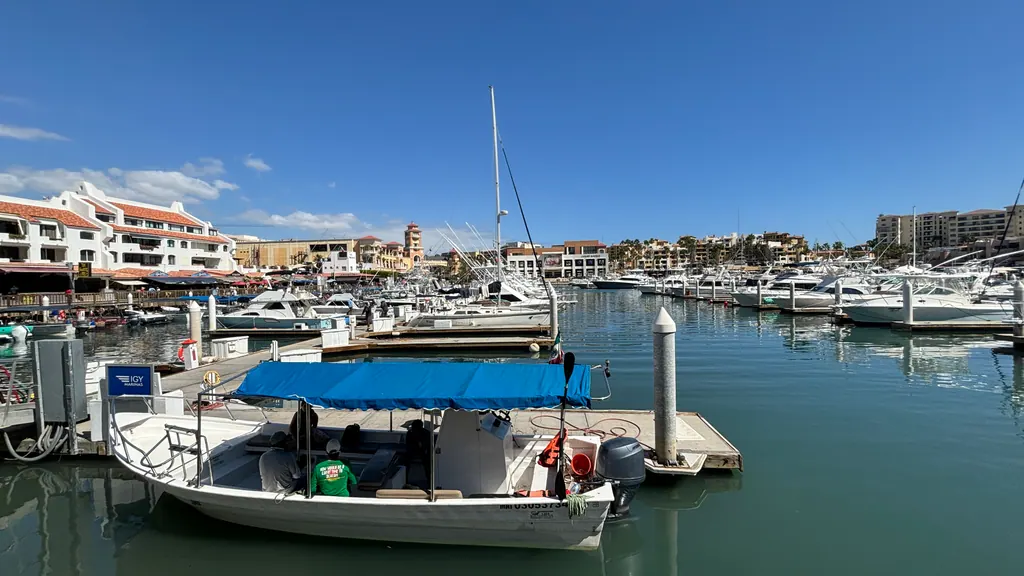
Puerto Vallarta sits in the middle. The Romantic Zone and Marina are not cheap, but this is a large, lived-in city with local buses and plenty of good-value food.
Mazatlán is often the best value. The Golden Zone has tourist prices, but the Mercado Pino Suárez downtown shows what things cost for residents. Pulmonías, the open-air taxis that are a Mazatlán specialty, have no meters, so agree on the price before you get in.
For a broader comparison of the towns themselves, see our guide to Mexico's beach towns, and for buses, colectivos and taxis, getting around Mexico and Central America.
Belize: two dollars that are really one
Belize is the easiest country in the region for an American wallet. The Belize dollar is fixed at 2 Belize dollars to 1 US dollar, according to the Central Bank of Belize, and US dollars are accepted almost everywhere: hotels, restaurants, taxis, tour operators and market stalls. Change is often given in Belize dollars, or in a mix of both.
The important habit is to check which dollar a price is in. A lunch listed at 20 dollars may be BZ$20 (US$10), or US$20 if the place caters to cruise passengers. Asking "US or Belize?" is normal.
Belize is not cheap, though. Many goods are imported, a general sales tax of 12.5 percent applies to most purchases, and hotel bills carry a 9 percent accommodation tax. Rice and beans with stew chicken at a local restaurant might cost around BZ$15-25 (about $7.50-12.50), while resorts on Ambergris Caye charge close to US prices. ATMs in Belize City, San Pedro, Caye Caulker, Placencia and San Ignacio dispense Belize dollars. Cards work at hotels and larger restaurants, but buses, water taxis and small eateries want cash.
Honduras and Roatán: lempiras and dollars
Honduras uses the lempira, which traded at around 26.5 to the US dollar in 2026. On the mainland, lempiras are what you need. On Roatán and the other Bay Islands, US dollars are used side by side with the local currency, and many dive shops, hotels and restaurants price in dollars.
Change may come back in lempiras, and small shops may not be able to break a large note, so bring plenty of small bills. In West End and West Bay, prices feel close to those in Florida; in Coxen Hole and French Harbour, where islanders shop, local eateries and supermarkets are much cheaper.
Roatán costs more than the mainland because almost everything arrives by boat and the economy is built around divers and cruise passengers. Honduras also charges a 15 percent sales tax on most goods and services and 18 percent on alcohol and tobacco, according to PwC's tax summary, and many restaurants add a service charge. Cruise passengers at Mahogany Bay or Coxen Hole can get by on dollars and a card.
Costa Rica: colones, dollars and a strong local currency
Costa Rica uses the colón, and it has two working currencies in practice. Hotels, tour operators, car rental companies and many restaurants in tourist areas price in dollars, while supermarkets, buses, sodas (small local restaurants) and markets price in colones. In 2026, one US dollar bought around 450-460 colones, according to the Central Bank of Costa Rica.
That rate explains much of why Costa Rica feels expensive. In mid-2022, a dollar bought close to 700 colones. Since then the colón has strengthened sharply, so the same local prices now cost an American visitor far more in dollars. Add the structure of a restaurant bill, which usually includes a 13 percent sales tax plus a 10 percent service charge, and a 10,000-colón dinner becomes about 12,300 colones (about $27) once both are added. Look for menus that say "impuestos incluidos" (taxes included); if they do not, expect the extra 23 percent.
Typical 2026 costs: a casado, the rice, beans and meat lunch at a soda, around 4,000-6,000 colones (about $9-13); national park entry for foreigners, set in dollars, mostly around $10-20; guided tours, zip lines and rafting commonly $60-120 or more per person. Pay in colones for everyday purchases, since shops converting dollars on the spot round in their favor, and pay dollar-priced hotels and tours by card in dollars. With the service charge included, extra restaurant tips are optional; guides and drivers do expect one. For the parks and wildlife you are paying for, see our guide to reefs and wildlife of Central America.
Shopping in Cozumel, Costa Maya and other cruise ports
The cruise ports of the Mexican Caribbean are shopping malls with a pier attached. In Cozumel, the waterfront walk into San Miguel passes dozens of jewelry and souvenir shops. Costa Maya's port is a purpose-built complex of shops, restaurants and a pool, a short taxi ride from the fishing village of Mahahual, where the beachfront shops and restaurants are more relaxed and often cheaper.
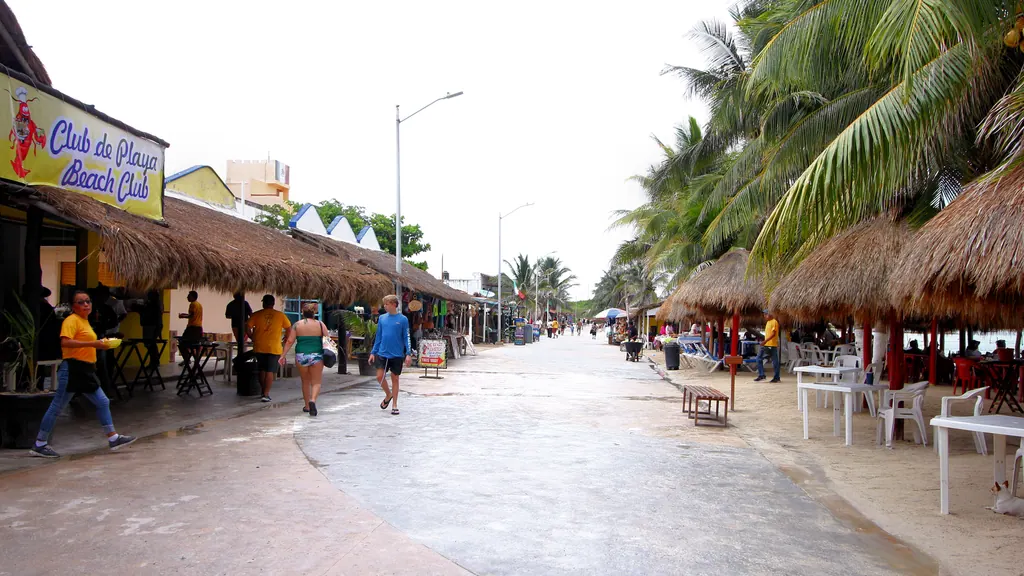
Some useful habits for cruise port shopping:
- Shops right at the pier charge the most. Prices drop a few blocks into town.
- Bargaining is normal at stalls and markets, less so in shops with price tags. Paying in pesos gives you an advantage.
- Silver should be stamped .925. Mexican sterling silver, much of it from Taxco, is a classic buy, but pieces without the stamp may be plated.
- Tequila should say "100% agave" on the label, along with a NOM number that identifies the distillery. Cheaper "mixto" tequilas are made with added sugars.
- Be careful with cheap vanilla. Some inexpensive vanilla sold in Mexico has been found to contain coumarin, which is banned as a food additive in the US. Buy from a reputable brand or store.
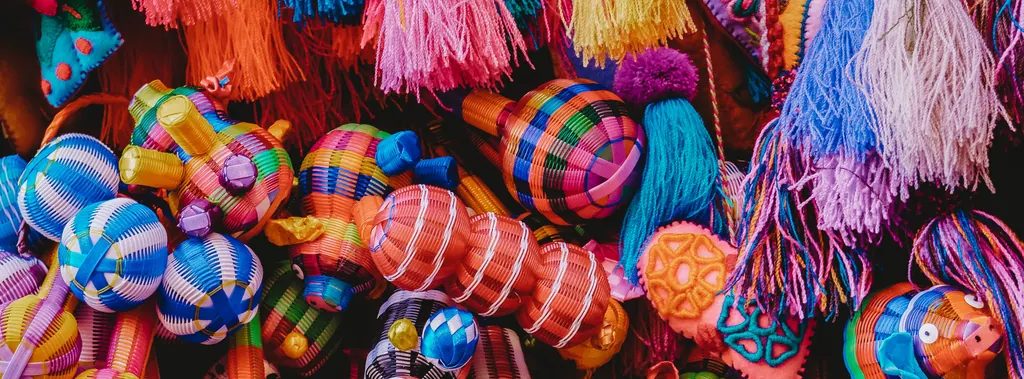
- Good crafts to look for: hand-embroidered blouses, hammocks from the Yucatán, Talavera pottery, Huichol beadwork and alebrijes, the painted wooden animals from Oaxaca.
Away from the ships, Cancún's Mercado 28 has the widest craft selection on that coast, though prices are aimed at visitors and some vendors push hard. Puerto Vallarta's Isla Cuale market is more relaxed.
When you head back to the US, the duty-free personal exemption is $800 per person, including one liter of alcohol, according to US Customs and Border Protection. Foreign cruise passengers in Mexican ports also pay a cruise passenger tax, which rose to $10 per person in August 2026, normally added to the cruise fare. For more on cruising, see our cruises page.
A short money checklist before you go
- Bring a credit card with no foreign transaction fees, a debit card for ATMs and a spare card kept separately.
- In Mexico and Costa Rica, pay in local currency and decline any offer to convert to dollars.
- In Belize and on Roatán, bring a supply of small US bills, and always ask which currency a price is in.
- Use ATMs inside or attached to banks, and withdraw larger amounts less often.
- Keep 500 pesos or so in small notes for taxis and tips on your first day.
If your trip continues to the islands, our guide to money in the Caribbean covers the currencies, pegs and card habits island by island.
Frequently asked questions
Is it better to pay in pesos or dollars in Cancún?
Pesos, almost always. Businesses that accept dollars use their own exchange rate, often 16-17 pesos to the dollar instead of the market rate of about 18.5 in 2026, so paying in dollars typically costs 8-15 percent more.
Should I exchange money before going to Mexico?
It is not necessary. Bank ATMs at the airport and in town give a better rate than most exchange counters in the US. Bringing a small amount of US cash as a backup is sensible.
Do I need Belize dollars if I visit Belize?
Not really. The Belize dollar is fixed at two to one US dollar, and US dollars are accepted almost everywhere. You will often receive change in Belize dollars, so spend those before you leave.
Can I use US dollars in Costa Rica?
Yes, hotels, tour companies and many tourist restaurants price in dollars. For supermarkets, buses and local sodas, colones are better, because shops converting dollars on the spot usually round in their favor.
What does it mean when an ATM asks to convert my withdrawal?
It is offering dynamic currency conversion, charging your card in dollars at the ATM operator's rate. That rate is poor. Decline the conversion and let your own bank convert the pesos.