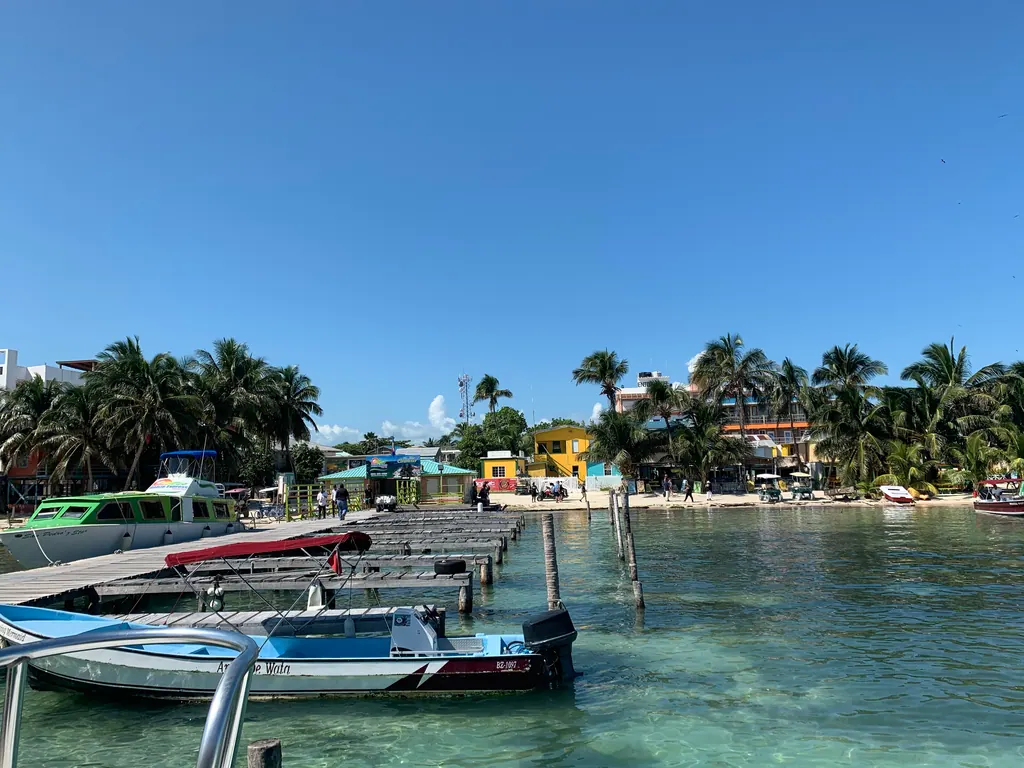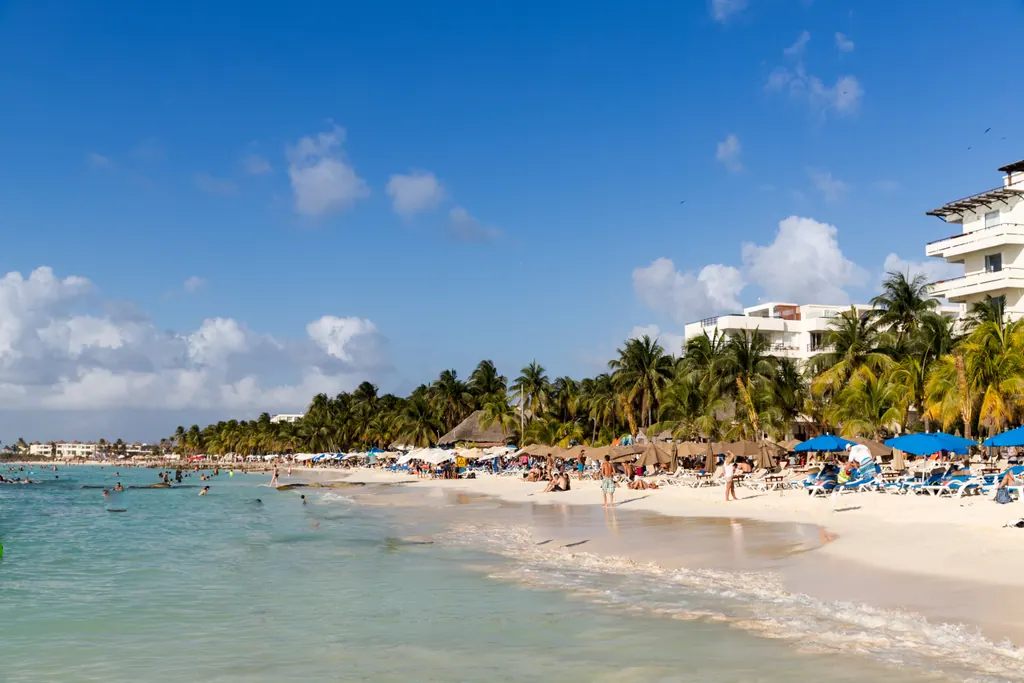
Mexico has two very different beach coastlines, and most first-time visitors only learn that after booking. On one side is the Caribbean: flat turquoise water, white powder sand and a coast built largely around Cancún's airport. On the other is the Pacific: bigger surf, green mountains running down to the sea, humpback whales in winter and towns that were fishing villages long before they had resorts.
The names on the departure board blur together, though. Cancún, Tulum, Cabo, Vallarta, Sayulita, Huatulco. Which one has calm water for small children? Where can you surf, eat well and skip the all-inclusive? Which coast is wrong for a September trip? Below we sort the main beach towns by coast and by the kind of traveler they suit, with the seasons and downsides the brochures leave out.
Caribbean or Pacific: what is the real difference?
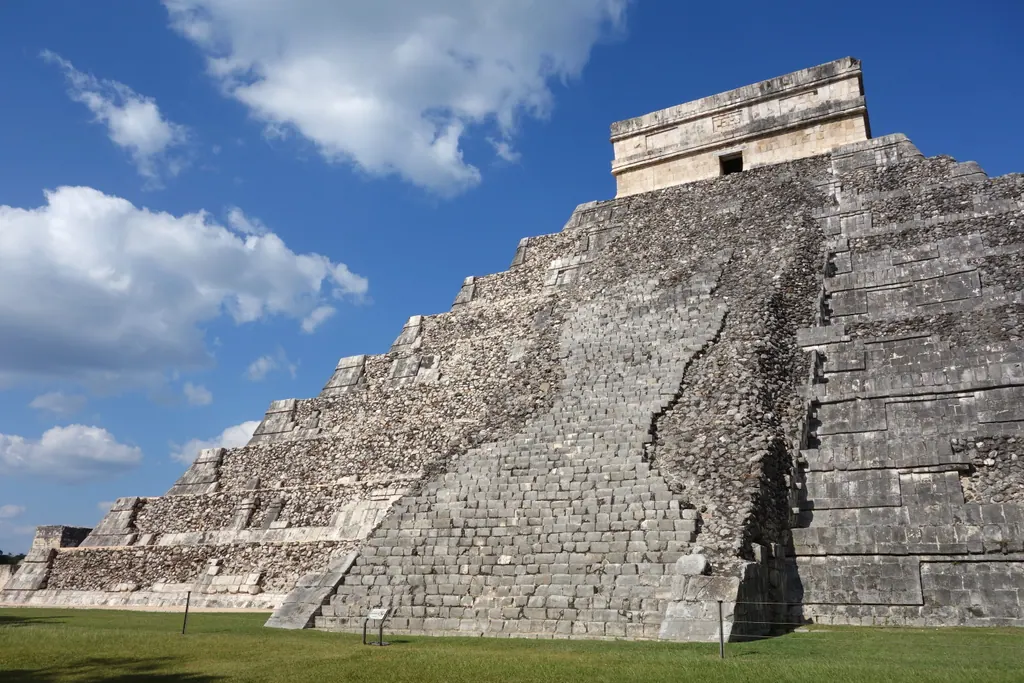
The Caribbean side is the state of Quintana Roo on the Yucatán Peninsula, often marketed as the Mexican Caribbean or the Riviera Maya. The water is warm and mostly calm because the Mesoamerican Reef, the largest barrier reef in the Western Hemisphere, runs offshore and breaks the swell. The land behind it is flat jungle full of cenotes (freshwater sinkholes) and Maya ruins. Almost everyone arrives through Cancún International Airport, which has more international flights than any other airport in Mexico.
The Pacific side runs for well over 1,000 miles, from the tip of Baja California to the Guatemalan border, and each beach town has its own airport. The ocean is cooler, rougher and deeper blue, with real waves. Sunsets happen over the water, which never gets old. The towns are spread far apart, so you usually pick one base rather than hopping between several.
As a rough rule: the Caribbean is for swimming, snorkeling and easy logistics. The Pacific is for scenery, surfing, wildlife and towns with more Mexican daily life in them.
The Caribbean coast, town by town
Cancún is the big, efficient option. The Hotel Zone is a 14-mile sand strip lined with large resorts, with the open sea on one side and a lagoon on the other. Beaches such as Playa Delfines are wide and gorgeous, but the beaches facing east can have strong currents, while the north-facing stretch near Playa Tortugas and Playa Langosta is calmer. Cancún suits families, short trips and anyone who wants an all-inclusive 20 minutes from the airport. Do not expect charm; downtown Cancún is a working city, not a colonial town.
Isla Mujeres sits a 20-minute ferry ride from Cancún's Puerto Juárez terminal. Playa Norte, at the island's northern tip, has shallow, glass-calm water you can wade into for a long way, which makes it one of the best beaches in Mexico for small children. The island is small enough to explore by golf cart and feels slower than Cancún, though day-trippers crowd the center at midday.
Holbox is a car-free island off the north coast, reached by a short ferry from Chiquilá, about two and a half to three hours by road from Cancún. The streets are sand, the transport is golf carts, and from roughly June to September boats go out to swim with whale sharks. The water here is shallower and greener than farther south, and the island has seen fast, sometimes messy growth. Rainy-season mosquitoes can be fierce.
Playa del Carmen is the social center of the Riviera Maya, about 45 minutes south of Cancún airport. Quinta Avenida, a long pedestrian street, runs parallel to the beach and is packed with restaurants and bars. It is the best base if you want to walk to dinner and take day trips to cenotes and ruins. The town beaches themselves are narrower and busier than Cancún's, and resorts in the gated areas north and south of town (Playacar and the Maroma Beach stretch, for example) have the nicer sand.
Cozumel, a 45-minute ferry from Playa del Carmen or a direct flight, is Mexico's best-known dive island, with reef walls protected inside a national park. It is a big cruise port, so the main town of San Miguel changes mood depending on how many ships are in. Much of the east coast is wild and rough; most swimming and snorkeling happens on the sheltered west side.
Tulum has the most famous image on the coast: a Maya site on a cliff above a turquoise beach. Beyond the ruins, the beach road is lined with boutique hotels and design-heavy restaurants, and the town sits a few miles inland. Tulum now has its own international airport, which opened in December 2023, and a stop on the Tren Maya railway. The downsides are prices that rival the United States, patchy infrastructure on the beach road and heavy sargassum in bad years. It suits couples and travelers who care more about atmosphere than resort facilities.
Bacalar is not on the sea at all. It sits on a long freshwater lagoon near Chetumal, close to the Belize border, famous for water that shifts between several shades of blue. There are no waves, no sargassum on the lagoon and a quiet, small-town pace, with kayaking and paddleboarding rather than nightlife. It is about four hours by road from Cancún, or reachable by Tren Maya or via Chetumal's airport.
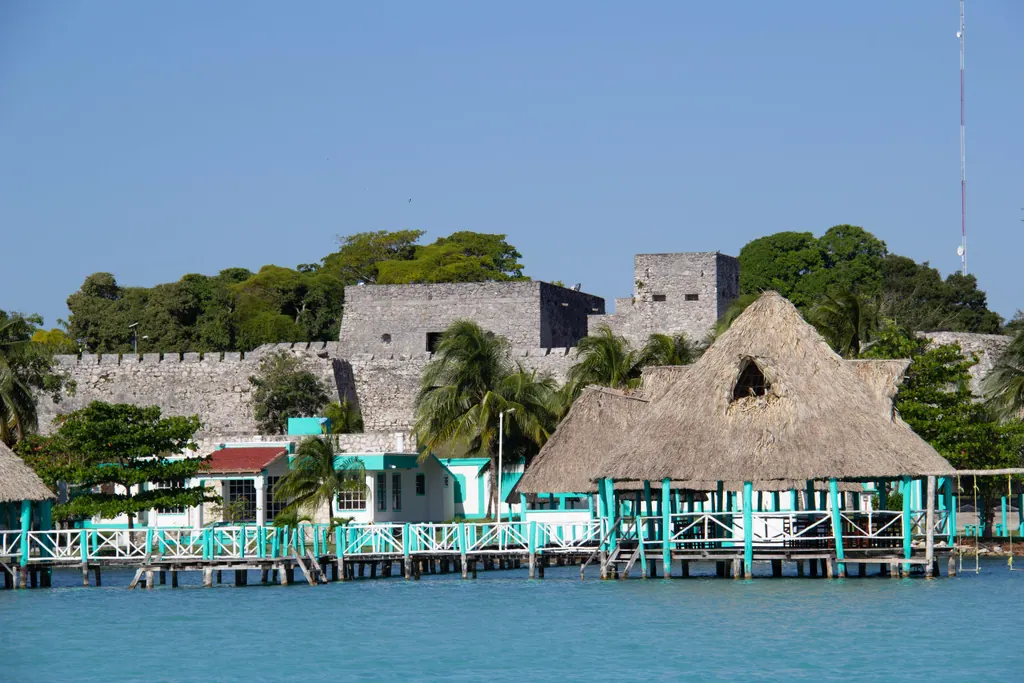
Mahahual and the Costa Maya cruise port are farther south still, a fishing village with a beachfront walkway and a reef close to shore. Outside cruise days it is very quiet. The isolation is the point and the problem: the nearest airport is Chetumal, about two hours away, and options for dining and nightlife are limited.
The Pacific coast, from Baja to Oaxaca
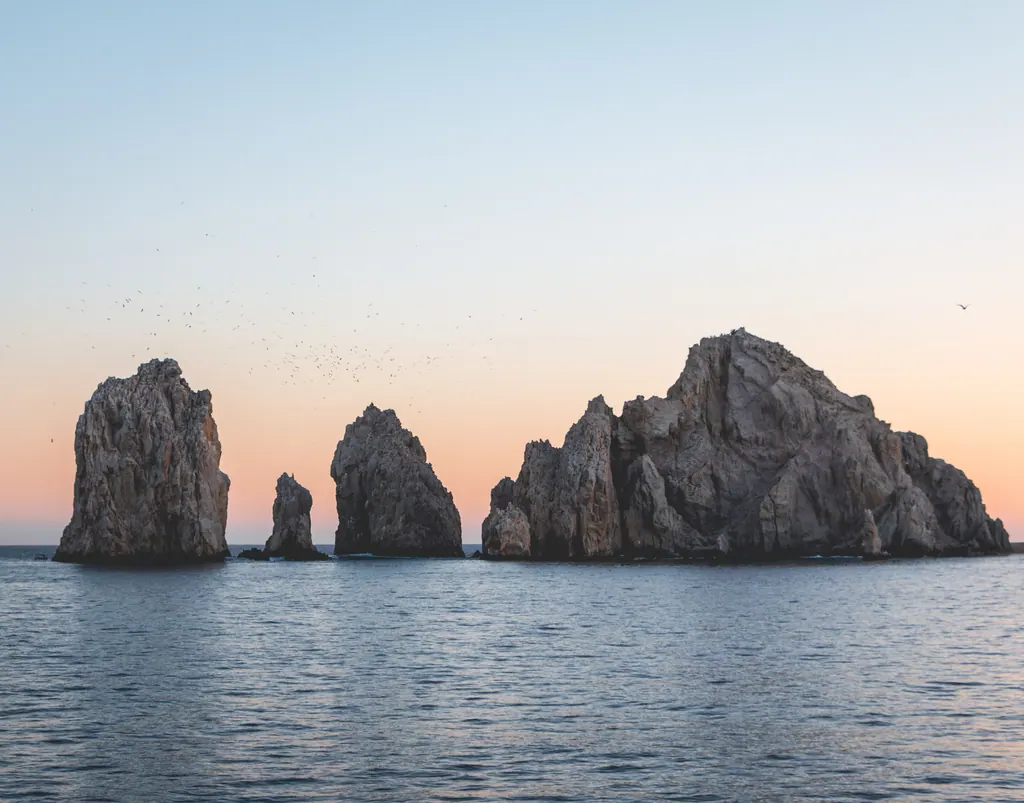
Los Cabos at the tip of Baja California is really two towns joined by a resort corridor. Cabo San Lucas has the marina, the rock arch at Land's End and loud nightlife; San José del Cabo is calmer, with a small historic center and an art district. The desert landscape is dramatic, the golf and fishing are among the best in Mexico, and flights from the western United States are short. The catch: many beaches face open ocean and are dangerous for swimming. Playa El Médano in Cabo San Lucas and protected coves in the corridor such as Chileno Bay and Santa María Bay are the safer options. Cabo is also one of the most expensive beach destinations in Mexico.
Puerto Vallarta sits on Banderas Bay, one of the largest bays in North America, with the Sierra Madre rising right behind the town. It is the best all-rounder on the Pacific: a walkable malecón, a lively old town in the Zona Romántica around Playa Los Muertos, a strong food scene, a well-known LGBTQ+ community and plenty of resorts north of the center. The water in the bay is calmer than the open Pacific, though not Caribbean-clear.
Riviera Nayarit is the coast north of Puerto Vallarta, across the state line in Nayarit but served by the same airport (and, in the Bahía de Banderas area, on the same clock). Nuevo Vallarta is a grid of large all-inclusives about 15 minutes from the airport, good for families who plan to stay on site. Bucerías is a low-key town with a long, flat beach and many winter residents from Canada and the United States. Sayulita, about an hour north, is a surf village with beginner-friendly waves and a bohemian scene, but it gets crowded in high season and water quality has been a recurring complaint after heavy rain. Punta Mita, on the tip of the bay, is a gated luxury enclave with golf courses and high-end resorts, close to the Marietas Islands.
Ixtapa-Zihuatanejo pairs a planned resort strip (Ixtapa) with a real fishing town (Zihuatanejo) about 15 minutes apart. Playa La Ropa in Zihuatanejo's bay is one of the prettiest calm-water beaches on the Pacific. The complication is safety advice: both towns are in the state of Guerrero, which the U.S. State Department rates at its highest warning level (more in the safety section below).
Huatulco, in Oaxaca, was developed around nine bays and more than 30 beaches, many of them inside a national park. It is green, low-rise, clean and quiet, with good snorkeling in sheltered coves. It suits couples and families who want calm water without Cancún-style density. Nightlife is limited, and flight options are fewer than at the bigger resorts.
Puerto Escondido, also in Oaxaca, is one of the world's famous surf towns. Playa Zicatela's heavy beach break is for experts only and dangerous for swimming, but Playa Carrizalillo and Puerto Angelito are sheltered and fine for a dip. The town has a strong backpacker and digital nomad scene, and since a new highway opened in 2024 the drive from Oaxaca City takes around two and a half to three hours instead of six or more.
Mazatlán is the most "city" of the Pacific beach towns: a working port with a restored 19th-century historic center, a long malecón and the Golden Zone (Zona Dorada) hotel strip. It is good value and popular with retirees and snowbirds. Like Ixtapa, it comes with a serious caveat, as it lies in Sinaloa, another state on the State Department's highest warning level.
Mexico's beach towns at a glance
| Town | Coast | Best for | Nearest airport | Watch out for |
|---|---|---|---|---|
| Cancún | Caribbean | Families, short trips, all-inclusives | Cancún (CUN) | Big-resort feel, sargassum |
| Isla Mujeres | Caribbean | Calm shallow water, small children | Cancún + ferry | Midday day-tripper crowds |
| Holbox | Caribbean | Car-free island, whale sharks | Cancún + road + ferry | Long transfer, mosquitoes |
| Playa del Carmen | Caribbean | Walkable town, day trips | Cancún (CUN) | Narrow, busy town beaches |
| Cozumel | Caribbean | Diving, snorkeling | Cozumel (CZM) | Cruise-ship days |
| Tulum | Caribbean | Boutique hotels, ruins, couples | Tulum (TQO) | High prices, sargassum |
| Bacalar | Lagoon | Kayaking, quiet, no waves | Chetumal (CTM) | No sea, little nightlife |
| Mahahual | Caribbean | Isolation, reef close to shore | Chetumal (CTM) | Remote, few services |
| Los Cabos | Pacific (Baja) | Luxury, golf, fishing, nightlife | Los Cabos (SJD) | Unswimmable beaches, cost |
| Puerto Vallarta | Pacific | All-rounder, food, old town | Puerto Vallarta (PVR) | Cloudier water than the Caribbean |
| Riviera Nayarit | Pacific | Surf villages to luxury resorts | Puerto Vallarta (PVR) | Sayulita crowds in high season |
| Ixtapa-Zihuatanejo | Pacific | Calm bays, fishing-town feel | Ixtapa-Zihuatanejo (ZIH) | Level 4 U.S. advisory |
| Huatulco | Pacific | Quiet coves, nature | Huatulco (HUX) | Fewer flights, little nightlife |
| Puerto Escondido | Pacific | Surfing, budget travel | Puerto Escondido (PXM) | Dangerous surf at Zicatela |
| Mazatlán | Pacific | Historic city, value | Mazatlán (MZT) | Level 4 U.S. advisory |
When should you go to each coast?
Both coasts have the same basic rhythm: a dry, sunny winter and a hot, humid, rainy summer. December to April is high season everywhere, with the most reliable weather and the highest prices. Christmas, New Year and Easter week (Semana Santa, when many Mexican families head to the coast) are the busiest and most expensive weeks of the year.
Hurricanes. The Atlantic hurricane season, which affects the Caribbean side, runs from June 1 to November 30. The eastern Pacific season starts earlier, on May 15, and also ends on November 30. On both coasts the highest risk is usually from August to October. Direct hits are rare in any given week, but they happen: Hurricane Odile struck Los Cabos in 2014, and Hurricane Otis devastated Acapulco in 2023. If you travel in late summer or fall, book flexible rates and buy travel insurance.
Sargassum. This brown seaweed washes up on the Caribbean coast in large quantities, mostly from about April to October. It is harmless to touch in the water but smells unpleasant as it rots on the beach. Volumes vary a lot from year to year; 2025 was the heaviest season on record for Quintana Roo, with over 90,000 tons collected according to the state government. Isla Mujeres' Playa Norte and the west coast of Cozumel face away from the open sea and tend to be less affected, and the lagoon at Bacalar is not affected at all. The Pacific coast has no sargassum.
Whales. Winter is the Pacific coast's big advantage. Humpback whales arrive to breed and calve, and licensed whale-watching runs from mid-December to mid-April in Los Cabos and from early December to late March in Banderas Bay, with January to March the peak. You can often see them from the shore. On the Caribbean side, the wildlife highlight is the whale shark season around Holbox and Isla Mujeres in summer.
How do you get there, and how do you move between towns?
On the Caribbean side, nearly everything starts at Cancún airport. From there, shuttles and rental cars run down Highway 307 to Playa del Carmen (about 45 minutes), Tulum (about 1 hour 45 minutes) and Bacalar (about 4 hours). The Tren Maya railway, which opened in stages from 2023, links Cancún airport with Playa del Carmen, Tulum, Bacalar and Chetumal, though schedules are limited, so check timetables before relying on it. Tulum's own airport and the ones in Cozumel and Chetumal have fewer international routes but can save hours.
Note that Quintana Roo charges a state tourist fee, the Visitax, for foreign visitors. It was around 285 pesos (about $15) per person in 2026, paid online or at kiosks before you leave the state.
On the Pacific side, there is no single hub. You fly directly to Los Cabos, Puerto Vallarta, Mazatlán, Ixtapa-Zihuatanejo, Huatulco or Puerto Escondido, usually with direct flights from U.S. and Canadian cities to the first two and a connection through Mexico City for the Oaxaca towns. Combining two Pacific towns usually means another flight; Huatulco and Puerto Escondido, about two hours apart by road, are the main exception.
Is it safe to visit Mexico's beach towns?
The main resort areas see millions of visitors every year with few problems, but the official advice differs a lot by state, and it changes. In the advisory in place in October 2026, the U.S. State Department rated Quintana Roo, Baja California Sur, Nayarit and Oaxaca at Level 2 (exercise increased caution), and Jalisco, home to Puerto Vallarta, at Level 3 (reconsider travel), while stating that there are no restrictions on U.S. government employee travel to Puerto Vallarta. Guerrero (Ixtapa-Zihuatanejo, Acapulco) and Sinaloa (Mazatlán) were at Level 4, do not travel. For Guerrero, the State Department bars its own employees from the whole state, including Ixtapa and Zihuatanejo, while it allows staff to visit Mazatlán only by air or sea and with limits on where they can go.
The UK Foreign Office advises against all but essential travel to Acapulco and notes that Cancún, Playa del Carmen, Tulum, Los Cabos, Puerto Vallarta and Nuevo Vallarta are among the tourist areas with extra government protection, while still warning about crime and caution after dark in some downtown areas. Read both before you book, and see our safety tips for general advice.
So which beach town should you choose?
- Small children and calm water: Isla Mujeres, the calmer north side of Cancún's Hotel Zone, or a family resort in Nuevo Vallarta.
- A first trip with minimal planning: Cancún or Playa del Carmen, thanks to the airport and short transfers.
- Couples who want style: Tulum on the Caribbean side, San José del Cabo or Punta Mita on the Pacific.
- Real town life and good food by the sea: Puerto Vallarta, with Mazatlán as the value choice if the safety advice suits you.
- Surfing and a younger scene: Puerto Escondido or Sayulita.
- Quiet and nature: Huatulco, Holbox or Bacalar.
- Diving and snorkeling: Cozumel, by a wide margin.
- Whales in winter: Los Cabos or Banderas Bay, between January and March.
If you are torn between the coasts, let the month decide. In summer and early fall, the Caribbean's sargassum and both coasts' hurricane risk make Bacalar or a flexible booking the safer bet. From December to April, both sides are at their best, and the Pacific adds whales to the deal. You will find more ideas on our beach holidays page and in our Mexico guides.
Frequently asked questions
Which side of Mexico has better beaches, the Caribbean or the Pacific?
For classic white sand and calm turquoise water, the Caribbean side around Cancún, Isla Mujeres and Tulum is hard to beat. The Pacific has more dramatic scenery, surf and winter whale watching, but rougher water on many beaches.
When is sargassum season in Cancún and Tulum?
Sargassum seaweed usually reaches the Mexican Caribbean from about April to October, with the amount varying a lot from year to year. Winter months are normally clear, and the lagoon at Bacalar and the Pacific coast are not affected.
What is the best month to visit Mexico's beaches?
December to April brings dry, sunny weather on both coasts, and January to March adds humpback whales on the Pacific side. Prices peak around Christmas, New Year and Easter week.
Can you swim at the beaches in Cabo San Lucas?
Only at some of them. Many Los Cabos beaches face the open ocean with strong currents, so stick to calmer spots such as Playa El Médano, Chileno Bay and Santa María Bay, and follow the beach flags.
Do you need a car to get around the Riviera Maya?
No. Shuttles, buses and colectivos connect Cancún, Playa del Carmen and Tulum, and the Tren Maya links the airport with several towns. A car is handy for cenotes and ruins off the main highway.
- U.S. Department of State: Mexico Travel Advisory
- GOV.UK: Mexico travel advice, safety and security
- NOAA National Hurricane Center: Tropical cyclone climatology
- Visit Los Cabos: Whale migration season begins in Los Cabos
- Riviera Maya News: Quintana Roo sargassum season closes with over 91,000 tons
- Tren Maya official website