The first test of any beach trip to Mexico comes before you see the sea. Walk out of arrivals at Cancún, Los Cabos or Puerto Vallarta and you pass a corridor of smiling people offering "transportation", free tours and cold drinks. Some are selling rides, many are selling timeshares, and the price of the next 40 minutes can swing from a few dollars to well over a hundred depending on which door you walk out of.
Getting around this part of the world is easier than it looks once you know the system. Mexico has some of the best long-distance buses in the Americas, a new train across the Yucatán, and fast ferries to its islands. Belize runs on small planes and water taxis, and Honduras' Bay Islands are a ferry ride or a short flight from the mainland. Below we go through the airports, transfers, buses, trains, boats and rental cars, with the prices travelers actually paid in 2026.
Which airport should you fly into?
The airport you choose decides how long your transfer will be. Cancún is by far the busiest gateway and handles the whole Riviera Maya. Tulum has had its own international airport since December 2023, which saves the long drive south if you are staying in Tulum or farther down the coast.
| Airport | Code | Main destinations | Typical drive |
|---|---|---|---|
| Cancún | CUN | Cancún, Puerto Morelos, Playa del Carmen, Tulum | 20 min to the Hotel Zone, about 1 hour to Playa del Carmen |
| Tulum | TQO | Tulum, Bacalar | About 30-40 min to Tulum town |
| Cozumel | CZM | Cozumel | 5-10 min to San Miguel |
| Los Cabos | SJD | San José del Cabo, Cabo San Lucas | 40-55 min to Cabo San Lucas |
| Puerto Vallarta | PVR | Puerto Vallarta, Nuevo Vallarta, Sayulita, Punta Mita | About 1 hour to Sayulita or Punta Mita |
| Ixtapa-Zihuatanejo | ZIH | Zihuatanejo, Ixtapa | 15-25 min |
| Huatulco | HUX | Huatulco, Zipolite, Mazunte | About 1 hour to Zipolite |
| Puerto Escondido | PXM | Puerto Escondido | 10 min to town |
| Belize City | BZE | Belize, the cayes | 30 min to Belize City |
| Roatán | RTB | Roatán, Utila | About 20 min to West End |
Not sure which coast to choose? Our comparison of Mexico's beach towns goes through the differences in style, crowds and price.
What does an airport transfer really cost?
At Cancún, the official airport taxis sell fixed fares from booths inside the terminals, and you pay before you get in. They are safe but expensive: travel sites listed around $40 for a car to the Hotel Zone and $60-85 to Playa del Carmen in 2026, and Riviera Maya News reported private transfer prices of around 1,500 pesos (about $85) for a single passenger. The budget option is the ADO bus, which leaves from outside the main terminals. A ticket to downtown Cancún cost around 140 pesos (about $8) in 2026, and to Playa del Carmen around 220 pesos (about $12). The catch is that the bus drops you at the bus station, not your hotel, so you still need a short taxi ride at the other end.
Puerto Vallarta has a well-known shortcut. The airport taxis charge a zone fare that is higher than city taxis, but if you walk out of the terminal and cross the pedestrian bridge over the highway, you reach the street where ordinary taxis and buses stop. From there, the Compostela line buses marked "Sayulita" cost around 55 pesos (about $3) and take 60-90 minutes, while airport taxis to Sayulita were quoted at around 1,400-1,900 pesos (about $80-105) for a car in 2026. Buses marked "Punta de Mita" run along the same highway toward Punta Mita.
Los Cabos is the most car-focused of the big airports. Shared shuttles to Cabo San Lucas cost about $20-25 per person and are usually priced in dollars, while a private SUV starts at around $80-100. The local Ruta del Desierto bus between San José del Cabo and Cabo San Lucas cost 45 pesos (about $2.50) after a fare increase at the end of 2024.
The rule that saves the most money everywhere: book your transfer before you fly, or know exactly where the official taxi booth and bus stand are. Anyone who approaches you in the arrivals hall offering a "free" ride is usually selling something else.
How good are the buses?
Very good, at least on the main routes. ADO and its premium brands run first-class coaches between almost every town on the Yucatán Peninsula and across the rest of Mexico, with reserved seats, toilets and air conditioning that is often turned up high enough to need a sweater. The UK Foreign Office notes that first-class buses on toll roads have far fewer security incidents than second-class buses on free roads, which is one more reason to pay the small difference.
For short hops, the white colectivo vans are the local favorite. On the Riviera Maya they run up and down Highway 307 and stop wherever you wave them down. The ride from Playa del Carmen to Tulum cost around 60 pesos (about $3.50) in 2026, and you pay the driver in cash, ideally with small bills. They also stop at Puerto Morelos and the cenotes along the way. On the Oaxaca coast, colectivos and shared pickup trucks link Pochutla with Zipolite and Mazunte.
City buses are cheaper still. In Cancún, the R-1 and R-2 run the length of the Hotel Zone and cost around 12 pesos (well under $1) in 2026. Drivers rarely have change for large notes and do not take dollars.
Is the Tren Maya worth taking?
The Tren Maya is Mexico's new railway around the Yucatán Peninsula, running about 1,554 km through five states, with 34 stops including Cancún Airport, Playa del Carmen, Tulum, Bacalar, Chetumal, Mérida, Campeche and Palenque. Foreign visitors pay a separate "international" fare that is higher than the price for Mexicans.
| Route (one way) | International fare, October 2026 |
|---|---|
| Cancún to Playa del Carmen | around 232 pesos (about $13) |
| Playa del Carmen to Tulum | around 246 pesos (about $14) |
| Cancún Airport to Chetumal | around 1,269 pesos (about $72) |
| Cancún to Mérida | around 1,401 pesos (about $80) |
| Cancún to Palenque | around 2,226 pesos (about $125) |
The train is comfortable and works best for longer legs such as Mérida or Palenque, which also makes it a good fit for a trip around the Maya ruins of the Yucatán. It has weaknesses too. Several stations sit outside the towns they serve, departures on some sections are few, and the Cancún Airport station lies across Highway 180 from the terminals, connected by a shuttle bus. For the short coastal trips, the ADO bus is often just as quick and drops you closer to the center. Check the timetable on the official Tren Maya site before you build a day around it.
How do you reach the Mexican islands?
Isla Mujeres is the easiest. Ultramar's fast ferries leave from Puerto Juárez, just north of downtown Cancún, roughly every half hour during the day, and the crossing takes about 20 minutes. The round trip cost around 580 pesos (about $33) for a tourist in 2025, including an environmental fee. Boats from the Hotel Zone piers are more convenient but cost more. On the island, most visitors get around by golf cart, scooter or taxi.
Cozumel is reached from Playa del Carmen in about 35-45 minutes. Ultramar and Xcaret's ferry line both run the route, with one-way tickets from around 320 pesos (about $18) in 2026. Their tickets are not interchangeable, so buy your return with the same company, and note that the last boats back to Playa leave around 8 p.m. Cozumel's taxis charge fixed fares set by zone; ask the price before you get in.
Holbox takes more effort. The island has no cars, so you leave the road at the village of Chiquilá and take a 20-30 minute ferry, run by two companies, for around 300 pesos (about $17) one way. ADO buses from downtown Cancún to Chiquilá take around 2.5-3 hours with only a few departures a day, so a shared shuttle can make sense if you are coming straight from the airport. On the island you walk, cycle or hire a golf-cart taxi.
Should you rent a car in Mexico?
On the Yucatán Peninsula, the Riviera Nayarit and in Baja California Sur, a car gives you real freedom: cenotes before the tour buses, empty beaches, and ruins at opening time. The roads in these areas are generally good, but a few things catch first-time drivers out.
- Insurance. Mexican third-party liability insurance is required, and the cheap headline prices on booking sites often leave it out. Expect the real daily price at the counter to be much higher than the online quote unless liability is clearly included. Insurance from home generally has no standing in Mexico.
- Topes. Speed bumps, called topes, sit at the entrance to almost every village and are sometimes unmarked. Slow down whenever you see houses.
- Toll roads. The cuota (toll) highways, such as the one between Cancún and Mérida, cost money but are faster and safer than the libre (free) roads. The UK Foreign Office advises using toll roads whenever possible and avoiding isolated roads.
- Police stops. The Foreign Office warns that some officers have extorted money from tourists for minor offenses, and that fake police have targeted rental cars. Do not hand over cash or your passport. Ask for a written fine to pay later, and note the officer's name and badge number.
- Help on the road. The Ángeles Verdes (Green Angels), a free roadside assistance service run by Mexico's tourism ministry, can be reached on 078 on federal highways.
- Night driving. Avoid it outside the cities. Livestock, unlit vehicles and topes are hard to see after dark.
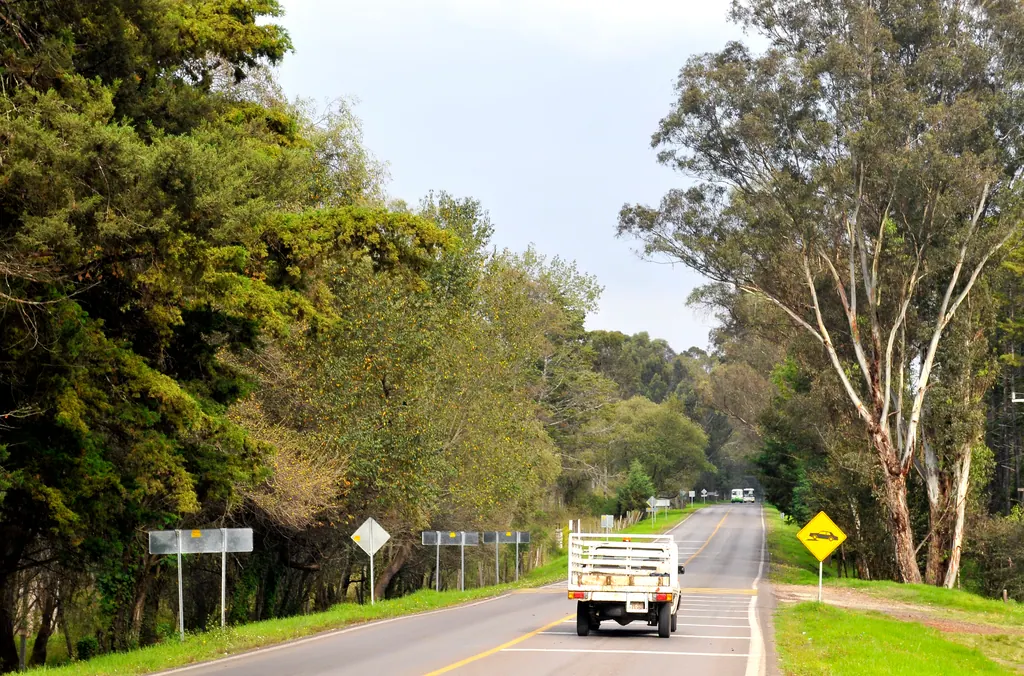
Driving down from the United States is a bigger undertaking. In Baja California and within a narrow border zone you need no extra paperwork for the car, but for the mainland interior, including the Yucatán Peninsula, you need a temporary vehicle import permit from Banjercito, Mexico's military bank. It can be applied for online in advance and requires a refundable deposit that depends on the age of the car, plus Mexican insurance. The drive from the Texas border to Cancún is well over 2,000 km and takes several days. Some of the northern border states carry strong warnings in U.S. and UK travel advice, so plan the route with care and read our safety coverage before you go.
On the Oaxaca coast, the new highway from Oaxaca city to Puerto Escondido opened in February 2024 and cut a winding drive of more than six hours to around 2.5-3 hours.
When does a domestic flight make sense?
Mexico is large, and the bus from Cancún to the Pacific coast takes well over a day. Volaris, Viva Aerobus and Aeroméxico link the beach airports, mostly via Mexico City, Guadalajara or Monterrey. A typical combination is a week on the Caribbean followed by Puerto Escondido or Huatulco, or a Puerto Vallarta trip with a few days in Mexico City. The budget airlines' base fares are low, but checked bags and seat selection cost extra, so compare the full price.
Belize: small planes and water taxis
Belize is small, but its roads are slow and most visitors are heading for the islands. International flights land at Philip Goldson International (BZE) outside Belize City. From there, two domestic airlines, Tropic Air and Maya Island Air, fly single-engine planes to San Pedro on Ambergris Caye in about 15 minutes, as well as to Caye Caulker, Dangriga, Placencia and Punta Gorda. Round-trip fares from Belize City to San Pedro on Tropic Air's own site ranged from about BZ$134 to BZ$420 (about $67-210) in 2026, depending on the date. Flights from the small municipal airstrip in Belize City are usually cheaper than those from the international airport. After a hijacking on a domestic flight in April 2025, security at the airstrips was tightened, so allow a little extra time.
The cheaper way to the cayes is the water taxi from Belize City. A round trip to San Pedro with San Pedro Belize Express cost BZ$83 (about $41.50) after an increase in April 2026, and the boat stops at Caye Caulker on the way. On San Pedro and Caye Caulker, golf carts, bicycles and your own feet do the rest.
Placencia, on the southern coast, is a short flight from Belize City, usually with a stop in Dangriga, or a drive of around three hours. Bus travelers can ride to Independence and cross the lagoon on the small Hokey Pokey water taxi. Belize's buses are cheap, but the Foreign Office describes them as poorly maintained. Taxis must have green license plates; agree the price before you get in and pay in cash. Belize's currency is pegged at BZ$2 to $1, and U.S. dollars are accepted almost everywhere. More on the country is on our Belize page.
Roatán and Utila: the Honduran Bay Islands
Roatán's Juan Manuel Gálvez International Airport (RTB) has direct flights from several U.S. cities, so most visitors never set foot on the mainland. The alternative is to fly or bus to La Ceiba and take the ferry. The Galaxy Wave crosses to Roatán in about 70-90 minutes for around 800 lempiras (about $31) one way in regular class, as listed in October 2026, and the Utila Dream ferry makes the shorter run to Utila. Both quote their fares in dollars, and a small port fee is charged on top. The channel can be rough, and sailings are canceled in bad weather.
On Roatán, taxis do not use meters. Agree the fare first, and make clear whether you want a private ride or a shared colectivo taxi, which is far cheaper. Shared minibuses run along the main road during the day, and water taxis shuttle between West End and West Bay Beach. Utila is small enough to cover on foot, by bicycle or by tuk-tuk.
What saves the most time and money?
- Book the first transfer in advance. After a long flight, a fixed price and a name on a sign beat negotiating at the curb.
- Use buses for city-to-city trips. ADO is comfortable and costs a fraction of a private transfer.
- Carry small notes. Colectivos, city buses, ferry fees and island taxis run on cash, in pesos, Belize dollars or lempiras.
- Check the last boat home. Island day trips end at the ferry timetable, not at sunset.
- Rent a car only for the days you need it. It is ideal for a loop to cenotes and ruins, but a burden in Playa del Carmen or Cabo San Lucas, where parking is scarce.
For more practical advice on money, insurance and entry rules, browse our travel tips or start with our Mexico page.
Frequently asked questions
Is Uber available at Cancún airport?
Ride-hailing apps operate in Cancún, but airport pickups are contentious and local taxi drivers have protested against them. Most travelers use the official airport taxis, the ADO bus or a pre-booked transfer instead.
Can you pay for buses and colectivos in Mexico with US dollars?
Not reliably. ADO stations accept cards, but colectivos and city buses take cash in pesos, ideally small notes. Drivers rarely have change for large bills.
Do I need an international driving permit to rent a car in Mexico?
Rental companies in Mexico generally accept a valid US, Canadian or UK photocard license. What catches people out is insurance: Mexican third-party liability cover is required and is often not included in online quotes.
How do you get from Cancún to Belize?
Overland, take the ADO bus or the Tren Maya to Chetumal, then a bus across the border to Belize City, or a water taxi from Chetumal to San Pedro and Caye Caulker. Regional flights also link Cancún with Belize City. Check schedules before you set out, as they change often.
Is the ferry from La Ceiba to Roatán rough?
It can be. The channel is exposed, and many passengers feel seasick in windy weather. Sit low and toward the middle of the boat, and expect cancellations when the sea is very rough.
- Crónica: Tren Maya 2026 fares (October 2026)
- GOV.UK: Mexico travel advice, safety and security
- GOV.UK: Belize travel advice, safety and security
- The San Pedro Sun: Water taxi and airline fares increase across Belize (April 2026)
- Riviera Maya News: Ultramar ferry fares on key Quintana Roo routes
- Consulate of Mexico in Laredo: Temporary vehicle import permits
- Crónica: Ángeles Verdes roadside assistance in summer 2026
- Tropic Air: Flights from Belize City to San Pedro