The bill arrives in Mexico City with a line you have not seen before: propina sugerida. In Bogotá, the waiter asks whether you want to include el servicio. In San José, a 10 percent charge is already there, printed between the subtotal and the tax, and in Buenos Aires the card machine may not offer a tip option at all. Same region, mostly the same language, and several different rules.
Tipping across Mexico, Central America and South America is less about generosity than about reading the bill correctly. Some countries build a service charge into the law, some only allow a suggestion, and some leave everything to you. Get it wrong and you either tip twice or not at all. Below we go through what is normal in each country, who else expects something besides waiters, and the few phrases that make it easier.
Why the bill looks different in every country
Across most of the region, tipping is customary but voluntary, and the details live in national consumer and labor law. That is why the same 10 percent can be mandatory in one country, a suggestion in the next, and a cap in a third.
Three types of line show up on restaurant bills:
- A legal service charge. Costa Rica adds a fixed 10 percent by law. Ecuador's formal restaurants commonly add 10 percent service on top of tax. In these places the tip is already paid, and anything extra is a bonus.
- A suggested tip. Chile, Colombia, Mexico, Guatemala and Brazil often print a suggested amount, usually 10 percent. It goes to the staff, but you can accept it, change it or remove it.
- Nothing at all. In Argentina, Uruguay, Belize and Peru (outside upscale places), the bill usually shows just the food, the drinks and the tax, and the tip is up to you.
Tipping country by country
| Country | Restaurants | What is usually on the bill | Taxis | Cash tips in |
|---|---|---|---|---|
| Mexico | 10-15% | Sometimes a propina sugerida, voluntary | Not expected, round up | Pesos |
| Belize | 10-15% | Sometimes a service charge, check first | Not expected | Belize dollars or US dollars |
| Guatemala | 10% | Often a 10% propina sugerida, voluntary | Not expected | Quetzales |
| Costa Rica | Nothing extra required | 10% service charge by law, plus 13% VAT | Not expected | Colones or US dollars |
| Panama | 10% | Often a 10% service charge | Not expected | US dollars |
| Colombia | 10% | 10% servicio voluntario, you are asked | Not expected, round up | Pesos |
| Ecuador | Small extra on top | 10% service plus 15% VAT in formal places | Not expected | US dollars |
| Peru | 10% | Upscale places may add a recargo al consumo | Not expected | Soles |
| Chile | 10% | 10% propina sugerida, you are asked | Not expected | Pesos |
| Argentina | 10% | Usually nothing, sometimes a cubierto (cover) | Round up | Pesos, in cash |
| Uruguay | 10% | Usually nothing, sometimes a cubierto | Round up | Pesos |
| Brazil | Usually covered | 10% serviço, optional | Round up | Reais |
The table gives the norm in sit-down restaurants. Street food stalls, market counters and simple local eateries rarely expect a tip anywhere in the region, though leaving the coins is always welcome.
Mexico: propina sugerida and the people you might forget
Visitors from the United States and Canada often overtip in Mexico's restaurants and forget the smaller tips that matter most. In restaurants, 10 percent is the baseline and 15 percent is normal for good service in tourist areas such as Cancún, Playa del Carmen, Tulum and Mexico City's Roma and Condesa neighborhoods. Twenty percent is a US habit, not a Mexican one.
Mexico's consumer protection agency, Profeco, has repeatedly reminded businesses that a tip is voluntary and cannot be added to the bill without the customer's consent. If you see a propina or servicio line you did not agree to, you can ask to have it removed. If you are happy with it, simply do not add a second tip on top.
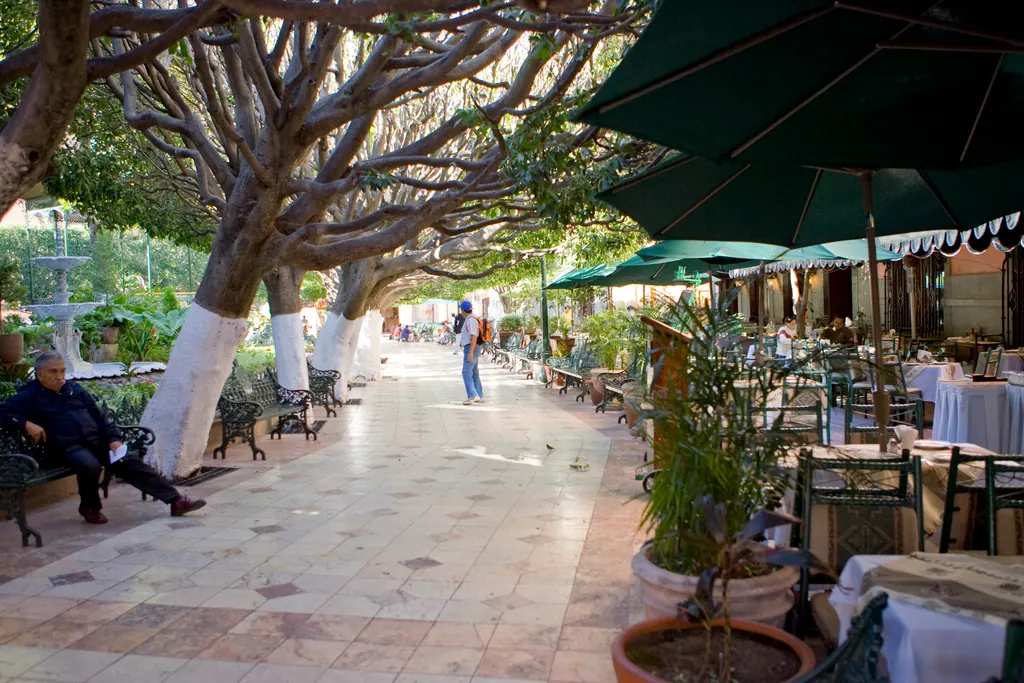
When paying by card, the waiter usually brings the terminal to the table and asks ¿cuánto de propina? before running the payment. Say the percentage or amount and it is added to the charge. Cash in pesos still reaches the staff most directly, so it is worth carrying some smaller notes. Our guide to money in Mexico and Central America covers cards, ATMs and how much cash to bring.
Then there are the tips that are easy to miss:
- Gas station attendants. Mexican gas stations are full service. If the attendant cleans the windshield or checks the tires, 10-20 pesos (about $0.50-1) is a normal thank you. A fill-up on its own needs no tip.
- Supermarket baggers. The people packing your groceries at chains like Walmart, Soriana and Chedraui are often older volunteers or teenagers who work for tips alone. A few pesos, 5-10 pesos (about $0.25-0.50), is standard.
- Hotel housekeeping. Around 50-100 pesos (about $3-5) per night is common at mid-range and resort hotels. Leave it daily rather than at the end, since staff rotate.
- Parking helpers. The viene viene who waves you into a street parking spot usually expects 10-20 pesos (about $0.50-1).
- Mariachis and street musicians. If you request a song, agree on a price first. If they simply play nearby, tipping is optional.
At all-inclusive resorts in the Riviera Maya and Los Cabos, tips are officially included, though many guests still leave small amounts for bartenders and housekeeping. If you are driving yourself between towns, our article on getting around Mexico and Central America explains toll roads and gas stations.
Central America: from Belize to Panama
Belize
Belize uses the Belize dollar, pegged at 2 to the US dollar, and US dollars are accepted almost everywhere. Some restaurants and hotels, particularly on Ambergris Caye and Caye Caulker, add a service charge, so read the bill first. Where nothing is added, 10-15 percent is the norm. Tips in US dollars are fine, but if you pay in Belize dollars, be clear about which currency a price is in, because both use the dollar sign. Divemasters, snorkel guides and the guides at sites like Xunantunich and Caracol, which we cover in our piece on the Mayan ruins of the Yucatán and Belize, usually receive around 10 percent of the trip price.
Guatemala
Many restaurants in Antigua, Guatemala City and around Lake Atitlán print a 10 percent propina sugerida on the bill. It is voluntary, and Guatemala's consumer protection office, DIACO, has said businesses cannot force it. If it is already there and the service was fine, that is the tip. Smaller comedores rarely add anything; leaving some change is appreciated.
Costa Rica
Costa Rica is the clearest case in the region. By law, restaurants add a 10 percent service charge (servicio) to every table bill, calculated before tax, and that money goes to the staff. On top comes 13 percent VAT. Unless the menu says taxes and service are included, expect the total to be about 23 percent above the listed prices. The law also says anything beyond the 10 percent is a voluntary tip and cannot be added to the bill by the restaurant. Most Costa Ricans pay the bill as it is. Visitors who had excellent service sometimes leave a little extra in cash, but nobody expects it.
Outside restaurants it is a different story. Nature guides in places like Monteverde, Manuel Antonio and Tortuguero work largely on tips, and around 2,500-5,000 colones (about $5-11) per person for a half-day or full-day tour is a common guideline. Tips in US dollars are widely accepted.
Panama
Panama uses the US dollar. Many restaurants in Panama City and Bocas del Toro add about 10 percent as a service charge, and Panama's consumer agency, Acodeco, has stressed that tips remain voluntary. The thing to watch for is the double tip: a 10 percent charge on the bill, followed by a card terminal that asks for a tip again. If the service charge is there, you can skip the terminal prompt.
Colombia, Ecuador and Peru
Colombia
Colombia has rules that are unusually clear. Under Law 1935 of 2018, a tip is voluntary, the restaurant may suggest it, and a suggested tip may not exceed 10 percent of the bill. In practice, the waiter asks ¿desea incluir el servicio? when bringing the bill or the card terminal. Saying yes adds 10 percent, and that is the standard tip in Bogotá, Medellín and Cartagena. You can also say no, or ask for a different amount. Taxi drivers do not expect tips, though rounding up is common, and guides on walking tours and coffee farm visits rely on tips.
Ecuador
Ecuador uses the US dollar. In formal restaurants, the bill usually shows a 10 percent service charge plus 15 percent VAT, the rate that has applied since April 2024. With the service charge already included, a small extra in cash for good service is a gesture, not a requirement. In simple restaurants offering a set almuerzo, there is usually no service charge and leaving the change is enough.
The big tipping question in Ecuador is the Galápagos. Cruise and land tour operators normally publish their own tipping guidelines for the naturalist guide and the crew, and on a multi-day boat trip, tips can add up to a noticeable sum. Ask the operator for their suggested amount before you book so it does not come as a surprise at the end.
Peru
Peru's restaurants in Lima and Cusco vary. Simple places add nothing, and 10 percent is a generous tip. Some upscale restaurants and hotels add a recargo al consumo, a consumption surcharge that goes into a staff fund, and it can be 10 percent or more. If you see it, you do not need to add a full tip on top. On the Inca Trail and other multi-day treks, tips for porters, cooks and guides are a real part of their income. Trekking companies generally give a suggested amount per hiker, and the tips are often collected and handed over on the last evening.
Chile, Argentina and Uruguay
Chile
Chilean law requires restaurants, bars and cafés to suggest a tip of at least 10 percent on the bill, as a specific amount. The waiter will usually ask ¿incluyo la propina? before running your card. Chile's consumer agency, Sernac, is clear that the tip remains voluntary, but 10 percent is what almost everyone pays. Since 2016, the law has also required that tips go in full to the staff. Taxi drivers in Santiago do not expect a tip.
Argentina
With inflation running high in recent years, peso prices change fast, so think in percentages. The custom is simple: about 10 percent in restaurants and cafés, and it is not mandatory. Since a 2024 decree (DNU 731/2024), restaurants and hotels are supposed to let you add the tip by card or digital wallet, but many waiters in Buenos Aires still prefer cash, and many card terminals still offer no tip option. Leaving the tip in pesos, in cash, on the table or in the bill folder is the most reliable approach.
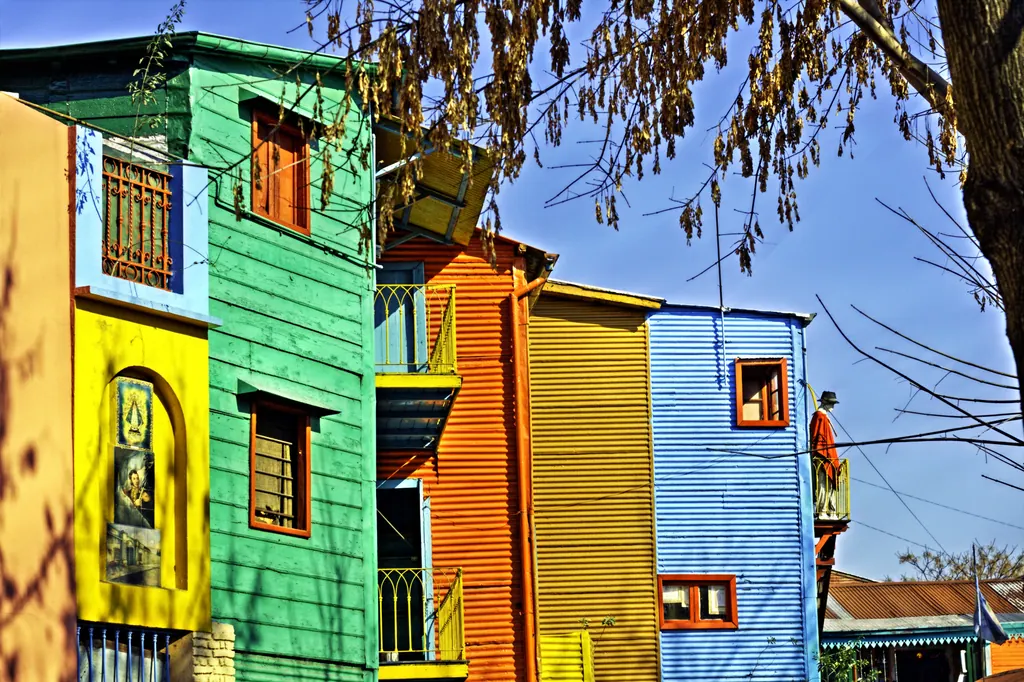
The line on the bill that confuses visitors is the cubierto, a per-person cover charge for bread and table service. It is not a tip and does not replace one. Walking tour guides in La Boca and San Telmo, hotel porters and winery guides in Mendoza are used to small tips, and taxi fares are usually rounded up.
Uruguay
Uruguay follows the Argentine pattern: around 10 percent in restaurants, sometimes a cubierto, and usually no service charge. In recent years Uruguay has offered visitors a VAT reduction on restaurant meals paid with a foreign card, extended several times. It is worth checking whether it applies when you travel, because it can make paying by card cheaper than paying cash, though you then need some cash for the tip.
Brazil: the 10 percent serviço
Brazil uses the real. Most restaurants in Rio de Janeiro, São Paulo and Salvador add a 10 percent serviço or taxa de serviço to the bill. Under Brazilian consumer law it is optional, and a 2017 law regulates how it is shared among staff. Nearly everyone pays it, and that is the tip. There is no need to add anything extra unless the service was exceptional.
Two other lines can appear. A couvert is a charge for the bread, olives or small starters put on the table, and you can send them back if you do not want them. A couvert artístico is a cover charge for live music, which must be announced in advance. Beach kiosk staff, hotel porters and drivers on day trips appreciate small tips, and rounding up taxi fares is common.
Tour guides, drivers and hotel staff across the region
Restaurants are only part of the picture. Across Latin America, the people who rely most on tips are often outside the dining room:
- Day tour guides: about 10 percent of the tour price, or around $5-10 per person per day in local currency, more for private tours.
- Drivers on tours and transfers: a smaller amount than the guide, often half.
- Free walking tours: these are tip-based, and the guide earns nothing else. Pay what the tour was worth to you.
- Hotel porters and housekeeping: a small note per bag, and a small daily amount for the room, left with a note so it is clear who it is for.
- Taxis: almost nowhere expects a tip, but rounding up is normal. App rides through Uber, DiDi or Cabify include an in-app tip option.
If you are used to North American tipping, this is a more relaxed system overall. Our guide to tipping in the USA and Canada shows how different the expectations are there, and if your trip continues to the islands, see tipping in the Caribbean.
How to tip without overpaying
A few habits make tipping across the region simple:
- Read the bill before you reach for your wallet. Look for servicio, propina, serviço, recargo or cubierto, and ask what it means if you are unsure.
- Do not tip twice. If a service charge is on the bill, skip the tip prompt on the card terminal, or add only a small extra in cash.
- Carry small notes in local currency. Waiters, guides and baggers can use local cash immediately. US dollars work in Ecuador, Panama and much of Belize and Costa Rica, but coins are useless to staff elsewhere.
- Learn two phrases. ¿El servicio está incluido? (Is service included?) and Sin propina, gracias (No tip, thanks) cover most situations in Spanish. In Brazil, O serviço está incluído? does the same job.
- Tip people, not percentages. A guide who spent a full day with you deserves more than the arithmetic of a lunch bill.
For more on handling money on the road, browse our money and tipping guides or the rest of our travel tips.
Frequently asked questions
Do you tip in Mexico if propina is already on the bill?
No. If the bill already shows a propina or servicio line and you accept it, that is the tip. Mexico's consumer agency Profeco says it cannot be added without your consent, so you can also ask to have it removed and tip your own way.
Is the 10 percent service charge in Costa Rica mandatory?
Yes. Costa Rican law requires restaurants to add a 10 percent service charge to table bills, calculated before the 13 percent VAT. Anything you leave beyond that is a voluntary extra.
Should I tip in US dollars in Latin America?
In Ecuador, Panama and El Salvador the dollar is the local currency, and in Belize and Costa Rica dollar notes are widely accepted. Elsewhere, tip in local currency, since staff lose money exchanging small dollar amounts and cannot exchange coins at all.
Can I add a tip to my card in Argentina?
A 2024 decree requires restaurants and hotels to allow tips by card or digital wallet, but many card terminals still do not offer the option. Cash in pesos remains the easiest and most common way to tip.
How much do you tip a tour guide in South America?
Around 10 percent of the tour price, or roughly $5-10 per person per day in local currency, is a common guideline. On multi-day treks and Galápagos cruises, ask the operator for its suggested amount before you book.
- Ley 1935 de 2018 on the nature and use of tips (Función Pública, Colombia)
- Ley 4946, restaurant service charge (Costa Rica, Justia)
- Director Regional del Trabajo de Aysén on tips and how they are paid (Ministerio del Trabajo, Chile)
- How much to tip in a bar or restaurant in Argentina (Argentina.travel)
- Profeco: tips are not mandatory in restaurants, bars and hotels (Uno TV)
- Te cobraron la propina obligatoria? Acodeco on refunds (La Estrella de Panamá)