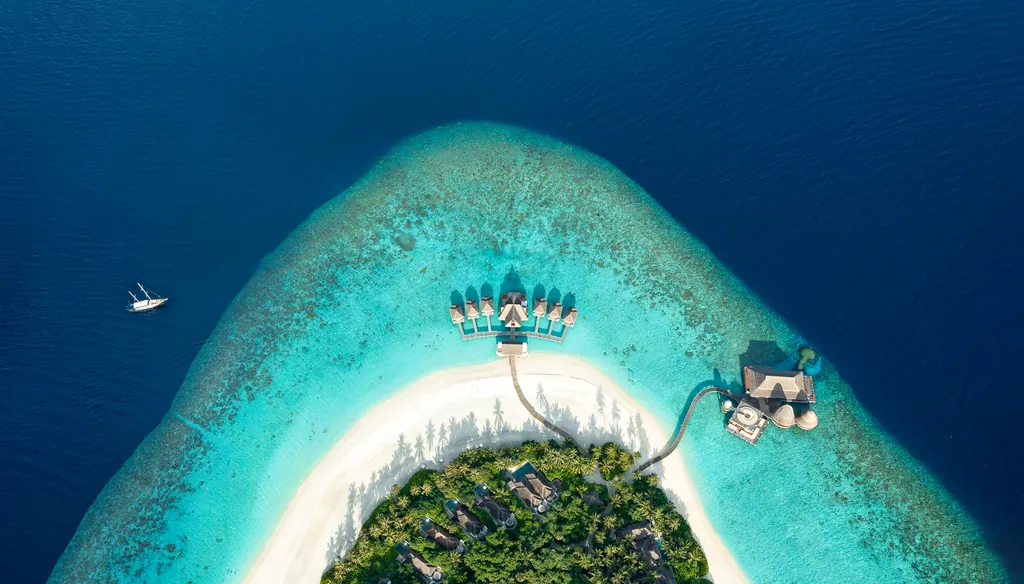
Picture the Maldives and you probably see a wooden villa on stilts, a private plunge pool and a price tag to match. That picture is accurate, but it is only half the country. On the same reefs, a short boat ride from the resorts, ordinary Maldivian islands rent rooms to visitors at prices closer to a motel on the Gulf Coast.
So the honest answer to "is the Maldives expensive?" depends almost entirely on where you sleep and how you get there. Below we break down what actually drives the cost of a Maldives trip in 2026, from recently raised taxes to the boat or seaplane transfer that many travelers forget to budget for.
Why Does the Maldives Have Such a Pricey Reputation?
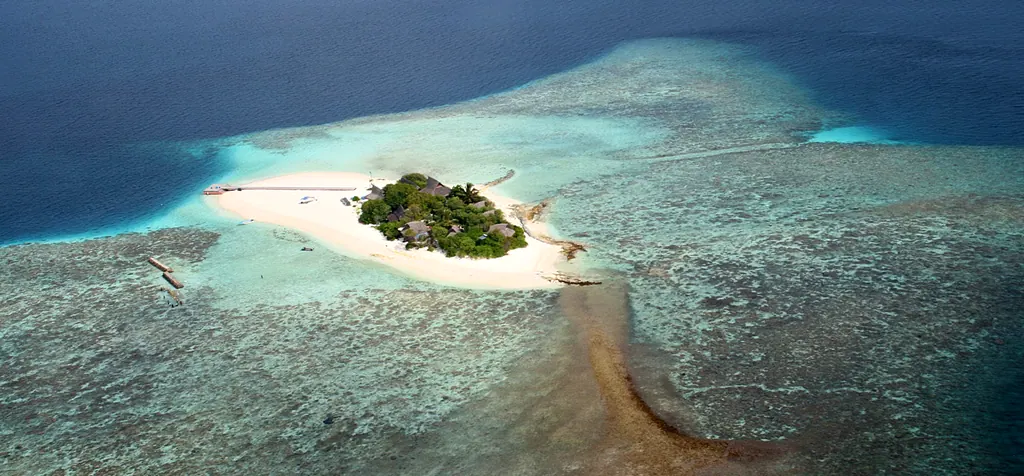
For decades the Maldives was resort-only. Each resort occupies its own island, and until 2009 tourists were not allowed to stay on islands where Maldivians live. That model means everything is shipped in, every meal is eaten at the resort, and you can only reach your hotel by the resort's own boat or seaplane. The result is a destination where a week can cost as much as a used car.
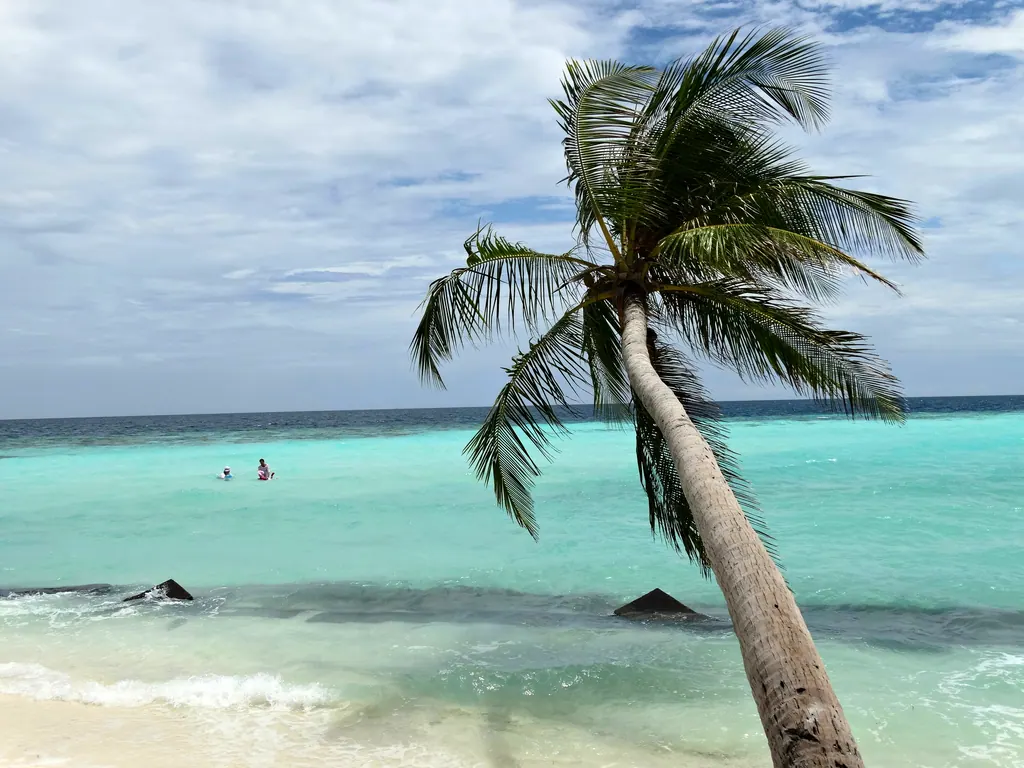
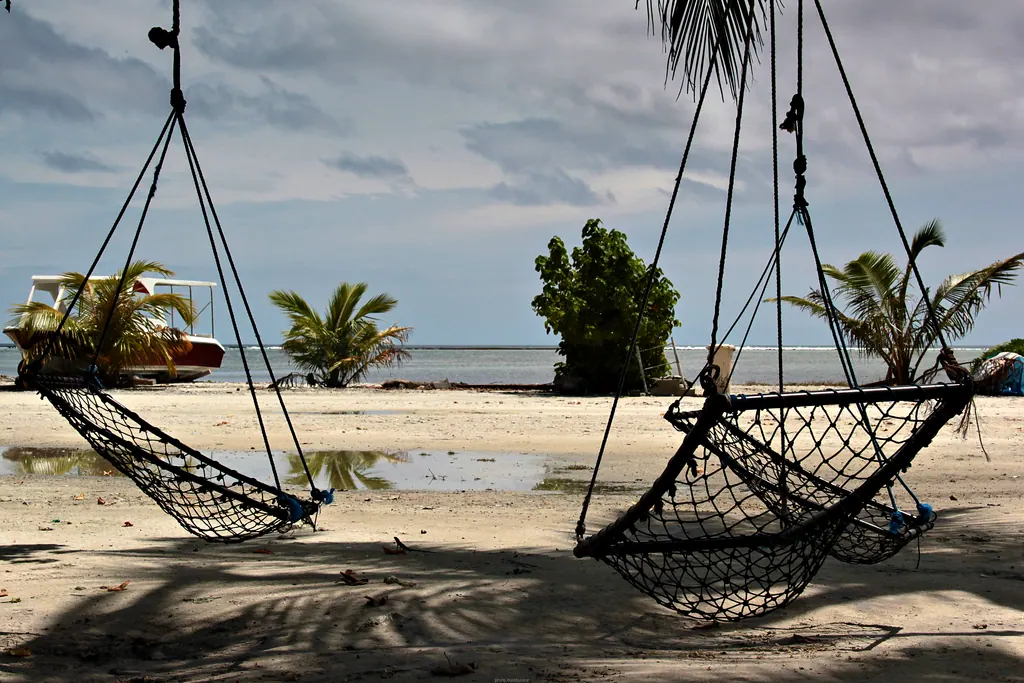
Since local tourism was allowed, hundreds of small guesthouses have opened on inhabited islands such as Maafushi, Thulusdhoo, Dhigurah and Ukulhas. They share the same water, the same sandbanks and often the same snorkel sites. They are simply not private.
Resort or Local Island: What Does a Night Cost?
The table gives typical 2026 ranges for a double room before taxes. Prices swing a lot with season and booking date, so treat them as a guide rather than a quote.
| Where you stay | Typical price per night (2026) | Green tax per person, per night |
|---|---|---|
| Local island guesthouse, basic | about $45 to $80 | $6 |
| Local island guesthouse or small hotel, nicer | about $80 to $130 | $6 (50 rooms or fewer) |
| Mid-range resort | often $300 to $600 | $12 |
| Luxury resort, overwater villa | often $1,000 and up | $12 |
On Maafushi, the busiest local island, listings in autumn 2026 ran from roughly $45 to $100 for a double, usually with breakfast. Thulusdhoo, popular with surfers, is a little higher. If you want the full overwater experience, our guide to overwater bungalows compares the Maldives with Bora Bora and other islands.
The Taxes That Change the Bill
This is where many budgets go wrong, because the rates changed recently. According to the Maldives Inland Revenue Authority (MIRA):
- Tourism GST (TGST): 17% since July 1, 2025 (up from 16%). It applies to rooms, tours and other tourist services.
- Service charge: most guesthouses and resorts add 10%, and TGST is calculated on top of it.
- Green tax: $12 per person per night at resorts, liveaboards and larger hotels, and $6 at guesthouses and hotels with 50 rooms or fewer on inhabited islands (both doubled on January 1, 2025). Children under two are exempt.
- Departure tax and airport development fee: $50 each for foreign passengers in economy since December 1, 2024. These are normally included in your airline ticket.
In practice, a $100 guesthouse room becomes about $128.70 after service charge and TGST, plus $12 a night in green tax for two people. A $700 resort villa becomes around $901 before the $24 green tax. The percentages are the same, but they bite much harder at resort prices.
Getting From the Airport: The Hidden Cost
Everyone lands at Velana International Airport next to Malé. What happens next can add anything from a couple of dollars to well over $1,000 for two people.
- Public ferry: state-run MTCC ferries connect Malé with nearby local islands for about 22 rufiyaa (about $1.50 in 2026) to Maafushi. They run once or twice a day, not on Fridays, and are cash only.
- Shared speedboat: about $20 to $50 per person each way to local islands in the Malé, Vaavu and Ari atolls.
- Domestic flight plus boat: common for resorts and islands farther away.
- Seaplane: the classic resort transfer, often several hundred dollars per person round trip, and more for distant atolls. Resorts usually require you to book it through them.
Ask about the transfer before you fall in love with a resort. A cheaper room on a far-flung atoll can end up costing more than a pricier one near Malé.
Food, Drink and Excursions
On local islands you eat at guesthouses or small cafés, where a plate of fried rice or a fish curry is cheap by Maldives standards. Local islands are dry, though: alcohol is sold only at resorts and on liveaboard boats, and you cannot bring it into the country. At resorts, meals and drinks are the second big cost after the room, which is why all-inclusive plans are popular.
Excursions are where local islands make up some of the difference. Guesthouses sell snorkel trips, sandbank picnics and dolphin cruises for a fraction of resort prices, and some resorts sell day passes to guesthouse visitors if you want a few hours of pool and beach bar.
When Is It Cheapest to Go?
The dry northeast monsoon from about December to April is peak season, with the highest prices around Christmas, New Year's and Chinese New Year. May to October brings more rain and wind, but also lower rates, quieter islands and good conditions for surfing and manta rays in some atolls. Shoulder months such as November and April often balance weather and price.
Practical Notes for Americans
- Entry: U.S. citizens get a free 30-day tourist visa on arrival. Every traveler must submit the free IMUGA traveller declaration online within 96 hours before arrival.
- Money: the currency is the rufiyaa, but guesthouses and resorts quote and charge in U.S. dollars. Bring small bills for ferries and cafés.
- Safety: as of November 14, 2026, the State Department rates the Maldives at Level 2, Exercise Increased Caution, because of terrorism risk.
- Dress: on local islands, cover shoulders and knees in the village and swim in bikinis only on the designated "bikini beach."
So, Is the Maldives Expensive?
A resort holiday in the Maldives is expensive, and the taxes and transfers make it more so than the headline room rate suggests. A local-island trip is not. Two people sharing a mid-range guesthouse, eating in cafés and taking a few boat trips can spend a week for roughly what one or two nights cost in a luxury villa. Many visitors now combine both: five nights on a local island and two at a resort at the end, so the splurge feels earned. You can find more ideas on our Maldives page and in our Beach Holidays section.
Frequently asked questions
How much is a week in the Maldives?
It depends on where you stay. Two people in a mid-range local island guesthouse can spend around $1,000 to $1,300 for five nights excluding flights, while a week at a luxury resort can easily pass $10,000.
What is the Maldives green tax?
It is a per-person, per-night tax of $12 at resorts and larger hotels and $6 at guesthouses with 50 rooms or fewer on inhabited islands, as of 2026. Children under two are exempt.
Can you drink alcohol on local islands in the Maldives?
No. Alcohol is sold only at resorts and on liveaboard boats. Local islands are dry, and you cannot bring alcohol into the country.
Do Americans need a visa for the Maldives?
No advance visa is needed. U.S. citizens get a free 30-day tourist visa on arrival but must file the IMUGA traveller declaration within 96 hours before arrival.