Leave a few coins on the table in a Tokyo noodle shop and there is a fair chance someone will run after you down the street to give them back. Skip the tip in a Cape Town restaurant and your waiter, whose income depends on it, goes home with noticeably less. Between those two extremes lie dozens of countries with their own unwritten rules, from the "++" printed on Bangkok menus to the tip box at the reception of a safari camp in the Maasai Mara.
This guide covers Asia, the Middle East, Africa and the Pacific: where a tip is an insult, where it is part of someone's wage, and where the bill already includes a charge you may not have noticed. If you are heading somewhere closer to home, we have separate guides to tipping in Europe and tipping in the USA and Canada.
Why do the rules change so much from country to country?
Tipping follows wages and history more than geography. In Japan and South Korea, good service is seen as part of the job and the price, so extra cash can feel like charity or even a hint that the staff need it. In much of Southeast Asia, international hotels introduced a fixed service charge decades ago, and that became the norm in restaurants aimed at visitors. In South Africa, Kenya and Tanzania, tips make up a real share of what waiters, guides and camp staff earn, which is why they are expected rather than optional.
Three things decide what you should do in practice:
- Is there a service charge on the bill? Look for "service charge", "SC 10%" or "++" on the menu. If it is there, you do not need to add much, if anything.
- Who is serving you? A guide who spends a week with you on safari or a trek is in a different category from a taxi driver.
- Cash or card? In most of these countries, tips are given in cash, often in local currency, even when you pay the bill by card.
The quick answer, country by country
Percentages are for sit-down restaurants without a service charge. "Small" means rounding up or a few coins or notes.
| Country | Restaurants | Hotels | Guides and drivers | Is a tip expected? |
|---|---|---|---|---|
| Japan | No tip | Service charge at upscale hotels | Optional for private guides | No |
| South Korea | No tip | Service charge at luxury hotels | Optional | No |
| Taiwan | No tip, 10% charge at upscale places | Service charge included | Small, for tour guides | No |
| China | No tip | Service charge at upscale hotels | Expected on organized tours | Only on tours |
| Thailand | Round up, or nothing if "++" | Small for porters | Small | Appreciated |
| Malaysia | Nothing if 10% charge is added | Small for porters | Small | Appreciated |
| Indonesia (Bali) | Small, charge often added | Small for porters | Small | Appreciated |
| Vietnam | Small, 5-10% in tourist areas | Small | Expected on tours | Increasingly |
| Philippines | 10% if no service charge | Small for porters | Small | Usually |
| India | About 10% | Small for porters | Expected for drivers and guides | Usually |
| Nepal | 5-10% on top of service charge | Small | 10-15% of trek cost | Yes on treks |
| UAE | About 10% outside hotels | Service charge in hotels | Small | Usually |
| Qatar and Oman | About 10% if not included | Service charge common | Small | Usually |
| Jordan | About 10% | Small for porters | Expected | Yes |
| Israel | 10-15% | Small for porters | Expected | Yes |
| Morocco | About 10% | Small for porters | Expected | Yes |
| Kenya and Tanzania | About 10% | Camp tip box | $10-20 per guest per day | Yes |
| South Africa | 10-15% | Small for porters | Expected | Yes |
| Australia | 10% for good service, optional | No | Optional | No |
| New Zealand | Optional | No | Optional | No |
| Fiji | No tip | Staff fund at many resorts | Optional | No |
| French Polynesia | No tip | Optional | Optional | No |
The rest of the guide explains the details behind each row, and the situations where the simple answer does not apply.
Japan, South Korea and Taiwan: where a tip can cause confusion
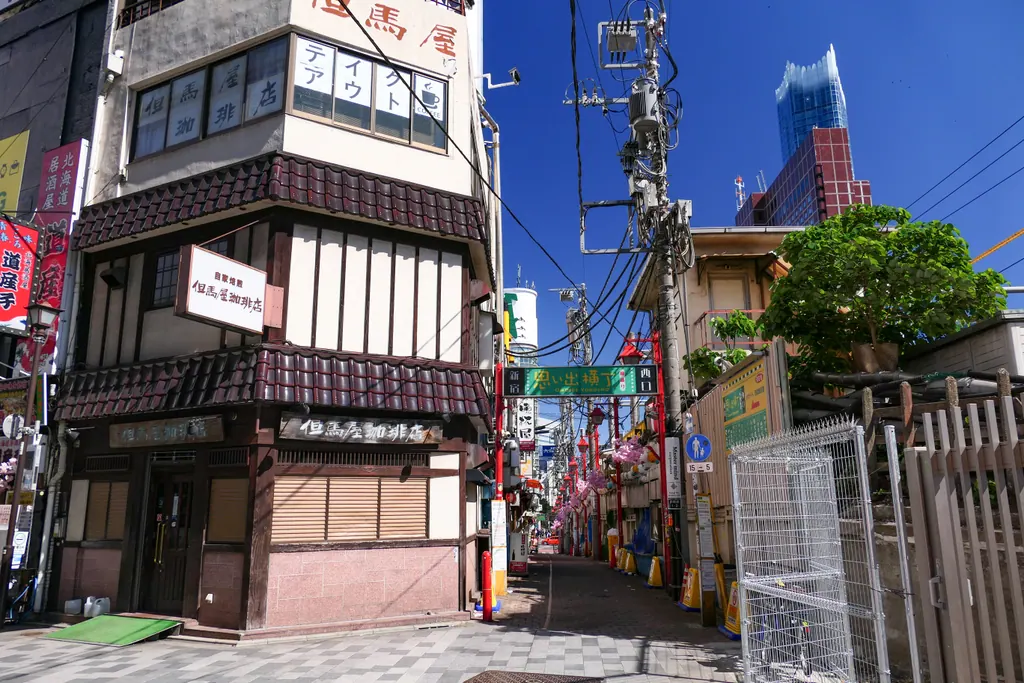
Japan is the clearest case in the world. Restaurants, bars, cafes, taxis and hotels do not expect tips, and staff often refuse them politely. Mid-range and upscale hotels usually add a service charge to the bill instead, and traditional ryokan build service into the room rate. The one gray area is private guides and interpreters, who are used to foreign visitors and generally accept a tip as thanks. If you want to show appreciation to ryokan staff, the traditional way is a note placed in an envelope, never loose cash, but it is entirely optional.
South Korea works the same way. Taxi drivers, waiters and hotel staff do not expect anything, and some will return money left behind. Luxury hotels may add a service charge. At a barbecue restaurant in Seoul, a bill of 60,000 won (about $44) is simply paid as it is.
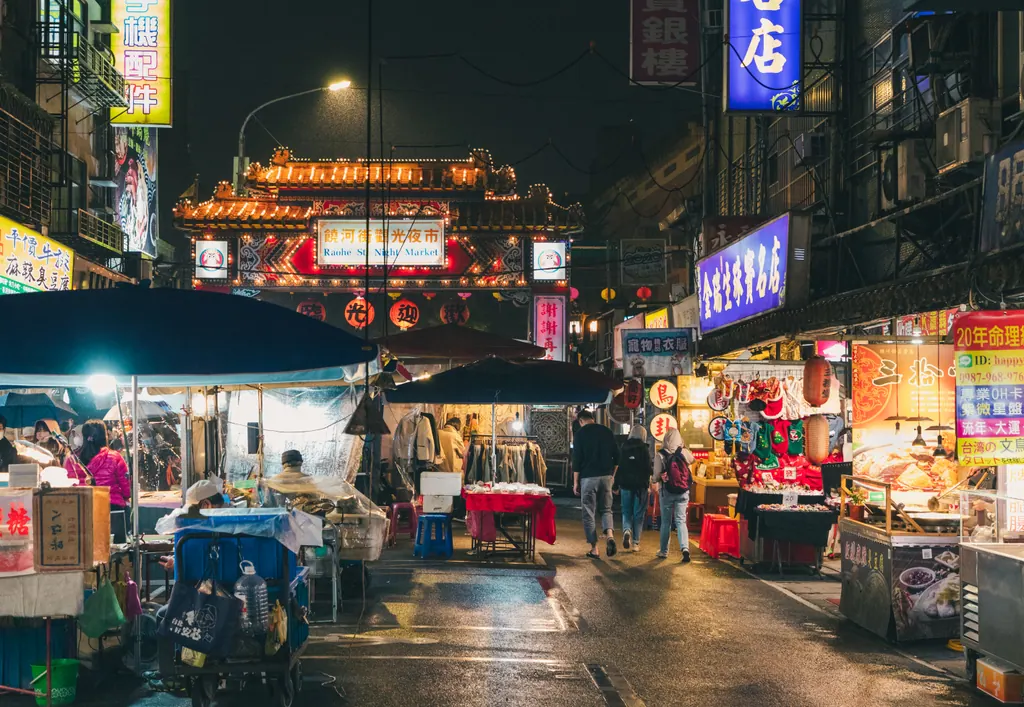
Taiwan sits between the two worlds. Ordinary restaurants, night markets and taxis involve no tipping at all, while hotels and upscale restaurants add a 10% service charge. On an organized tour, a small tip for the guide and driver is common. If you are planning a trip, our guides to food in Taiwan and getting around Taiwan cover the practical side of eating and traveling there.
Southeast Asia: read the bill before you reach for your wallet
In much of Southeast Asia, the real question is not how much to tip but whether you are already paying for service.
Thailand. A menu price with "++" after it means a 10% service charge and 7% VAT will be added, so the final bill is about 17% higher than the listed price. This is standard in hotel restaurants and upscale places in Bangkok, Phuket and Chiang Mai. Where it applies, you do not need to tip. At street stalls and simple restaurants, leaving the small change or rounding up is a friendly gesture, and 20-50 baht (about $0.60-1.50) is a typical tip for a porter or a good massage therapist.
Malaysia. Many restaurants add a 10% service charge plus a 6% service tax on food and drinks. Again, no extra tip is needed. Where there is no charge, rounding up is enough.
Indonesia. In Bali, restaurants aimed at visitors often add a service charge and a 10% regional tax to the menu price. On top of that, small tips for drivers, porters and spa staff are appreciated. A tip of 10,000-20,000 rupiah (about $0.60-1.20) for small services is normal, and more for a driver who spends a full day with you.
Vietnam. Tipping is not a Vietnamese tradition, but it has become common in tourist areas. Tour guides and boat crews in Ha Long Bay and the Mekong Delta usually expect something, and 20,000-50,000 dong (about $0.80-2) is a reasonable thank you for small services.
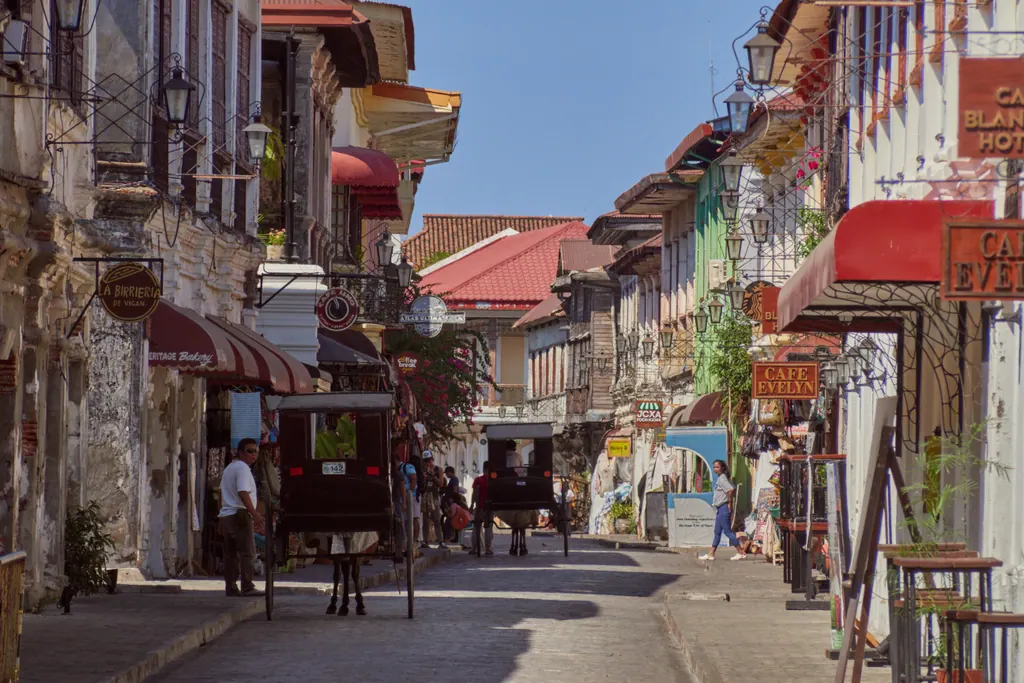
Philippines. Many restaurants add a 10% service charge, especially in malls, hotels and Manila's business districts. If there is no charge, leaving around 10% is customary. Bellhops and housekeeping in higher-end hotels usually get 20-50 pesos (under $1) per bag or per day. For more on eating out there, see our guide to food in the Philippines.
China, India and Nepal: tours, drivers and trekking crews
In China, tipping is not part of everyday life. You do not tip in local restaurants or taxis, and upscale hotels add a service charge. The exception is organized tours, where guides and drivers are used to tips from foreign groups, often collected together at the end.
India has a different issue: the service charge itself. Under guidelines from the Central Consumer Protection Authority, upheld by the Delhi High Court in March 2025, restaurants may not add a service charge automatically or force you to pay one. Some still print it on the bill, and the authority has fined restaurants for doing so as recently as 2026. You can ask to have it removed and tip directly instead. Around 10% is normal in sit-down restaurants, and drivers and guides on multi-day tours expect a tip at the end.
Nepal is where tipping matters most for many travelers, because of trekking. Restaurants in Kathmandu and Pokhara that cater to visitors usually add a 10% service charge plus 13% VAT, and an extra 5-10% for good service is appreciated but not required. On a trek, tips are part of the deal. A common rule is to budget 10-15% of what you paid for the trek, handed over at the end rather than daily, with the guide receiving more than each porter. Give each person their share directly, ideally in an envelope, rather than handing the whole amount to the guide. Our guide to trekking in Nepal covers how to choose an agency and what treks cost.
The Middle East: hotel charges and handfuls of small notes
In the United Arab Emirates, a restaurant bill in Dubai includes a 7% municipality fee and 5% VAT. According to Dubai's Department of Economic Development, a 10% service charge is only allowed in restaurants inside hotels. Outside hotels, a tip of around 10% for good service is common, and small notes for valets, porters and delivery drivers are normal.
Qatar and Oman follow the Gulf pattern: hotels and their restaurants often add a service charge, and where they do not, around 10% is appreciated. Porters and drivers get small notes. Nobody will chase you for more, but tipping is woven into service across the region.
Jordan has a stronger tipping culture than its Gulf neighbors. Around 10% in restaurants is customary, and guides at Petra and Wadi Rum, drivers on day trips and hotel porters all expect something. A dinar (about $1.40) per bag is typical for porters.
In Israel, tipping is closer to European city habits but more generous. Restaurant tips are usually 10-12% for good service and 15% for excellent service, and the tip is normally not included in the bill. Taxi drivers do not expect a tip, while tour guides do.
Africa: small change, safari envelopes and car guards
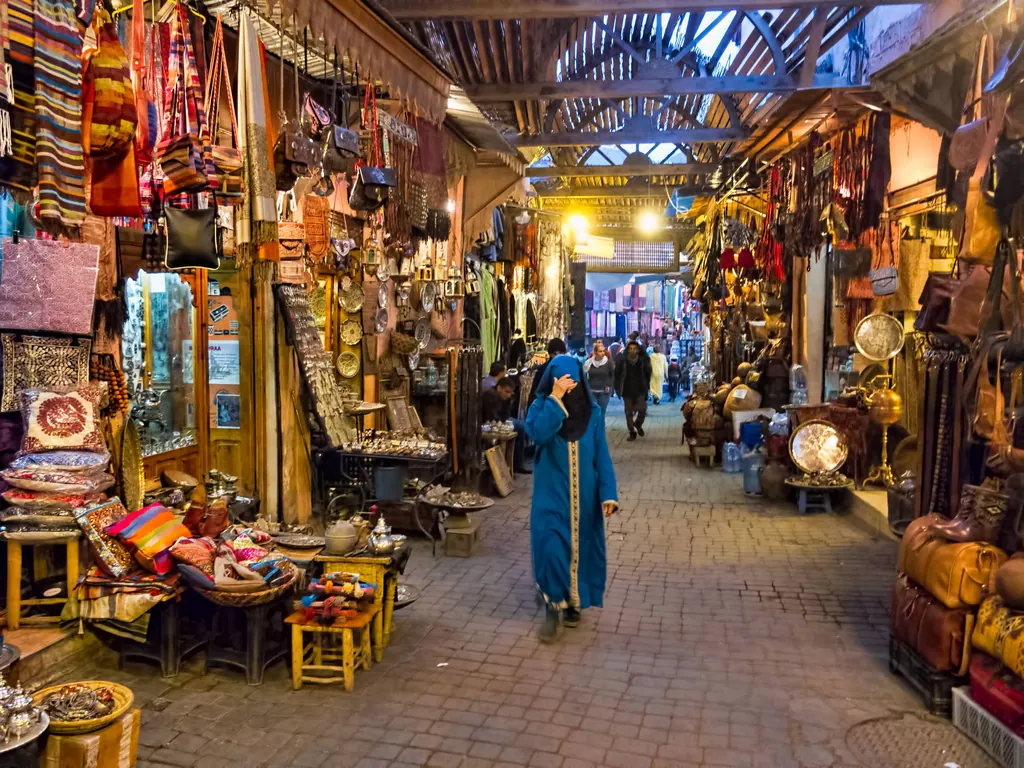
Morocco runs on small tips. Around 10% in restaurants is normal, but much of the tipping happens in passing: 10-20 dirhams (about $1-2) to a porter who carries your bags through the medina, a few coins to someone who watches your car, rounding up a taxi fare. Licensed city guides in Marrakesh and Fez usually get 100-200 dirhams (about $11-22) for a full day. Keep a pocket of small coins and notes, since change is often hard to come by. One caution: leaving only one or two dirhams on a large restaurant bill can come across as dismissive.
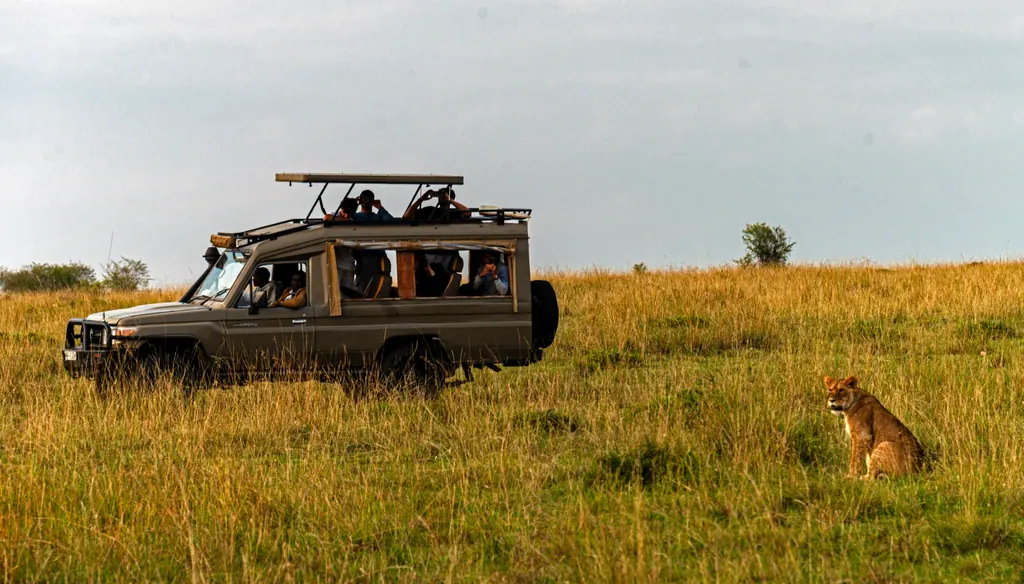
Kenya and Tanzania, including Zanzibar, have the most structured tipping system you will meet: the safari. According to Asilia Africa's 2026 guidance, safari guides typically receive $10-20 per guest per day, and camp or lodge staff $5-15 per guest per day, paid into a shared tip box at reception or in the dining area. Transfer drivers usually get $2-10. US dollars are widely accepted, but bring small, newer bills, since older notes are sometimes refused. On Kilimanjaro, every climbing operator hands out a tipping sheet, and tips for guides, cooks and porters add up to a large part of the budget, so check the amounts before you book. On Zanzibar's beaches, the standard is closer to a resort: around 10% in restaurants and a staff box at the hotel.
South Africa is the country where skipping a tip is noticed. Waiters expect 10-15%, and many depend on tips. Two habits surprise first-time visitors. At petrol stations, an attendant fills your tank and often cleans the windshield, and a few rand is normal. In parking lots and on city streets, informal car guards in reflective vests watch your car, and Cape Town Magazine puts the usual tip at R5-R10 (well under $1) in cash. Keeping a stash of coins and R10 notes in the car saves you from awkward moments.
The Pacific: Australia, New Zealand, Fiji and French Polynesia
Australia has never had an American-style tipping culture, because hospitality staff earn a decent minimum wage. Tipping has grown in big cities like Melbourne and Sydney since about 2021, and 10% at a full-service restaurant for good service is appreciated, but you will not be judged for leaving nothing at a pub or cafe. Be aware of surcharges instead: many restaurants add up to 15% on Sundays and public holidays, and it is printed on the menu.
New Zealand is even more relaxed. Tipping is optional everywhere, and rounding up for exceptional service is about as far as it goes.
In Fiji, tipping is not part of the culture. Many resorts instead run a staff fund, sometimes called a Christmas fund, which you can contribute to at checkout and which is shared among all employees, including those you never see. This is often considered the most respectful way to say thank you.
French Polynesia follows the same idea: tipping is not a Tahitian custom and is not expected. Some resorts and restaurants on Tahiti, Moorea and Bora Bora add a service charge to the bill, and a tip for exceptional service is welcome but never required.
How to tip without the awkward moment
- Check the bill first. "Service charge", "SC" or "++" means service is already paid. Adding a full tip on top is generous, not expected.
- Carry small notes in local currency. Porters, car guards and drivers rarely have change, and a large note puts everyone in an uncomfortable position.
- Bring clean US dollars for safaris. Small denominations printed in recent years are the safest choice in Kenya and Tanzania.
- Use envelopes for guides and trekking crews. It is discreet, and it makes sure each person receives their share.
- Tip at the end of a multi-day trip. On safari and on treks, tips are given on the last day, not daily.
- When in doubt in East Asia, do not tip. A sincere thank you does more than money in Japan, South Korea and Taiwan.
For more practical advice on money abroad, browse our money and tipping section and the rest of our travel tips.
Frequently asked questions
Is it rude to tip in Japan?
It is not exactly rude, but it often causes confusion, and staff in restaurants, taxis and hotels will usually refuse or return the money. Private guides are the main exception and generally accept a tip.
What does ++ mean on a menu in Thailand?
It means a 10% service charge and 7% VAT will be added to the listed price, so the final bill is about 17% higher. When you see it, an extra tip is not needed.
How much should I tip my safari guide in Kenya or Tanzania?
A common guideline is $10-20 per guest per day for the guide, given in an envelope at the end, plus $5-15 per guest per day for camp staff in the shared tip box. Ask your operator for their current recommendations.
Do you tip in Dubai?
Hotel restaurants may add a 10% service charge, in which case no extra tip is needed. Elsewhere, around 10% for good service and small notes for porters and valets are common.
How much do you tip car guards in South Africa?
Most people give R5-R10 in coins or small notes when they return to the car, as long as the guard has been present and the car is undamaged. Official guards usually wear a reflective vest.
- How to Tip on Safari, Asilia Africa
- Restaurants cannot levy mandatory service charge, CCPA confirms, The Week
- 10% service fee in some Dubai restaurants legal, Gulf News
- Tipping in Israel: Who, When, and How Much to Tip, Dan Hotels
- Guide to Tipping in South Africa, Cape Town Magazine
- Guide to tipping in Australia, New Zealand and the South Pacific, Lonely Planet
- Top 9 things to know before traveling to Fiji, Outrigger