Picture a small ramen counter in Kyoto with a ticket machine by the door, a temple gate where you want a good luck charm, or a country bus with a fare box next to the driver. Japan is famous for its technology, so it surprises many Americans that these everyday moments can still call for cash.
At the same time, the country has changed fast. Cards and tap payments now cover far more of a typical trip than they did ten years ago. So how much cash should you really carry, and where do you get it without losing money on fees? Here is how money works in Japan in 2026, and how to plan your yen.
Is Japan Still a Cash Society?
Less than it used to be, but more than the United States. According to Japan's Ministry of Economy, Trade and Industry (METI), cashless payments reached 58.0% of consumer spending in 2025. Credit cards made up about 83% of that cashless share, while QR code apps, electronic money and debit cards made up the rest.
Turned around, that means roughly four of every ten yen spent by consumers in Japan in 2025 was still paid in cash. The government's target is 65% cashless by 2030, so the share keeps falling, but you will notice the difference between a Tokyo department store and a family-run shop in the countryside.
Where You Will Still Need Cash
In big cities you can go a whole day without touching a bill. The places where cash still matters tend to be small, traditional or rural:
- Small restaurants and izakaya: many independent places take cards now, but plenty do not. Some ramen and soba shops use ticket machines that only take bills and coins.
- Temples and shrines: offerings, charms (omamori), fortunes (omikuji) and the calligraphy stamps in a goshuin book are usually paid in cash, often in small coins.
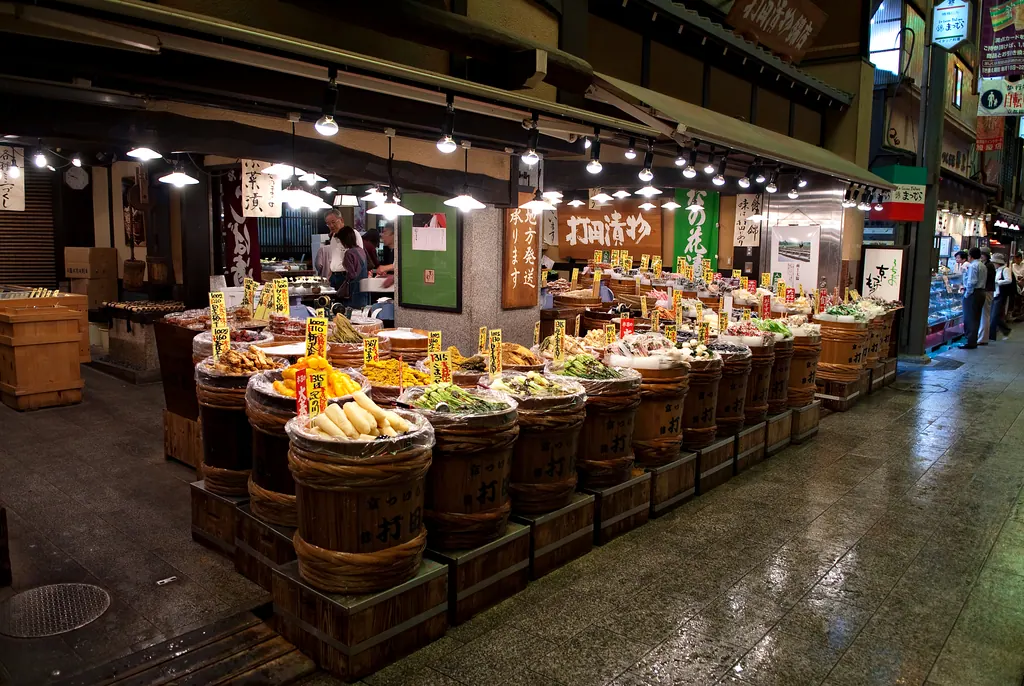
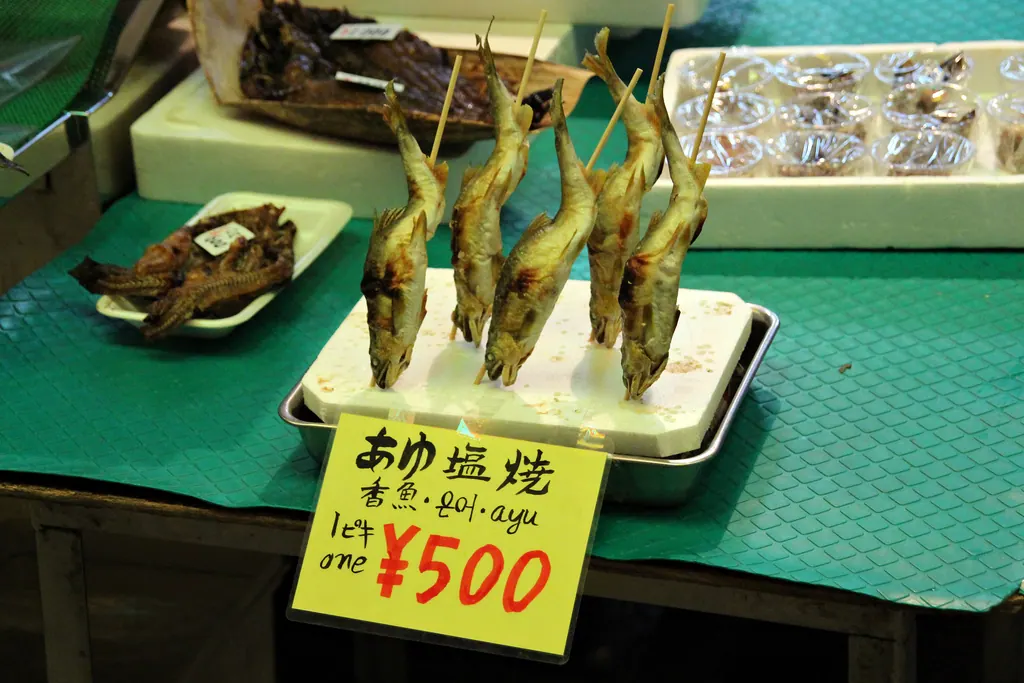
- Markets and festival stalls: food stalls at shrine fairs, morning markets and street festivals are mostly cash only.
- Rural buses and small rail lines: many accept IC cards, but some country buses still work best with coins.
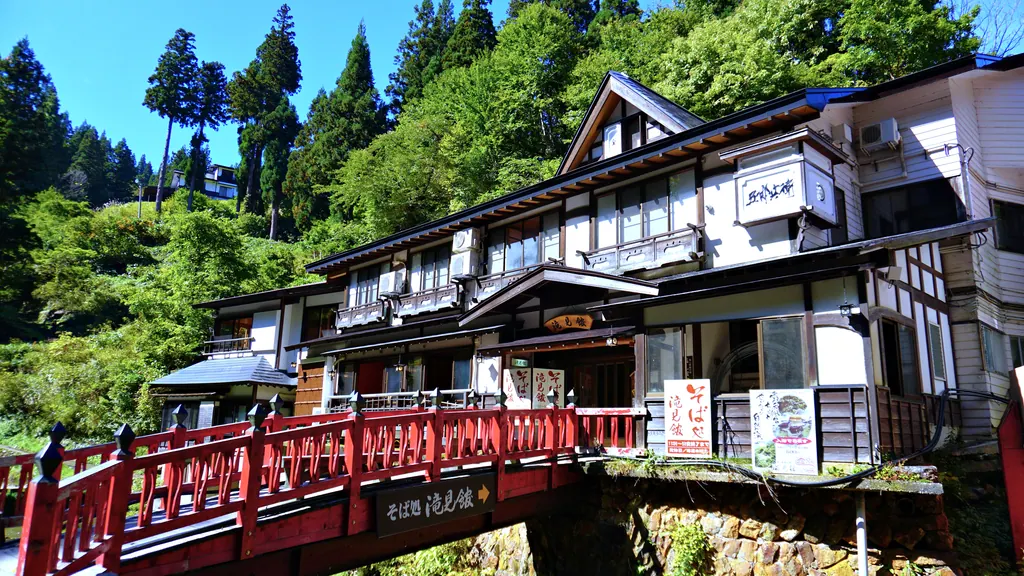
- Family-run inns: a small minshuku or ryokan in a mountain village may ask you to pay in cash on arrival. If you plan a night in a traditional inn, our guide What Is a Ryokan? explains what to expect.
- Topping up a transit card: if you use a physical Suica, PASMO or ICOCA card, the station machines take cash for top-ups.
Where Cards and Transit Cards Work Fine
Hotels, department stores, chain restaurants, big electronics stores, museums and the major train companies all take international credit cards. Convenience stores such as 7-Eleven, Lawson and FamilyMart accept cards, and the first two are also where you will find the most useful ATMs.
The most practical payment tool for visitors is a rechargeable IC card. Suica, PASMO and ICOCA work on trains, subways and most city buses, and also at convenience stores, vending machines and many coin lockers. JR East sells a Welcome Suica for short-term visitors. It has no deposit and is valid for 28 days, but the balance cannot be refunded, so load it in small amounts. If you have an iPhone, you can also add a Suica, PASMO or ICOCA card to Apple Wallet.
A growing number of rail and bus operators also let you tap a contactless credit card directly at the gate, but coverage varies from line to line in 2026, so treat it as a bonus rather than a plan.
How Much Cash to Bring to Japan
There is no single right number, but this is the rough daily budget we suggest for cash only. It does not include hotels, train passes or anything you can easily pay by card.
| Type of trip | Cash per person per day | What the cash typically covers |
|---|---|---|
| Big-city trip (Tokyo, Osaka) with mostly chains and department stores | about ¥3,000 to ¥5,000 (about $19 to $31 in 2026) | small eateries, temple charms, snacks, IC card top-ups |
| Mixed trip with local restaurants, markets and temples (Kyoto, Nara) | about ¥5,000 to ¥10,000 (about $31 to $63 in 2026) | lunch counters, market stalls, entry fees at small temples |
| Rural Japan, onsen towns and small inns | about ¥10,000 to ¥15,000 (about $63 to $94 in 2026) | inn bills, country buses, local restaurants |
Dollar amounts are based on about 160 yen to the dollar in mid-November 2026.
A practical approach is to arrive with nothing, withdraw around ¥20,000 to ¥30,000 (about $125 to $190 in 2026) at the airport or the first convenience store, and top up as you go. Japan is a safe country to carry cash in, but there is little point in carrying more than you need for two or three days.
Getting Yen: ATMs Beat Exchange Counters
You usually get a better rate by withdrawing yen with a U.S. debit card in Japan than by ordering yen from your bank at home or using an airport exchange desk.
- Seven Bank (7-Eleven): the ATMs in 7-Eleven stores accept Visa, Mastercard, American Express, JCB, UnionPay and Discover cards and have English menus. Seven Bank allows up to ¥100,000 per withdrawal with a chip card, and less with a magnetic stripe.
- Japan Post Bank: ATMs in post offices accept major foreign cards, with a limit of ¥50,000 per transaction. Hours follow the post office or station where the machine sits.
- Lawson Bank: the ATMs in Lawson convenience stores also accept many foreign cards.
Expect a small ATM fee per withdrawal (usually a few hundred yen, a dollar or two in 2026) on top of whatever your own bank charges. A checking account that refunds foreign ATM fees saves real money on a long trip. If the ATM or a shop terminal offers to charge you in dollars instead of yen, decline: this is dynamic currency conversion, and we explain why it costs you in Should You Pay in Local Currency or Dollars?.
The Notes and Coins You Will Handle
Japan uses coins for ¥1, ¥5, ¥10, ¥50, ¥100 and ¥500, and bills for ¥1,000, ¥5,000 and ¥10,000 (the ¥2,000 bill exists but is rare). New designs of the three common bills entered circulation on July 3, 2024, and the older bills remain legal tender, so you may receive both.
Coins pile up fast, which is why many Japanese carry a small coin purse. At the register you usually place cash in a small tray rather than handing it over. Tipping is not part of the culture, so you do not need to plan cash for tips. Our guide to tipping in Asia and the Middle East covers the few exceptions.
Tax-Free Shopping Changed in November 2026
If you plan to shop, note that Japan changed its tax-free system for visitors on November 1, 2026. Instead of paying a tax-free price at the register, you now pay the full price including consumption tax. To get the tax back, you keep the goods with you and have them confirmed by customs at the airport or seaport when you leave, within 90 days of purchase. Japan Customs says purchases must be at least ¥5,000 before tax in the same store on the same day.
The refund itself is paid by the store after customs confirms that you exported the goods, so keep your receipts and ask each store how it pays the refund, for example back to your credit card.
A Simple Money Plan for Japan
- Bring two cards from different networks (for example a Visa and a Mastercard) and a debit card with low foreign fees.
- Withdraw ¥20,000 to ¥30,000 on arrival at a 7-Eleven or Japan Post ATM.
- Load a Suica, PASMO or ICOCA card for trains, buses and convenience stores.
- Keep ¥1,000 bills and ¥100 coins handy for ticket machines, temples and market stalls.
- Plan extra cash for rural areas and small inns, and always pay in yen, not dollars.
Planning your first trip? Our guide to backpacking Japan for first-timers covers routes, rail passes and budgets, and you can find more money advice under Money & Tipping.
Frequently asked questions
Do you need cash in Japan?
Yes, but less than before. Cards work in hotels, chains and big stores, while small restaurants, temples, markets and rural inns often still want cash.
How much cash should I bring to Japan per day?
We suggest about ¥3,000 to ¥5,000 a day in big cities and up to ¥10,000 to ¥15,000 a day in rural areas, on top of what you pay by card.
Where can I withdraw yen with a U.S. card?
Seven Bank ATMs in 7-Eleven stores, Japan Post Bank ATMs in post offices and Lawson Bank ATMs accept most foreign debit and credit cards.
Should I exchange dollars for yen before I leave?
It is usually cheaper to withdraw yen from an ATM in Japan with a low-fee debit card than to buy yen at home or at an airport exchange desk.