Somewhere between checking in and falling asleep on a futon, a stay at a ryokan quietly rearranges your evening. You take off your shoes at the door, someone brings green tea to your room, dinner arrives in a dozen small dishes, and by nine o'clock half the guests are padding down the corridor in matching cotton robes on their way to the bath.
For many Americans, a night at a traditional Japanese inn ends up as the most memorable part of a Japan trip. It can also feel a little intimidating if you have never done it: the slippers, the shared bath, the unfamiliar rules. This guide explains what a ryokan actually is, what you get for the price, how the etiquette works in practice, and how to pick one that suits your trip.
So What Exactly Is a Ryokan?
A ryokan is a traditional Japanese inn. The Japan National Tourism Organization (JNTO) describes the common elements as tatami flooring, futon bedding, baths (often fed by a hot spring), yukata robes, a multi-course kaiseki dinner and a traditional Japanese breakfast. Ryokan are said to date back to the 8th century, and one of them, Nishiyama Onsen Keiunkan in Yamanashi Prefecture, is recognized by Guinness World Records as the oldest hotel in the world, founded in the year 705.
The word covers a wide range. A ryokan can be a family-run inn with eight rooms in a mountain village, a large resort hotel with Japanese-style rooms, or a modern design hotel in Kyoto. What they share is the format: you stay in a tatami room, the evening revolves around food and bathing, and the service follows the Japanese idea of omotenashi, attentive hospitality that anticipates what you need.
The big difference from a Western hotel is that a ryokan is an experience you book for the evening, not just a bed. Plan to arrive in the afternoon and stay put.
What Is Included, and What Does It Cost?
Ryokan are usually priced per person, not per room, and the standard rate includes dinner and breakfast. That is the first thing that surprises American travelers when they compare prices with hotels.
According to JNTO, the average ryokan stay costs around 15,000 yen per person per night (about $95 in 2026), with high-end inns charging considerably more. In practice, prices range widely:
| Type of ryokan | Typical price per person, with two meals |
|---|---|
| Simple family-run inn or minshuku | Often 10,000-20,000 yen (about $65-125 in 2026) |
| Comfortable onsen ryokan | Often 20,000-40,000 yen (about $125-255 in 2026) |
| Luxury ryokan with private bath | 50,000 yen (about $315 in 2026) and well above |
Prices rise on weekends, during Japanese holidays and in peak seasons such as cherry blossom time and autumn leaves. Some ryokan also sell rooms without meals, which is cheaper, but as JNTO puts it, dining in-house is considered an essential part of the experience. Add any local accommodation and hot spring taxes, which are usually small and paid at the inn.
Arriving: Shoes, Slippers and Tea
Check-in is usually around 3 p.m., and arriving on time matters more than at a hotel, because dinner is prepared for set times.
- Shoes off at the entrance. You step out of your shoes in the entry area (the genkan) and into slippers. Staff will often take care of your shoes.
- No slippers on tatami. Slippers are for corridors. Take them off before you step onto the straw mats in your room. The toilet often has its own pair of slippers, which stay in the toilet.
- Tea and a sweet. Many ryokan serve green tea and a small sweet in your room on arrival, while staff explain meal times and the bath schedule. This is a good moment to ask questions.
The Yukata: How to Wear the Robe
In the room you will find a yukata, a light cotton robe, sometimes with a short jacket for cooler weather. Guests wear it around the inn, to dinner in many ryokan and to the bath. In onsen towns, people often wear them outside to stroll between bathhouses; elsewhere, JNTO suggests asking staff whether it is fine to wear the yukata outdoors.
One rule matters: wrap the left side over the right. Right over left is how a body is dressed for a funeral in Japan. Tie the sash around your waist, and you are done. If the sizes look small, ask for a larger one; most inns have them.
The Bath: Rules That Matter
The bath is the center of ryokan life, especially at a hot spring (onsen) inn. Japan's Tourism Agency publishes clear guidance for ryokan guests:
- Wash first. Shower and wash your whole body at the washing stations before you get into the bath. The bath is for soaking, not cleaning.
- No swimsuits. Communal baths are separated by gender, and you bathe naked.
- Keep the small towel out of the water. Many people fold it on their head. Tie up long hair.
- No photos and keep it quiet. Many guests come to the bath to relax in silence.
- Ease in. Some baths are very hot. Pour water over yourself first, and avoid the bath after heavy drinking.
Tattoos are the question we hear most. Policies differ widely from ryokan to ryokan, according to the Japan Tourism Agency. Some have no restrictions, some decide case by case (one or two small tattoos may be fine), and some do not allow tattoos in the communal bath. The easy solution is a room with its own bath, or a private "kashikiri" bath that you reserve for a set time. Ask when you book.
Dinner, Breakfast and Bedtime
Dinner is typically kaiseki, a sequence of small seasonal courses that might include sashimi, a simmered dish, grilled fish, tempura, rice, pickles and dessert. Depending on the inn, it is served in your room or in a dining room, often at a time you choose when you check in. If you have allergies or do not eat fish or meat, tell the ryokan when you book, not on arrival; the kitchen plans the menu in advance.
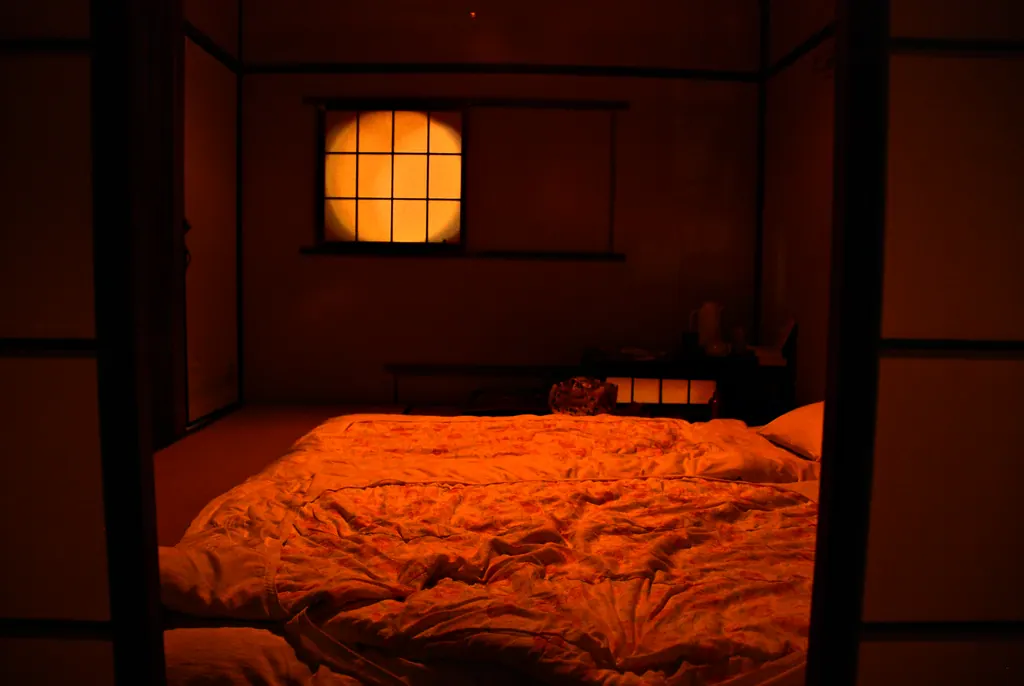
While you are at dinner or in the bath, staff will usually lay out the futons in your room. Futons are firmer than an American mattress, and most people sleep well on them. Breakfast the next morning is usually Japanese: grilled fish, rice, miso soup, pickles and often a small hot pot or tofu.
Tipping is not expected in Japan. Check-out is commonly around 10 a.m.
How to Choose a Ryokan
Think about what you want from the night, then choose the setting:
- Hakone, roughly 90 minutes from Tokyo by train, is the easiest classic onsen escape, with views of Mount Fuji on clear days. Good for a first ryokan on a Tokyo-based trip.
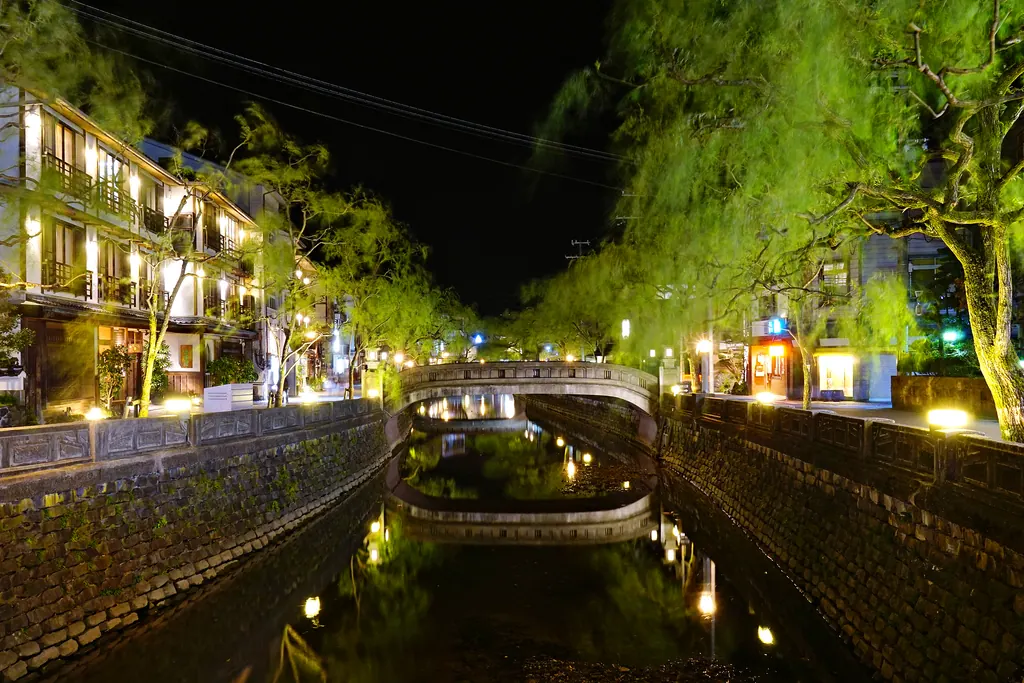
- Kinosaki Onsen in Hyogo Prefecture is a canal town with seven public bathhouses, and guests at its ryokan usually get a pass to all of them. Walking from bath to bath in a yukata is the whole point.
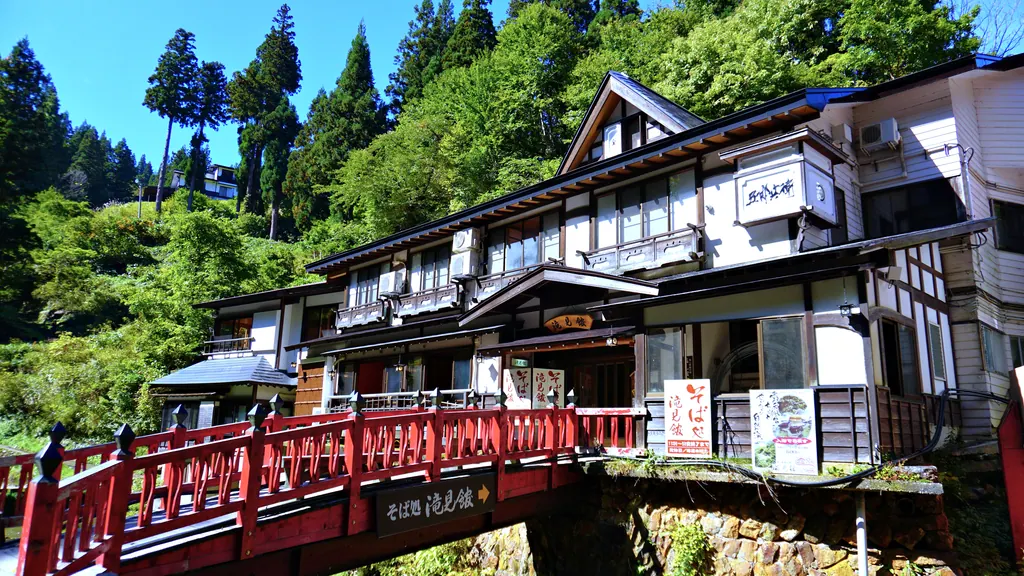
- Ginzan Onsen in Yamagata is famous for its multistory wooden inns from the early 20th century along a narrow river, especially pretty under snow. It is remote and small, so book early.
- Kyoto has some of Japan's most refined city ryokan, but many do not have hot spring baths. Choose one if you want the tradition and the food more than the onsen.
- Rural minshuku (family guesthouses) are simpler and cheaper, with shared bathrooms and home cooking. A great choice on a budget.
When you compare listings, check whether the room has a private toilet and bath, whether the hot spring is natural, whether meals are served in the room, and the tattoo policy. One night is usually enough to get the full experience, and many travelers fit a single ryokan night between city stays. If you are traveling around Japan on a budget, our guide to backpacking Japan for first-timers explains how a ryokan night fits into a cheaper trip.
Our Take: Is a Ryokan Worth It?
If you stay in only one special place in Japan, make it a ryokan, and choose one with a hot spring. The price looks high next to a business hotel, but remember that it covers dinner, breakfast and an evening's entertainment that you cannot get anywhere else. Book well ahead for weekends and peak seasons, tell the inn about food restrictions and tattoos in advance, and arrive in the afternoon so you have time for a bath before dinner.
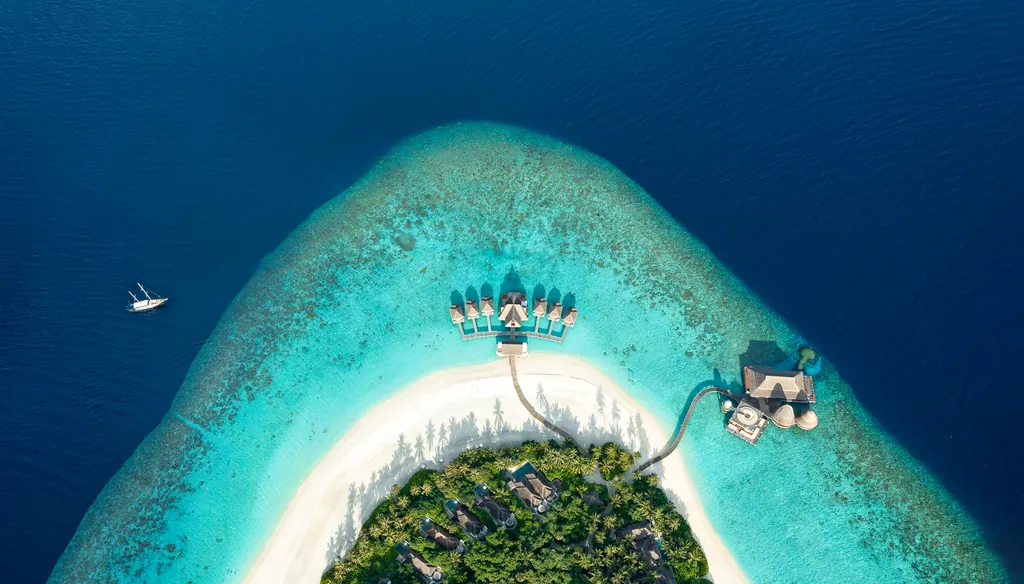
For more unusual places to sleep, see our guide to overwater bungalows and the rest of our Hotels & Accommodation section.
Frequently asked questions
How much does a night at a ryokan cost?
Ryokan are usually priced per person with dinner and breakfast included. JNTO puts the average at around 15,000 yen per person per night (about $95 in 2026), while luxury inns cost much more.
Can you stay at a ryokan with tattoos?
Often yes, but policies vary from inn to inn. Some ban tattoos in the communal bath, some decide case by case, and many offer private baths that anyone can use. Ask when you book.
Do you have to bathe naked at a ryokan?
Yes, swimsuits are not worn in Japanese baths. Communal baths are separated by gender, and many ryokan also have private baths you can reserve.
Do you tip at a ryokan?
No. Tipping is not expected in Japan, and service is included in the price.