The Philippines has more than 7,000 islands, and the hard part of planning a beach trip is not finding a good one. It is choosing. A week chasing limestone lagoons in Palawan feels nothing like a week of dawn dives off a tiny Cebu island, and both are far from the surf town on Siargao where people plan their days around the tide.
Getting it wrong usually means hours lost to ferries and domestic flights, or arriving in the one month when the sea on your side of the country turns gray. Below we compare the islands and coasts most travelers end up weighing against each other: what each does best, what the boat trips and fees cost, and when the weather is on your side. Culture and festivals have their own guide; this one stays on the beach and in the water.
How do the main islands compare?
Prices here are 2026 figures, converted at around 64 pesos to the dollar. Local fees change often and are usually paid in cash, so treat them as a guide and carry small notes.
| Destination | Best for | Getting there | The catch |
|---|---|---|---|
| El Nido, Palawan | Lagoons, limestone islands, boat tours | Fly to Puerto Princesa, then 5-6 hours by van, or small flights to El Nido | Crowded tours in peak season |
| Coron, Palawan | WWII wreck diving, lakes on Coron Island | Fly to Busuanga | The town is not on a beach |
| Puerto Princesa, Palawan | The Underground River | Direct flights from Manila and Cebu | Better as a stopover than a beach base |
| Siargao | Surfing, slow island life | Fly to Sayak Airport via Manila or Cebu | Rainy months, fast-growing scene |
| Bohol and Panglao | Easy beach holiday, reef dives | Fly to Panglao, or ferry from Cebu | Alona Beach is busy and narrow |
| Moalboal, Cebu | Sardines and turtles off the beach | Around 3 hours by road from Cebu City | Thin beaches |
| Malapascua, Cebu | Thresher shark dives | Road to Maya port, then a short boat ride | Very early starts |
| Bantayan, Cebu | Quiet white sand | Road to Hagnaya, then a ferry | Little diving or nightlife |
| Dumaguete and Apo Island | Turtles, protected reef, muck diving | Fly to Dumaguete | No great beach in the city |
| Camiguin | Sandbars and reefs without crowds | Ferry from Mindanao or Bohol | Takes time to reach |
| Puerto Galera | Diving close to Manila | Road to Batangas, then a ferry | Weekend crowds |
| Boracay | Long white beach, sunsets, resorts | Fly to Caticlan or Kalibo | Built up and the priciest |
Is Palawan worth the long transfers?
For many people, yes. Palawan, the long, thin island in the west, produces most of the country's postcard images, and three bases share it.
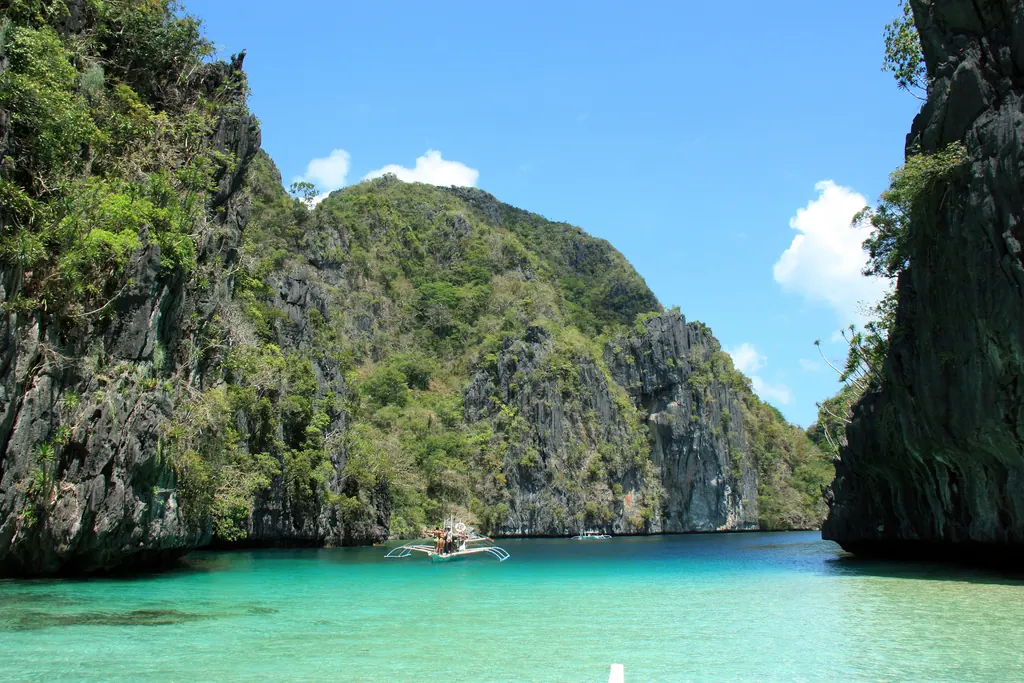
El Nido sits at the northern tip, on Bacuit Bay, where dozens of limestone islands rise straight out of clear water. Days run on island-hopping trips sold all over town as Tours A, B, C and D. In 2026 a shared tour with lunch costs around 1,400-1,800 pesos (about $23-29). On top come the eco-tourism development fee of around 400 pesos (about $6.50), paid once and valid for ten days, and extras such as the Big Lagoon fee of about 200 pesos (about $3.20) plus kayak rental. Tour A, with the Big and Small Lagoons, is the most famous and the most crowded: in high season, dozens of near-identical outrigger boats can arrive at the same stop together. A private boat costs more but lets you shift the timing. The best beach near town, Nacpan, is reached by road.
Coron, on Busuanga Island to the north, is the better pick for divers. On September 24, 1944, U.S. Navy carrier aircraft attacked a Japanese supply fleet sheltering in Coron Bay, and around ten of the sunken ships are now some of Asia's best-known wreck dives, a few shallow enough for snorkelers. Above water, the highlights are on Coron Island, ancestral land of the Tagbanwa people, who manage access: Kayangan Lake, reached by a short, steep climb, and the Twin Lagoon. Shared tours cost around 1,500-2,800 pesos (about $24-45) depending on what is included. A fast ferry links El Nido and Coron in around four hours, so the two combine well.
Puerto Princesa is the provincial capital and main airport. Its big sight is the Puerto Princesa Subterranean River, a UNESCO World Heritage Site since 1999, where paddle boats take visitors into a cave river that flows straight into the sea. The navigable river is about 8.2 kilometers long, and tours see only the first part. The city runs a strict "no permit, no entry" policy, and foreign adults have paid around 500 pesos (about $8.10) in entrance fees in recent years, plus environmental and boat fees, so most people book a day tour that bundles the permit, transport and lunch. Divers with deeper pockets can also board liveaboards here for Tubbataha Reefs, a UNESCO-listed atoll park in the Sulu Sea that is open only from mid-March to mid-June.
What makes Siargao different?
Siargao, off the northeast tip of Mindanao, built its name on one wave. Cloud 9, off General Luna, is a powerful reef break with a wooden boardwalk and viewing tower where you can watch the surfers. It is for experienced surfers; beginners take lessons at gentler breaks nearby. The bigger swells usually arrive from around September to December, and the calmer spring months suit learners.
Off the board, Siargao is about scooter rides between coconut palms and the classic three-island trip: Naked Island, a bare sandbar; Daku, the largest, with a village and beach; and Guyam, a tiny palm-topped islet. The local government and the Department of Tourism set standard boat rates; in 2025 a boat for up to five people cost around 3,000 pesos (about $48). Sugba Lagoon, in Del Carmen on the west side, is a calm, mangrove-ringed lagoon for paddleboarding.
The east coast faces the Pacific and gets real weather. Typhoon Odette (Rai) made landfall on Siargao in December 2021 and damaged much of the island, a reminder that storms can arrive late in the year.
Which Cebu island suits you: Moalboal, Malapascua or Bantayan?
Cebu, the long island in the middle of the Visayas, gives you variety without more flights.
Moalboal, on the southwest coast, is famous for a shoal of millions of sardines living just off Panagsama Beach. You can swim out from shore with a mask and fins and find yourself inside a moving wall of fish, often with sea turtles on the same reef. The shoal has stayed for years, though nature makes no promises. Pescador Island, a short boat ride away, is the classic dive. The beach is thin and rocky, so this is a place to be in the water.
Malapascua, a small island off Cebu's northern tip, is known for pelagic thresher sharks and their long, whip-like tails. Divers leave before dawn for Monad Shoal, an underwater plateau where the sharks rise to cleaning stations at first light. The dive is usually around 20-30 meters deep, so check which certification your dive shop asks for, and know that flash photography is banned. Bounty Beach and the island's quiet lanes make the early alarms easier.
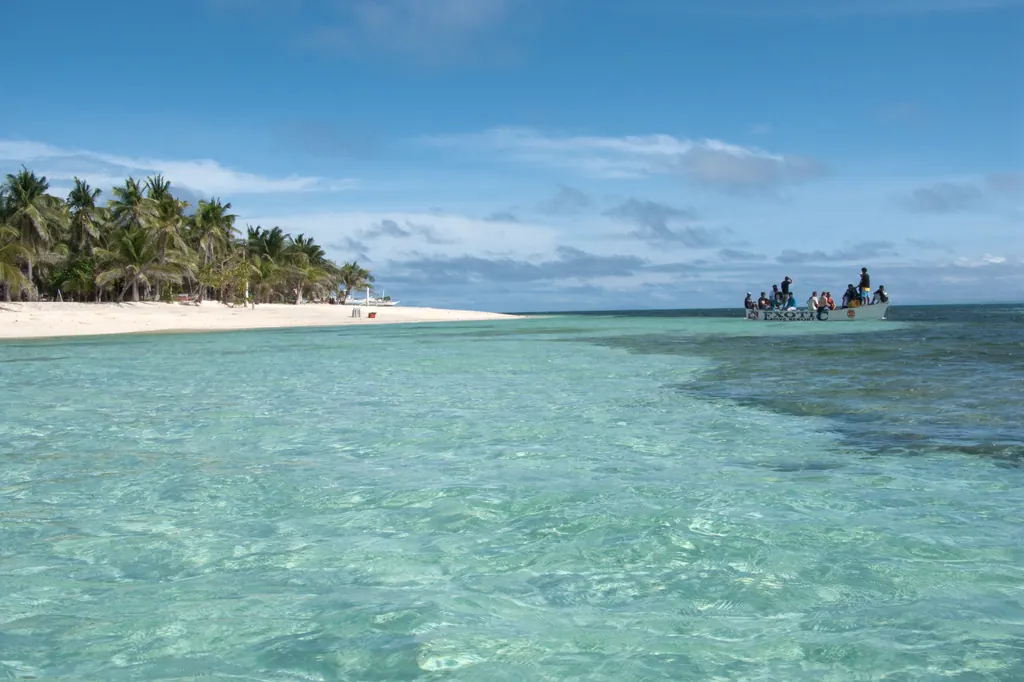
Bantayan, off the northwest coast, is for doing very little. The beaches around Santa Fe are wide, white and calm, with few big resorts and not much nightlife.
Should you swim with the whale sharks at Oslob?
Oslob, on Cebu's southeast coast, runs the most debated tour in the country. Each morning, fishermen in small boats feed krill to whale sharks just offshore while visitors snorkel or watch a few meters away. Sightings are almost guaranteed. Since March 2025, foreigners have paid an environmental fee of around 1,000 pesos (about $16), with transport from Cebu City on top.
Researchers have watched Oslob for more than a decade. A study published in PeerJ in 2014 found that feeding had changed how long individual sharks stayed, and later work found some sharks had become year-round residents, which the authors warned could disrupt natural feeding and migration and create dependency. Propeller injuries have also been recorded. The money has been real for a fishing community that had little else, which is why the tours continue.
Our view: know that you are paying for a feeding show, not a wild encounter. For natural sightings, Donsol in Sorsogon, on the southern tip of Luzon, is known for whale sharks in a season usually cited as roughly December to May, with nothing guaranteed. Wherever you go, keep your distance, never touch the sharks and skip the flash. We look at similar trips off Honduras in our guide to reefs and wildlife in Central America.
Where else are the best reefs?
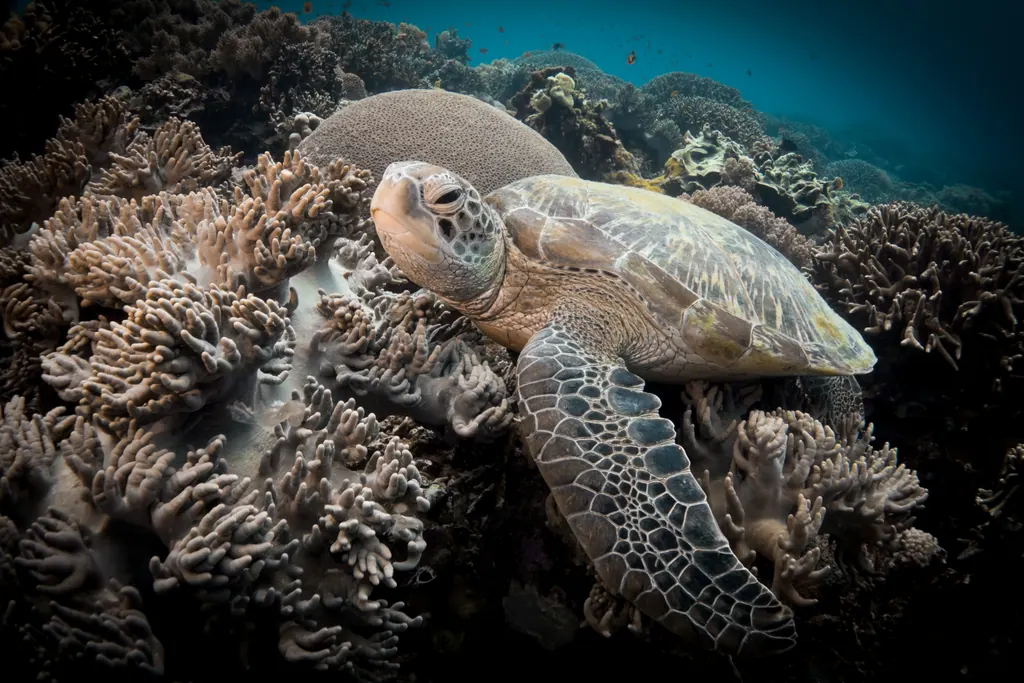
Apo Island, off southern Negros near Dumaguete, is the country's best-known marine protection success. Islanders set up a no-fishing sanctuary in 1982 with guidance from scientists at Silliman University, and the reef is still in good shape, with green sea turtles feeding in the shallows close to shore. Boats leave from Malatapay, south of Dumaguete, and visitors pay a small fee on the island, around 300 pesos (about $4.80) for foreigners in recent reports. Back on the mainland, Dauin is known for muck diving, searching sandy slopes for frogfish and nudibranchs.
Bohol and Panglao make the easiest beach holiday in the Visayas. Panglao, linked to Bohol by bridges, has Alona Beach with its dive shops and an international airport that opened in 2018. Boats run to Balicasag Island, a marine sanctuary with walls and turtles, and early trips look for dolphins off Pamilacan. On Bohol itself, the Philippine Tarsier Sanctuary in Corella shows the tiny primates quietly, since noise and touch stress them.
Camiguin, between Bohol and Mindanao, sees far fewer visitors. Its highlights on the water are White Island, a bare sandbar off the north coast, Mantigue Island and the Giant Clam Sanctuary. Ferries come from Balingoan on Mindanao and Jagna on Bohol.
Puerto Galera, on the northern tip of Mindoro, is the nearest serious dive area to Manila. It sits on the Verde Island Passage, which marine biologists Kent Carpenter and Victor Springer identified in 2005 as the "center of the center" of marine shore fish diversity. Sabang is the dive base and White Beach the swimming beach; both fill up with Manila crowds on weekends.
Is Boracay still worth it?
Boracay's White Beach, about 4 kilometers of fine pale sand, is still one of the prettiest in the country, and also the most developed. The government closed the island to tourists for six months in 2018 for a cleanup after years of sewage problems and overbuilding, and it reopened with tighter rules. Expect resorts, restaurants and sunset sails on paraw outriggers rather than empty sand. In 2025-2026, foreigners paid an environmental fee of around 300 pesos (about $4.80) plus a terminal fee of around 150 pesos (about $2.40) each way at the Caticlan jetty. It suits a beach holiday with comfort and nightlife better than a reef trip.
When is the best time to go?
The weather service PAGASA divides the year into a dry season from December to May and a rainy season from June to November. December to February is the most comfortable and busiest stretch; March to May is hot and usually brings the calmest seas in Palawan and Cebu.
Typhoons are the main risk. PAGASA says around 20 tropical cyclones form in or enter the Philippine area each year, and 8 or 9 on average cross the country. The peak is July to October, though storms can come as late as December. In the rainy season, leave a spare day around flights and ferries, since the coast guard cancels sailings when storms approach. Moalboal's sardines and Malapascua's threshers can be seen year-round when the sea allows.
Are any islands off limits?
Most places in this guide are not covered by travel warnings, but Mindanao needs care. As of October 29, 2026, the UK Foreign Office advises against all travel to western and central Mindanao and the Sulu archipelago, and against all but essential travel to the rest of Mindanao, with Siargao, Camiguin and Dinagat specifically excluded. Advice changes, so check both the UK and U.S. versions before booking; our travel tips cover insurance and planning.
How many islands can you fit in?
Fewer than you think. Each new island usually costs half a day or more in transfers, so two bases in two weeks is comfortable and three is plenty.
- Lagoons and scenery: El Nido and Coron, linked by ferry.
- Diving on a short trip: Cebu, with Moalboal, Malapascua or both, plus Apo Island if you have time.
- Surf and a slower pace: a week or more on Siargao.
- An easy first visit: Panglao, with a day on Balicasag.
- A few days from Manila: Puerto Galera.
Book domestic flights early for the December to April high season, carry cash for fees and boats, and pack reef-safe sunscreen and your own mask. For more on the country, start at our Philippines destination page.
Frequently asked questions
Is El Nido or Coron better for a first visit to Palawan?
El Nido has more beaches, hotels and the famous lagoon tours, while Coron is better for wreck diving and the lakes on Coron Island. A fast ferry links them in around four hours, so many travelers spend a few days in each.
Do you need to be a certified diver to see the thresher sharks at Malapascua?
Yes. The cleaning stations at Monad Shoal lie around 20-30 meters deep, so you need at least an open water certification, and some dive shops prefer advanced divers. Courses are available on the island.
Can you snorkel with the Moalboal sardines without a boat?
Yes. The sardine shoal lives on the reef just off Panagsama Beach, so you can swim out from shore with a mask and fins. Turtles are often seen on the same reef.
How much cash should you carry for island-hopping fees?
Plan for several hundred pesos per day in local fees on top of the tour price, for example the El Nido eco-tourism fee of around 400 pesos (about $6.50) in 2026 and entry fees at lagoons and lakes. Small notes help, since change can be scarce on boats.
Is it safe to visit Siargao and Camiguin?
As of October 2026, the UK Foreign Office specifically excludes Siargao, Camiguin and Dinagat from its warnings for Mindanao. Check the latest UK and U.S. advice before you book, since it can change.