Ask a Filipino friend what they brought back from a weekend in Baguio and the answer will rarely be a fridge magnet. It will be a jar of ube jam, a bag of peanut brittle and a woven table runner, divided among parents, cousins and coworkers before the suitcase is even unpacked. That habit has a name, pasalubong, and once you understand it, shopping in the Philippines starts to make sense.
The country gives you two very different ways to spend money. On one side are some of the largest air-conditioned malls in Asia, with fixed prices and food courts. On the other are street markets, craft villages and roadside stalls where the price is a conversation. This guide walks you from Manila's malls and bargain districts to the weaving towns of the north and the pasalubong shops of Cebu, Negros and Palawan, with what to buy, roughly what it costs and how to bargain without being rude.
What is pasalubong, and why does every town have a specialty?
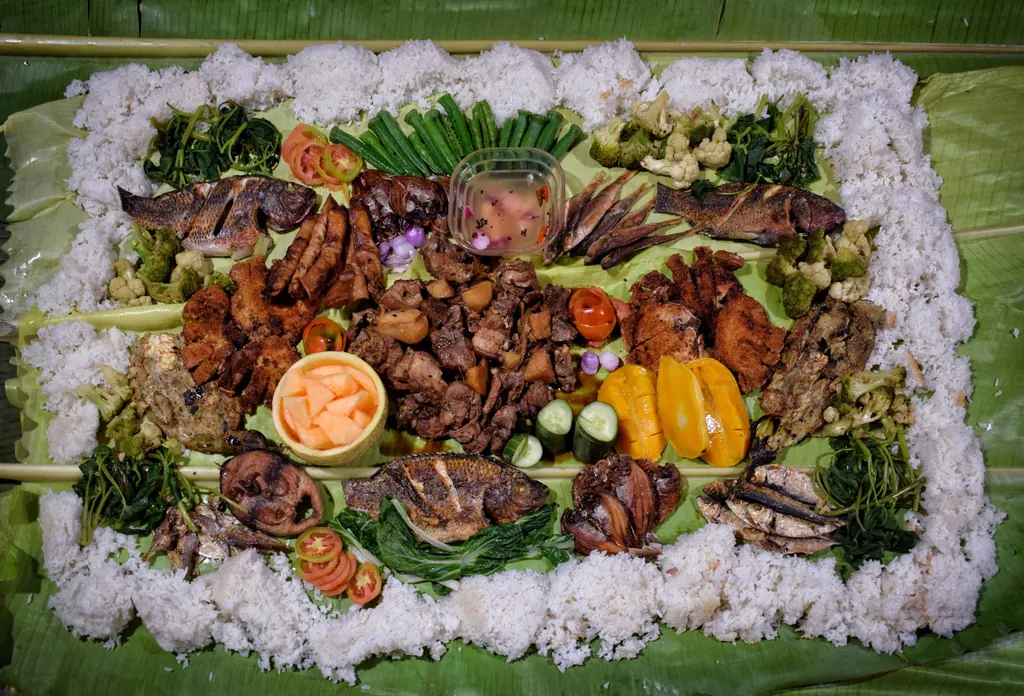
Pasalubong is a gift you bring home from a trip, usually something the place you visited is known for. It is less about luxury and more about proof that you thought of people while you were away. Because of this, almost every Philippine town has a product it sells to travelers, and many have shops that exist only to sell it: boxed pastries in Dumaguete, dried mangoes in Cebu, cashews in Palawan, jams in Baguio.
For you as a visitor, this is good news. Pasalubong shops are clean, priced, and used to packing things for flights. Most of what they sell is food, so if you want to know what those pastries and dried fish taste like before you buy a kilo, our guide to food in the Philippines covers the dishes. Here we focus on what travels well and where to find it.
Manila's mega malls: are they worth your time?
Manila does malls on a scale that surprises most first-time visitors. SM Mall of Asia on the Pasay bayfront, SM North EDSA in Quezon City and SM Megamall in Mandaluyong each have close to half a million square meters of floor space, and they function as town squares as much as shopping centers, with churches, ice rinks, cinemas and clinics under one roof.
For a traveler, they are most useful for fixed-price crafts. The Kultura chain, with branches in SM Megamall, SM Mall of Asia and several other malls, sells abaca and rattan bags, wood carvings, barong shirts, pearl jewelry and packaged delicacies. Prices are higher than at a market, but quality is consistent and you will not need to haggle.
Greenhills, Divisoria and Quiapo: where Manila bargains
Greenhills Shopping Center in San Juan is the comfortable entry point. Its tiangge, a sprawling bazaar of stalls in the central hall and corridors, sells clothes, bags, gadgets and souvenirs, and the complex is best known for its pearl sellers. Many stalls sell strands that cost far less than you might expect. That is the clue: true South Sea pearls, from the gold-lipped oyster that the Philippines declared its national gem in 1996, are expensive anywhere. Most of the cheap strands are freshwater pearls, which can still be pretty and a fair buy, as long as you are not paying South Sea prices. Ask what you are buying, check the clasp and wire, and compare a few stalls before you choose.
Divisoria, spread across Tondo, Binondo and San Nicolas, is the city's wholesale engine. The 168 Shopping Mall is a maze of hundreds of stalls selling clothing, shoes and toys; Divisoria Mall handles general merchandise; and Tutuban Center occupies the former Tutuban railway station, whose brick wing dates from the 19th century. Prices are low, especially if you buy several of one item, but the crowds are intense. Go on a weekday morning, carry only what you need, keep your phone in a front pocket, and avoid the weeks before Christmas unless you enjoy standing still in a crowd.
Quiapo, near the famous basilica, hides Manila's best craft market in an unlikely spot. Under the Quezon Bridge, the stalls known locally as Ilalim ng Tulay ("under the bridge") sell bamboo baskets, capiz shell lamps, wicker trays and carved kamagong and acacia wood. These are the same goods sold in mall gift shops, often for a fraction of the price: an acacia serving plate sells here for around 100 pesos (about $1.60), and lampshades start around 400 pesos (about $6.50). Many stalls open early in the morning and close around 5 p.m.
Vigan: abel weaving and burnay pottery
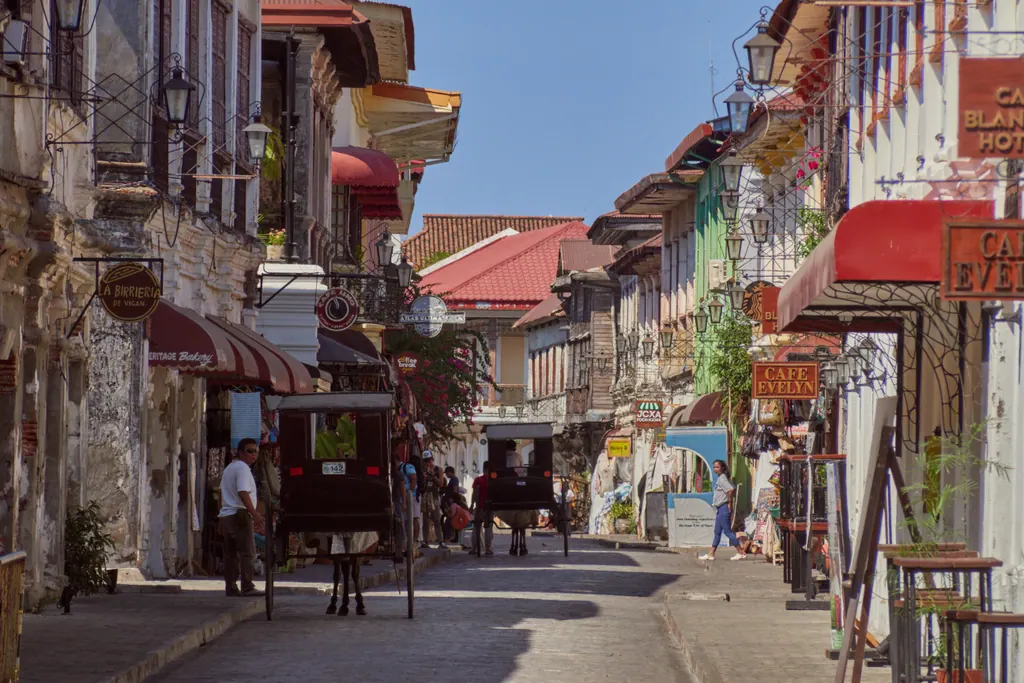
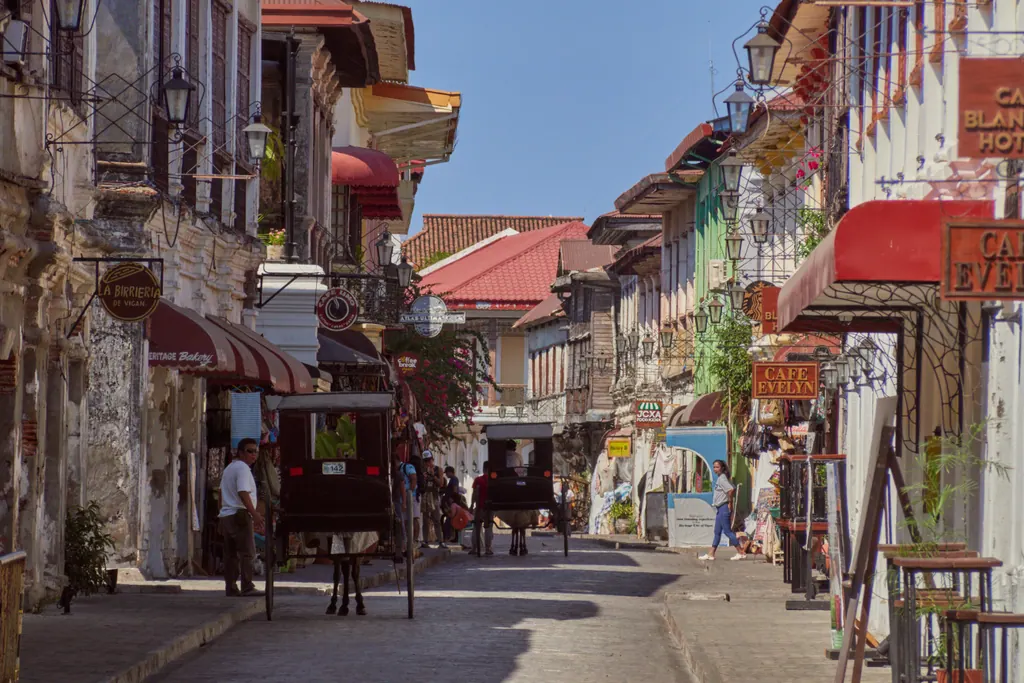
Vigan, the Spanish colonial town in Ilocos Sur that UNESCO inscribed as a World Heritage Site in 1999, is the best place in the country to buy crafts with a clear sense of where they came from. Calle Crisologo, the cobblestoned main street, is lined with ancestral houses whose ground floors have become souvenir shops. Much of it is generic, but two local products are worth finding.
The first is abel, or inabel, the Ilocano handwoven cotton cloth. According to the Philippine Department of Tourism, it was traditionally woven by Ilocano women on wooden looms at home, and it is soft, sturdy and patterned with geometric designs. You will find it as blankets, table runners, shawls, tea towels and bags. Prices vary widely by size and quality, from around 300 pesos (about $5) for a small item to 1,500 pesos (about $24) or more for a blanket. Hand-loomed pieces cost more than machine-made ones that copy the patterns; ask the seller which you are looking at.
The second is burnay, the unglazed brown clay jar that Ilocanos used long before the Spanish arrived to store water, rice, vinegar and salt. In the Pagburnayan district, potters still shape jars on kick wheels, and some workshops use a carabao to knead the clay. Visitors can watch, and small jars sell for around 100 pesos (about $1.60), while large ones can cost 800 pesos (about $13) or more. Big jars are heavy and fragile, so a small one or a set of cups is the realistic choice if you are flying home.
Baguio and Banaue: weaving and woodcarving in the Cordillera
The cool mountain city of Baguio is the shopping hub of the Cordillera, and many Filipinos come here specifically to stock up on pasalubong.
Easter Weaving Room on Easter Road in Guisad was founded more than a century ago by an American missionary, and it still produces and sells Cordillera textiles. You can watch weavers at work on the looms and buy handwoven fabric, bags and table linen, along with wood carvings and baskets.
Good Shepherd Convent on Gibraltar Road is the other essential stop. Its Mountain Maid Training Center sells the ube jam that half the country associates with Baguio, plus strawberry jam and peanut brittle. The jam is so popular that resellers mark it up: in 2022, the Philippine Daily Inquirer reported that a 24-ounce jar cost 350 pesos (about $5.60) at the convent but up to 600 pesos (about $9.70) elsewhere, and the convent began giving tourists priority. Buy it at the source, and expect a limit per customer on busy days.
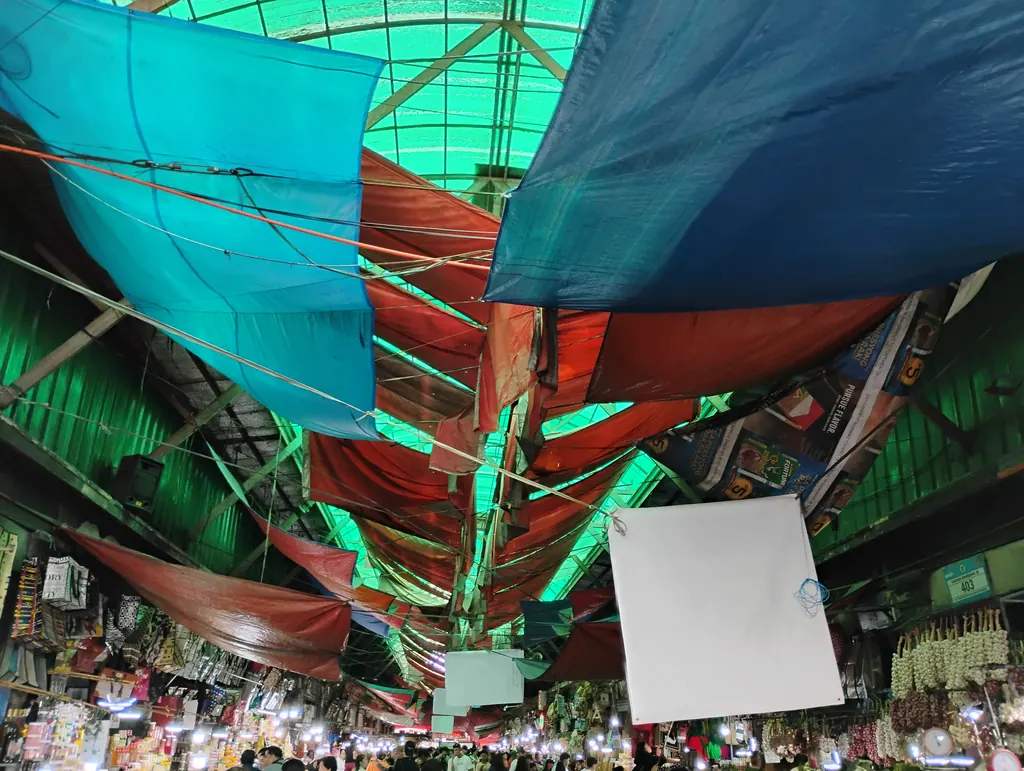
The Baguio City Public Market downtown is where locals shop, and it is good for strawberry products, peanuts, local coffee and inexpensive woven goods.
Further north, in the rice terrace country around Banaue, woodcarving is the main craft. The bulul, a carved figure traditionally representing an Ifugao rice deity or ancestral spirit, is the classic piece. Researchers at UCLA's Fowler Museum note that most bulul made today are carved for sale to visitors, and that tourism has pushed carvers toward smaller items such as spoons, bowls and bulul-shaped pendants and earrings. A "very old" bulul at a roadside stall is almost certainly new. If you are heading to the terraces, our guide to the Philippines' volcanoes and rice terraces covers the region itself.
Cebu: guitars from Mactan and dried mangoes for everyone
On Mactan Island, close to the airport, the barangay of Abuno in Lapu-Lapu City has been building guitars for generations. Family workshops and larger factories such as Alegre Guitars, near the Maribago road, and New Susing's Guitars make classical and acoustic guitars, ukuleles and other string instruments from woods such as jackfruit and narra. Visitors can usually walk through the workshops and watch instruments being made. A ukulele is an easy carry-on; for a full guitar, ask the shop for a hard case.
Back in Cebu City, Taboan Market in San Nicolas is where Cebuanos buy pasalubong in bulk. It is famous for danggit, a small dried rabbitfish, along with dried squid and other dried seafood sold by the kilo, and it is one of the cheaper places to buy dried mangoes. The smell clings to clothes, so make it your last stop, and ask the vendors to vacuum-pack or double-bag your purchases for the plane. Cebu's dried mangoes, from brands such as 7D and Philippine Brand, are also sold in supermarkets and at Mactan-Cebu International Airport, at slightly higher prices.
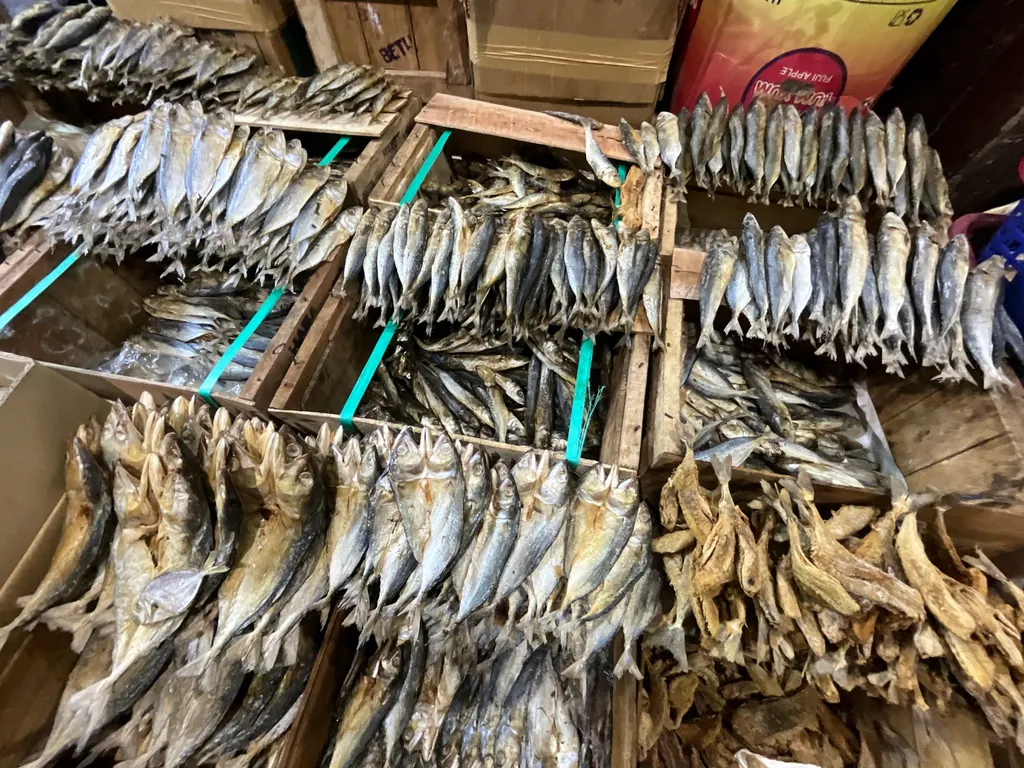
In Oslob, on Cebu's southern tip, most visitors come for the whale sharks and leave the same day. The town's public market is small, but in the early morning it is busy with fish, fruit, dried danggit and snacks, and it is a pleasant, low-key place to pick up dried mangoes or local sweets without the city crowds.
Tagaytay, Dumaguete and Puerto Princesa: pasalubong stops
- Tagaytay, the ridge town above Taal Lake that Manila residents visit for the cool air, is the home of buko pie, a young coconut custard pie. Rowena's is the best-known name; a whole pie has sold for around 300 pesos (about $5). Bahay Pastulan, the Good Shepherd Sisters' store on the Santa Rosa-Tagaytay Road, sells buko pie alongside ube jam, coco jam and suman. Mahogany Market is mainly a produce and food market rather than a souvenir stop.
- Dumaguete in Negros Oriental is the capital of silvanas: frozen cashew meringue wafers sandwiched with buttercream and rolled in cookie crumbs. Sans Rival Cakes and Pastries, which opened in 1977, made them famous, and boxes of silvanas are a standard gift from the city. They need to stay cold, so buy them the day you leave and ask for an insulated bag.
- Puerto Princesa on Palawan is known for cashew nuts and pearls. Baker's Hill, a bakery that grew into a hillside garden, sells cashews, hopia and other pastries. Pearl jewelry is sold in markets and shops around the city, and the same advice as in Greenhills applies: be clear on whether you are buying South Sea or freshwater pearls, and check what the metal fittings are made of.
How do you bargain in the Philippines?
Bargaining, or tawad, is expected in markets, tiangge stalls and craft villages, and it is not expected in malls, supermarkets or pasalubong shops with printed prices. The tone matters more than the number. Filipinos bargain politely, with a smile, and an aggressive approach usually makes a seller less flexible, not more.
- Ask the price first, then ask gently if there is a discount. A friendly "Tawad naman po?" ("A discount, please?") goes a long way.
- Expect modest reductions, often 10-20 percent, and more when you buy several items from the same stall.
- Carry small bills. A 1,000-peso note for a 150-peso purchase is hard to change early in the morning.
- Walk away politely if the price does not work. You can always come back.
Mall stores accept cards, but markets and many smaller pasalubong shops are cash only. For transport between these shopping towns, see our guide to getting around the Philippines.
Our advice for shopping on a Philippines trip
Plan your gift shopping like Filipinos do: buy each product where it comes from, near the end of your stay in that place, so fragile and perishable items spend as little time in your luggage as possible. Use the malls for fixed-price backups and the markets for value. Skip anything made from coral, turtle shell or other protected marine life, which you may not be allowed to take out of the country or bring home. And leave space in your bag: with pasalubong in every town, it fills faster than you expect.
For more ideas across the country, browse our Philippines destination page and our other shopping guides.
Frequently asked questions
What is the best souvenir to buy in the Philippines?
It depends on where you are. Good choices are abel woven cloth from Vigan, Cordillera textiles from Baguio, a ukulele from Mactan, capiz shell or wooden crafts from Quiapo in Manila, and food pasalubong such as dried mangoes from Cebu or ube jam from Baguio.
Are the pearls sold in Greenhills real?
Many are real pearls, but most of the inexpensive strands are freshwater pearls rather than the much pricier South Sea pearls. Ask the seller which type you are buying, check the clasp and fittings, and compare several stalls before paying.
Is Divisoria safe for tourists?
Divisoria is busy rather than dangerous, but the crowds make it a target for pickpockets. Go on a weekday morning, bring only the cash you need, keep your phone and wallet in front pockets, and avoid the weeks before Christmas, when it is most crowded.
Can I take dried mangoes and dried fish home from the Philippines?
Sealed, commercially packed dried mangoes are generally easy to fly with. Rules for dried fish and other foods depend on the country you are flying to, so check its customs rules and declare food on arrival. Ask Taboan Market vendors to vacuum-pack dried fish to contain the smell.
Can I pay by card when shopping in the Philippines?
Malls, department stores and larger pasalubong shops accept cards, but markets, tiangge stalls and craft workshops usually want cash. Carry small peso bills, since vendors often cannot change a 1,000-peso note.
- Philippine Department of Tourism: Bring the Philippines Home with These Cultural Treasures
- UNESCO World Heritage Centre: Historic City of Vigan
- Philippine Daily Inquirer: Baguio tourists given first crack at Good Shepherd ube
- Proclamation No. 905, s. 1996: The South Sea pearl as national gem
- UCLA Fowler Museum, Vital Matters: Bululs as souvenirs for visitors
- The Manila Times: Weaving for a century (Easter Weaving Room)