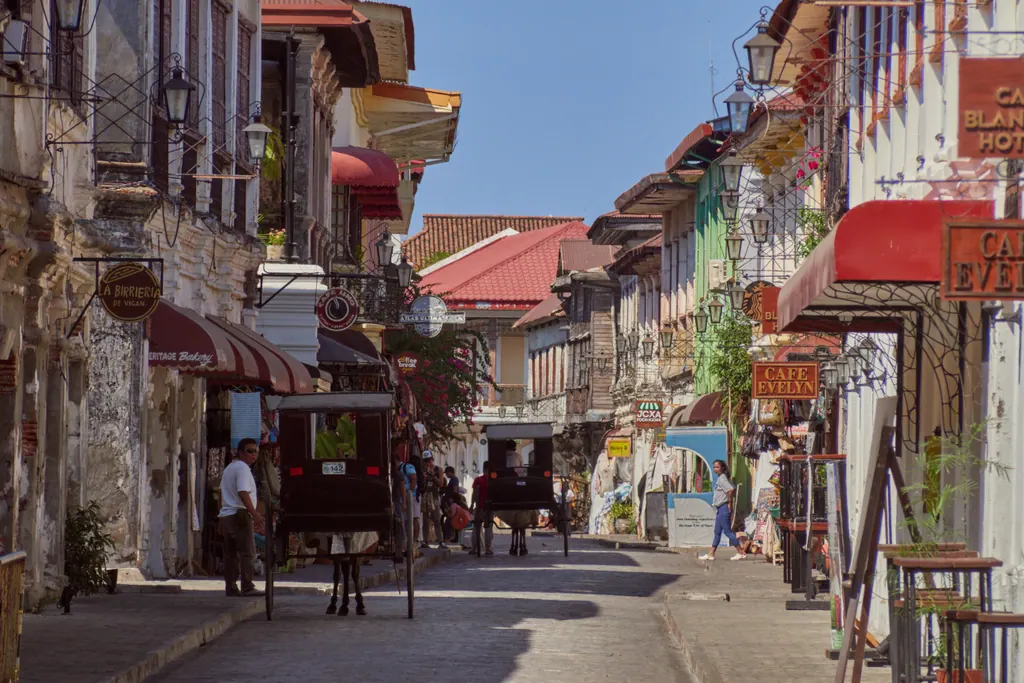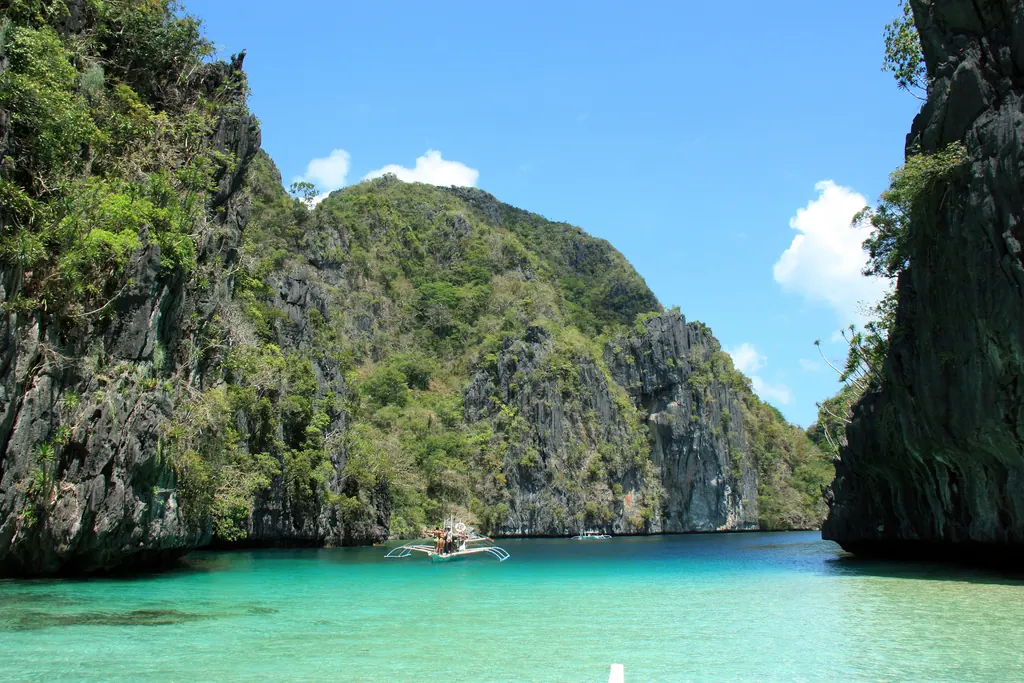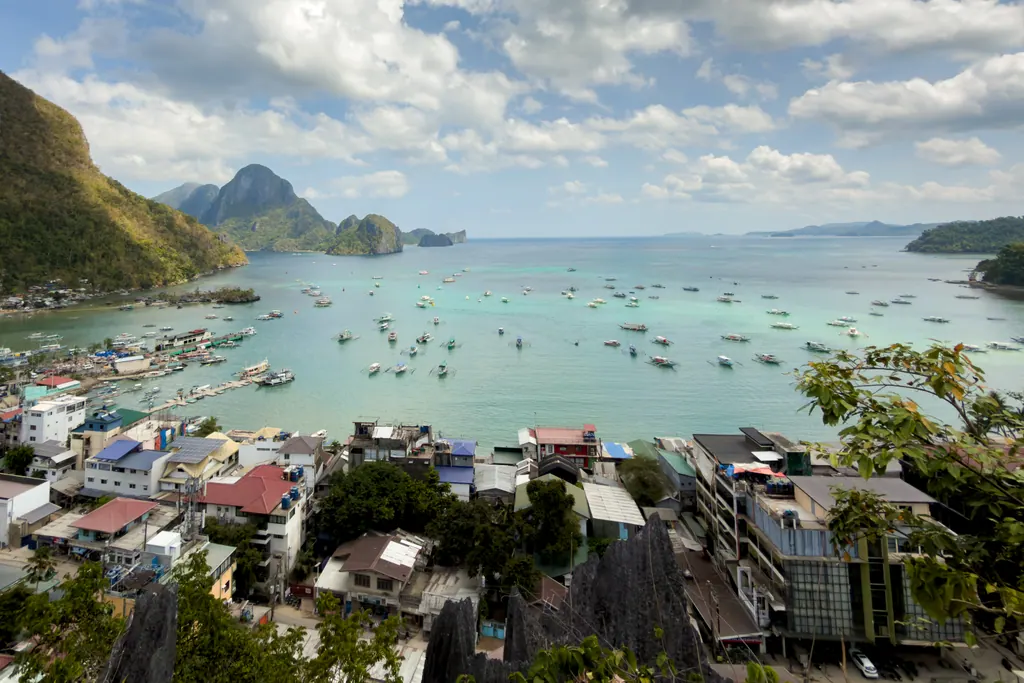
The Philippines is made up of 7,641 islands, and almost every trip here becomes a chain of transfers. A typical day can start in a tricycle at dawn, continue on a turboprop with a 7 kg hand luggage limit, and end on a wooden outrigger boat bouncing across a channel to an island with no airport at all. Each link is cheap and usually works, but the timing rarely lines up the way it does on a map.
That is why transport deserves more planning in the Philippines than in most of Southeast Asia. Schedules shift with the weather, airports have changed in 2026, and the cheapest option is not always the one that gets you there before dark. Below we go through the airports, domestic flights, ferries, buses and the small vehicles that do the last few kilometers, with fares in pesos and a few sample routes.
Arriving in Manila: what happens after you land?
Most long-haul travelers land at Ninoy Aquino International Airport (NAIA) in Pasay, on the southern edge of Metro Manila. NAIA has several terminals that are not connected airside, and the airline assignments were reshuffled again in spring 2026, when a group of foreign carriers moved from Terminal 1 to Terminal 3 and AirAsia's international flights moved to Terminal 1. The only safe rule is to check the terminal on your booking a day or two before you fly, not the one you remember from your last trip.
If you connect between terminals, budget at least three hours. There is a free inter-terminal shuttle for passengers with an onward ticket, but frequency has varied, and Manila's traffic can turn a short drive into 45 minutes.
Getting into the city is easier than it used to be:
- Grab: the airport operator allows accredited ride-hailing services such as Grab to pick up at NAIA. Follow the app's directions to the designated pickup bay. A ride to Makati typically cost around 200-500 pesos (about $3.20-8.10) in 2026, depending on traffic and demand.
- Airport taxis: yellow metered airport taxis and fixed-price coupon taxis queue outside arrivals. They cost more than Grab but are a reasonable fallback. The UK Foreign Office advises using only taxis from reputable companies, especially to and from the airport.
- Hotel transfers: worth considering if you land late at night.
Avoid drivers who approach you inside the terminal, and agree on the meter or the price before you set off.
Is Cebu a better gateway?
For many beach trips, yes. Mactan-Cebu International Airport sits on Mactan Island, connected by bridges to Cebu City, and it has direct flights from several Asian hubs. From Cebu you can reach Bohol, Siargao, Palawan and the dive towns of southern Cebu without passing through Manila at all.
The cheapest way into the city is MyBus, which ran from both terminals to SM City Cebu for around 50 pesos (well under $1) in 2026. A taxi to Cebu City usually costs around 250-500 pesos (about $4-8.10), and Grab is available too. If you are heading to Moalboal or Oslob, go straight to the Cebu South Bus Terminal; for Malapascua and Bantayan, use the North Bus Terminal.
Which domestic flights reach the islands?
Two airline groups dominate: Philippine Airlines (with its regional arm PAL Express) and Cebu Pacific (with its turboprop subsidiary Cebgo). AirAsia Philippines and Sunlight Air fly a smaller network. Fares are low if you book ahead, but check what is included. Promo fares often come with only a 7 kg carry-on, and checked bags are much cheaper when you add them online than at the airport counter.
Two changes in 2026 matter for travelers:
- Turboprops left Manila. Following a slot committee order, Philippine Airlines and Cebu Pacific moved their remaining turboprop flights from NAIA to Clark International Airport on March 29, 2026. Clark is about 80 km northwest of Manila. P2P buses ran from NAIA Terminal 3 to Clark for around 450 pesos (about $7.30) in early 2026, and the ride takes 2.5-3 hours.
- AirSWIFT became Cebgo. The small airline that built the El Nido route was folded into Cebgo on July 1, 2026. Flights carry the DG code now, and Cebu Pacific said the schedules did not change.
| Destination | Airport | Main connections in 2026 | Onward transfer |
|---|---|---|---|
| Boracay | Caticlan (MPH) | Manila, Cebu | Short ride to Caticlan jetty port, then a 15-minute boat |
| Boracay (alternative) | Kalibo (KLO) | Manila, Cebu, some international | About 1.5-2 hours by van to Caticlan |
| El Nido | Lio (ENI) | Clark, Cebu and some island hops, on small ATR planes | Short ride to El Nido town |
| Puerto Princesa | PPS | Manila, Cebu | Tricycle to town; vans north to El Nido |
| Coron | Busuanga (USU) | Clark, Cebu; check for Manila services | About 30-40 minutes by van to Coron town |
| Siargao | Sayak (IAO) | Cebu, Clark, Davao, all on turboprops | About 45 minutes by van to General Luna |
| Bohol | Panglao (TAG) | Manila, Cebu, some international | Short drive to Alona Beach |
Siargao is the one that catches people out: there is no longer a direct flight from Manila. Most travelers connect in Cebu, where the flight takes about an hour. Small turboprop airports also cancel more often in bad weather, so avoid booking the last flight of the day if you have an international connection the next morning.
How do ferries and bangkas work?
Boats are not a backup option in the Philippines. They are part of the main network, and on many routes they are the only way in.
Large ferries. 2GO runs the big overnight ships, including a roughly weekly sailing between Manila and Coron that takes about 12-13 hours. These ships have bunk cabins and are a good choice if you have more time than money, but schedules are thin, so check them early.
Fast craft. Enclosed, air-conditioned fast ferries link the busiest island pairs. OceanJet's Cebu to Tagbilaran (Bohol) crossing takes about two hours, and a tourist-class seat cost around 880 pesos (about $14) in mid-2026 after a fuel surcharge was reduced. Fast craft between Coron and El Nido take roughly 3.5-5 hours and cost around 1,800 pesos (about $29). From Surigao on Mindanao, fast craft cross to Dapa on Siargao in 1.5-2 hours for around 400-500 pesos (about $6.50-8.10).
Bangkas. The wooden outrigger boats are the island hoppers and short-hop ferries. Public bangkas cross from Maya in northern Cebu to Malapascua in about 35-45 minutes for around 200-240 pesos (about $3.20-3.90), plus a municipal environmental fee. Public boats like these usually leave when they are full, so late in the day you may have to wait or pay extra to charter the whole boat.
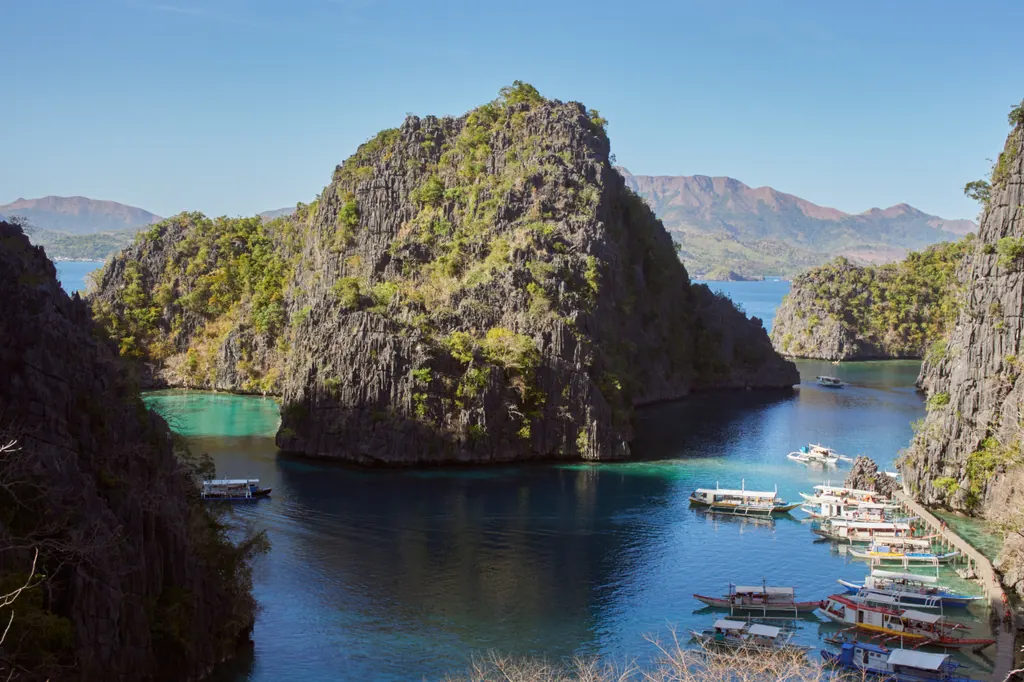
Buying tickets. OceanJet, 2GO and several other operators sell online, and booking ahead is wise on popular routes during Christmas, Holy Week and Philippine summer holidays from March to May. Smaller routes and bangkas are cash only at the port. Bring your passport, arrive at least an hour early, and expect a small terminal fee on top of the ticket. Boracay has its own system: arriving visitors pay an environmental fee of 300 pesos (about $4.80) for foreigners plus a terminal fee, with prepayment through the Boracay iPass system introduced for 2026.
Weather and cancellations. When the weather bureau PAGASA raises a Tropical Cyclone Wind Signal, the Philippine Coast Guard routinely suspends sea travel for the affected area, sometimes for several days. Storms are most frequent between June and December. Build a buffer day into any itinerary that ends with a boat and then a flight home.
Safety. The UK Foreign Office notes that the ferry network has a poor safety record and that some boats lack lifesaving equipment. Avoid overcrowded boats, check that there are life jackets on board before you leave, and do not board a small bangka in rough seas just because the boatman is willing. Keep your passport and phone in a dry bag.
Buses and vans on the bigger islands
On Luzon, Palawan and Cebu, buses and air-conditioned vans cover the routes that flights and ferries do not.
North from Manila. Overnight buses are the standard way to the rice terraces. Coda Lines and Ohayami run Manila to Banaue in about nine hours, with fares around 600-800 pesos (about $9.70-13). From Banaue, a jeepney or van to Sagada takes about three hours for around 300-350 pesos (about $4.80-5.60), or you can change in Bontoc. Jeepneys out of Sagada leave early and thin out after lunch. For Vigan, Partas runs overnight buses from Cubao in Quezon City; expect 7-10 hours and around 960-1,160 pesos (about $15-19) in 2026.
Palawan. The most common overland ride in the country is Puerto Princesa to El Nido. Shared vans from the San Jose terminal take 5-6 hours and cost around 650 pesos (about $10) in 2026, with surcharges for large bags on some operators. Ordinary buses are cheaper at around 350-560 pesos but slower. A private van for a group costs around 4,000-6,000 pesos (about $65-97). Vans leave throughout the day, but the last stretch is dark and winding, so morning departures are the better choice.
Cebu. Ceres Liner buses run from the Cebu South Bus Terminal to Moalboal in about three hours and Oslob in about four, with aircon fares to Oslob around 330 pesos (about $5.30) in 2026. North, buses reach Maya for Malapascua and Hagnaya for the ferry to Bantayan, where the crossing to Santa Fe cost around 300-450 pesos (about $4.80-7.30) in 2026.
Jeepneys, tricycles and habal-habal
Once you arrive, the small vehicles take over.
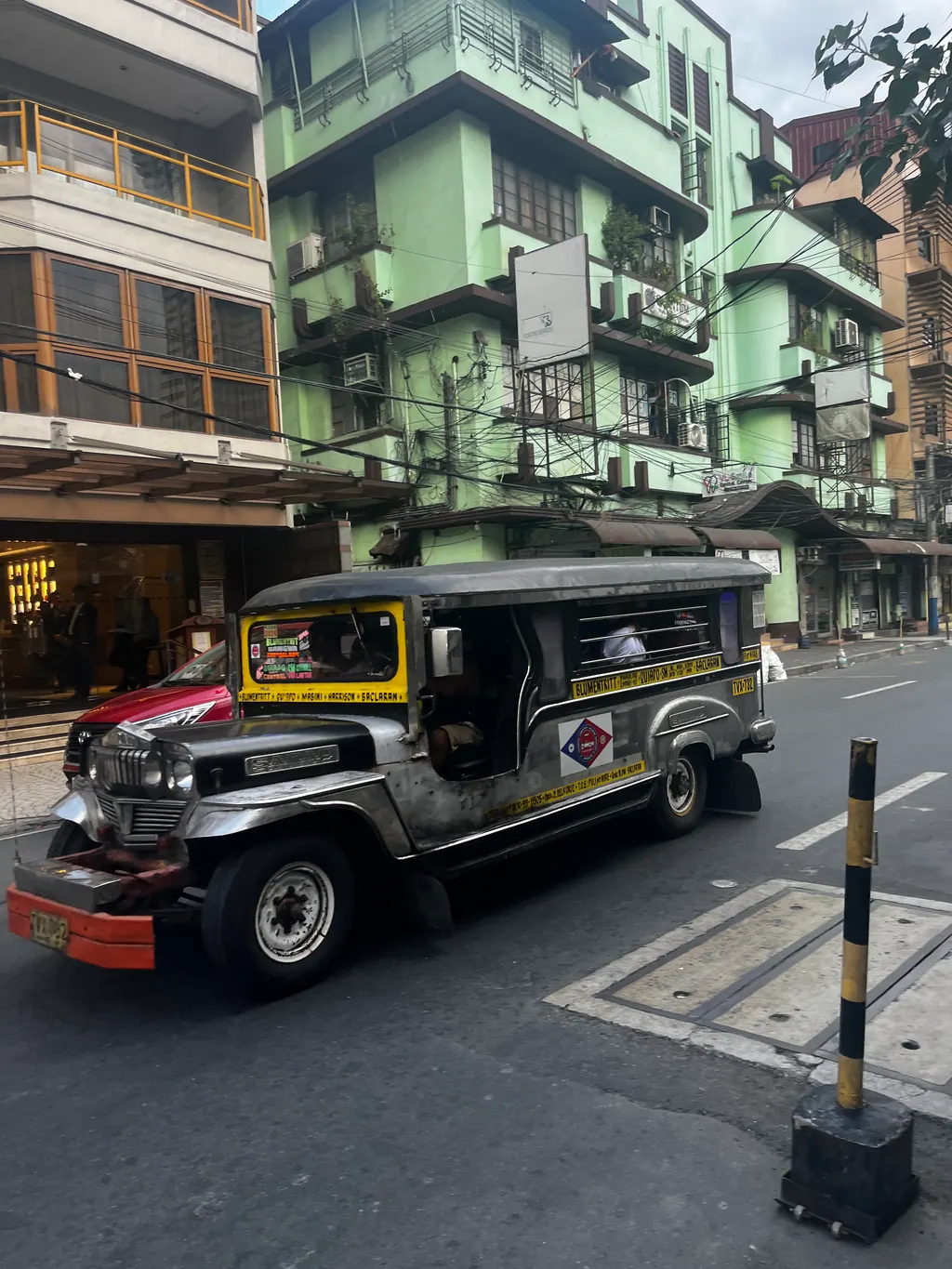
Jeepneys are the long, open-backed minibuses descended from postwar US Army jeeps. They run fixed routes painted on the side, and you pay the driver by passing coins forward through the other passengers. The minimum fare was 14 pesos (about 25 cents) for a traditional jeepney and 17 pesos for a modern one in 2026. They are cheap and a great way to see daily life, but routes are hard to follow without local help, and the UK Foreign Office warns that robberies on jeepneys and buses occur in Manila and other large cities. Keep valuables out of sight.
Tricycles are motorcycles with a covered sidecar, and they are the default taxi in almost every town, from Vigan to Puerto Princesa and Siargao. Shared rides along a fixed road cost a few tens of pesos. If you hire one for yourself (a "special trip"), agree on the price before you get in. Many towns post official tricycle fares at the terminal or tourism office.
Habal-habal is a motorcycle taxi, common in mountain areas and on islands such as Camiguin and Siargao where roads are too rough for tricycles. In cities, app-based motorcycle taxis such as Angkas operate under a government pilot program. They are fast in traffic, but helmets and insurance vary, so think twice with a big backpack.
In Manila, Grab is the simplest choice for most visitors. The LRT and MRT rail lines are useful for crossing the city cheaply, but they are crammed at rush hour.
Should you rent a scooter?
On small islands, a scooter is often the most practical way to get around. Siargao, Bohol, Camiguin, Bantayan and the area around El Nido are all popular for it, and rentals usually cost around 400-700 pesos (about $6.50-11) per day in 2026, less by the week.
The risks are real. Road accidents are common, and the UK Foreign Office points to poor road conditions and loose enforcement of traffic laws. A few rules of thumb:
- Wear a helmet. It is required by law and many rental shops supply one.
- Bring your driving license. Foreign licenses are valid for up to 90 days after arrival.
- Check whether your travel insurance covers motorcycles, and at what engine size.
- Photograph the scooter before you ride off, and avoid driving after dark.
If you are not an experienced rider, hire a tricycle or habal-habal driver for the day instead. It costs a little more and comes with a driver who knows where the potholes are.
Three routes that show how it fits together
Manila to El Nido. Fly from Manila to Puerto Princesa on a jet, then take a morning van north. Or take the P2P bus to Clark and fly direct to El Nido on Cebgo, which saves the six-hour drive but costs more.
Cebu to Siargao and Bohol. Fly Cebu to Siargao (about an hour), stay a week, fly back to Cebu, then take the OceanJet fast craft to Tagbilaran. Overland and by sea, you can do the same loop via Surigao, but it takes most of a day.
Manila to the rice terraces and Vigan. Take the night bus to Banaue, continue to Sagada by jeepney or van, then head down to Baguio and on to Vigan by bus. Allow a week; the roads are slow.
If you are combining several of these, our guide to culture and festivals in the Philippines helps you time the trip around the big fiestas, when transport fills up fast.
How to keep the chain from breaking
- Book flights early, everything else close to departure. Domestic airfares climb as the date approaches; buses and bangkas rarely sell out outside holidays.
- Leave a buffer day before any international flight home, especially in typhoon season.
- Carry small bills. Jeepney drivers, tricycle drivers and port ticket windows rarely have change for 1,000-peso notes.
- Travel light. A 7 kg carry-on plus one checked bag makes turboprops, bangkas and the back of a tricycle much easier.
- Check the terminal and the airport. In 2026, a "Manila" flight can mean NAIA Terminal 1, 2 or 3, or Clark, 2.5 hours away.
For more on the country, see our Philippines destination page, and if you are traveling on a tight budget, our backpacking section has more tips on keeping costs down.
Frequently asked questions
Is Grab available everywhere in the Philippines?
No. Grab works well in Metro Manila, Metro Cebu and other large cities, and it can pick up at NAIA. On islands such as Siargao, El Nido, Coron and Malapascua you rely on tricycles, vans and hired drivers instead.
Can you still fly from Manila to El Nido?
Not from NAIA. Since March 29, 2026, the small turboprop flights to El Nido leave from Clark International Airport, about 2.5-3 hours from Manila by bus. The alternative is a jet flight to Puerto Princesa and a 5-6 hour van ride north.
How far in advance should I book ferries in the Philippines?
For most routes a day or two is enough outside holidays. Book earlier for Christmas, Holy Week and the March to May school vacation, and for the weekly 2GO sailings, which fill up.
What happens to my ferry if a typhoon is coming?
When a Tropical Cyclone Wind Signal is raised, the Philippine Coast Guard usually suspends sea travel in the affected area until conditions improve. Operators normally rebook or refund, but you lose the time, so keep a buffer day before flights home.
Do I need an international driving permit to rent a scooter?
A valid foreign driving license can generally be used for up to 90 days after arrival. Rental shops rarely check, but your travel insurance may not pay out if you ride without the right license or without a helmet.
- GOV.UK: Philippines travel advice, safety and security
- PortCalls: Cebu Pacific turboprop flights from NAIA moving to Clark by March 29
- PortCalls: PAL set to move all turboprop flights out of NAIA by March 29
- The Philippine Star: AirSWIFT flies as Cebgo starting July 1 (June 2026)
- PortCalls: NAIA adjusts international airline terminal assignments from March 29
- Pamasahe: OceanJet fares after fuel surcharge reduction, July 2026
- The Philippine Star: DOTr lifts suspension of PUV fare hike (September 2026)