On a December evening in a Mexican neighborhood, a small crowd gathers in the street with candles. Two people, sometimes children dressed as Mary and Joseph, lead the group to a closed door. Those outside sing a verse asking for shelter. Those inside sing back, refusing. The exchange goes on, verse by verse, until the door finally opens and everyone pours in for food, drink and a piñata.
That scene is repeated across Mexico, parts of Central America and the American Southwest every year in the days before Christmas. If you are traveling to Mexico or Guatemala in December, or you live in a U.S. city with a large Mexican American community, there is a good chance you can see it, or even take part. Here is what the tradition means, how a posada works, and where you can experience one.
What Does "Las Posadas" Mean?
Posada is Spanish for "inn" or "lodging", and las posadas means "the inns". The celebration reenacts the story from the Gospel of Luke in which Mary and Joseph travel to Bethlehem and search for a place to stay before Jesus is born.
Las Posadas is held over nine nights, from December 16 to December 24. The nine nights are often explained as representing the nine months of Mary's pregnancy, and they also echo the Catholic tradition of a novena, nine days of prayer. In 2026, the first posada falls on Wednesday, December 16, and the last on Christmas Eve, Thursday, December 24.
Where Did the Tradition Come From?
Las Posadas grew out of the meeting between Spanish Catholicism and Indigenous Mexico in the 1500s. According to the Augustinian order, Fray Diego de Soria, prior of the monastery of San Agustín Acolman near the ruins of Teotihuacan, received permission from Pope Sixtus V in 1587 to celebrate special Christmas masses, the misas de aguinaldo, from December 16 to 24. These masses included scenes from the Christmas story, songs and lights, and they were used to teach the story to local communities.
Over time, the celebration moved out of the churches and into the streets and homes, where it became the neighborhood tradition known today. Acolman still celebrates its role, and the town is known for its handmade Christmas piñatas.
How Does a Posada Work?
There is no single script, and every family, parish and neighborhood does it a little differently. A typical posada has these elements:
- The procession. Participants gather at dusk, often carrying candles or small paper lanterns. Mary and Joseph lead the way, played by people in costume or represented by small figures. Sometimes an angel or shepherds join them.
- Asking for lodging. The group stops at a door, often the home hosting that night's posada. Outside, the "pilgrims" sing verses of a traditional song asking for shelter. Inside, the "innkeepers" sing verses turning them away.
- The door opens. In the final verses, the hosts recognize Mary and Joseph and invite everyone in. The song turns joyful, and the guests enter.
- Prayer. Many posadas include a short prayer or a rosary, especially those organized by churches.
- The party. Then come the food, the drinks, the music and the piñata.
The song is often known by its opening line, "En nombre del cielo, os pido posada" ("In the name of heaven, I ask you for shelter"). You do not need to know the words to join in, since printed lyrics are often handed out.
Why Is There a Piñata?
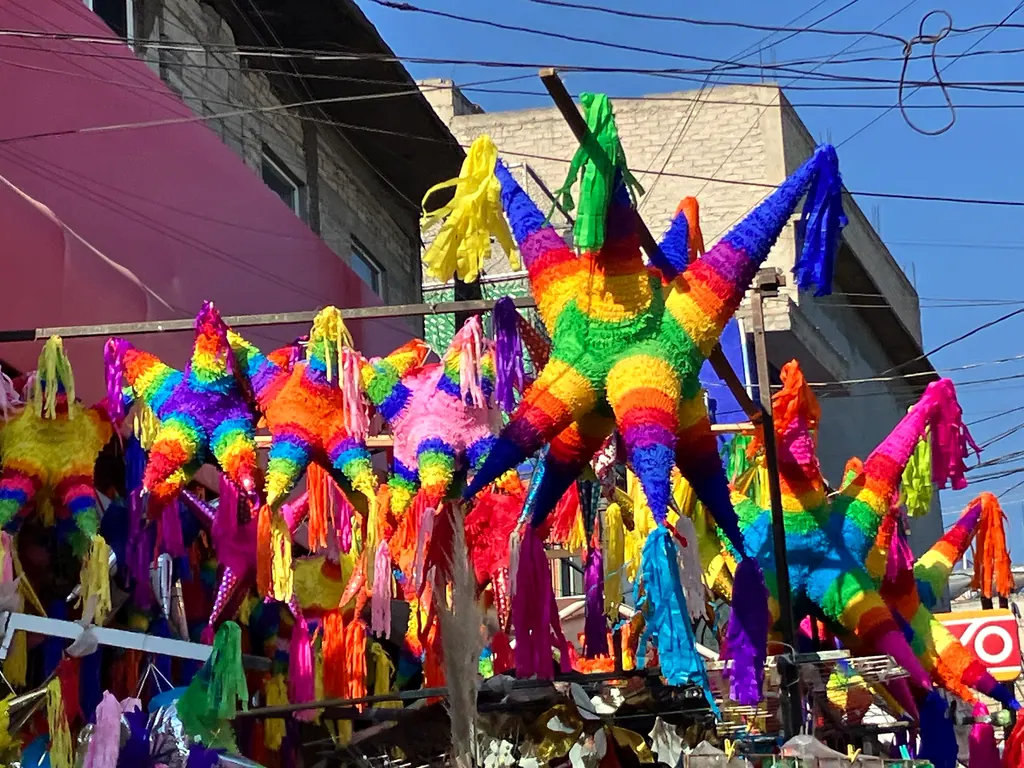
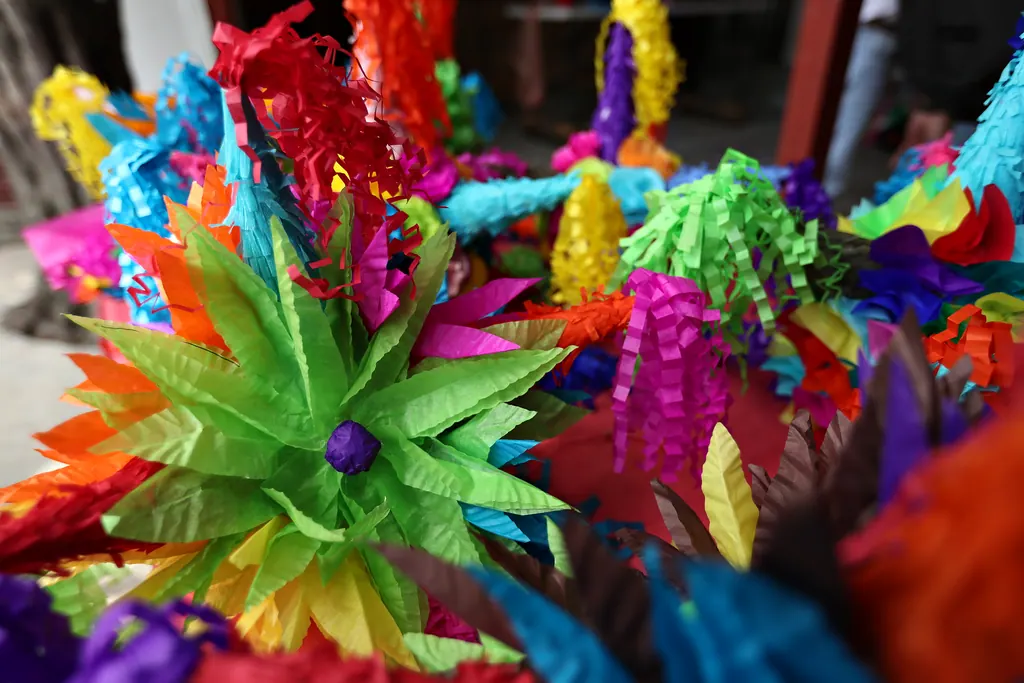
The piñata is the high point for children, and it has its own symbolism. The classic Christmas piñata is a star with seven points, which are often said to represent the seven deadly sins. Hitting it while blindfolded stands for faith overcoming temptation, and the fruit and candy that rain down are the reward.
Guests take turns swinging a stick while everyone sings a piñata song. Traditional piñatas were made around a clay pot. Today most are made of cardboard and papier-mâché covered in bright tissue paper, and markets across Mexico fill up with them in December.
What Do People Eat and Drink?
Food varies by region and family, but some things show up again and again:
| Dish or drink | What it is |
|---|---|
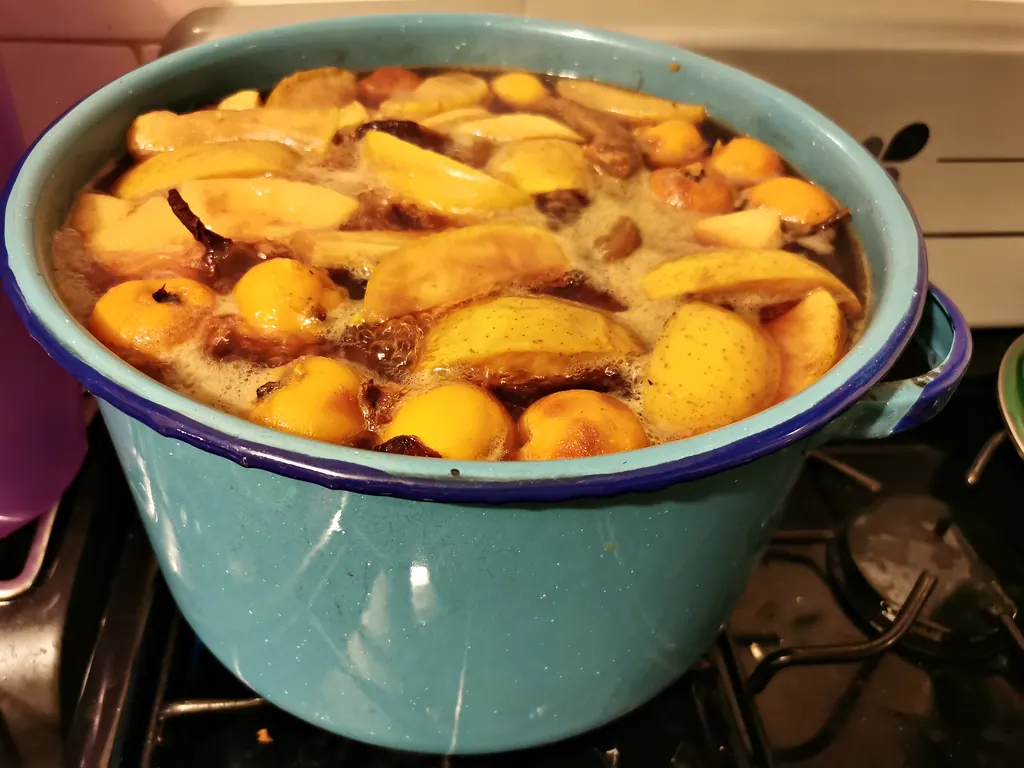
| Ponche navideño | A hot fruit punch with tejocotes (a small Mexican fruit), guava, sugarcane, cinnamon and piloncillo (unrefined cane sugar). Adults sometimes add a splash of rum or tequila. |
| Tamales | Corn dough with fillings, wrapped and steamed in corn husks or banana leaves. |
| Buñuelos | Thin, crisp fried dough, often drizzled with syrup. |
| Champurrado | A thick, warm chocolate drink made with corn masa. |
| Aguinaldos | Small bags of candy, peanuts and fruit given to guests, especially children. |
Is Las Posadas Only Celebrated in Mexico?
No. Mexico is where the tradition is strongest, but posadas are also held in Guatemala and other parts of Central America, and among Mexican American and Hispanic communities in the United States.
In the U.S., several cities hold public posadas that visitors can attend:
- Los Angeles, California. Olvera Street, the historic heart of the city's Mexican heritage, holds nightly posadas from December 16 to 24, with a candlelit procession followed by champurrado and pan dulce.
- San Antonio, Texas. The San Antonio Conservation Society organizes a Las Posadas procession along the River Walk, in recent years in early December rather than on the traditional dates.
- Santa Fe, New Mexico. A Las Posadas procession around the historic Plaza and the Palace of the Governors is usually held on a Sunday in mid-December.
Dates and times change from year to year, so check the organizers' websites before you go. If you are in Texas in December, you can pair a posada with a drive along the Central Texas barbecue trail.
How Can a Visitor Experience a Posada?
In Mexico, the easiest way is through a church. Many parishes hold public posadas between December 16 and 24, and visitors are usually welcome. Town squares in cities like Oaxaca, San Miguel de Allende, Querétaro and Mexico City often host public events, too. If you are staying in a small guesthouse, ask your hosts, since neighbors sometimes invite guests.
Hotels and resorts in beach areas sometimes stage their own posada for guests. It is not the same as a neighborhood celebration, but it can be a friendly introduction with the food and the piñata included.
A few etiquette tips:
- Bring a candle, and follow the group rather than leading.
- Sing along if you can, or simply listen.
- It is polite to bring something small, such as candy or fruit, if you are invited into a private home.
- Let the children have the first turns at the piñata.
Planning a December Trip?
December is high season in much of Mexico, and the period around Christmas and New Year's is one of the busiest of the year for domestic travel. Book flights and hotels early, and expect higher prices from mid-December into early January. Before you go, read our guide to safety in Mexico and our money guide for Mexico and Central America, and find more stories about culture around the world.
Frequently asked questions
When is Las Posadas celebrated?
Las Posadas runs for nine nights, from December 16 to December 24. In 2026, that is from Wednesday, December 16, to Christmas Eve.
What do the nine nights of Las Posadas represent?
They are usually explained as the nine months of Mary's pregnancy, and they also echo the Catholic novena, nine days of prayer.
Why does the Christmas piñata have seven points?
The seven points are often said to represent the seven deadly sins. Breaking the piñata blindfolded symbolizes faith overcoming temptation.
Can tourists join a posada?
Yes. Many churches and town squares in Mexico hold public posadas, and cities like Los Angeles, San Antonio and Santa Fe have public processions.