Ask ten travelers when to go to Guatemala and you will hear about two seasons, dry and rainy, and the advice to avoid the second one. That is a good start, but it leaves a lot out. Guatemala is a small country with big differences in altitude, and the weather in colonial Antigua has little in common with the jungle around Tikal or the humid Caribbean coast.
The calendar matters, too. Some of the most memorable events in Central America, from Holy Week processions to giant kite festivals, take place in Guatemala, and they do not always fall in the "perfect" weather window. Here is how the seasons work, month by month and region by region, so you can choose the trip that fits you.
How Do the Seasons Work in Guatemala?
Guatemala lies in the tropics, so the year is defined by rain rather than by temperature. The dry season, called verano (summer) locally, runs roughly from November to April. The rainy season, invierno (winter), runs roughly from May to October.
Altitude does most of the work when it comes to temperature. In the highlands, where Antigua, Lake Atitlán and Chichicastenango sit at around 5,000 feet (1,500 m) or more, days are warm and nights are cool all year. In the lowlands, including Tikal in the north, the Pacific coast and the Caribbean coast, it is hot and humid most of the time.
The rainy season is rarely a washout. A typical pattern is a sunny morning followed by a heavy shower in the afternoon or evening. Many areas also see a short, drier spell in July or August, known as the canícula.
Guatemala Month by Month
| Months | Season | What to expect |
|---|---|---|
| November | Start of dry season | Rain tapers off, landscapes are green. Kite festivals on November 1. |
| December to February | Dry, cool nights | Clear skies in the highlands, cold nights at altitude. Busy around Christmas and New Year's. |
| March to April | Dry, getting hot | Warmest months. Holy Week crowds in Antigua. Hottest at Tikal. |
| May to June | Rains begin | Green, fewer visitors, afternoon storms become regular. |
| July to August | Rainy, with a possible drier spell | U.S. summer vacation brings some visitors. Showers usually in the afternoon. |
| September to October | Wettest months | Heaviest rain, some roads affected by landslides. Lowest prices. |
The Highlands: Antigua, Lake Atitlán and Chichicastenango
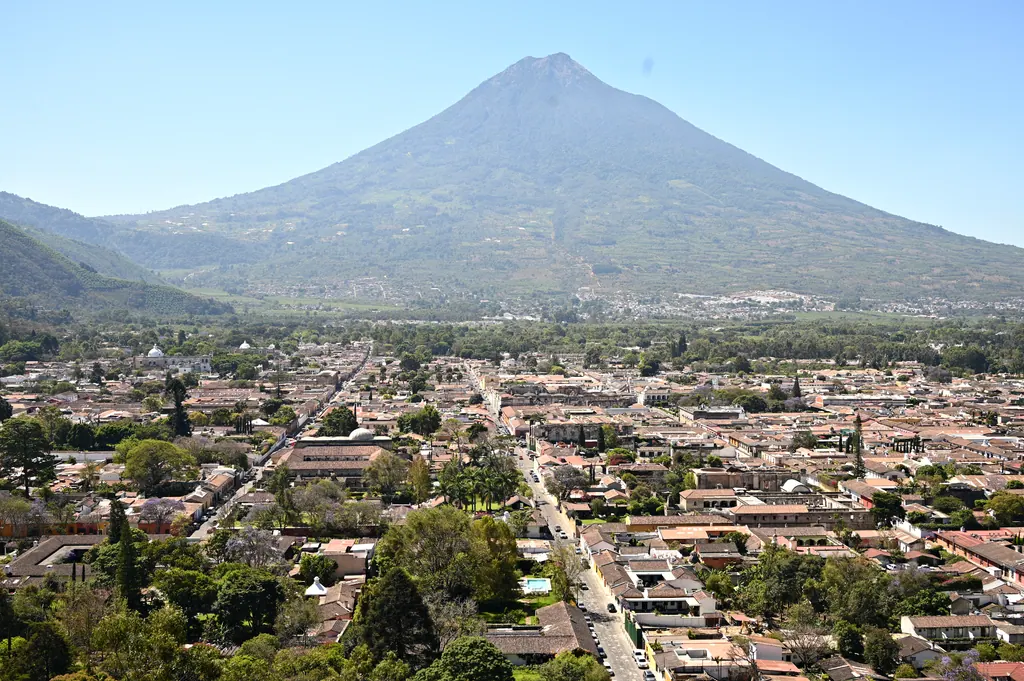
For most first-time visitors, the highlands are the heart of the trip. Antigua, a UNESCO World Heritage city of cobbled streets and ruined churches, sits at about 5,000 feet (1,530 m) beneath the Volcán de Agua. In the dry season, typical daytime highs are in the mid to upper 70s°F (around 24 to 27°C), with nights in the upper 50s to low 60s°F (around 14 to 16°C). In December and January, nights can be distinctly chilly, and many guesthouses lack heating, so bring a warm layer.
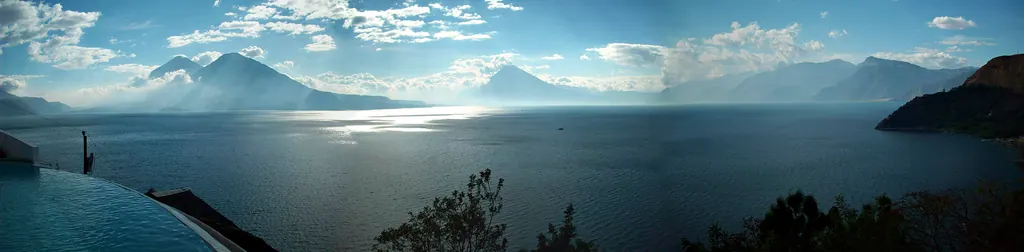
Lake Atitlán, ringed by volcanoes and Maya villages, has a similar climate. The best views across the lake usually come in the dry season, when mornings are clearer. Boats cross the lake more comfortably in the morning, before the afternoon wind, known locally as xocomil, picks up.
If you plan to hike Acatenango, the overnight volcano climb where you can watch neighboring Volcán de Fuego erupt, the dry season from November to April gives the best odds of clear skies. The summit is cold at night year-round.
Tikal and the Petén Lowlands
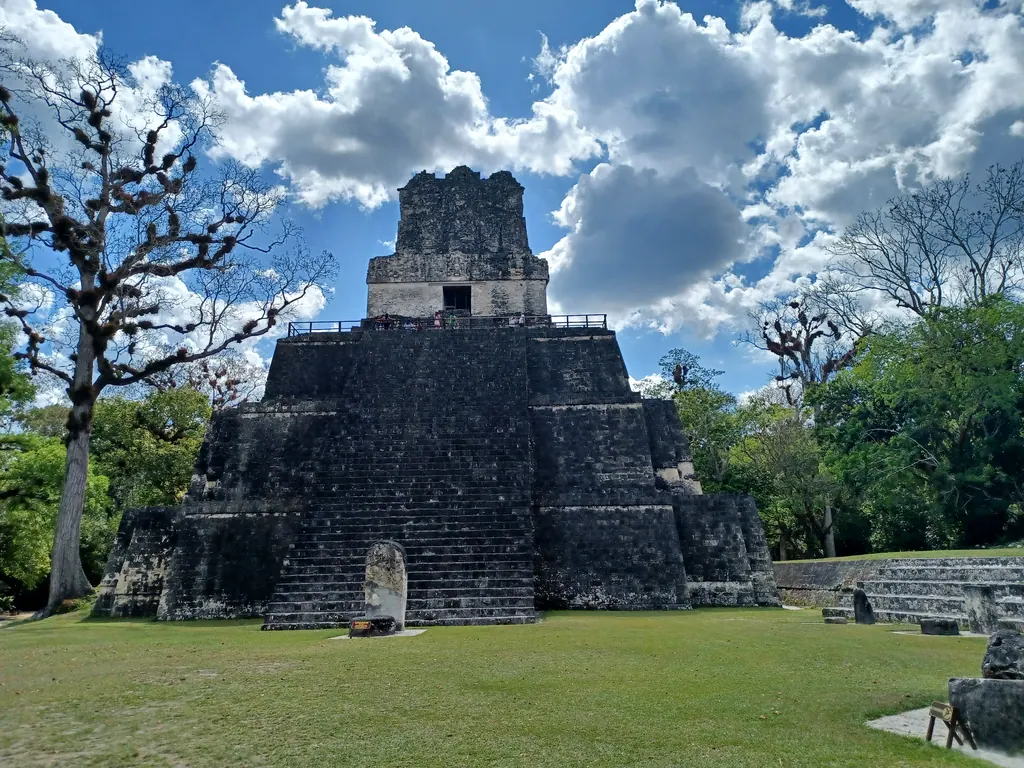
Tikal, the great Maya city in the jungle of northern Guatemala, is a different story. It is hot and humid all year, and in April temperatures can reach the low to mid 90s°F (around 34°C). The driest months are roughly February to April, which makes trails easier but the heat more intense.
December and January are a good compromise, with lower humidity and more comfortable temperatures, while the jungle is still green after the rains. Whatever month you choose, go early in the morning, when it is cooler and the howler monkeys and birds are most active.
For a wider look at Maya sites in the region, see our guide to the Mayan ruins of the Yucatán and Belize.
The Coasts
Guatemala's Caribbean coast, around Livingston and the Río Dulce, is humid and can see rain in almost any month. The Pacific coast, with black-sand beaches around Monterrico, is hot year-round and driest from November to April. The Atlantic hurricane season runs from June 1 to November 30, and the Caribbean side is the most exposed, although direct hits are not common.
When Are the Best Festivals?
Some of Guatemala's biggest events are worth planning a trip around:
- Semana Santa (Holy Week). Antigua's Holy Week is one of the most famous in the Americas, with huge processions passing over carpets of colored sawdust, flowers and pine needles called alfombras. In 2027, Holy Week runs from Palm Sunday, March 21, to Easter Sunday, March 28. Processions also take place on Sundays during Lent. Hotels fill up months in advance and prices rise sharply.
- All Saints' Day (November 1). In Sumpango and Santiago Sacatepéquez, near Antigua, families fly giant, intricately decorated kites called barriletes in cemeteries and fields.
- Burning of the Devil (December 7). Across the country, people light bonfires in the evening to burn rubbish and devil figures, symbolically cleaning house before the Feast of the Immaculate Conception.
- Christmas posadas (December 16 to 24). Processions go from house to house in the run-up to Christmas. Read more in our guide to Las Posadas.
Is It Safe to Visit Guatemala?
As of November 12, 2026, the U.S. State Department rated Guatemala Level 3: Reconsider Travel, mainly because of crime. Most visitors travel to the main tourist areas without problems, but it pays to be careful: use reputable transport between destinations, avoid walking alone at night, and be discreet with phones and cash. Read the full advisory at travel.state.gov before you book, and see our explainer on travel advisory levels.
So When Should You Go?
- For the best weather overall: late November to early March in the highlands.
- For Tikal: December to February, when it is warm but not at its hottest.
- For culture: Holy Week in Antigua, if you book far ahead, or November 1 for the kite festivals.
- For lower prices and fewer visitors: May, June or the possible drier spell in July and August.
- To avoid: September and October if rain and road conditions worry you.
Getting between Guatemala's regions takes time, so build in buffer days. Our guide to getting around Mexico and Central America covers shuttles, buses and domestic flights, and you can find more about the country on our Guatemala page.
Frequently asked questions
What is the best month to visit Guatemala?
For weather, late November to early March is the best period in the highlands, with dry, sunny days and cool nights. December to February is also a good time for Tikal.
When is the rainy season in Guatemala?
Roughly May to October, with the heaviest rain usually in September and October. Rain often falls in the afternoon or evening.
When is Holy Week in Antigua in 2027?
Holy Week in 2027 runs from Palm Sunday, March 21, to Easter Sunday, March 28. Book accommodation months in advance.
Is Guatemala cold in December?
In the highlands, yes, at night. Antigua and Lake Atitlán can get chilly after dark, so pack a warm layer. The lowlands stay warm.