You land in San José, the hotel room has a sink and a glass, and the minibar sells a small bottle of water for more than a cup of coffee. Do you fill the glass from the tap or buy the bottle? It is one of the first small decisions of any trip to Costa Rica, and it matters more than it seems: a stomach bug can cost you two days of a ten-day vacation.
The honest answer depends on where you are sleeping, who runs the local water system and, at times, what the weather has been doing. Below we look at how Costa Rica's drinking water is organized, what the official sources say, where we would be more careful, and the simple habits that keep your trip on track.
Who Supplies Costa Rica's Tap Water?
Costa Rica does not have one national water company. Water reaches homes and hotels through several kinds of operators:
- AyA (Instituto Costarricense de Acueductos y Alcantarillados), the national water institute, which runs the systems serving about half of the population, including much of the Greater Metropolitan Area around San José.
- Municipal systems in some towns, and the ESPH utility in Heredia.
- ASADAS, community water associations that run small local systems, often in rural areas and beach villages.
- Private wells, springs and rainwater systems, mostly in remote places and on some rural properties.
This patchwork explains why a blanket yes or no is misleading. A study of the 2022 data found that about 99% of Costa Ricans received water through an official operator, and around 89.5% received water that met potable standards. For AyA's own systems, the share of the population getting potable water was about 97% in that analysis. The gaps are mainly in smaller community systems and private sources, which is exactly where many eco-lodges and surf towns get their water.
So, Is the Tap Water Safe to Drink?
Costa Rica's official tourism board says the water is potable in most of the country and recommends bottled water only in a few rural areas. Its traveler advice is more specific: in San José and much of the Central Valley, tap water is treated and generally safe, while remote villages, small beach communities and lowland jungle areas are places where bottled or filtered water is the safer choice. It also points out that heavy rain can affect water quality.
The CDC does not give a country-specific yes or no. Its Costa Rica page simply reminds travelers that food and water standards vary within a country and links to its general advice on avoiding contaminated water. In practice, that means you decide place by place.
Here is how we would approach it:
| Where you are | What we would do |
|---|---|
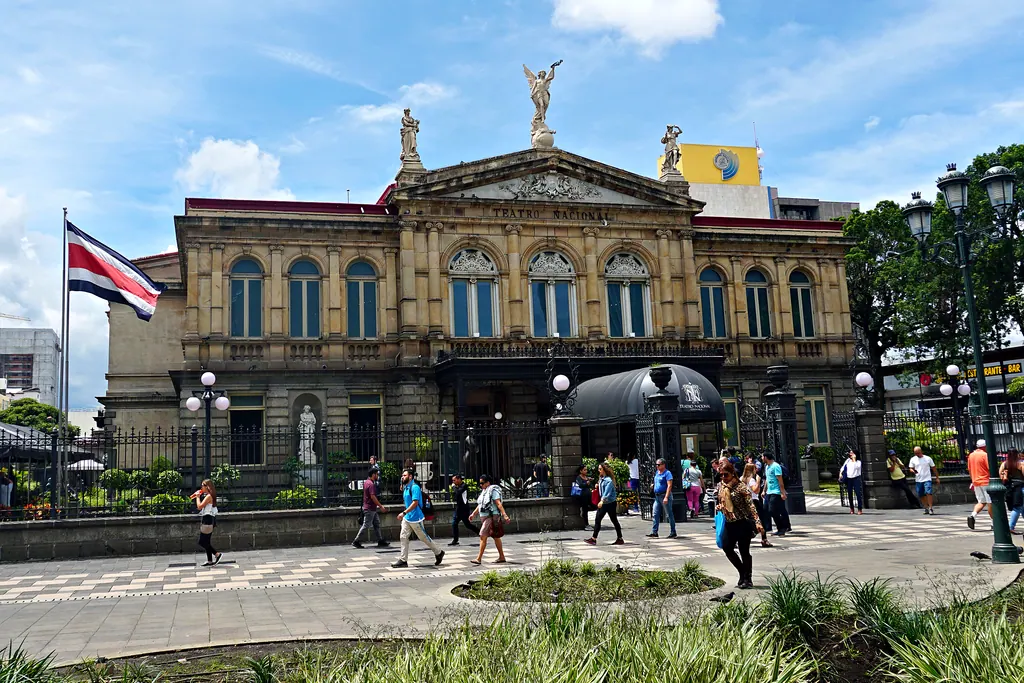
| San José, Heredia, Alajuela and other Central Valley cities | Tap water from a hotel or restaurant is generally fine |
| Larger tourist towns such as La Fortuna or Manuel Antonio | Ask your hotel where the water comes from; most will tell you honestly |
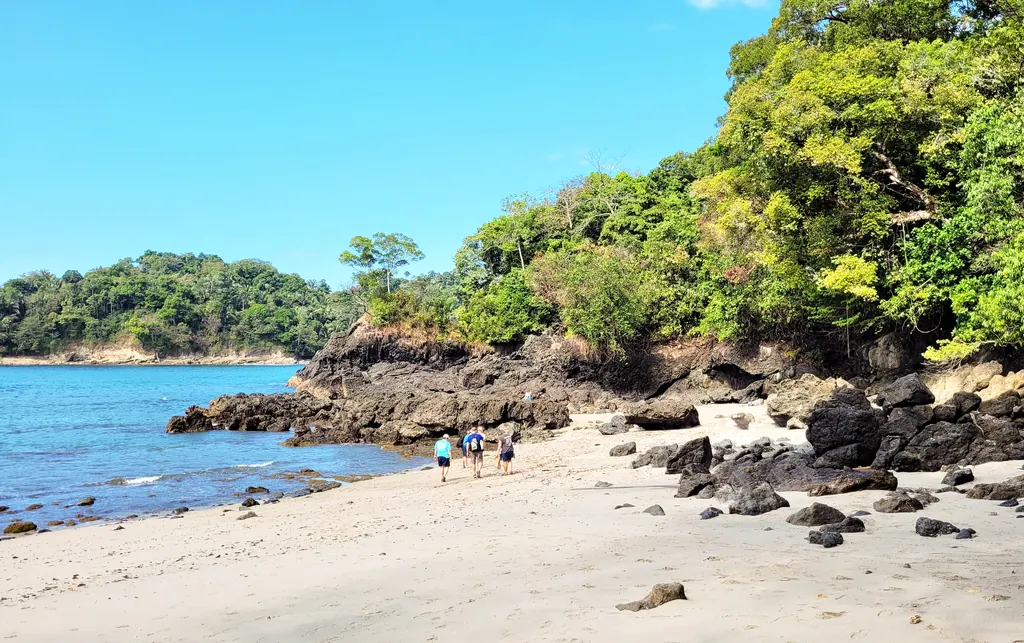
| Small beach villages, remote lodges, farm stays | Filtered or bottled water unless the host confirms it is potable |
| After days of heavy rain or a flood | Bottled or filtered water, even in places where the tap is normally fine |
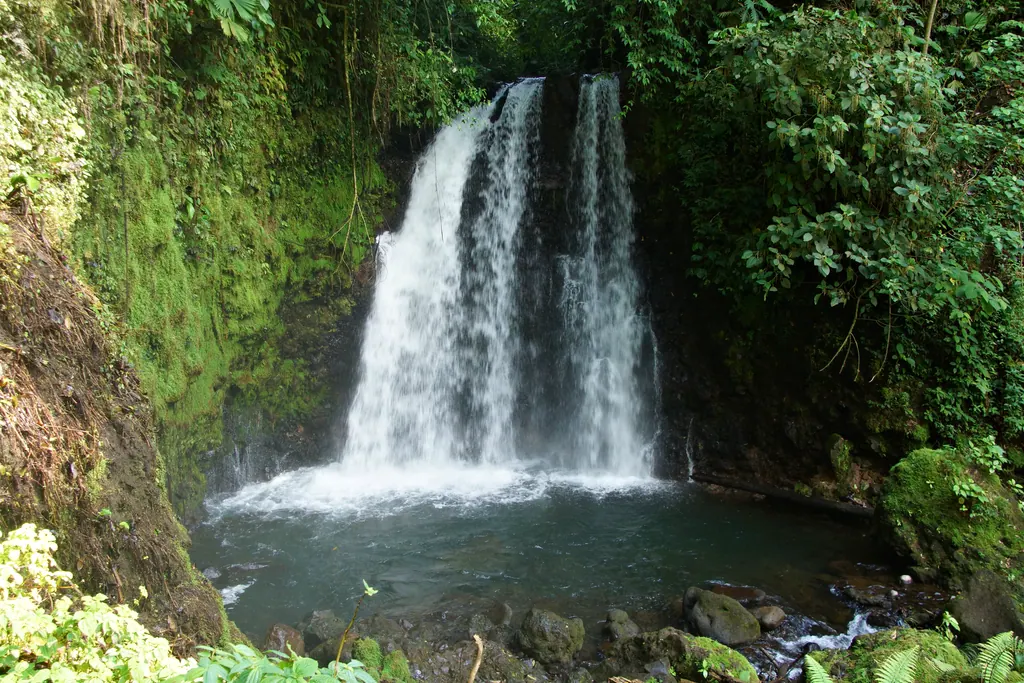
| Rivers, streams, springs and waterfalls | Never drink untreated, however clear it looks |
Why Do Some Travelers Get Sick Anyway?
Even where the water meets national standards, a new mix of bacteria can upset a stomach that is not used to it. More often, though, the culprit is food rather than tap water: raw shellfish, ceviche from a stall with little turnover, salads washed in untreated water, or hands that were not washed before a meal.
There is also a current reason for care. As of September 18, 2026, the CDC had posted a Level 1 travel health notice for an outbreak of hepatitis A in Costa Rica, with most cases reported in San José province. Hepatitis A spreads through contaminated food and water, and the CDC already recommends the vaccine for unvaccinated travelers one year and older going to Costa Rica. If you have not had it, talk to your doctor before you go. The CDC also lists typhoid vaccine as something to consider if you will spend time in rural areas with poor sanitation, stay a month or more, or visit friends and relatives.
Ice, Coffee, Smoothies and Brushing Your Teeth
The small things follow the same logic as the tap:
- Ice in hotels and restaurants in the Central Valley and larger tourist towns is normally made from the local supply. If you would not drink the tap water in a place, skip the ice too.
- Coffee and tea are made with boiled water, so they are fine almost everywhere.
- Fruit smoothies (batidos) are often blended with water or ice. In remote areas, ask for them made with milk ("en leche") instead.
- Brushing your teeth with tap water is fine wherever drinking it is fine. Elsewhere, use bottled or filtered water.
- Showering and swimming pools are not a concern, but try not to swallow water from rivers and lakes. The CDC warns about leptospirosis from contact with fresh water and mud, especially after heavy rain and flooding.
Bottled Water or a Filter Bottle?
Bottled water is sold everywhere, from supermarkets to roadside sodas, and big jugs at a supermarket cost far less than small bottles at a hotel. But Costa Rica takes pride in its environmental record, and a two-week trip can easily leave a trail of plastic.
A good compromise is to carry a refillable bottle and fill it from the tap where the water is potable, which covers most nights in the Central Valley and many tourist towns. The tourism board itself suggests a reusable bottle and filling it before you leave for the day, because refill stations can be far apart. For the more remote parts of your trip, a filter bottle or a purifier rated for bacteria and protozoa lets you use local water safely. Many lodges also keep large filtered water dispensers for guests; it is worth asking.
Other Health Points for Costa Rica
Water is only one part of staying healthy on a Costa Rica trip. A few other points from the CDC's Costa Rica page, as of November 11, 2026:
- Mosquitoes are the bigger risk in many areas. The CDC had a Level 2 notice for an outbreak of chikungunya in northwest Costa Rica, updated July 30, 2026, and dengue and Zika also occur. Use a repellent with DEET or picaridin.
- Malaria transmission is present in the provinces of Alajuela and Limón, where the CDC recommends preventive medication. Ask a doctor well before you travel.
- Yellow fever vaccination is not recommended for the trip itself, but Costa Rica requires proof of vaccination from travelers arriving from certain countries, including Colombia, Peru and Brazil. We explain the certificate in our guide to the yellow fever vaccine certificate.
For more on health planning, see our Health & Vaccinations section, and for the bigger picture of the region, our guide to reefs and wildlife of Central America.
Our Rule of Thumb for Costa Rica
Drink the tap water in the Central Valley and in established hotels that confirm it is potable, and switch to filtered or bottled water in small villages, remote lodges and after heavy rain. Get the hepatitis A vaccine if you have not had it, be careful with raw seafood from places with little turnover, and wash your hands before you eat. That approach keeps the risk low without filling your suitcase with plastic bottles, and it leaves the real worries of a Costa Rica trip where they belong: whether the sloths will show up and whether the volcano will be hiding in the clouds.
Planning the rest of the trip? Start with our Costa Rica page.
Frequently asked questions
Can you drink tap water in San José, Costa Rica?
Generally yes. According to Costa Rica's tourism board, tap water in San José and much of the Central Valley is treated and generally safe to drink.
Is the water safe in Costa Rica's beach towns?
It varies. Larger tourist towns often have potable water, but in small beach communities and remote lodges bottled or filtered water is the safer choice. Ask your hotel where the water comes from.
Can you have ice in drinks in Costa Rica?
Ice in hotels and restaurants in the Central Valley and larger towns is normally made from the local supply. If you would not drink the tap water in a place, skip the ice as well.
Which vaccines do you need for Costa Rica?
The CDC recommends routine vaccines plus hepatitis A and hepatitis B for unvaccinated travelers, and typhoid for some. As of September 2026 there was a hepatitis A outbreak, mainly in San José province.