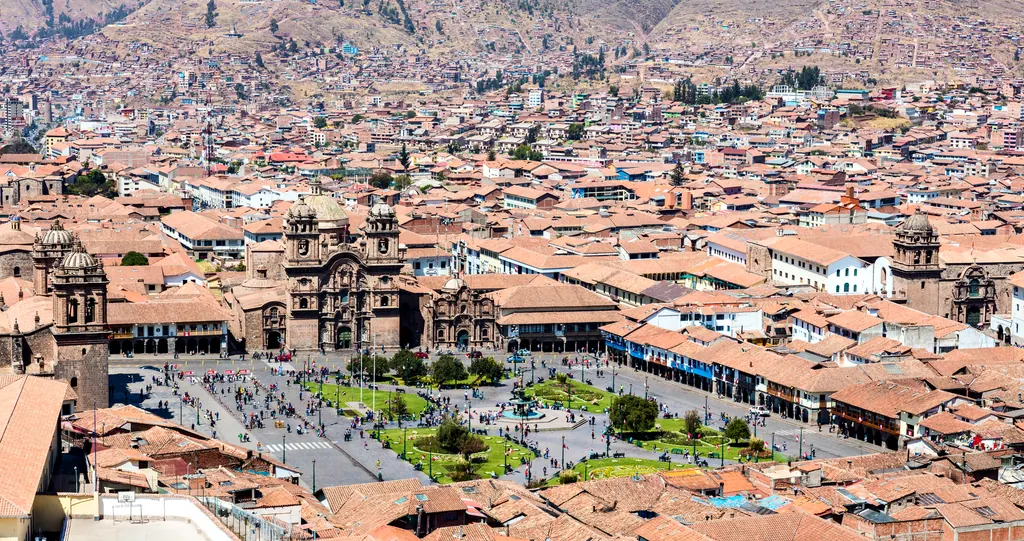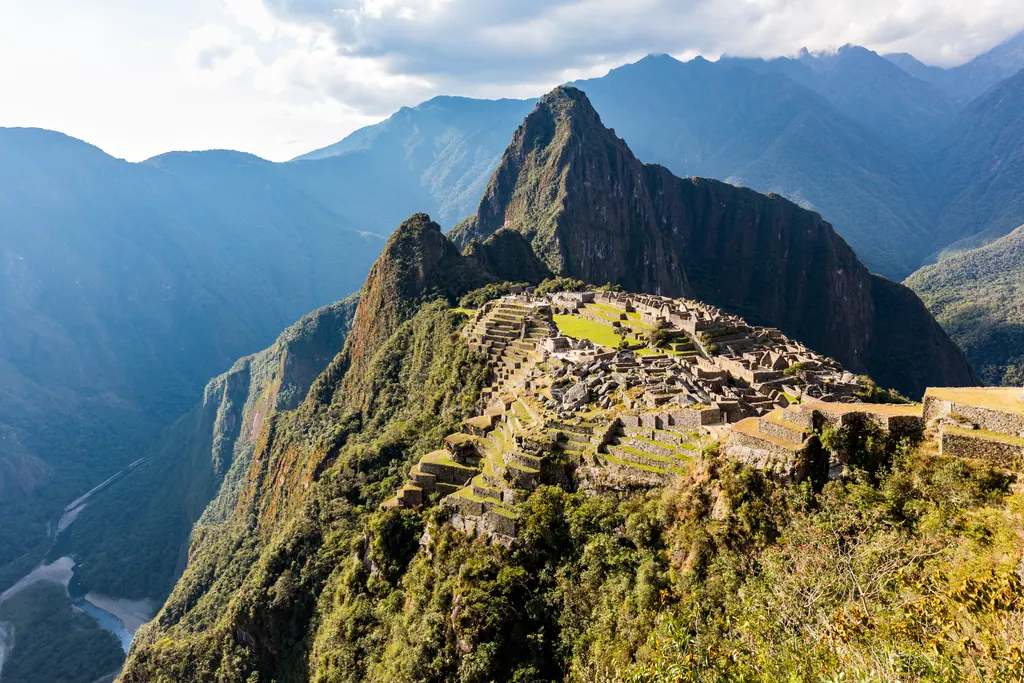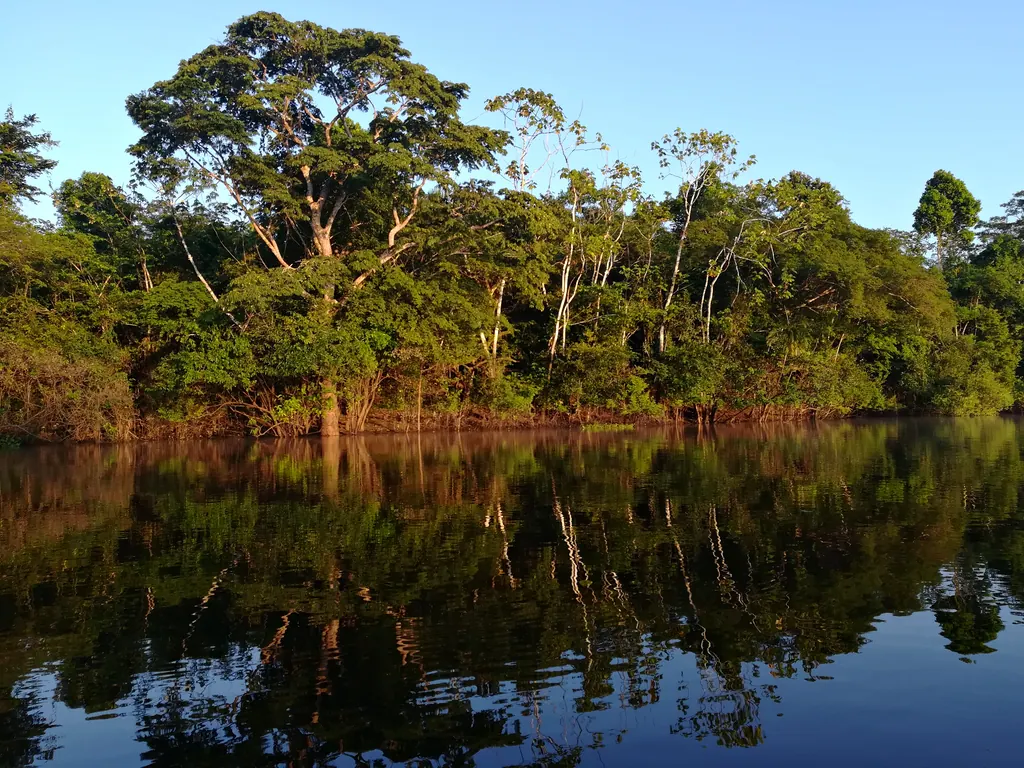
Picture two trips to Peru that start on the same flight into Lima. One traveler spends a week in Cusco, the Sacred Valley and Machu Picchu. The other adds four nights at a jungle lodge outside Puerto Maldonado or Iquitos. From the airport they look identical, but a travel clinic would send them home with very different advice.
That difference is the whole story of vaccines for Peru. The country is a single destination on your boarding pass and several health zones on the ground: a dry desert coast, high Andean cities and a huge slice of the Amazon basin. Here is what the U.S. Centers for Disease Control and Prevention (CDC) recommends for each, what Peru itself requires at the border, and how to plan the appointment.
Does Peru Require Any Vaccines to Enter?
Start with the border, because it is the simplest part. As of November 21, 2026, Peru does not require proof of any vaccine for travelers arriving from the United States, according to the CDC's Peru destination page and the CDC Yellow Book. That includes yellow fever: the CDC lists the country entry requirement as "not required."
That does not mean nothing is recommended. Entry rules are about what a country demands from you. Vaccine recommendations are about what protects you once you are there, and for Peru those depend heavily on where you go.
The Vaccines Almost Everyone Should Have
Some advice applies to every trip to Peru, from a few days in Lima to a week deep in the rainforest:
- Routine vaccines. The CDC asks every traveler to be up to date on the standard list, including measles-mumps-rubella (MMR), tetanus-diphtheria-pertussis, polio, chickenpox, shingles where relevant and the flu shot. Measles cases have been rising worldwide, and the CDC wants all international travelers fully vaccinated against it.
- Hepatitis A. Recommended for unvaccinated travelers one year old or older going to Peru. It spreads through contaminated food and water, and it is one of the most common vaccine-preventable infections in travelers.
- Hepatitis B. Recommended for unvaccinated travelers younger than 60. Travelers 60 and older may also get it.
- COVID-19. The CDC says eligible travelers should be up to date.
For most Americans, the routine shots are already done, and hepatitis A and B are often covered too. Your vaccination record is the first thing to dig out.
Do You Need the Yellow Fever Vaccine for Peru?
This is the question most people are really asking, and the answer is "it depends on your route."
The CDC recommends the yellow fever vaccine for travelers nine months or older going to areas below 2,300 meters (about 7,550 feet) in the regions of Amazonas, Cusco, Huánuco, Junín, Loreto, Madre de Dios, Pasco, Puno, San Martín and Ucayali, plus designated parts of several other regions. In practice, that means the Amazon lowlands and the jungle slopes east of the Andes. Puerto Maldonado and the Tambopata reserves, Iquitos and the Pacaya Samiria reserve are all inside that zone.
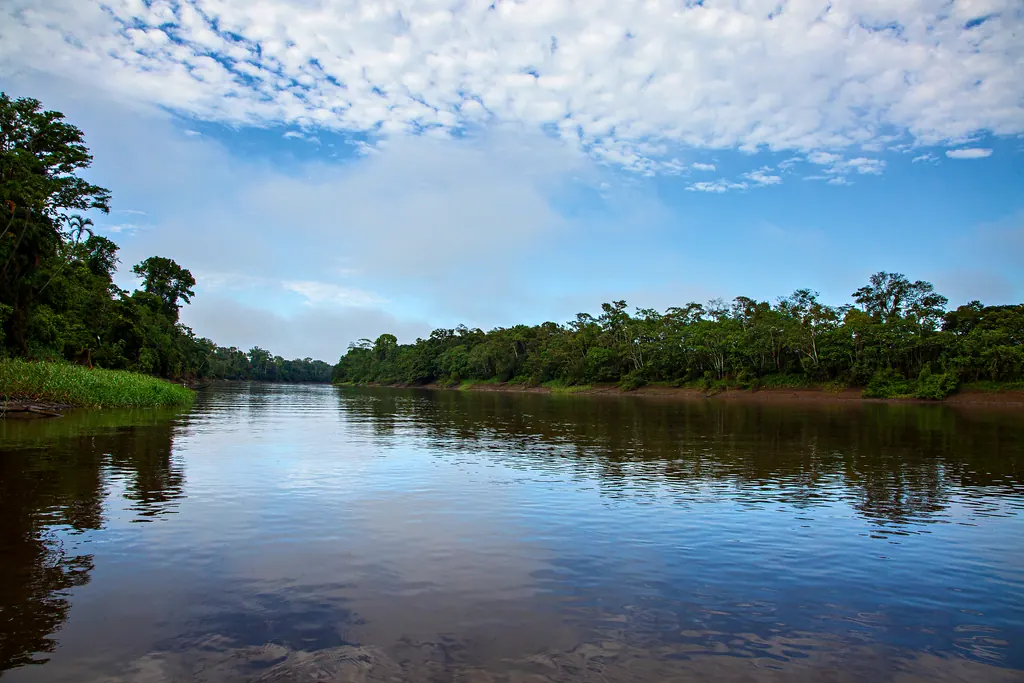
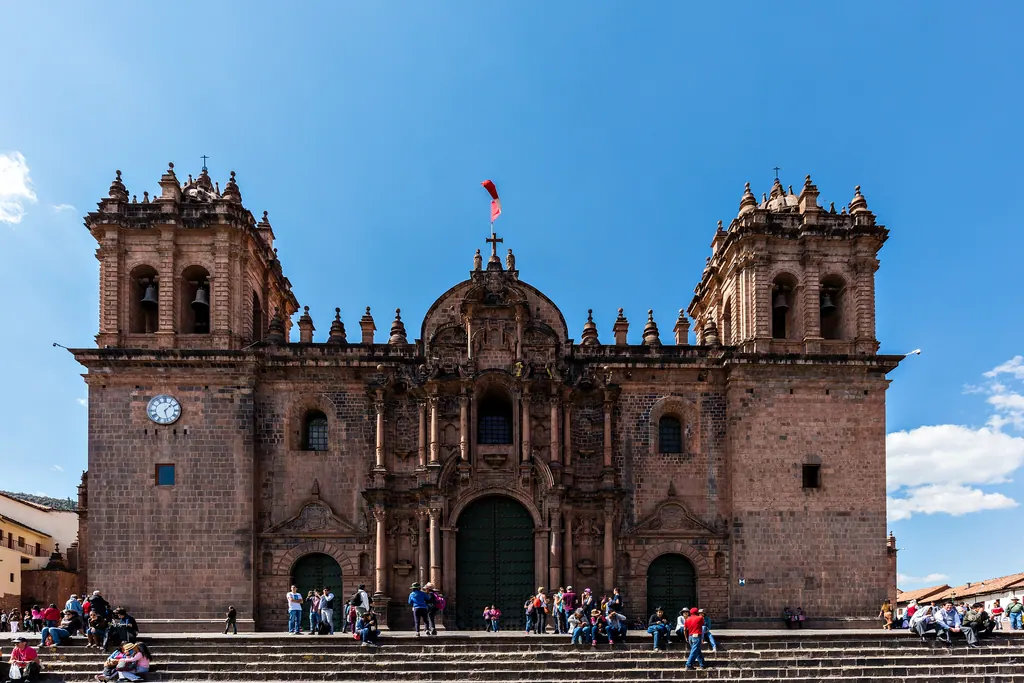
The CDC does not recommend it for travel limited to areas above 2,300 meters, the city of Lima, areas west of the Andes that are not listed, or the highland tourist areas: the city of Cusco, the Inca Trail and Machu Picchu. A classic Lima, Cusco and Machu Picchu itinerary therefore does not call for yellow fever vaccination under CDC guidance.
A few practical points:
- Timing. The vaccine should be given at least 10 days before you arrive in a risk area, so do not leave it for the last week.
- Where to get it. Only registered yellow fever vaccination centers can give it in the United States. A travel clinic will also fill in the yellow "International Certificate of Vaccination or Prophylaxis."
- The next stop. Peru does not ask for the certificate, but some countries do if you arrive from a country with yellow fever risk. If Peru is one leg of a longer trip, check each country's rule. We explain how the certificate works in our guide to the yellow fever vaccine certificate.
The region name can trick you. "Cusco" appears on the CDC list, but that refers to the lowland jungle parts of the Cusco region (around Manu, for example), not the city itself, which sits at about 11,150 feet.
Malaria in Peru: Where Pills Make Sense
Malaria is not a vaccine question, but it belongs in the same conversation. The CDC recommends prescription medicine to prevent malaria for travelers going to areas below 2,500 meters (about 8,200 feet) east of the Andes, including the cities of Iquitos and Puerto Maldonado. There are also rare cases in the northern Tumbes and Piura regions, where the CDC advises mosquito avoidance rather than pills.
There is no malaria transmission in Lima Province, the cities of Arequipa, Ica, Moquegua, Nazca, Puno and Tacna, the highland tourist areas of Cusco, Machu Picchu and Lake Titicaca, or along the central and southern Pacific coast.
If you go to the Amazon, the CDC lists atovaquone-proguanil, doxycycline, mefloquine and tafenoquine as options. Some of them must be started days or weeks before departure and continued after you leave, which is another reason to book your clinic visit early.
Typhoid, Rabies and the Shots That Depend on You
Two more vaccines come down to your travel style rather than your map:
- Typhoid. The CDC suggests considering it if you travel to rural areas or places with poor sanitation, stay a month or more, or visit friends and relatives. The vaccine is not 100% effective, so food and water habits still matter.
- Rabies. Rabid dogs are sometimes found in Peru, and bats and some wildlife can carry the virus. Pre-exposure vaccination is worth discussing if you will be far from good medical care, spend time around animals, or go caving or cycling in rural areas. The CDC notes that rabies treatment after a bite may only be available in larger cities.
The CDC also mentions a chikungunya vaccine for people staying about six months or longer, which rarely applies to vacationers.
What No Vaccine Covers
Several health risks in Peru have no vaccine for travelers, so prevention is about behavior:
- Mosquito-borne diseases. Dengue is a risk in many lowland areas, and Zika is present. Use an EPA-registered repellent, wear long sleeves at dusk in the jungle and choose lodges with screened rooms or nets.
- Altitude. For most visitors to Cusco, altitude sickness is a far bigger issue than any infection. Our guide to altitude sickness in Cusco covers how to acclimatize and when to see a doctor.
- Food and water. Tap water is generally not considered safe to drink in Peru, so stick to bottled, filtered or boiled water.
How to Plan Your Travel Clinic Visit
A good appointment is short when you arrive prepared:
- Book four to six weeks before departure. That leaves room for vaccines that need time to work and for malaria pills that start early.
- Bring your exact itinerary. "Peru" is not enough. List each place and the nights you spend there, especially anything in the Amazon.
- Bring your vaccine records. Old hepatitis A or B doses still count.
- Ask about cost and insurance. Travel vaccines are often not covered by U.S. health plans, so ask for prices before the visit.
- Think about the whole trip. A Peru itinerary that continues to Bolivia, Brazil or Ecuador may change the advice.
If your trip is mostly highland and you are healthy, the visit may end with a check of your routine shots and a hepatitis A dose. If you are heading to the rainforest, expect a longer conversation about yellow fever and malaria. Either way, it is better to have that conversation in your own town than in a jungle lodge.
Frequently asked questions
Do I need a yellow fever vaccine for Machu Picchu?
No. The CDC does not recommend yellow fever vaccination for travel limited to Cusco, the Inca Trail and Machu Picchu. It is recommended for lowland Amazon areas below about 7,550 feet.
Does Peru require any vaccines for U.S. travelers?
As of November 21, 2026, Peru does not require proof of any vaccine, including yellow fever, for travelers arriving from the United States.
Do I need malaria pills for Peru?
Only for areas below about 8,200 feet east of the Andes, such as Iquitos and Puerto Maldonado. The CDC lists no malaria risk in Lima, Cusco, Machu Picchu or Lake Titicaca.
How far ahead should I see a travel clinic before Peru?
Ideally four to six weeks before you leave. The yellow fever vaccine needs about 10 days to take effect, and some malaria pills must be started before departure.