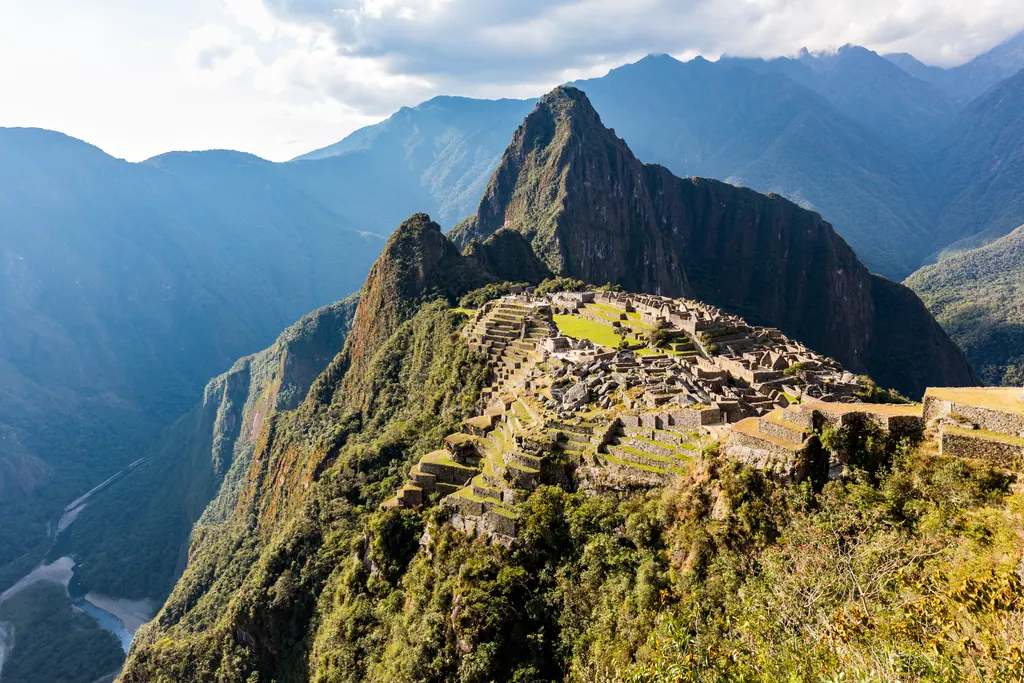
The photograph of Machu Picchu is famous enough that first-time visitors sometimes assume the visit itself is simple: fly to Cusco, take a train, walk in. The site is more tightly managed than that. Every ticket is tied to a named person, a single circuit, a date, and an entry hour. Buy the wrong route, or arrive too late, and the classic view you came for may not be on your ticket.
The good news is that the official system is clearer than the crowd of look-alike booking sites around it. Once you know how the circuits work, the rest of the trip (trains, buses, altitude, timing) falls into a logical order.
Where do you buy a ticket
Buy entrance tickets from Peru's Ministry of Culture on tuboleto.cultura.pe, or in person at authorized offices in Cusco and, in a limited daily batch, in Machupicchu Pueblo (Aguas Calientes) for the following day. The ministry created the TuBoleto platform to manage visits and to connect tickets with identity documents. You register with your passport and email, choose "Llaqta Machupicchu," then pick a circuit, route, date, and entry time.
Have every traveler's passport details ready before you start. After you select a slot you are expected to pay quickly (recently within 15 minutes on the direct-sale system) with a Visa or Mastercard. Tickets are issued in the visitor's name. The passport you carry to the gate must match the ticket. Refunds and date changes are tightly limited.
Do not buy from a site that merely looks official. Tourism companies can include a legitimate ticket in a package, but they should be able to show that it was issued in your name for the circuit you want. The official information site is machupicchu.gob.pe, and a ministry how-to for the purchase is on gob.pe.
Prices are set in Peruvian soles and have more than one piece. Tourism guides compiling the 2026 Ministry of Culture schedule list a foreign adult ticket for a standard route at about 152 soles, plus an 11-sol sanctuary fee collected by SERNANP since May 1, 2026, for a total of about 163 soles (about $47). Routes that include Machu Picchu Mountain, Huayna Picchu, or the Great Cavern are listed higher, around 211 soles (about $61). Confirm the exact total at checkout, because the fees have changed more than once.
How the three circuits differ
Since 2024 the visit has been organized as three circuits with several numbered routes. You follow the route one way. You cannot wander the whole citadel on a single ticket, and you cannot re-enter after you leave.
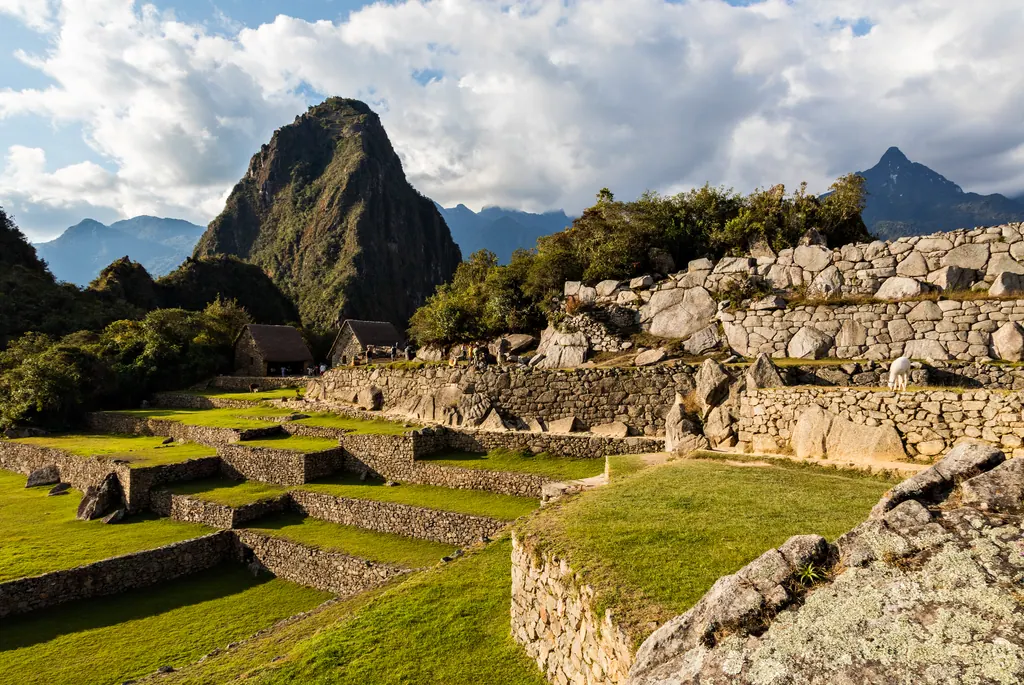
Circuit 1, the panoramic circuit, stays on the upper terraces and viewpoints. It is the circuit for the classic photograph from the area of the Guardian's House. It does not take you through the urban sector of temples and plazas. Routes include the upper terrace (1-B), and in high season the trails toward Inti Punku, the Sun Gate (1-C), and the Inca Bridge (1-D). Route 1-A adds the climb of Machu Picchu Mountain, a steep round trip of about four hours that is limited to visitors 18 and older.
Circuit 2, the citadel or classic circuit, is the one most first-time visitors want if they hope to see temples and plazas as well as a version of the postcard view. Peru's tourism board notes that the lower terrace on this circuit is a popular place to take that photograph, from a platform below the Guardian's House. The route then continues through the urban and religious sector, with places such as the Temple of the Sun, the Main Temple, the Temple of the Three Windows, the Sacred Rock, and the agricultural terraces.
Circuit 3, the royalty circuit, starts lower in the site. It covers royal and religious buildings and can include Huayna Picchu (route 3-A), a designed royal route (3-B), the Great Cavern or Temple of the Moon in high season (3-C), and Huchuy Picchu in high season (3-D). If you specifically want to climb Huayna Picchu, you need route 3-A. A Circuit 1 or Circuit 2 ticket will not get you onto that peak.
High season in the 2026 rules includes January 1, April 2-5, June 19 to November 2, and December 30-31, with a daily cap listed at 5,600 visitors. Other dates are treated as low season, with a listed cap of 4,500. Those totals are split among routes and hours, so the popular slots still sell out. Peru's tourism board describes a grace period after your printed entry hour: about 45 minutes in high season and 30 minutes in low season. Miss that window and you can be refused entry.
Site rules have required visitors to go with a licensed guide. How strictly that is applied to independent travelers has varied, so confirm the current rule when you buy. A good guide is useful in any case, because the circuits move you along without much lingering.
How do you get there from Cusco
Most visitors fly into Cusco, spend at least a night there or in the Sacred Valley, then travel to Machupicchu Pueblo by train. The usual rail journey starts at Ollantaytambo, a bit more than an hour by road from Cusco, and is operated by PeruRail or Inca Rail. Trains are a separate purchase from your entrance ticket. Book the train after you have the entry hour, not before, so the schedule matches the gate time.
From town, a shuttle bus climbs the switchbacks to the citadel gate in about 25-30 minutes. That bus is another separate ticket. Walking up is possible and takes on the order of 90 minutes on a steep road. There are no restrooms inside the site, and re-entry is not allowed, so use the facilities before you go in.
The multi-day Inca Trail is a different product entirely. It requires its own permits, sold through registered operators, and those permits can sell out months ahead. You still need the right Machu Picchu entry arrangement at the end of the trek.
U.S. citizens do not need a tourist visa for Peru. PromPerú states that travelers from the United States may enter with a passport valid for at least six months from the date of entry and can be granted a stay of up to 90 days.
When is the visit easier
The dry season in the Cusco region generally runs from about May through September. Days are often clearer then, which is why they overlap with the busiest months and with much of the official high season. June through early September, plus Easter and the year-end holidays, are when Circuit 2, Huayna Picchu, and the earliest morning slots disappear first.
The shoulder months (April, October, and November) can be a reasonable compromise: fewer guaranteed dry days, but a better shot at the circuit you actually want. The rainy season, roughly November through March, means more clouds and wet paths. The ruins are still open, and the mountains can look dramatic between showers.
Buy the entrance ticket as soon as your dates are firm, then lock in the train and the bus around that hour. In high season that may mean booking weeks or months ahead, especially for Huayna Picchu.
Altitude, health and a note on safety
Cusco sits at about 11,150 feet (3,400 m). Machu Picchu itself is lower, about 7,970 feet (2,430 m). Many travelers feel altitude more in the city than at the ruins: headache, shortness of breath, poor sleep. Give yourself a night, or two, in Cusco or the Sacred Valley before your entry day. Drink water, go easy on alcohol, and do not plan a sprint up Machu Picchu Mountain on the afternoon you land.
Yellow fever vaccination is not a routine requirement for Cusco and Machu Picchu. It can matter if you add Amazon lowlands to the same trip; see our guide to the yellow fever vaccine certificate if that is on your itinerary.
The U.S. Department of State listed Peru at Level 2, Exercise Increased Caution, in its September 2026 update, citing crime, civil unrest, kidnapping, and terrorism, with some areas at higher risk. Cusco and Machu Picchu sit on the main tourist circuit. Read the full advisory, including any regional exceptions, before you book, and see our explainer of what the advisory levels mean.
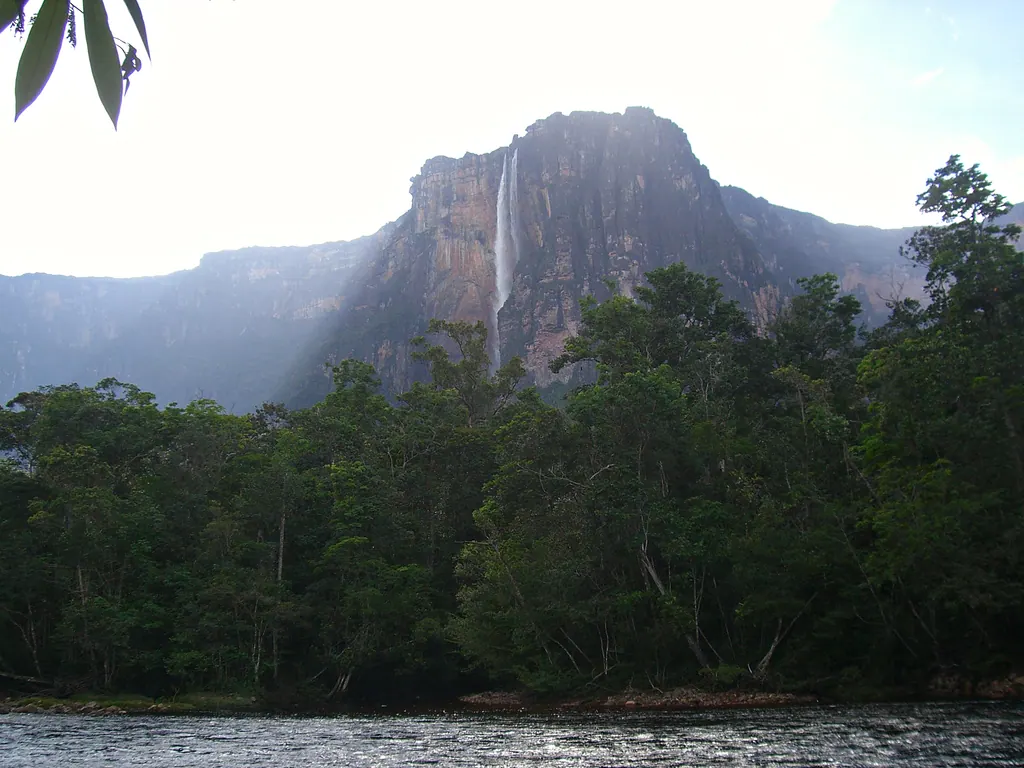
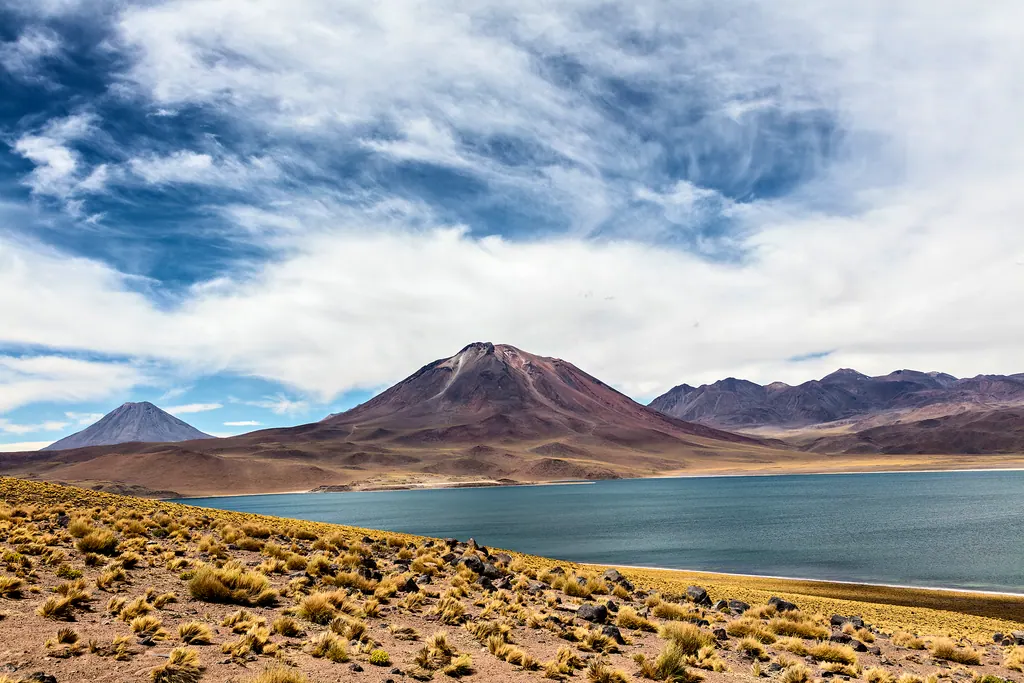
If you like planning a visit around a single extraordinary sight, the same habit of checking official tickets first also applies to places such as the temples along the Nile. Elsewhere in South America, the landscapes of the Atacama Desert and Angel Falls reward the same kind of advance planning.
Book in this order: choose the circuit that matches the visit you want, buy that ticket on tuboleto.cultura.pe, then buy the train to match the entry hour, then arrange the bus or the walk up from town. The photograph is famous. The logistics are what make the day work.
Frequently asked questions
What is the official website for Machu Picchu tickets?
The Ministry of Culture sells tickets at tuboleto.cultura.pe. Information is also published at machupicchu.gob.pe.
Which circuit has the classic view?
Circuit 1 is designed around the upper panoramic viewpoints, including the Guardian's House area. Circuit 2 also offers a version of that view from a lower terrace and then continues into the temples and plazas.
How much is a Machu Picchu ticket for a U.S. visitor?
In 2026 a foreign adult ticket for a standard route has been listed at about 163 soles including the sanctuary fee (about $47). Mountain routes are listed around 211 soles (about $61). Confirm the total when you pay.
Do Americans need a visa for Peru?
U.S. citizens do not need a tourist visa. You need a passport valid for at least six months from the date of entry, and the stay granted is typically up to 90 days.
Can I change the date on my ticket?
Date changes are tightly limited, and tickets are issued in a specific name. Buy only when your dates are firm.