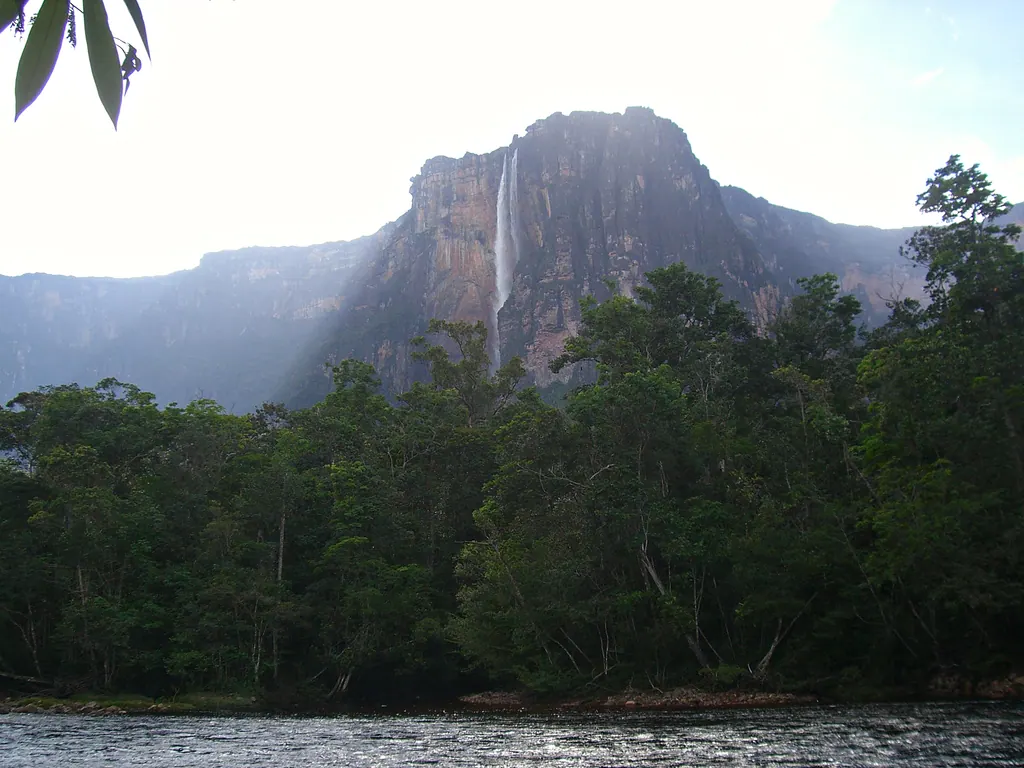
Angel Falls does not look real from the river. The tepui wall is so tall that the water breaks into mist before it finishes falling, and the jungle at the base swallows the sound. It is the world's highest uninterrupted waterfall, inside Canaima National Park in southeastern Venezuela, and it is still one of the hardest iconic sights in South America for an American traveler to reach.
This is an honest look at the landscape, how people actually get there, what else Venezuela's wild south offers, and the U.S. State Department advisory you should read before you fantasize about tickets.
Angel Falls and Canaima National Park
Angel Falls (Kerepakupai Merú in Pemón) plunges from Auyán-tepui inside Canaima National Park, a UNESCO World Heritage landscape of tabletop mountains, savanna and rainforest. There is no road to the viewpoint. The visitor hub is Canaima, a lagoon-side community reached by small aircraft. From there, in high-water season, motorized dugout canoes (curiaras) run up the Carrao and Churún rivers toward camps with views of the falls. In low water, river access shrinks and overflight becomes the realistic way to see the drop.
The park is vast. Angel Falls is the celebrity, but the lagoon waterfalls around Canaima and the wider tepui country are the setting that makes the trip feel larger than a single photo stop.

How travelers reach the falls
A typical route for international visitors still looks like this:
- Fly into Venezuela through an international gateway (often Caracas/Maiquetía when commercial service is operating).
- Continue on a domestic flight to Ciudad Bolívar or Puerto Ordaz (Ciudad Guayana), the usual staging cities for Canaima.
- Fly by small plane into Canaima.
- Join a multi-day river expedition or book an overflight locally.
Schedules are thin and change. Confirm the current domestic hop into Canaima close to departure; routes and operators shift. Packages sold through established Venezuelan tour companies usually bundle the light-aircraft legs, river boats, basic camp lodging and meals. Independent improvisation at the airstrip is not a good plan.
Dry months can leave the falls as a thinner ribbon and block boat approaches. Wet months raise the river and the curtain of water, but also bring storms that ground small planes. Ask operators which months they consider workable for the river camp itinerary you want.
Beyond the falls: tepuis and the Gran Sabana
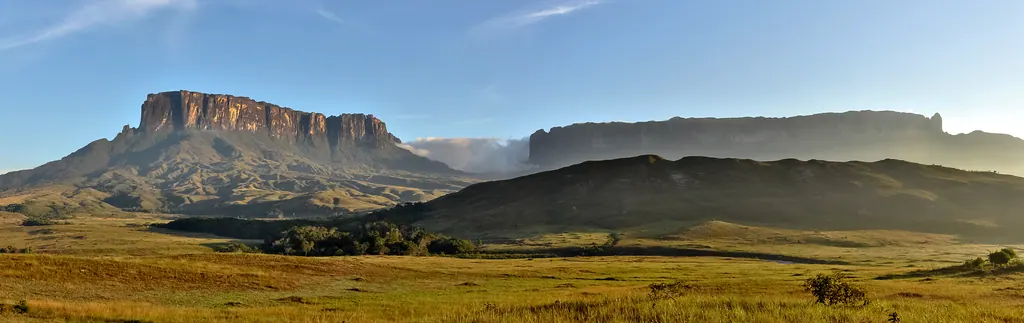
Southeast Venezuela is tepui country. Mount Roraima, the plateau that inspired so many lost-world stories, rises on the border near Guyana and Brazil. Multi-day treks to Roraima's summit are a different trip from Angel Falls: longer, more physical, and deeper into border terrain. The Gran Sabana's open views and cliff lines are the wider landscape that makes Canaima feel like one chapter of a larger book.
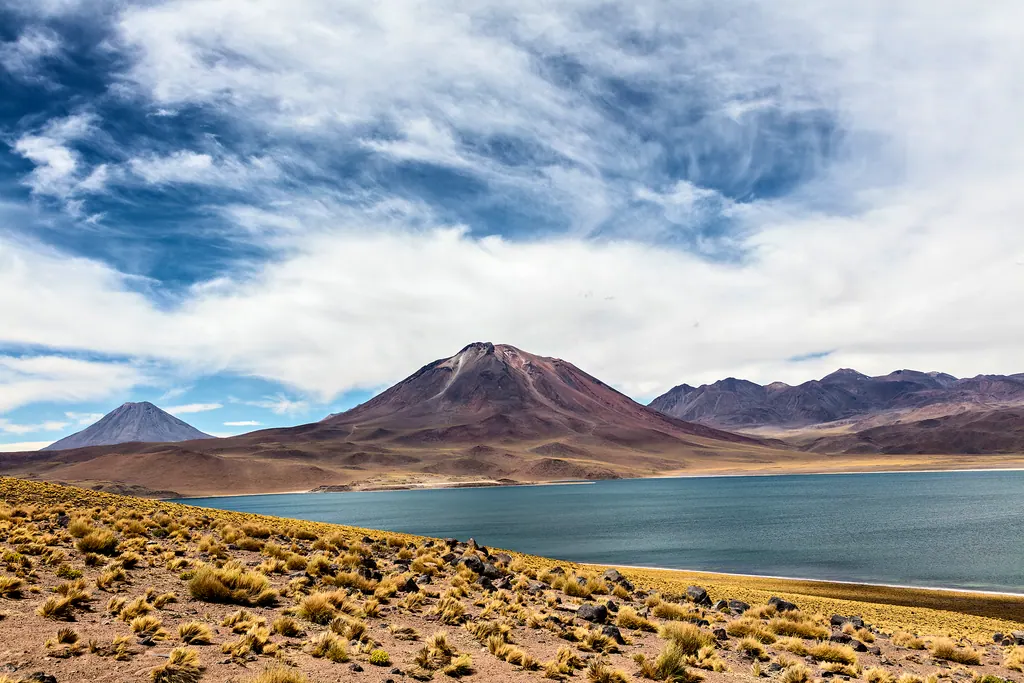
If your interest is South American nature more broadly, Angel Falls sits in conversation with desert and altiplano trips farther south. Our Atacama Desert guide is a different kind of extreme landscape for travelers comparing southern cone itineraries.
Safety: read the advisory before you book
As of the U.S. Department of State's Venezuela Travel Advisory (updates through 2026, including a Level 3 "Reconsider Travel" nationwide framing with area-specific Level 4 "Do Not Travel" zones), Americans are told to reconsider travel to Venezuela because of crime, kidnapping, terrorism and poor health infrastructure. Critically for Angel Falls planners: rural areas of Bolívar state, where Canaima National Park sits, are listed under Do Not Travel.
That is not fine print. It means a trip to Angel Falls is, under current U.S. guidance, travel into a Level 4 area. Consular help for U.S. citizens in Venezuela has been limited; verify the latest embassy and Venezuela Affairs Unit notices before you go. Travel insurance policies often exclude claims for trips taken against government advisories. The UK Foreign Office separately advises against all travel to defined border belts and against all but essential travel to much of the rest of the country.
We are not going to soft-pedal this. The landscape is extraordinary. The official U.S. advice for the specific region that holds Angel Falls is Do Not Travel. Anyone who still goes should do so with eyes open, current advisory text in hand (check travel.state.gov the week you book and again before you fly), and a clear understanding of insurance and evacuation limits. Our explainer on what advisory levels mean helps decode the labels.
Practical notes for Americans
- Carry U.S. dollars in cash for Canaima-area costs; card and ATM reliability outside major cities is poor.
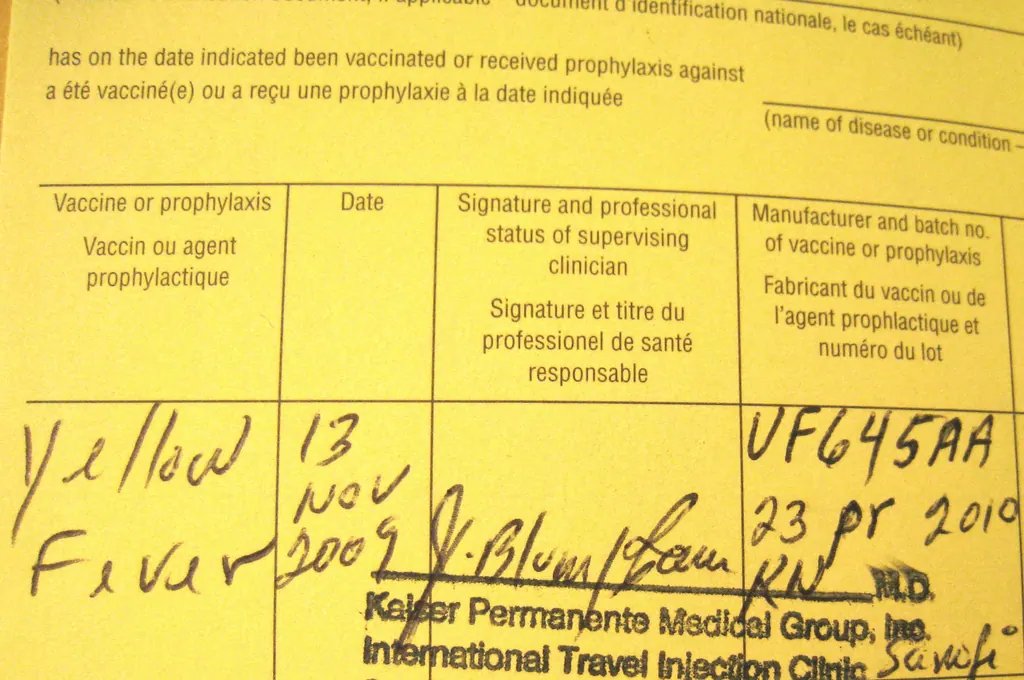
- Yellow fever vaccination is a health discussion for much of the region; check CDC guidance for Venezuela and any routing countries, and see our yellow fever certificate guide if proof of vaccination appears on your itinerary.
- Book through operators with a track record on the Canaima air and river chain, not through ad-hoc social media offers.
- Build buffer days. Weather and aircraft availability slip.
- Register travel plans with family and consider STEP enrollment if you travel despite the advisory.
Venezuela's wild south is one of the great nature stages on the continent. Whether it belongs on your next itinerary is a personal risk decision that should start with the State Department page, not with a photograph. For more South America reading on the site, begin at South America and the nature theme.
Frequently asked questions
How do you get to Angel Falls?
There is no road. Travelers typically fly to a Venezuelan gateway, continue to Ciudad Bolivar or Puerto Ordaz, then take a small plane to Canaima and join a river expedition or overflight.
Is it safe for Americans to visit Angel Falls?
The U.S. State Department rates Venezuela Level 3 overall (Reconsider Travel) and lists rural Bolivar state, home of Canaima National Park, as Level 4 Do Not Travel. Read the current advisory on travel.state.gov before any booking.
When is the best time to see Angel Falls by river?
Higher water generally helps the canoe approach and the visual curtain of the falls. Low water can limit river access so that overflights become the main option. Confirm seasonal conditions with your operator.
What else is there near Angel Falls?
Canaima Lagoon waterfalls, tepui scenery across the park, and farther afield the Gran Sabana and Mount Roraima treks. Each requires its own logistics and the same careful reading of current advisories.