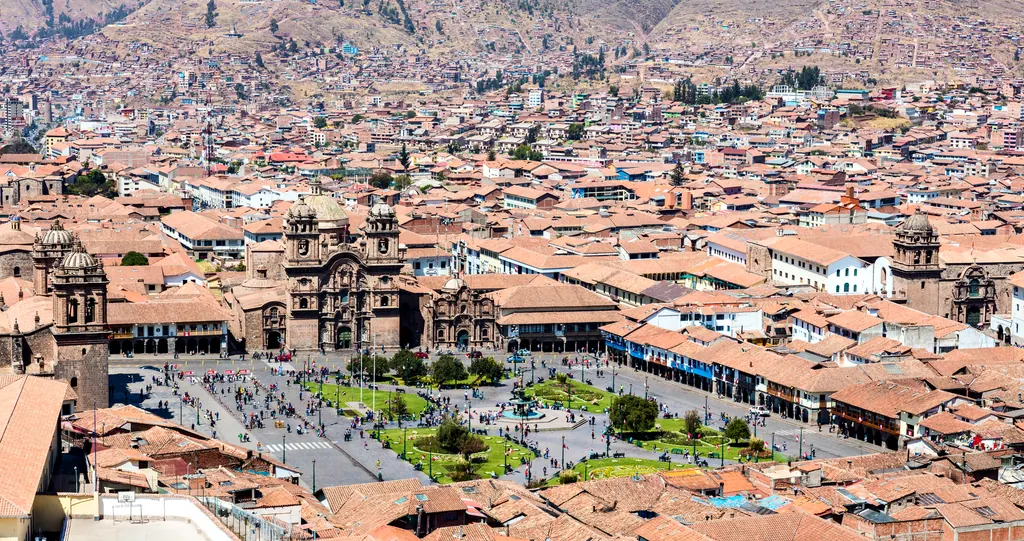
The plane drops into a bowl of red tile roofs, the doors open, and the first thing many visitors notice in Cusco is not the cathedral or the Inca walls. It is the stairs. A short flight up to the hotel lobby leaves you breathing like you just ran for a bus, and by evening a dull headache may have settled in behind your eyes.
That is the thin air of the Andes at work, and it catches out plenty of fit, healthy travelers. The good news is that altitude sickness in Cusco is predictable and, for most people, manageable with a smarter itinerary. Below we look at how high you will actually be, who tends to feel it, what doctors recommend, and how to arrange the days around Cusco, the Sacred Valley and Machu Picchu so your body gets a fair chance to adjust.
How high is Cusco, really?
Cusco sits at about 11,152 feet (3,399 m) above sea level, according to the city and Peru's tourism board. The airport is a little lower at around 10,860 feet (3,310 m), which is why you can feel the change the minute you step off a flight from Lima, a city that sits close to sea level.
The surprise for many first-timers is that the famous sights around Cusco are not all higher. Several are noticeably lower:
| Place | Approximate elevation |
|---|---|
| Lima (for comparison) | 531 ft (162 m) |
| Aguas Calientes (Machu Picchu Pueblo) | 6,693 ft (2,040 m) |
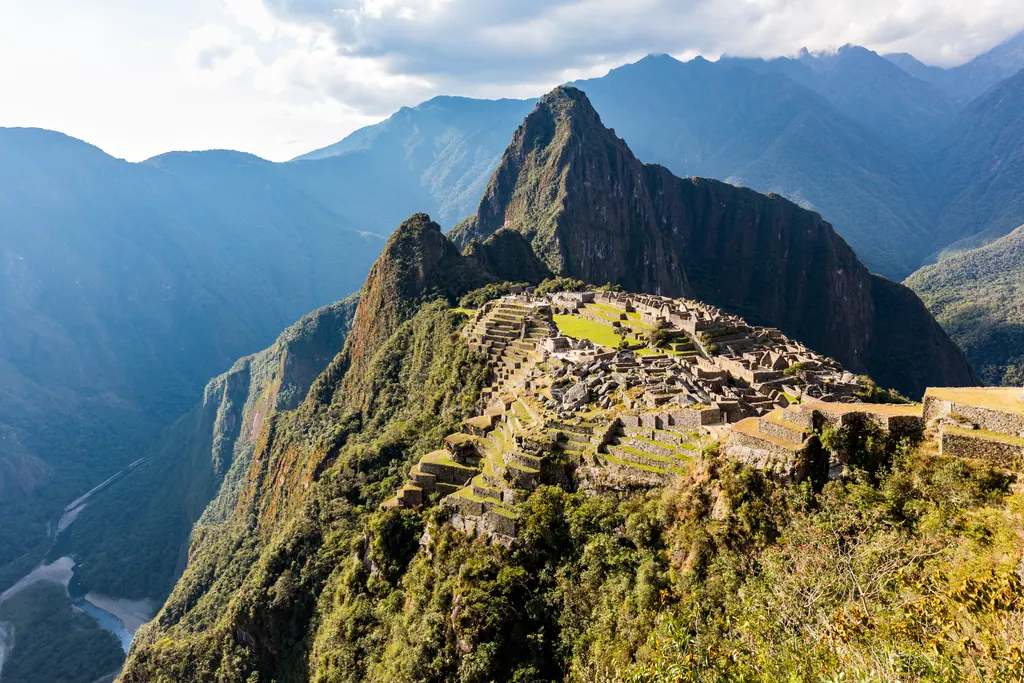
| Machu Picchu citadel | 7,972 ft (2,430 m) |
| Ollantaytambo | 9,160 ft (2,792 m) |
| Urubamba | 9,420 ft (2,871 m) |
| Cusco city | 11,152 ft (3,399 m) |
| Chinchero | 12,303 ft (3,750 m) |
| Puno and Lake Titicaca | about 12,500 ft (3,810 m) |
| Humantay Lake | about 13,780 ft (4,200 m) |
| Rainbow Mountain (Vinicunca) | about 16,520 ft (5,036 m) and higher at the top viewpoint |
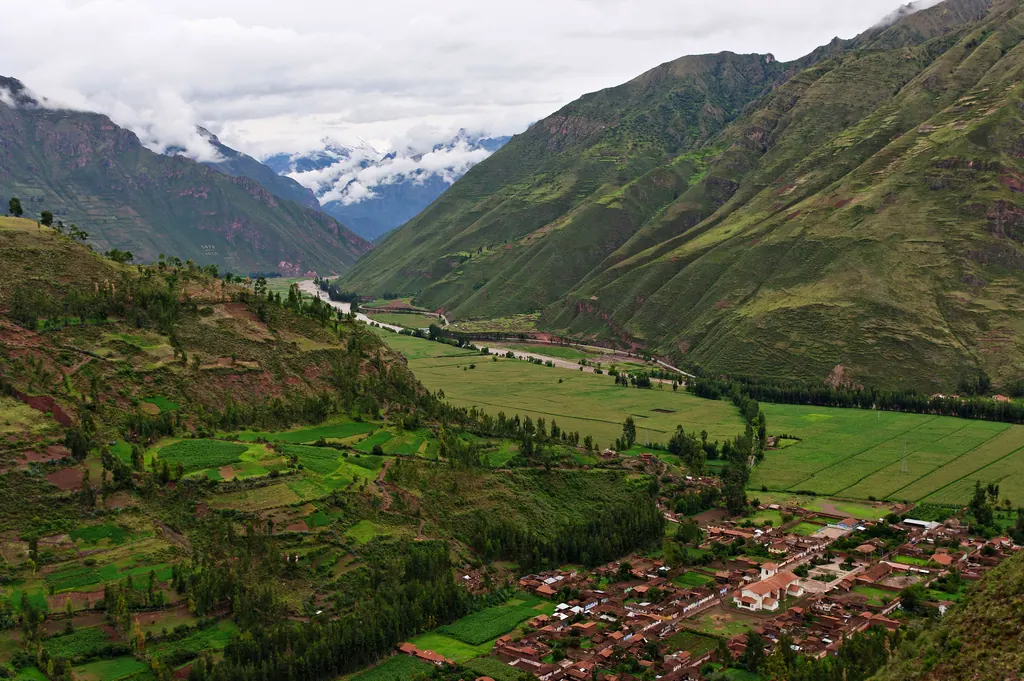
Figures vary slightly between sources and measuring points, but the pattern is what matters. Cusco is a high place to sleep, the Sacred Valley is roughly 1,600 to 2,000 feet lower, and Machu Picchu is lower still.
What does altitude sickness feel like?
The mildest and most common form is acute mountain sickness, often shortened to AMS. Peruvians call it soroche. The CDC lists the typical symptoms as headache, tiredness, loss of appetite, nausea and sometimes vomiting. Many people also sleep poorly the first night or two, waking up short of breath.
Symptoms usually start within hours of arrival, often on the first evening, and for most travelers they fade over a day or two as the body adjusts. According to the CDC, the risk starts at elevations above about 8,000 feet, and Cusco is well above that line.
There are two rare but serious forms you should know by name:
- HACE (high altitude cerebral edema): confusion, clumsiness, trouble walking a straight line, unusual drowsiness.
- HAPE (high altitude pulmonary edema): breathlessness even at rest, a persistent cough, a feeling of tightness in the chest, very low stamina.
Either one is a medical emergency. The treatment is to get lower and get help, not to sleep it off.
Who is most at risk?
Altitude sickness does not care much about fitness. Marathon runners get it, and so do retirees who rarely exercise. The biggest risk factors, according to the CDC Yellow Book, are how high you sleep, how fast you got there, and if you have had altitude illness before.
That makes Cusco tricky. It is common to fly from sea level in Lima to more than 10,000 feet in about an hour and a half, then sleep in the city that same night. That is exactly the pattern doctors warn against: the CDC advises avoiding going from low elevation to a sleeping elevation above 9,000 feet (2,750 m) in a single day.
People with heart or lung disease, sickle cell disease, or who are pregnant should talk to a doctor well before booking, because low oxygen affects them differently.
How do you avoid altitude sickness in Cusco?
The most effective tool is not a pill or a tea. It is the order of your itinerary.
Sleep low first. Because the Sacred Valley is lower than Cusco, many travelers land at Cusco airport and drive straight down to Urubamba or Ollantaytambo, about 1.5 to 2 hours by road, and spend the first two nights there. From Ollantaytambo the train continues to Aguas Calientes, which is lower again. You see Machu Picchu early in the trip and then end with Cusco, by which point your body has had several days to adapt.
Go slow on day one. The CDC recommends avoiding alcohol and heavy exercise for at least the first 48 hours above 8,000 feet. In practice that means a short walk, an early dinner and an early night, not a pisco tasting and a hike up to Sacsayhuamán.
Keep the climb gradual. Once you are above 9,000 feet, the CDC suggests raising your sleeping elevation by no more than about 1,600 feet per day, with an extra day for every 3,300 feet gained. That matters if you plan to continue to Lake Titicaca or to trek.
Save the big heights for later. Day trips to Rainbow Mountain or Humantay Lake go much higher than Cusco. Plan them after a few nights in the region, never on the first or second day.
Stay hydrated, but do not overdo it. Drink normally and keep an eye on the color of your urine. The Wilderness Medical Society notes that forcing extra water does not prevent altitude sickness.
Keep your coffee habit. If you drink coffee every day at home, the CDC suggests continuing, so a withdrawal headache is not confused with an altitude headache.
Should you take medication?
Acetazolamide (sold as Diamox and as a generic) is the best-studied medicine for preventing acute mountain sickness. It speeds up acclimatization, and the CDC Yellow Book describes it as an option when a fast ascent cannot be avoided, which describes a direct flight into Cusco quite well.
It is a prescription drug in the United States, so talk to your doctor or a travel clinic before you go. The usual approach is to start the day before you arrive at altitude. It is a sulfonamide-type drug, so tell the doctor about any sulfa allergy. Common side effects include tingling in the fingers and toes and a flat taste in carbonated drinks.
Over-the-counter pain relievers such as ibuprofen or acetaminophen can ease a mild altitude headache. They treat the symptom, not the cause.
Does coca tea help?
Almost every hotel in Cusco offers mate de coca, a tea made from coca leaves, and many travelers swear by it. The evidence is thin. The Wilderness Medical Society lists coca leaves and coca tea among the remedies that have not been shown to prevent altitude sickness.
There are two more things Americans should know. The U.S. Embassy in Peru advises U.S. citizens not to use coca products such as tea or candy, because they are considered a controlled substance and can interact with other medications. Drinking coca tea can also show up on a workplace drug test after you get home. And you cannot bring coca leaves or coca tea back into the United States. U.S. Customs and Border Protection says it is illegal to bring coca leaves into the country for any purpose, including tea.
The same goes for the small cans of oxygen sold in some pharmacies: they may make you feel better for a few minutes, but the Wilderness Medical Society does not count them as prevention.
What should you do if you feel sick?
For a mild headache and tiredness, rest, eat light, skip alcohol and do not go any higher until you feel better. Most cases improve within one to two days.
Go down and get medical help if:
- the symptoms get worse while you rest
- you become confused, unsteady or unusually sleepy
- you are short of breath even when sitting still
- you cannot keep fluids down
Hotels in Cusco often keep oxygen on hand, and the city has private clinics used to treating visitors. Descent is still the real cure. Even dropping 1,000 to 1,500 feet, for example from Cusco to the Sacred Valley, can make a clear difference.
A good travel insurance policy with medical coverage is worth having for a trip like this. Most U.S. health plans pay little or nothing abroad, and if you are on Medicare, read our guide to whether Medicare covers international travel. As of November 16, 2026, the U.S. State Department rates Peru at Level 2 (Exercise Increased Caution), most recently reissued on September 4, 2026, mainly because of crime and unrest. That advisory is about safety, not health, but it is another reason to have good coverage in place.
A sample first week that respects the altitude
Here is one way to order a classic first trip, built around sleeping low first:
- Day 1: Fly Lima to Cusco in the morning. Drive straight to Urubamba or Ollantaytambo. Rest.
- Day 2: Gentle sightseeing in the valley, such as the Ollantaytambo ruins or the market in Pisac.
- Day 3: Train from Ollantaytambo to Aguas Calientes, then sleep at the lowest point of the trip.
- Day 4: Machu Picchu in the morning, train back toward Cusco in the afternoon.
- Days 5 to 7: Cusco itself. By now most travelers feel much better, and the steep streets of San Blas and the walk up to Sacsayhuamán are a pleasure instead of a struggle.
If you still want Rainbow Mountain or Humantay Lake, add them at the end. Read more health advice on our health and vaccinations page, and find more ideas for the country on our Peru page.
Frequently asked questions
How high is Cusco?
Cusco sits at about 11,152 feet (3,399 m) above sea level. That is well above the roughly 8,000 feet where the CDC says altitude illness becomes a risk.
Is Machu Picchu higher than Cusco?
No. The Machu Picchu citadel is at about 7,972 feet (2,430 m), more than 3,000 feet lower than Cusco. The towns of the Sacred Valley are also lower than Cusco.
How long does it take to acclimatize in Cusco?
Mild symptoms usually ease within one to two days. Many travelers feel clearly better after two or three nights at altitude, especially if they sleep in the lower Sacred Valley first.
Can you bring coca tea back to the United States?
No. U.S. Customs and Border Protection says it is illegal to bring coca leaves into the United States for any purpose, including for tea.
- CDC Travelers' Health: Travel to High Altitudes
- CDC Yellow Book: High-Altitude Travel and Altitude Illness
- Wilderness Medical Society: Clinical Practice Guidelines for Acute Altitude Illness
- U.S. Department of State: Peru Travel Advisory
- USDA APHIS: Coffee, Teas, Honey, Nuts and Spices (coca leaves restricted)