
Nigeria is Africa's most populous country and one of its loudest cultural exporters: Afrobeats, Nollywood, literature, fashion. For American travelers it also sits behind a serious U.S. travel advisory. The honest way to write about the place is to hold both facts at once.
This article is a first look at what draws visitors to Lagos, Calabar and the Osun-Osogbo Sacred Grove, when the dry season helps, and how to read the State Department guidance before you book anything.
Start with the advisory, not the Instagram reel
As of November 7, 2026, the U.S. Department of State rates Nigeria Level 3: Reconsider Travel because of crime, terrorism, civil unrest, kidnapping and uneven access to quality health care. Some states carry higher "do not travel" guidance (including areas in and around Borno, Yobe and other listed northern and central states; always read the full, current advisory page, because listed states change).
That does not mean every street in Lagos is off limits. It does mean this is not a casual weekend add-on. Travelers who go usually work with trusted local contacts or reputable operators, keep a low profile, avoid night road travel between cities, and register plans with their embassy. If Level 3 already feels like a no for you, trust that instinct. There are other West African trips with lighter advisories.
Lagos: the megacity that sets the tempo
Most international flights land in Lagos. Victoria Island, Ikoyi and parts of Lekki hold hotels, restaurants, galleries and the nightlife that diaspora Nigerians return for in December (often called "Detty December"). Lagos Island still holds markets and older commercial streets. Traffic is legendary; build buffer time into every plan and treat car hire with a known driver as infrastructure, not a luxury.
What to sample in a short stay: live music and contemporary art scenes, coastal walks where conditions allow, and Nigerian food beyond a single jollof rice plate (suya, pounded yam and egusi, fresh seafood). Lagos is intense, entrepreneurial and exhausting. It rewards travelers who like cities more than beach packages.
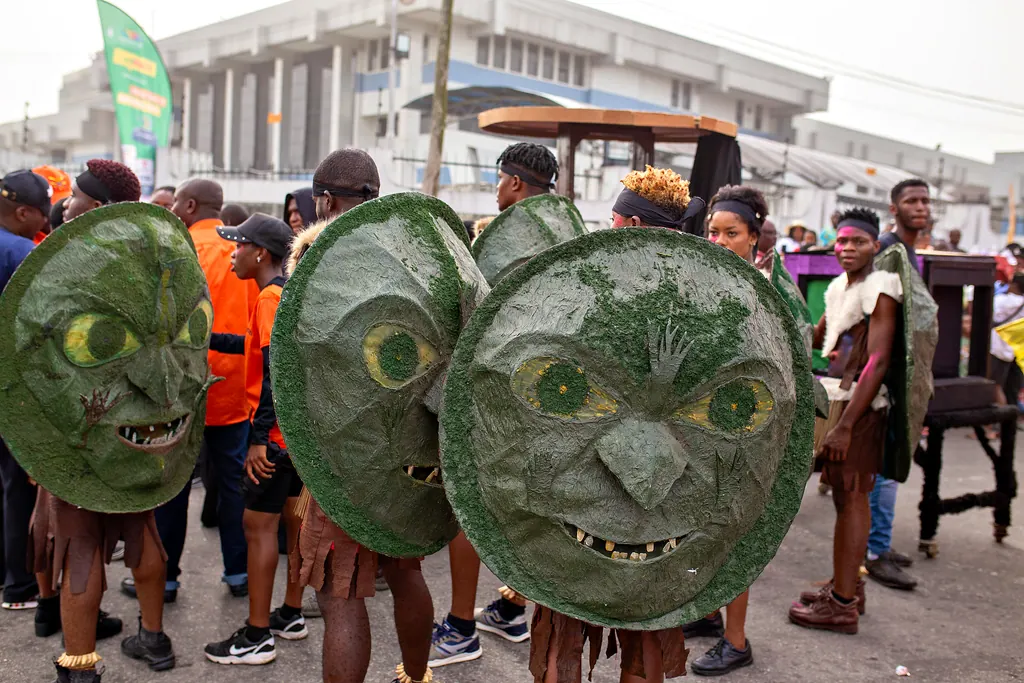
Calabar and the December carnival
Calabar, in Cross River State near the Cameroon border, has a softer pace than Lagos and is widely known for the Calabar Carnival in December, a multi-week street festival that builds to major parades late in the month. Travel writers often call it one of Africa's largest carnival events. Hotel rates rise; book early if December is the point of the trip.
Outside carnival season, Calabar works as a base for rainforest and highland side trips when security conditions and local advice allow, including routes toward Obudu on the plateau. As always in Nigeria, check the latest advisory map before leaving the city.
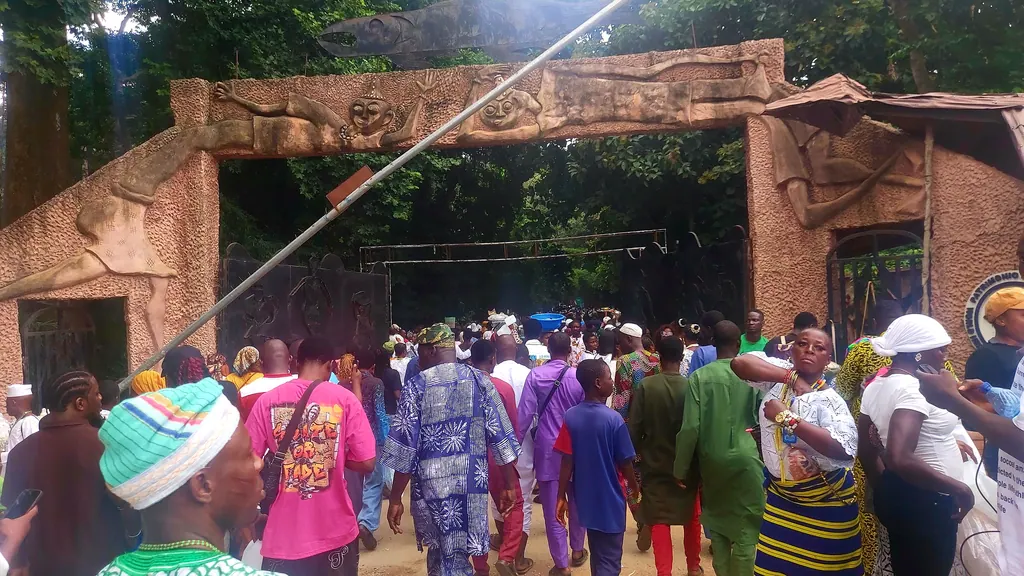
Osun-Osogbo: Nigeria's UNESCO sacred grove
The Osun-Osogbo Sacred Grove outside Osogbo in Osun State is Nigeria's UNESCO-listed cultural landscape: forest paths, shrines and sculptures tied to the Yoruba goddess Osun. It is one of the clearest heritage visits for a first-time traveler interested in living tradition rather than only museums.
The annual Osun-Osogbo Festival in August draws pilgrims and diaspora visitors for processions and rites. Outside festival weeks the grove is quieter and easier to walk with a guide. Osogbo sits inland from Lagos (on the order of a few hours by road, depending on traffic and stops). Day-trip logistics should be arranged with people who know the route; do not treat it like a European train hop.
Yankari and the wildlife side of the map
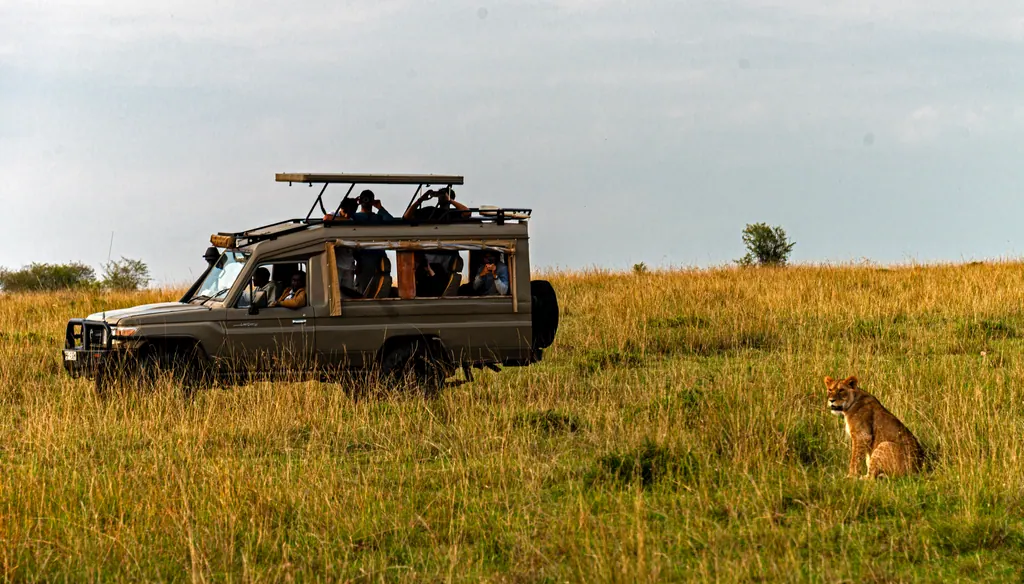
Yankari Game Reserve in Bauchi State is Nigeria's best-known wildlife park, with elephants, antelope, primates and birdlife across savanna habitat, plus the Wikki warm springs. The dry months (roughly November to March) make animals easier to spot. Reaching Yankari usually means flying into the region and continuing by road with a arranged vehicle. Fold the advisory map into that decision: northern and some central states are where many of the higher-risk listings cluster.
When to go
For most first visits, November to March is the practical window: less rain in the south, better wildlife viewing inland, and December energy in Lagos and Calabar. Harmattan haze from the Sahara can dull skies in December and January. The southern rainy season (often peaking midyear) brings flooding risks in Lagos. August is special if the Osun festival is your goal; December is special for carnival.
Visas, shots and money for U.S. citizens
U.S. citizens need a visa before travel. Nigeria's immigration service has moved tourist applications toward online e-visa channels (tourism category often described as a short single-entry stay; confirm the current F5A or equivalent process on immigration.gov.ng and the Nigerian embassy site before you pay anyone). Visa on arrival is not something to assume.
Yellow fever vaccination rules matter for Nigeria. Check the CDC and our guide to the yellow fever vaccine certificate before you fly, and carry the ICVP ("yellow card") if you are vaccinated. Speak with a travel clinic about malaria prevention and routine vaccines.
Cash and cards both appear in big-city hotels; smaller transactions may still prefer cash. Prefer ATMs inside banks or hotels, and avoid casual street money changes. Because the naira can move quickly, many visitor-facing prices are discussed in dollars; we use dollar estimates with a 2026 year tag rather than precise naira figures that age in weeks.
Who this trip is for
Nigeria suits travelers who already have some experience in complex cities, who accept Level 3 advisory language without needing to soften it, and who care about music, food and living culture as much as postcard landscapes. It is a poor match for a first international trip, for unsupervised nightlife wandering, or for anyone unwilling to drop plans when local conditions change.
If you go, go with eyes open: read the full State Department page on the week you book and again the week you fly, use trusted ground partners, and let Lagos or Calabar be a deep dive rather than a checklist dash across the whole map. The country's creative energy is real. So are the risks the advisory describes.
Frequently asked questions
What is the U.S. travel advisory level for Nigeria?
As of November 7, 2026, the State Department rates Nigeria Level 3: Reconsider Travel, with some states listed at higher do-not-travel guidance. Read the full advisory before booking.
Do U.S. citizens need a visa for Nigeria?
Yes. Apply before travel through Nigeria's official immigration channels. Do not assume visa on arrival.
When is the best time to visit Nigeria?
November to March is the practical window for most first visits. December suits Calabar Carnival; August suits the Osun-Osogbo Festival.
Is Lagos safe for tourists?
Lagos has serious crime risks and sits under the nationwide Level 3 advisory. Travelers who go typically use trusted drivers, avoid night road travel between cities and keep a low profile. It is not a casual first international trip.