Ask ten people when to go to Egypt and most will say "winter," which is true as far as it goes. But Egypt is a long country with very different places to visit: Cairo and the pyramids in the north, the temples of Luxor and Aswan far up the Nile, and the Red Sea resorts on the east coast. A month that is perfect for one can be uncomfortable, crowded or simply expensive for another.
So the better question is what kind of trip you have in mind. Below we go through the seasons region by region, with the real temperatures, the crowd patterns, the festivals and holidays that change the picture, and the months we would pick for different kinds of travelers.
How Hot Does Egypt Actually Get?
Heat is the deciding factor, and it rises sharply as you travel south along the Nile. Here are the average daytime highs from long-term climate data:
| Month | Cairo | Luxor | Aswan | Hurghada (Red Sea) |
|---|---|---|---|---|
| January | 66°F (19°C) | 73°F (23°C) | 74°F (23°C) | 72°F (22°C) |
| March | 75°F (24°C) | 85°F (30°C) | 87°F (30°C) | 79°F (26°C) |
| April | 83°F (28°C) | 95°F (35°C) | 96°F (36°C) | 86°F (30°C) |
| July | 95°F (35°C) | 106°F (41°C) | 107°F (42°C) | 99°F (37°C) |
| October | 86°F (30°C) | 96°F (36°C) | 97°F (36°C) | 90°F (32°C) |
| November | 77°F (25°C) | 84°F (29°C) | 86°F (30°C) | 82°F (28°C) |
| December | 69°F (21°C) | 76°F (24°C) | 76°F (25°C) | 75°F (24°C) |
Two things the table does not show. First, the desert gets cold at night in winter: average lows in Luxor are around 45°F (7°C) in January, so a sweater is essential for early-morning starts and hot-air balloon flights. Second, it almost never rains in Upper Egypt. Even Cairo gets only a handful of wet days a year, mostly in winter.
Winter (December-February): Perfect Weather, Peak Crowds
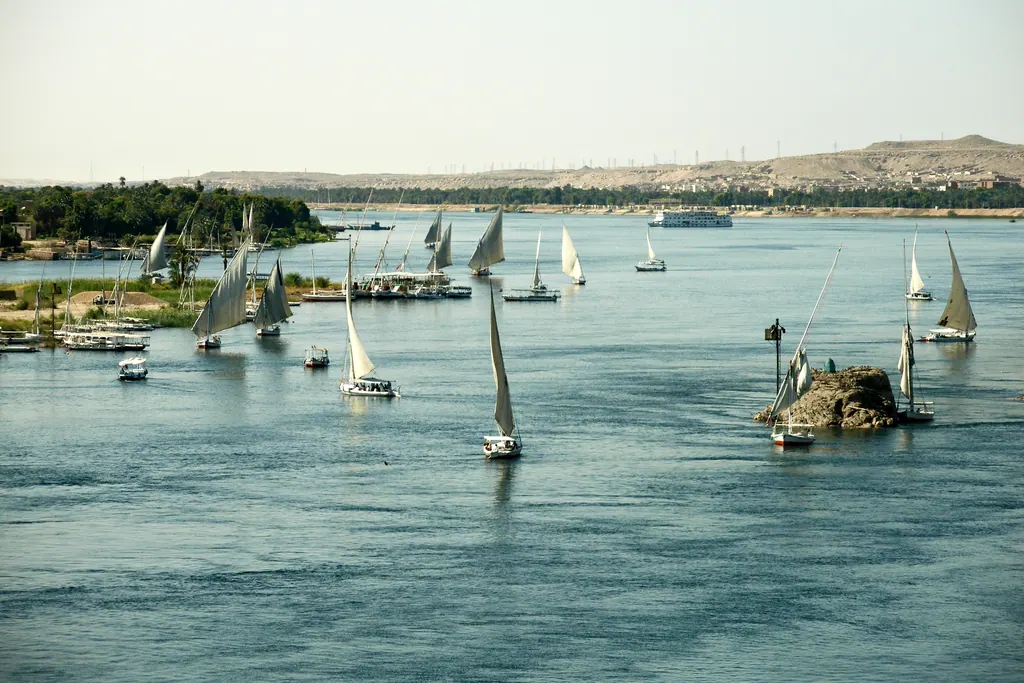
From December through February, daytime temperatures in Luxor and Aswan sit in the mid-70s°F (low to mid-20s°C), which is ideal for long days among the temples and tombs. This is also when most Nile cruises sail fully booked, and the busiest stretch of all is the Christmas and New Year period.
What that means for you:
- Book early. Good Nile cruise cabins and hotels with views of the river sell out months ahead for late December.
- Start early. At Karnak, the Valley of the Kings and the Giza pyramids, the first hour after opening is far calmer than late morning, when tour buses arrive.
- Expect higher prices. Rates for cruises and hotels are at their highest around the holidays.
The Red Sea is pleasant but not hot in winter: air temperatures around 72°F (22°C) and sea temperatures of about 70-72°F (21-22°C). Divers and snorkelers in wetsuits will be happy, beach loungers may find it cool in the shade.
Spring (March-April): Warm, With Wind and a Moving Holiday
March is a very good month for a classic Cairo and Nile trip, with comfortable temperatures and fewer crowds than in winter. By April, Luxor and Aswan are already in the mid-90s°F (about 35°C) by afternoon, so plan sightseeing for the morning.
Spring is also the season of the khamsin, a hot, dusty wind from the desert that can blow for a day or two at a time, usually between March and May. It can haze the sky and occasionally disrupt flights or balloon rides. It is not a reason to stay home, but it is a reason to build some slack into your plans.
Ramadan moves about 11 days earlier each year. In 2027, it is expected to start around February 8, with Eid al-Fitr around March 9, according to Egypt's National Research Institute of Astronomy and Geophysics (the exact dates depend on the moon sighting). Sights stay open, but opening hours can be shorter, the pace of daily life changes, and evenings become lively when families break the fast. It can be a fascinating time to visit if you are flexible. Be discreet about eating and drinking in public during the day outside tourist areas.
Summer (May-September): For Divers and the Heat-Proof
Summer in Upper Egypt is brutal. Average highs in Luxor and Aswan pass 105°F (40°C) in July, and the sun reflects off stone and sand. Some visitors still come, attracted by low prices and empty temples, but you will need to be at the sights at dawn and back in an air-conditioned room by late morning.
The exception is the Red Sea. Summer is high season for Egyptian and European families at Hurghada, Sharm El Sheikh and Marsa Alam, and the water reaches about 82°F (28°C) in August. It is hot, but the sea breeze helps, and for divers the water is at its warmest.
Cairo in summer is hot and humid but manageable if you spend the middle of the day in museums.
Autumn (October-November): Our Favorite Window
From mid-October through November, the heat breaks, the crowds have not yet peaked, and the Red Sea is still warm enough for a proper beach holiday (around 77-79°F, or 25-26°C, in the water). It is the best time to combine the Nile and the coast in one trip.
November is also a good month to see the Grand Egyptian Museum at Giza, which officially opened in November 2025 and houses the complete Tutankhamun collection. From November 1, 2026, an adult ticket for foreign visitors costs 1,830 Egyptian pounds (about $34 in 2026), and tickets should be booked on the museum's official site. Pair it with the pyramids on the same day, since the museum sits next to the Giza Plateau.
Dates Worth Planning Around
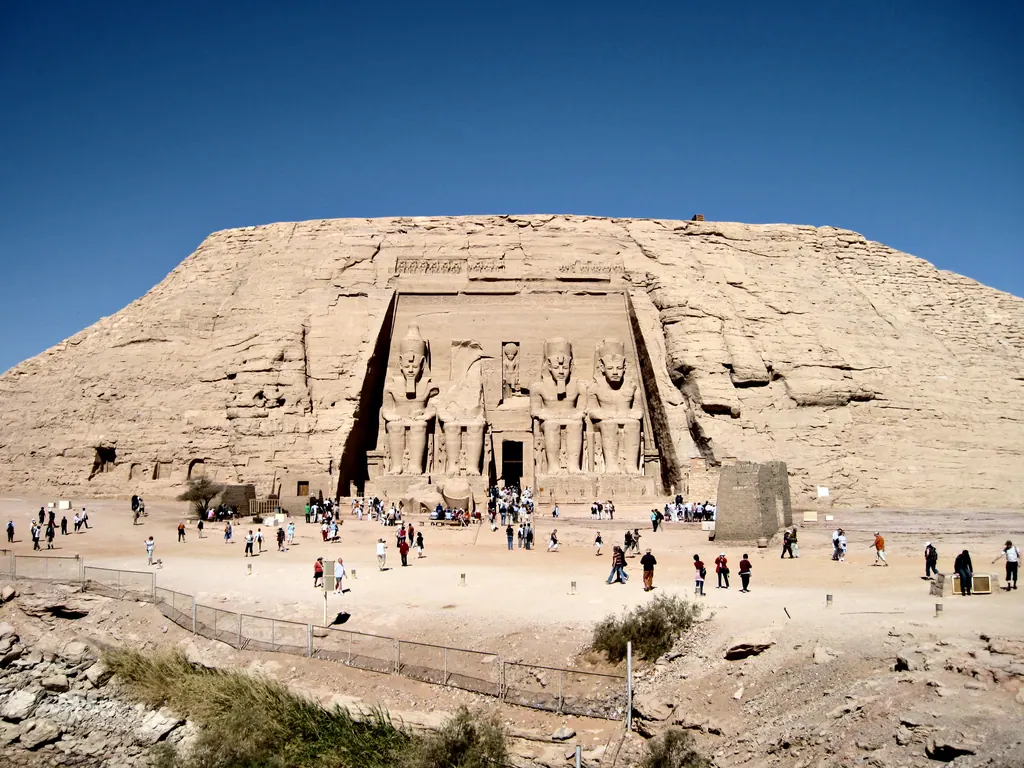
- Abu Simbel Sun Festival (February 22 and October 22): Twice a year, the rising sun shines deep into the Great Temple of Abu Simbel and lights up statues in the inner sanctuary. Crowds are huge, so book transport and a hotel early.
- Christmas and New Year: The busiest and most expensive weeks of the year for Nile cruises.
- Ramadan and Eid: See above. Eid al-Fitr, at the end of Ramadan, is a big domestic travel holiday, and Red Sea resorts fill up with Egyptian families.
Before You Book: Entry and Safety
U.S. citizens need a visa for Egypt. You can buy one on arrival at Egyptian airports, or apply in advance on the government's official portal, visa2egypt.gov.eg, where a single-entry tourist e-visa costs $30 in 2026. Unofficial look-alike visa websites may charge far more, so use only the official portal. Your passport must be valid for at least six months after you arrive.
As of November 10, 2026, the U.S. State Department rates Egypt at Level 2: "Exercise Increased Caution," with "Do Not Travel" warnings for North and Middle Sinai, the Western Desert (unless you travel with a licensed tour company) and border areas. The main tourist circuit of Cairo, Luxor, Aswan and the Red Sea resorts is outside those areas. For what the levels mean, see our guide to State Department travel advisory levels.
Which Month Should You Choose?
- First trip, temples and the Nile: Late October through early December, or late January through mid-March. You get comfortable weather without the holiday rush.
- Nile cruise on a budget: Early December or the second half of March, when prices dip before or after the peak.
- Red Sea beach and diving: October and November for the best balance of warm water and bearable air, or June through September if you love heat and want the warmest water.
- Photography and quiet temples: January mornings, when the light is soft and the air is clear.
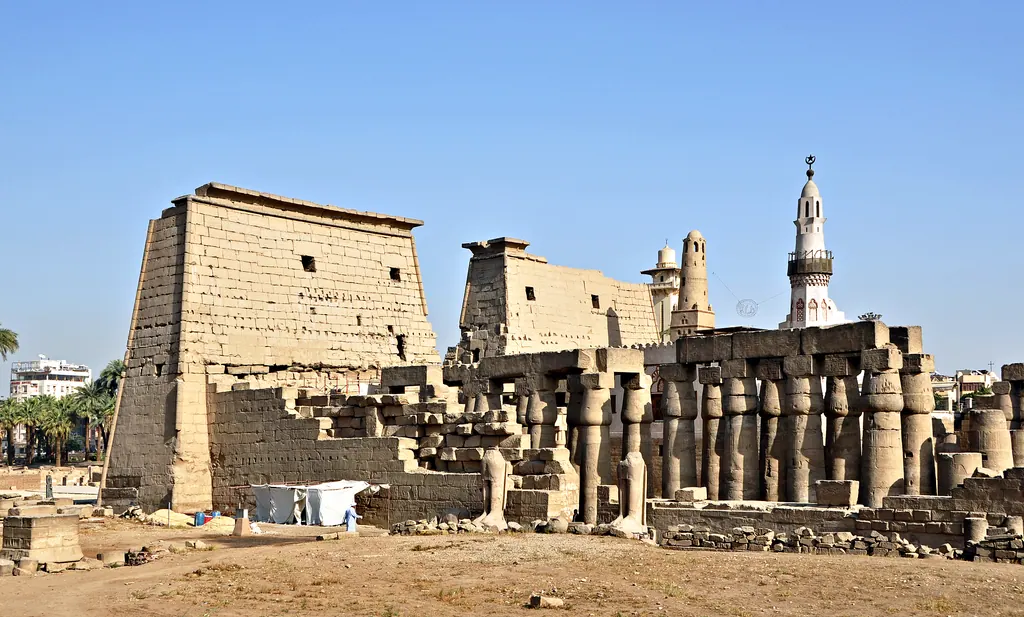
Wherever you end up, put Luxor's west bank and Aswan's riverside on your list. Our guide to the great temples of Egypt along the Nile helps you decide which sites deserve a full morning and which can be seen in an hour.
Frequently asked questions
What is the best month to visit Egypt?
For temples and a Nile cruise, late October to early December and late January to mid-March offer comfortable weather with fewer crowds than the holidays. For the Red Sea, October and November are hard to beat.
Is Egypt too hot in summer?
In Luxor and Aswan, average July highs pass 105°F (40°C), which makes sightseeing hard after mid-morning. The Red Sea coast is more manageable thanks to the sea breeze.
When is Ramadan 2027 in Egypt?
It is expected to begin around February 8, 2027, with Eid al-Fitr around March 9, according to Egypt's astronomy institute. The exact dates depend on the moon sighting.
When is the Abu Simbel Sun Festival?
On February 22 and October 22 each year, when the rising sun lights up the statues in the inner sanctuary of the Great Temple.