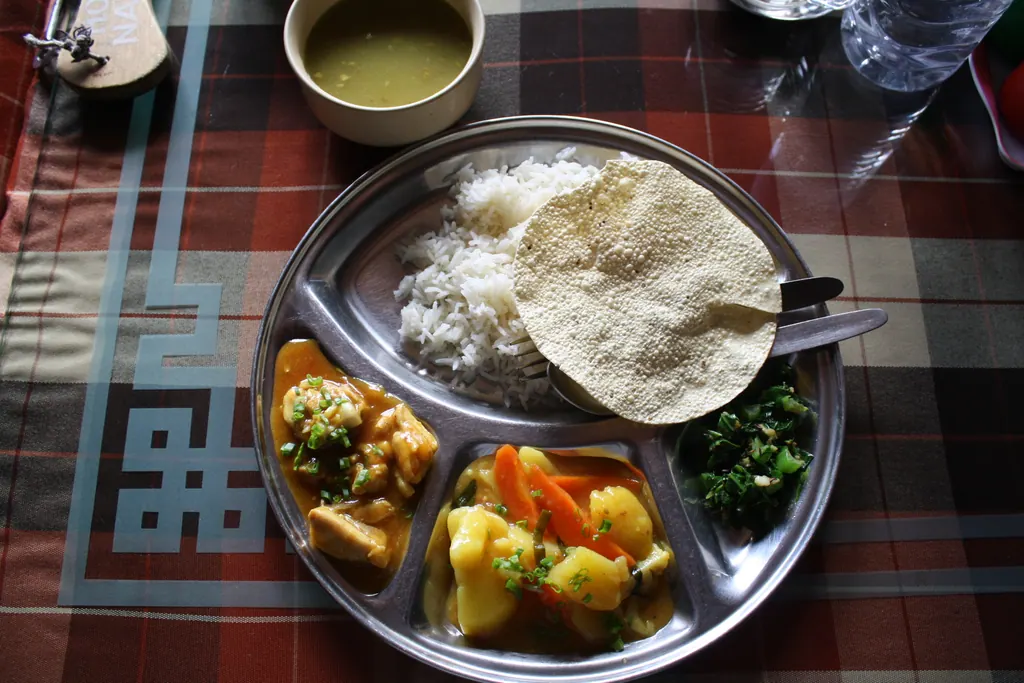
Ask anyone who has trekked in Nepal what they ate, and the answer usually comes in two words: dal bhat. Lentil soup, rice, a vegetable curry, a sharp pickle, served on a steel plate in a teahouse kitchen warmed by a yak dung stove. Then the cook comes back with the pot and fills the plate again.
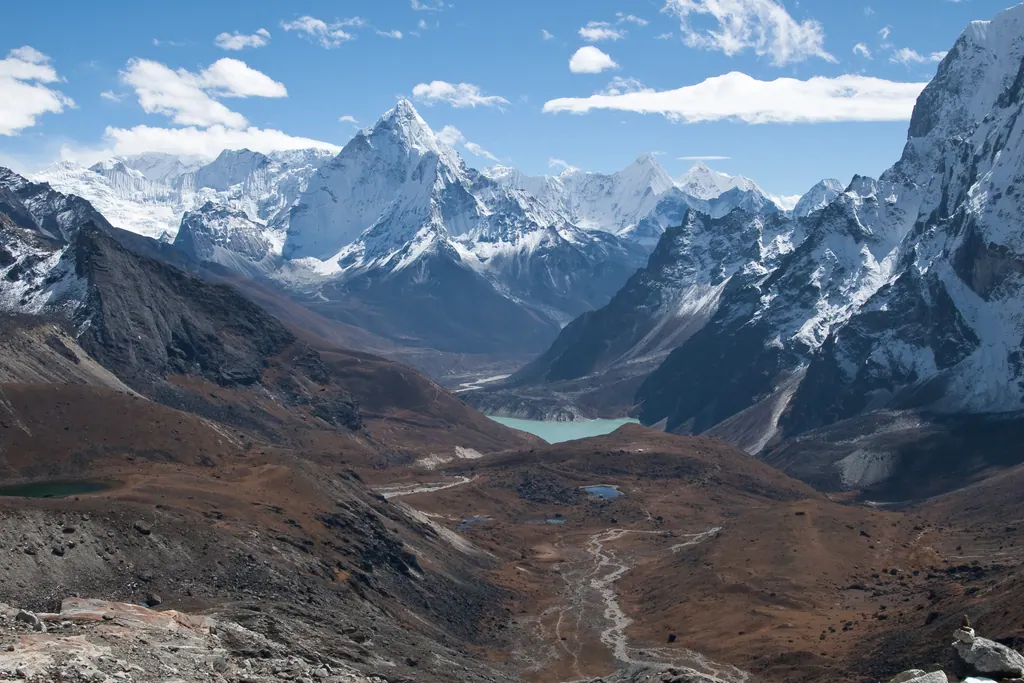
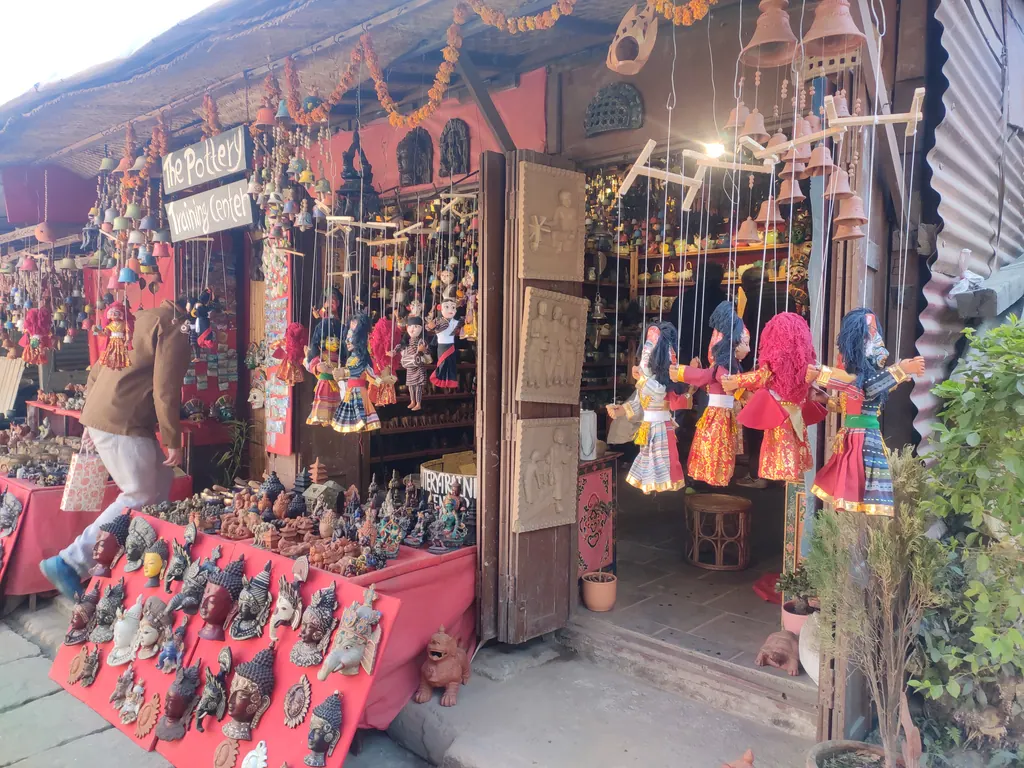
But a country that runs from the hot Terai plains near India to villages above 4,000 meters does not eat just one meal. The Newar towns of the Kathmandu Valley have one of the richest food cultures in South Asia, the Thakali families of the Kali Gandaki valley turned trail cooking into a craft, Sherpa kitchens on the Everest trail serve stews and noodle soups built for the cold, and the Tharu villages near Chitwan cook with river snails and rice flour. Here is what to look for, what it costs, and how to eat well without getting sick.
Why does everyone eat dal bhat?
Dal bhat is the everyday meal of most Nepali households, eaten twice a day in many homes, usually late morning and early evening. The full name is often dal bhat tarkari: dal (lentil soup), bhat (rice) and tarkari (vegetable curry, often potato, cauliflower or greens). Most plates also come with achar, a pickle or chutney that can be sour, smoky or very hot, plus saag (cooked greens) and sometimes a papad. Chicken or mutton versions add a small bowl of meat curry.
Trekkers live on it for practical reasons. On most teahouse menus, dal bhat is the one dish where refills of rice, dal and vegetables are included in the price, so it is the best value for a body burning thousands of calories a day. It is also the dish the kitchen cooks for its own family and staff, so it is usually freshly made, and the rice and lentils are cooked well. Guides and porters eat it at almost every meal, and many trekkers end up doing the same.
In hill towns such as Gorkha, Bandipur and the villages along the trails, dal bhat is simply what lunch is. In Kathmandu and Pokhara, look for a "khana set" or "Nepali set" at local eateries rather than tourist restaurants. In 2025, a plate at a local place in Kathmandu cost around 200-300 rupees (about $1.50-2), according to a report on rising prices in Nepal. Tourist restaurants in Thamel and Pokhara's Lakeside charge several times that.
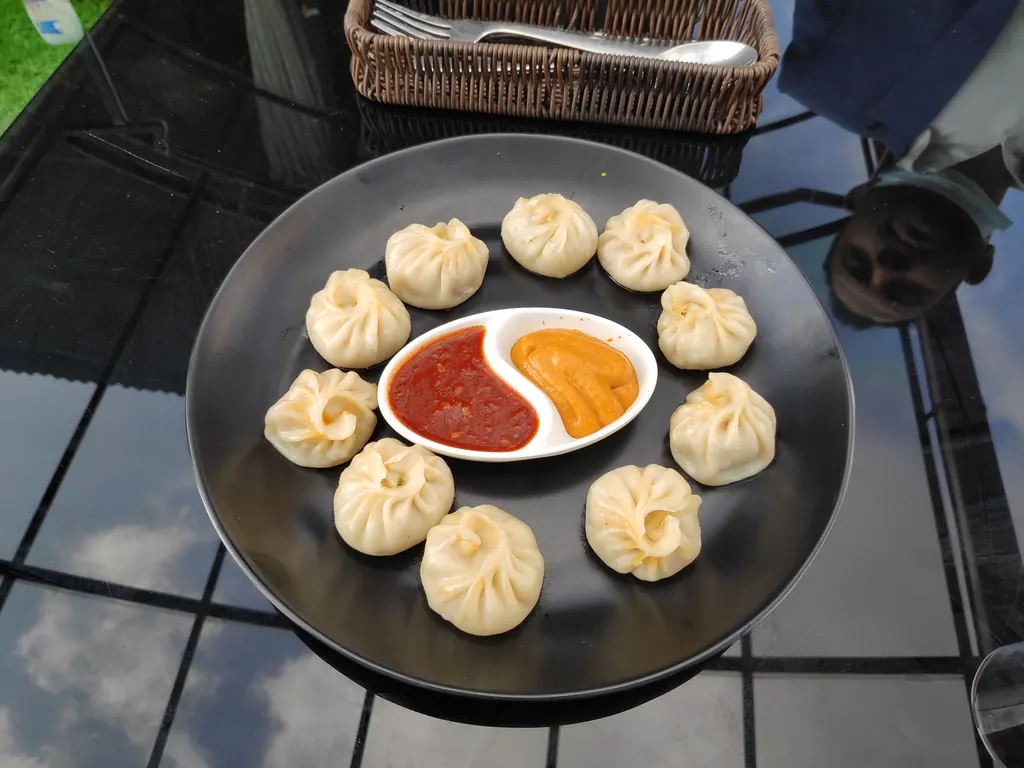
Momos and other things you'll find everywhere
If dal bhat is the meal, momos are the snack, and in Kathmandu they are close to a national obsession. These are steamed dumplings with Tibetan roots, filled with buff (water buffalo meat), chicken, pork, vegetables or paneer, and served with a tomato and sesame dipping sauce called achar. You can also order them fried, "kothey" (pan fried on one side), or as "jhol momo" swimming in a spicy broth. A plate usually holds about 10 pieces.
Buff appears on many menus because beef is not eaten by most Nepalis, and cow slaughter is illegal in Nepal, where the cow is the national animal. Buff is the water buffalo, and it has its own long tradition, especially in Newar cooking.
Other dishes you will see across the country:
- Chow mein and thukpa: stir-fried noodles and noodle soup, both staples on trekking menus.
- Sel roti: a ring-shaped, slightly sweet fried rice bread, made for festivals like Tihar and sold at tea stalls.
- Sekuwa: grilled, spiced meat on skewers, a favorite evening snack.
- Chatamari: a thin rice-flour crepe with toppings, sometimes called "Newari pizza".
- Aloo tama: a sour curry of potatoes and bamboo shoots.
- Gundruk: fermented and dried leafy greens, used in soups and pickles, with a sharp, sour taste.
What should you eat in Kathmandu, Patan and Bhaktapur?
The Newar people are the original inhabitants of the Kathmandu Valley, and their food is the reason serious eaters stay longer in Kathmandu, Patan and Bhaktapur. Newari cooking is heavy on buffalo meat, beaten rice, lentils, spices and fermented flavors, and much of it is tied to festivals and family feasts.
The dishes to know:
- Samay baji: a ceremonial platter of beaten rice (chiura), choila (spiced grilled buffalo or other meat), black soybeans, boiled egg, ginger, garlic and pickles. It is served at festivals and rituals and is the classic introduction to Newari food.
- Choila: smoky, chili-spiced grilled meat, often buff, served cold or at room temperature.
- Bara (or wo): a savory pancake of ground black lentils, fried on a griddle and often topped with an egg or minced meat. Street vendors sell them freshly made around the squares.
- Yomari: a steamed rice-flour dumpling shaped like a fig or a fish, filled with chaku (molasses) and sesame. It is the centerpiece of Yomari Punhi, a harvest festival on a full moon around December, but some sweet shops in Bhaktapur sell it outside the festival too.
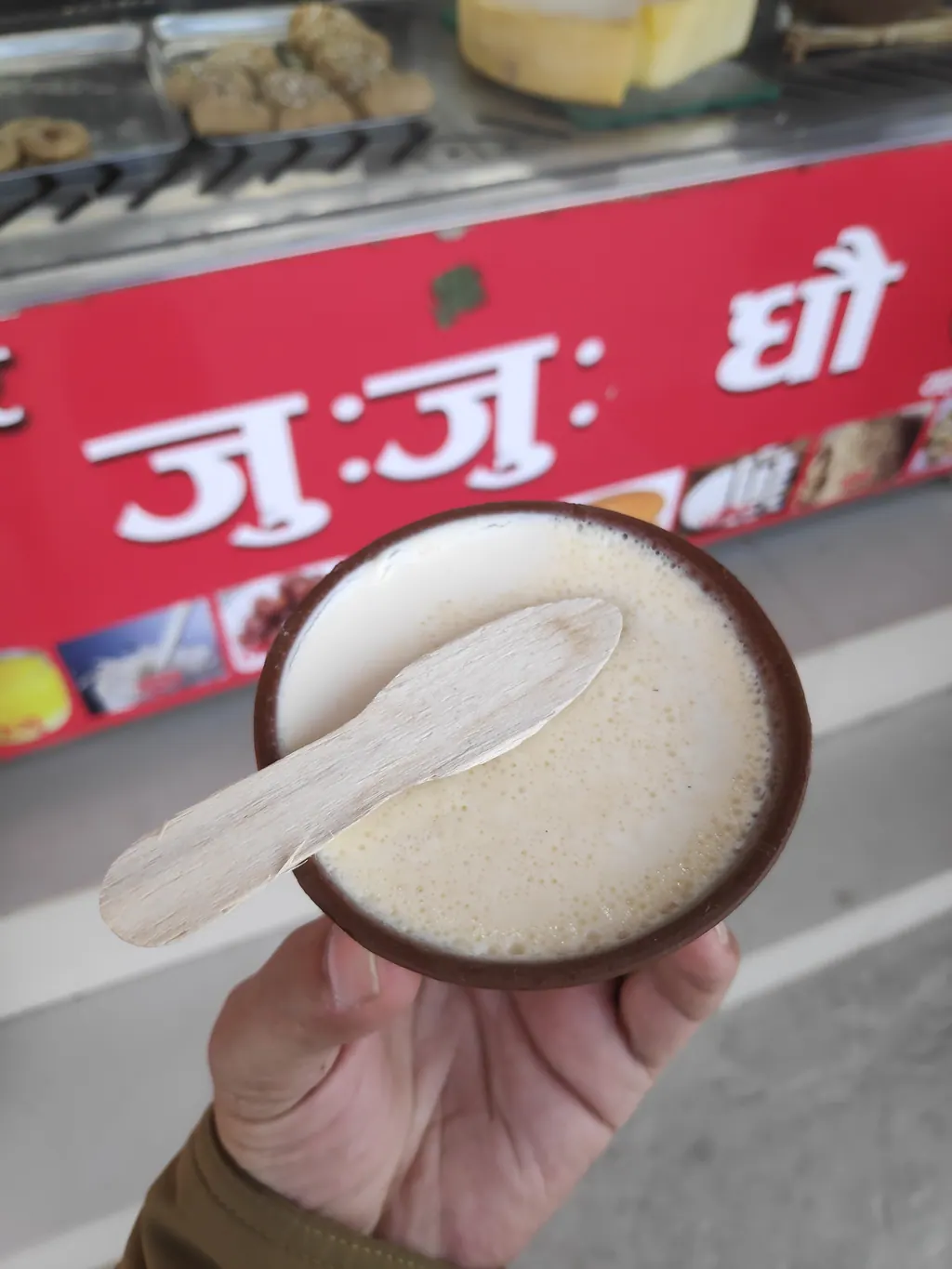
- Juju dhau: "king of curds", a thick, sweet yogurt set in clay pots, the signature of Bhaktapur. Vendors sell it in small clay bowls around the old squares, and it is worth the trip on its own.
- Kwati: a soup of several sprouted beans, eaten during the Janai Purnima festival in August.
Many restaurants in Patan and Bhaktapur, and in the old center of Kathmandu, serve a "Newari khaja set", a lunch platter that lets you try several of these at once. Newari meals are usually washed down with aila, a strong distilled spirit, though you can ask for it to be left off.
Thakali food in Jomsom, Marpha and Pokhara
The Thakali people come from the Thak Khola area of the upper Kali Gandaki valley in Mustang, around Jomsom, Marpha and Tukuche. For centuries they ran inns and trading posts on the salt route between Tibet and the Nepali lowlands, and that hospitality tradition shows in their food. A "Thakali khana set" is the most refined version of dal bhat you will find: rice or dhido (a thick buckwheat or millet porridge), a deep, dark dal, several vegetable dishes, pickles, greens and often mutton or chicken curry, served on a bronze or brass plate.
Up in the valley, buckwheat is the grain of choice, turned into bread, pancakes and dhido, and Marpha is famous for its apple orchards. Apple pie, apple crumble, dried apples, cider and apple brandy appear on menus all along the Annapurna Circuit between Jomsom and Tatopani. Down in Pokhara, Thakali restaurants are one of the most reliable ways to eat well away from the cafe strip of Lakeside, and a Thakali set is a good final meal before or after a trek.
Food on the Everest trail: Sherpa and Tibetan dishes
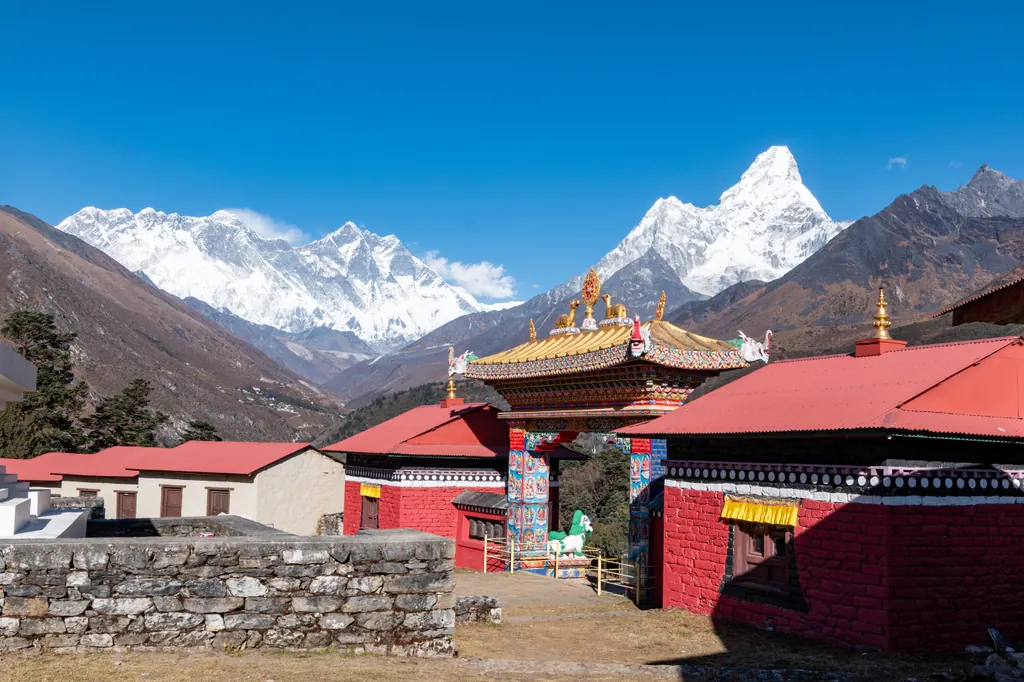
In the Khumbu region, the food changes with the culture. Sherpa and Tibetan cooking is built for long, cold days: soups, noodles, potatoes and barley.
- Thukpa: a Tibetan noodle soup with vegetables and sometimes meat. Warming, filling and easy to eat when the altitude kills your appetite.
- Sherpa stew (shyakpa): a thick stew of hand-pulled dough pieces, potatoes and vegetables. Many teahouses in Namche Bazaar and higher make their own version.
- Tsampa: roasted barley flour, a traditional high-altitude staple, mixed with butter tea into a dough or eaten as porridge.
- Riki kur: Sherpa potato pancakes, often served with yak butter or cheese.
- Yak cheese: hard and mild, sold in Namche and on the way up.
Teahouse menus on popular routes are surprisingly long, with pizza, pasta, spring rolls, pancakes, Snickers bars and apple pie alongside the Nepali dishes. Everything above the road head, though, arrives on the backs of porters or animals, so simple local dishes tend to be fresher. Many guides advise skipping meat on the higher sections of the Everest trek, since it has often been carried up for days without refrigeration. Dal bhat, potatoes, eggs, noodles and soups are the safer bet.
For route planning, altitude and permits, see our guide to trekking in Nepal.
Tharu food near Chitwan
In the lowland Terai around Chitwan National Park, the Tharu people have their own cuisine based on rice, river fish and what grows in the paddy fields. Look for dhikri, steamed rice-flour rolls eaten with curry or chutney; ghonghi, freshwater snails cooked in a spicy, thick gravy and eaten by sucking the meat from the shell; and fish curries. In Sauraha, the village on the edge of the park, some Tharu families and community groups offer cooking classes and homestay meals, a good way to try these dishes, since they rarely appear on tourist menus.
How much does food cost, and why do prices rise on the trail?
In the cities, Nepal is still cheap to eat in if you eat local. In the mountains, prices climb with every day's walk from the nearest road or airstrip, because porters carry the food up. A reporter found that in 2023 a basic teahouse in Gorak Shep, the last stop before Everest Base Camp at about 5,160 meters, charged 700 rupees (about $5) for a plate of plain rice and 750 rupees for noodles, while dal bhat on the higher stretches of the Annapurna Circuit cost around 800-900 rupees (about $6).
| What | Where | Rough price |
|---|---|---|
| Dal bhat set, local eatery | Kathmandu, Pokhara | around 200-300 rupees (about $1.50-2) |
| Dal bhat | Higher Annapurna Circuit lodges | around 800-900 rupees (about $6) |
| Plate of plain rice | Gorak Shep, Everest trail | around 700 rupees (about $5) |
| Food per trekking day | Popular trekking routes | around $25-30 |
These figures come from 2023-2025 reports and keep rising, so treat them as a guide. Many lodges on the main trekking routes keep room prices very low on the expectation that you eat your meals there, and some charge more for the room if you eat elsewhere. Carry enough cash in rupees for the whole trek: there are ATMs in Namche Bazaar and Jomsom, but none in the smaller villages, and cards are rarely accepted.
Tea, butter tea, raksi and tongba
Masala chiya, milky black tea boiled with sugar, ginger and spices, is the drink of the country, served in small glasses at every bus stop and tea stall. Lemon tea, ginger tea and "hot lemon with honey" are trekking favorites.
On the Everest trail and in Tibetan communities, you will meet butter tea: black tea churned with butter and salt. It is more like a thin soup than tea to most foreign palates, but it is warming and its fat and salt make sense at altitude.
The traditional alcohol is homemade. Raksi is a clear spirit distilled from millet or rice, often strong and served warm in villages. Chhyang is a cloudy fermented grain beer. Tongba, the traditional drink of the Limbu people of eastern Nepal, is fermented millet packed into a wooden or bamboo vessel; you pour hot water over it and sip through a bamboo straw, topping up with more hot water as you go. Most guides advise against alcohol while you are still acclimatizing on a high-altitude trek, so save it for the way down.
Is it safe to eat and drink in Nepal?
Do not drink tap water in Nepal. UK health advice through TravelHealthPro asks all travelers to take care with food and water hygiene, recommends hepatitis A vaccination for most travelers and typhoid vaccination for many, and reported a sharp rise in cholera cases in 2025. Stomach trouble is the most common reason trekkers lose a day.
Some practical rules:
- Bring a filter bottle, purification tablets or a UV purifier, and refill with boiled or treated water from teahouses. It is cheaper than bottled water and cuts the plastic problem on the trails. Some areas, including parts of the Annapurna region, have treated water refill points.
- Eat food that is cooked fresh and served hot. Dal bhat at a busy place is usually a safe choice for exactly that reason.
- Be careful with salads, cut fruit you did not peel yourself and ice outside good restaurants in the cities.
- Wash or sanitize your hands before eating, especially on the trail.
For vaccines and more health advice, see our health and vaccinations tips.
Eating vegetarian in Nepal
Nepal is one of the easiest countries in Asia for vegetarians. Much of the population is Hindu, many families eat vegetarian on certain days, and menus everywhere split into "veg" and "non-veg". Dal bhat, vegetable momos, thukpa, Sherpa stew, chatamari without meat and aloo tama are all easy finds. Vegans have a harder time, since ghee, butter, milk tea, yogurt and cheese show up often, but the core dal bhat plate can usually be made without ghee if you ask.
How to eat well in Nepal
Eat dal bhat where the locals and guides eat it, and take the refill. Spend at least one afternoon in Bhaktapur with a clay pot of juju dhau and a plate of bara, and book a Newari khaja set in Patan or Kathmandu. If your route goes through Jomsom or Marpha, order the Thakali set and the apple pie. On the Everest trail, go simple and vegetarian as you climb, and budget more for food than you expect.
More reading on the country is collected under Nepal, and you will find other food guides in our food and drink section.
Frequently asked questions
What is the national dish of Nepal?
Dal bhat, a plate of lentil soup, rice, vegetable curry and pickle, is widely seen as Nepal's national dish. Most Nepali families eat it twice a day, and on trekking routes it usually comes with free refills.
Can you drink tap water in Nepal?
No. Drink boiled, filtered or treated water, or sealed bottled water. On treks, a filter bottle, purification tablets or a UV purifier lets you refill from teahouses and saves money and plastic.
How much should I budget for food on a trek in Nepal?
Reports from 2023-2025 put food on popular trekking routes at around $25-30 per person per day, rising the higher and more remote you go. Bring enough rupees in cash, since card payments and ATMs are rare in the mountains.
Is it easy to be vegetarian in Nepal?
Yes. Menus are usually split into veg and non-veg, and dal bhat, vegetable momos, thukpa and Sherpa stew are vegetarian staples. Vegans should ask about ghee, butter and milk, which are common.
What is buff on Nepali menus?
Buff is water buffalo meat. Cow slaughter is illegal in Nepal, so buff takes the place of beef in momos, choila and many Newari dishes.