The ski trip itself is usually easy to book. Flights, lodging and lift tickets go into a spreadsheet, and the insurance question gets pushed to the end, if it gets asked at all. Then someone reads the fine print the night before departure and finds a sentence about "hazardous activities."
Skiing sits in an awkward spot in the insurance world. It is ordinary enough that millions of people do it every winter, but risky enough that insurers treat it differently from a beach week. Below we go through where the gaps usually are, what a rescue on the mountain can cost, and which questions to ask before you pay for a policy. Most of it applies to Colorado as much as to the Alps.
Why a Normal Travel Policy May Not Be Enough
Most comprehensive travel insurance plans sold in the U.S. bundle trip cancellation, trip interruption, emergency medical care and medical evacuation. The question for a skier is not whether those benefits exist, but whether they apply when the injury happens on skis.
Policies handle this in a few different ways:
- Skiing is covered as standard. Some plans list recreational downhill skiing and snowboarding as covered activities with no extra fee.
- Skiing needs an add-on. Others exclude winter sports unless you buy a sports or adventure upgrade.
- Skiing is covered, but only in certain places. A common pattern is that groomed, marked runs are covered while off-piste or backcountry skiing is not, or is covered only with a certified guide.
- Some things are almost always excluded. Racing, heli-skiing, ski jumping and injuries where alcohol played a part are frequent exclusions.
The words to search for in the policy document are "hazardous activities," "winter sports," "off-piste" and "backcountry." If the plan's description is vague, ask the insurer in writing before you buy.
What Does a Rescue on the Mountain Cost?
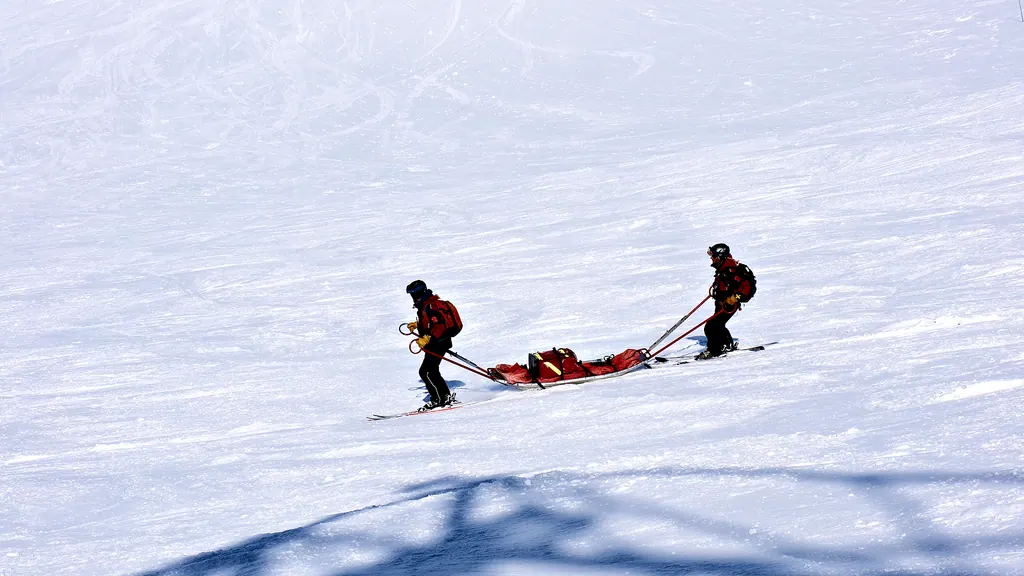
At home, it is easy to assume that ski patrol and the ambulance are simply part of the experience. In much of Europe, they are billed to you.
France. Rescue from the slopes is a paid service in French resorts. In Tignes, for example, the lift company's published rates in 2026 ran from about 77 euros (about $85 in 2026) for a rescue in the resort's snowfield zones to 740 euros (about $815) for a rescue with ambulance transport, and off-piste or search operations cost more.
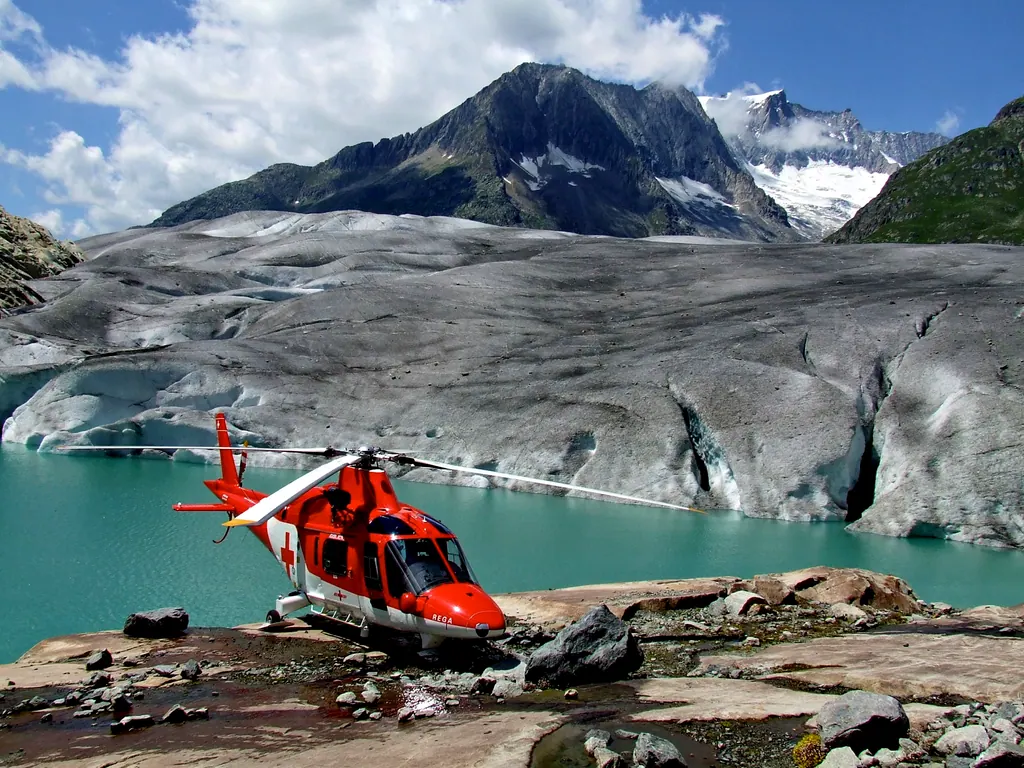
Switzerland. Swiss Air-Rescue (Rega) says an average helicopter mission costs around 4,500 Swiss francs (about $5,400 in 2026), and complex search or avalanche missions can run into tens of thousands of francs. A repatriation flight by air ambulance from Spain costs around 30,000 francs, according to Rega.
The U.S. Ski patrol will get you off the mountain, but the ambulance, the emergency room, imaging and any helicopter flight are billed like any other medical care. Whether your health plan pays depends on your network and deductible, and a ski town clinic may be out of network.
Your Health Insurance Abroad
For American skiers heading overseas, this is the biggest gap. The State Department notes that U.S. health insurance often does not cover you abroad, and that Medicare generally does not cover medical care outside the U.S. Our guide to whether Medicare covers international travel explains the details.
That means the emergency medical and medical evacuation parts of a travel policy matter more on a ski trip than on most other vacations. A broken leg in the Alps usually means an X-ray, a cast or surgery, and a flight home that may need extra seats or a medical escort. Look for:
- Emergency medical coverage that is primary rather than secondary, so you are not first sent back to your U.S. insurer.
- Medical evacuation and repatriation with a high limit. Many plans offer limits in the hundreds of thousands of dollars.
- Search and rescue costs listed as a covered expense, not just transport after you reach a hospital.
The Local Options in Europe
Some European resorts sell their own on-the-mountain coverage at the ticket window. These are not a substitute for travel insurance, but they can fill specific gaps.
| Option | Where | Price (2025-26) | What it covers |
|---|---|---|---|
| Carré Neige | Many French resorts | 3.50 euros (about $4) per day, capped at 28 euros (about $31) for 8-21 days | Rescue and evacuation on the ski area, refund of unused lift days and lessons, some medical costs in mainland France |
| Rega patronage | Switzerland | 40 Swiss francs (about $48) per adult per year | Not insurance. Rega can waive or reduce its own mission costs for patrons when no insurer pays |
Carré Neige also covers off-piste skiing in the part of the ski area you can reach by lift, according to its own terms. You buy it together with your lift pass, and you need the receipt with you to avoid paying for a rescue up front.
Lift Tickets, Season Passes and Bad Snow
Insurance questions are not only about injuries. A sprained knee on day two can cost you four unused days of lift tickets and lessons.
- Epic Pass. Vail Resorts includes Epic Coverage free with its 2026-27 passes. It can refund unused value after injury, illness, job loss and some other personal events, plus certain resort closures between December 7, 2026 and April 17, 2027. It does not pay medical bills, and closures because of poor snow or wind are not covered.
- Ikon Pass. For 2026-27, Ikon sells a refundable version of its passes. You can cancel for any reason through January 15, 2027, with a full refund if the pass is unused and 50 percent after one scan.
- Travel insurance. Trip cancellation and interruption benefits can reimburse prepaid lodging and lift tickets, but only for covered reasons such as illness or injury. "There is not enough snow" is rarely one of them.
Questions to Ask Before You Buy
Before you pay, get clear answers to these:
- Is downhill skiing or snowboarding covered without an add-on?
- Is off-piste skiing inside the resort boundary covered? What about backcountry terrain outside it?
- Are search and rescue costs covered, and up to what amount?
- Is the emergency medical coverage primary?
- What is the limit for medical evacuation, and does it cover a flight home, not just to the nearest hospital?
- Is my ski equipment covered if it is lost by the airline or stolen at the resort?
- Does the policy require that I wear a helmet or follow local rules?
If you are also traveling with a medical condition, read our guide to the pre-existing condition waiver, since a ski injury can be complicated by an older one. And if this is your first trip to the Alps, our roundup of ski resorts in Europe helps you pick a place before you pick a policy. More guides are collected on our travel insurance page.
Frequently asked questions
Does regular travel insurance cover skiing?
Sometimes. Some plans include recreational downhill skiing as standard, others require a winter sports add-on, and many exclude off-piste, backcountry skiing or racing. Check the hazardous activities section of the policy.
Do you have to pay for ski rescue in Europe?
Often, yes. In France, rescue from the slopes is a paid service, and in Switzerland a helicopter mission costs around 4,500 Swiss francs on average, according to Rega.
Does Medicare cover a ski accident abroad?
Generally not. Medicare does not cover medical care outside the U.S. except in rare cases, so emergency medical and evacuation coverage from a travel policy matters.
Does the Epic Pass include insurance?
Epic Coverage, included with 2026-27 Epic passes, can refund unused pass value after injury, illness or certain closures. It does not pay medical bills.