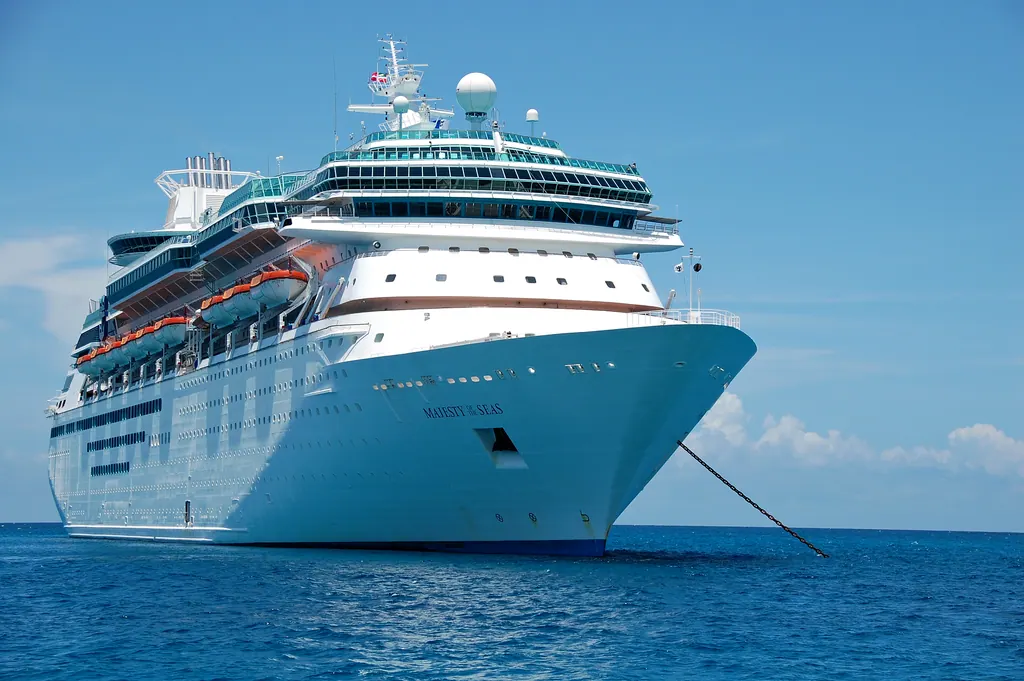
Every spring, dozens of big cruise ships that spent the winter in the Caribbean have a problem: their summer season is in the Mediterranean, Northern Europe or Alaska, thousands of miles away. Every fall, the same ships need to come back. They cannot simply sail empty, so the cruise lines sell the journey as a cruise of its own.
That journey is what the industry calls a repositioning cruise. It is one of the more interesting bargains in travel, and also one of the most misunderstood. Here is how these voyages work, when and where they sail, and who will love them (and who will be bored stiff by day four).
What Exactly Is a Repositioning Cruise?
A repositioning cruise is a one-way sailing that moves a ship from one cruising region to another at the end of a season. Instead of the usual loop that starts and ends in the same port, you board in one place and get off somewhere very different, often on another continent.
Because the purpose of the voyage is to move the ship, the itinerary tends to have more days at sea and fewer ports than a normal cruise. A transatlantic crossing from Florida to Spain, for example, typically includes a long run of sea days in the middle of the ocean, with perhaps a stop in Bermuda, the Azores, the Canary Islands or Madeira along the way.
Repositioning cruises are not the same as a classic ocean liner crossing. Cunard's Queen Mary 2 sails between New York and Southampton on a regular schedule throughout the year; that is a line voyage, not a seasonal repositioning.
When and Where Do They Sail?
The routes follow the seasons, so the calendar is fairly predictable year to year:
| Route | Usual direction and timing | What to expect |
|---|---|---|
| Transatlantic | Eastbound in spring (roughly March to May), westbound in fall (roughly October to December) | Florida or the Caribbean to Spain, Italy, Portugal or the UK, and back. Often 12 to 16 nights |
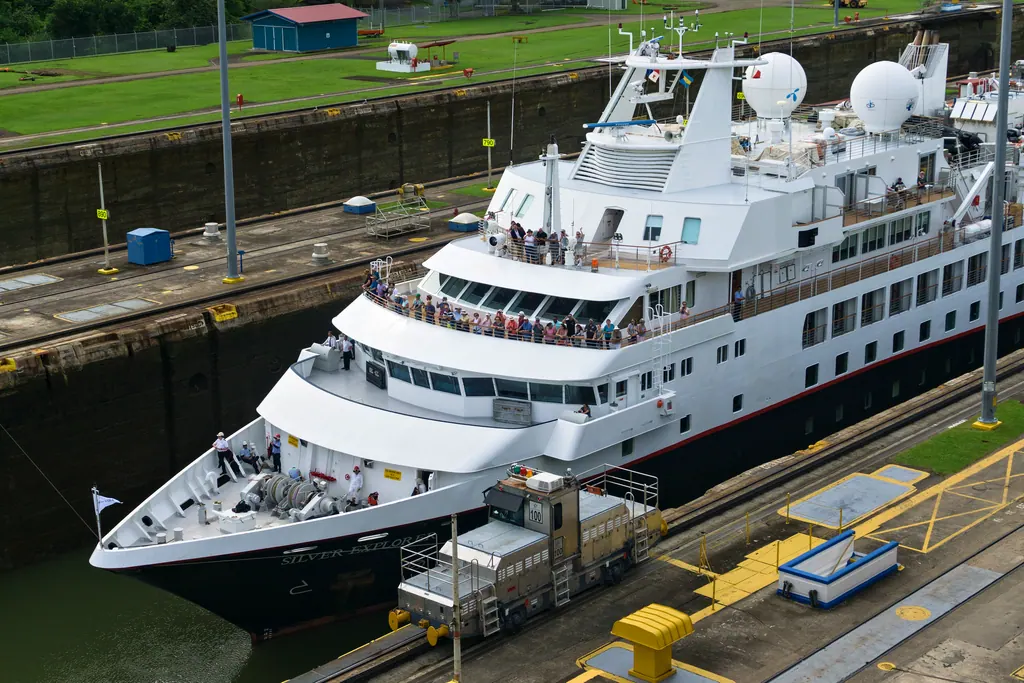
| Panama Canal | Spring and fall, as ships move between the Caribbean and the West Coast or Alaska | A full canal transit, often with stops in Mexico, Central America and Colombia |
| Pacific Coast | Spring and fall, around the Alaska season | Short sailings between Vancouver, Seattle, San Francisco and Los Angeles |
| Hawaii and the South Pacific | Fall and spring | Ships moving to and from Australia and Asia, sometimes via Hawaii |
| Europe to Asia or the Middle East | Fall and spring | Longer voyages through the Suez Canal or around Africa, depending on the line and the security situation |
Exact dates, ports and ships change every season, so treat this as a map of the pattern rather than a schedule.
Why Are Repositioning Cruises Often Cheaper?
The cruise lines need to move the ship anyway, and a long string of sea days is a harder sell than a week of beaches. The result is that the price per night on a repositioning cruise is often lower than on the same ship's regular itineraries in high season.
There are catches, and it pays to do the math on the whole trip:
- One-way flights. You need to fly home from Barcelona or fly out to Fort Lauderdale. One-way international fares can be expensive, and an open-jaw ticket booked as a single round trip is often better value.
- Hotel nights. Arriving a day early in the departure port is sensible, and you may want a night or two at the end.
- Onboard spending. On sea days you spend more time near the bars, the spa and the specialty restaurants. Drinks packages and gratuities add up over 14 nights.
- Travel insurance. A long trip far from land makes good medical and evacuation coverage more important, not less. Our guide to travel insurance for Europe covers what to look for.
Do You Need a Passport for a Repositioning Cruise?
Almost certainly yes. U.S. Customs and Border Protection allows U.S. citizens on closed-loop cruises, which begin and end at the same U.S. port, to reenter the United States with a birth certificate and government-issued photo ID instead of a passport. A repositioning cruise breaks that loop. If it starts or ends in a foreign country, you need a passport, and even a sailing between two different U.S. ports is not a closed loop.
There is also a U.S. law that shapes the itineraries themselves. The Passenger Vessel Services Act bars foreign-flagged ships, which includes nearly all big cruise ships, from carrying passengers between two U.S. ports, directly or via a foreign port. Under the CBP regulation that applies the law, a one-way cruise between different U.S. ports is only allowed if it calls at a "distant foreign port." Ports in Canada, Mexico, Central America, Bermuda and most of the Caribbean do not count, but ports in South America, and Aruba, Bonaire and Curaçao, do. That is why a Panama Canal cruise from Florida to Los Angeles typically stops in Cartagena or Aruba, and why a Pacific Coast repositioning usually begins or ends in Vancouver.
For trips to Europe, check the entry rules for the countries where you board or disembark. As of November 11, 2026, the EU's ETIAS travel authorization is still not in operation, and the EU says it will announce the start date several months in advance.
What Is Life Like on All Those Sea Days?
This is the real question. On a 14-night transatlantic crossing you may have six or seven consecutive days with nothing but ocean on the horizon. Cruise lines fill them with lectures, cooking demonstrations, trivia, shows and classes, and the pace on board is slower and more social than on a short Caribbean cruise.
A few things to know before you book:
- The clocks change. Sailing east from Florida to Europe, the ship sets the clocks forward by an hour on several nights, so you lose sleep in small doses. Sailing west, you gain an hour on several nights, which many passengers find wonderfully easy.
- The weather is not tropical. The North Atlantic in spring and fall can be cool, windy and rough. Pack layers and motion sickness remedies even if you have never been seasick.
- The crowd is different. Long repositioning cruises attract retirees, experienced cruisers and people with time off, and fewer families with school-age children.
- Internet matters more. On a week of sea days you will want to know what the onboard internet costs and how well it works.
Who Should Book One, and Who Should Not?
A repositioning cruise is a great fit if you have time, like the ship as much as the ports, enjoy reading, lectures and long dinners, and want to cross an ocean without jet lag hitting you all at once. It is also a good way to combine a cruise with a land trip, for example two weeks in Spain or Italy after you get off.
It is a poor fit if you get restless without a new port every day, if you have only a week of vacation, or if you are prone to seasickness and the idea of the North Atlantic in March makes you nervous.
How to Find a Good One
Start with the season, not the ship. Look at spring sailings from Florida to Europe and fall sailings in the other direction, and compare the price per night with that ship's regular Caribbean or Mediterranean cruises. Check how many sea days are in a row, which ports are included and where you will end up, then price the flight home before you book. If the numbers still look good, you may have found the most relaxing way there is to get from one side of the Atlantic to the other.
More ideas for life on board are in our Cruises section, including our guide to the best time to cruise Alaska.
Frequently asked questions
What is a repositioning cruise?
A one-way sailing that moves a cruise ship from one cruising region to another at the end of a season, for example from Florida to Europe in spring. It usually has more sea days and fewer ports than a normal cruise.
Are repositioning cruises cheaper?
The price per night is often lower than on the same ship's regular itineraries, but you need to add one-way flights, extra hotel nights and onboard spending before comparing.
Do I need a passport for a repositioning cruise?
Almost always. The closed-loop exception only applies to cruises that begin and end at the same U.S. port, and a repositioning cruise ends somewhere else.
When are transatlantic repositioning cruises?
Eastbound crossings from Florida and the Caribbean to Europe usually sail in spring, roughly March to May, and westbound crossings back in fall, roughly October to December.