Ask ten people who have cruised Alaska when you should go, and you will hear at least four different months. They are all a little bit right. The season is short, roughly May through September, and each month trades something for something else: price for warmth, daylight for wildlife, quiet ports for long summer evenings.
This guide breaks the season down month by month, so you can match your sailing date to what you actually want to see.
How Long Is the Alaska Cruise Season?
Big-ship Alaska cruises run from about early May to late September. A handful of sailings start in late April, and the last ships head south in early October. Outside that window, the large lines move their ships to warmer waters.
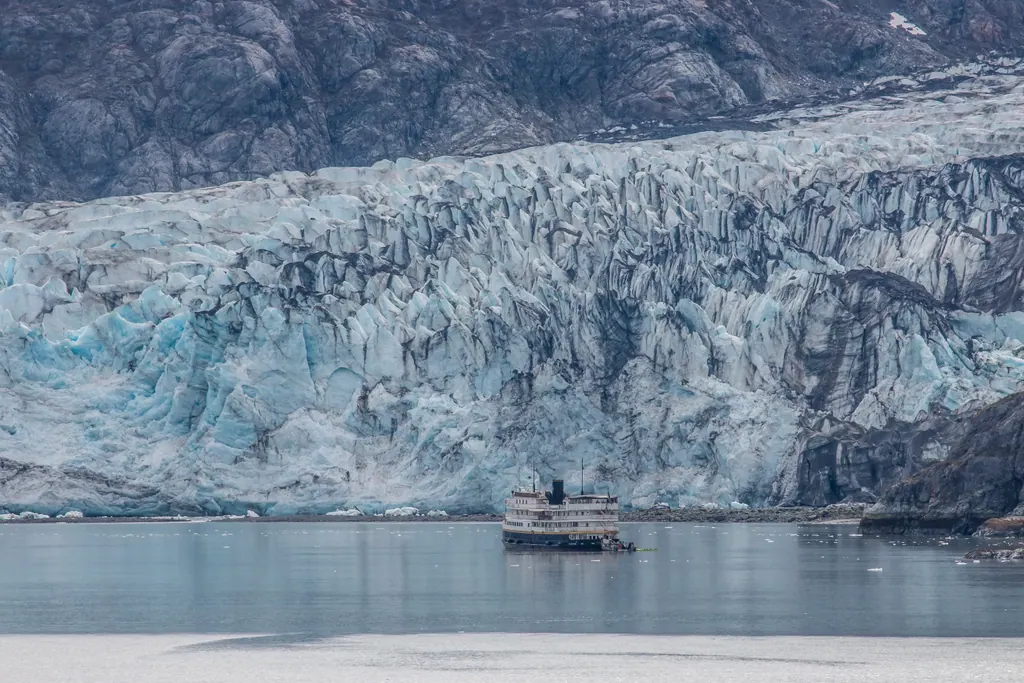
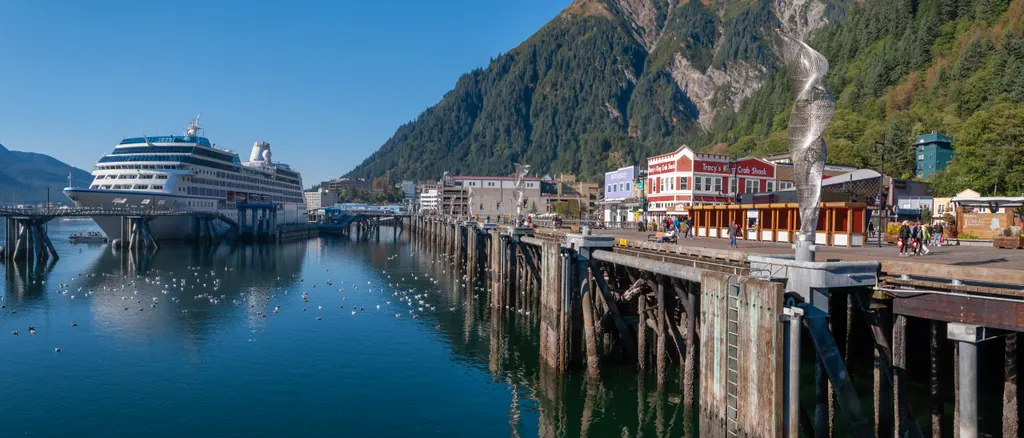
Most itineraries follow the Inside Passage, the sheltered route through the islands and fjords of Southeast Alaska. Round trips from Seattle or Vancouver typically last 7 to 10 days and call at ports such as Ketchikan, Juneau and Skagway, often with a day of scenic cruising in Glacier Bay National Park or a fjord like Tracy Arm. One-way "Gulf of Alaska" sailings continue north to Seward or Whittier, near Anchorage, which makes it easy to add a land trip to Denali.
One practical detail for American travelers: most big cruise ships are registered abroad, and U.S. law (the Passenger Vessel Services Act) requires foreign-flagged ships sailing round trip from Seattle to call at a foreign port. That is why so many itineraries include a stop in Victoria, British Columbia. Bring a passport.
Alaska Weather by Month
Southeast Alaska is a temperate rainforest. It rains a lot in every month, and the question is mainly how much and how cold. These are typical averages for the Inside Passage, based on figures from Alaska.org:
| Month | Avg high | Avg low | Days with rain |
|---|---|---|---|
| May | 55°F (13°C) | 38°F (3°C) | about 17 |
| June | 60°F (16°C) | 45°F (7°C) | about 15 |
| July | 64°F (18°C) | 48°F (9°C) | about 17 |
| August | 62°F (17°C) | 47°F (8°C) | about 18 |
| September | 55°F (13°C) | 43°F (6°C) | about 20 |
The National Weather Service office in Juneau describes April through June as the driest part of the year in Southeast Alaska, with rain increasing through late summer and peaking in fall. Daylight is the other big variable: around the summer solstice, Juneau gets roughly 18 hours of daylight.
May: Lower Prices and Fresh Snow on the Peaks
May is shoulder season. Fares are often among the lowest of the year, ports are calmer, and the mountains still carry plenty of snow, which makes for striking scenery from the deck. It is also one of the drier months.
The trade-off is cold. Expect highs in the mid 50s°F (around 13°C) and chilly mornings on deck, especially near the glaciers. Some shore excursions and seasonal businesses ramp up during May, so a few options may be limited on the earliest sailings. Humpback whales return to Southeast Alaska over the spring and are often seen from May onward.
June: Long Days and the Best Odds of Dry Weather
If we had to pick one month for a first-timer, June would be a strong candidate. It is usually the driest of the peak months, daylight stretches to around 18 hours, and wildlife is active. You can stand on deck after dinner and still see the mountains clearly.
Prices rise in June, and families start to fill the ships once school lets out. Book early for the best cabin choice.
July and August: Peak Summer, Peak Crowds
July is typically the warmest month, with highs in the low to mid 60s°F (17 to 18°C). This is the classic summer season, when every excursion runs, the ports are busiest and many ships are full. It is also the most expensive period.
For nature lovers, mid summer has real advantages. Salmon runs get going in July, and that draws bears to streams near some ports, which is why bear viewing excursions are popular now. Humpback whale sightings are frequent through June, July and August.
August stays warm but turns wetter. If your goal is the warmest possible weather and you are traveling with kids on summer break, July and early August are the natural choice.
September: Fall Color, Fewer People and More Rain
September is the other shoulder month. Prices often drop again, the children are back in school, and the ships and ports feel more relaxed. Fall color appears on the hillsides, and on clear nights late in the season there is a chance of seeing the northern lights, though it is never guaranteed on a cruise.
The downside is rain. September is one of the wettest months in Southeast Alaska, with rain on about 20 days in an average year, and temperatures fall back to the mid 50s°F (around 13°C). Some seasonal shops and tours begin to wind down near the end of the month.
So, Which Month Should You Choose?
There is no single best month, but there is a best month for you:
- For the lowest fares: May or September.
- For the driest weather and longest days: June.
- For the warmest weather and every excursion running: July.
- For bears and salmon runs: July and August.
- For whales: June through August, although humpbacks are often seen from May into September.
- For fewer crowds: early May or September.
Whatever you choose, pack layers, a waterproof jacket and a warm hat for glacier days. A small pair of binoculars is one of the best investments you can make for an Alaska cruise.
Planning Your Trip
Popular summer sailings, especially balcony cabins in June and July, often sell out many months ahead, so if you have a fixed date in mind, start looking early. If your dates are flexible, shoulder season sailings tend to offer better value.
For more ideas, browse all our cruise guides, or see what else we cover in Alaska and the rest of the USA. Tipping in port works much like at home, and our guide to tipping in the USA and Canada covers the basics.
Frequently asked questions
What is the best month for an Alaska cruise?
June is a strong all-round choice, with the driest weather of the peak months and very long days. July is warmest, while May and September usually have the lowest fares.
When does the Alaska cruise season start and end?
Most sailings run from early May to late September, with a few starting in late April and ending in early October.
What is the cheapest time to cruise Alaska?
May and September, the shoulder months, are usually the cheapest. They are also cooler, and September is one of the wettest months.
When can you see whales on an Alaska cruise?
Humpback whales are often seen from May into September, with the best odds from June through August.
Do I need a passport for an Alaska cruise?
Most round trips from Seattle stop in Canada, and all sailings from Vancouver start there, so a passport is the simplest option. Check your cruise line's document rules before you go.