Antarctica has no trees, no land mammals and almost no plants beyond moss and lichen. And yet it is one of the best places on Earth to watch wildlife. The reason is the ocean. The cold, nutrient-rich water around the continent feeds enormous swarms of krill, and nearly everything else, from penguins to whales, depends on them.
Almost every visitor sees this world from an expedition cruise to the Antarctic Peninsula, the long arm of land reaching toward South America. Here is who lives there, when to see them and how close you are allowed to get.
Penguins: The Stars of Every Landing
Penguins are the animals most visitors come for, and on the Peninsula you are almost certain to see them. Three species nest here in large numbers.
Gentoo Penguin
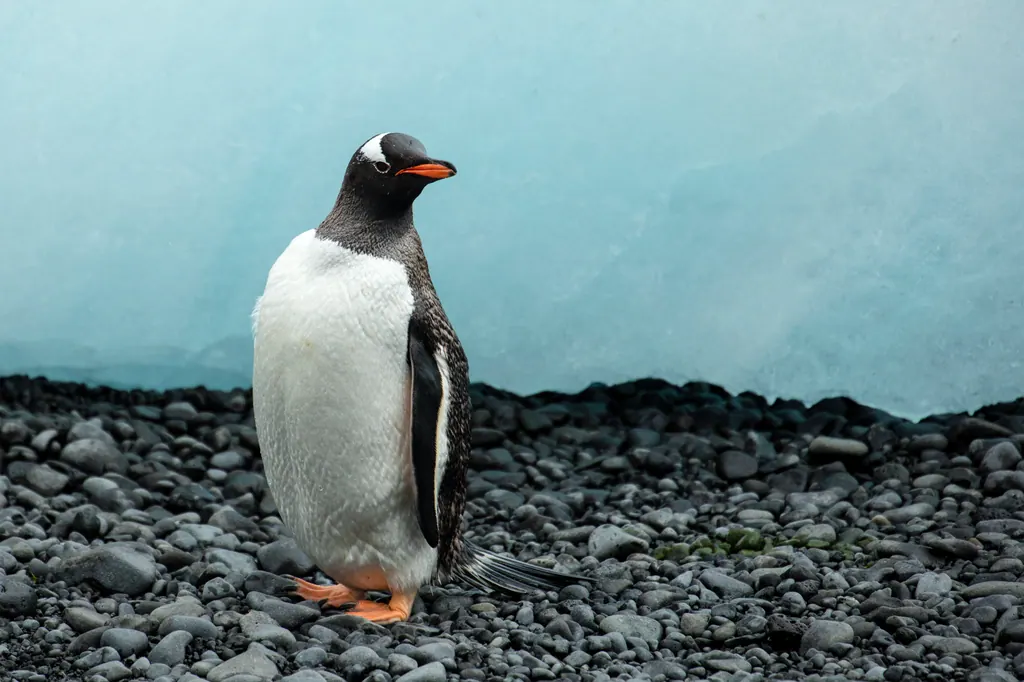
Gentoos are the ones with the bright orange-red bill and a white patch over each eye. They are the most common penguin on many Peninsula landing sites and nest in noisy colonies built from small piles of stones. Their population has been growing in parts of the Peninsula in recent decades.
Chinstrap Penguin
Chinstraps are named for the thin black line running under their chin, which makes them look as if they are wearing a helmet. They often nest on steep, rocky slopes and are known for being loud and quarrelsome.
Adélie Penguin
The Adélie is the classic black-and-white penguin with a white ring around each eye. It is a true ice specialist and is more common on the colder, southern and eastern parts of the Peninsula.
Emperor and King Penguins
The famous emperor penguin breeds on sea ice, mostly far from the usual cruise routes, so a standard Peninsula trip rarely includes one. King penguins do not live on the Antarctic continent at all. If you want to see them, choose a longer itinerary that includes South Georgia, where kings gather in colonies of many thousands.
Whales in the Southern Ocean
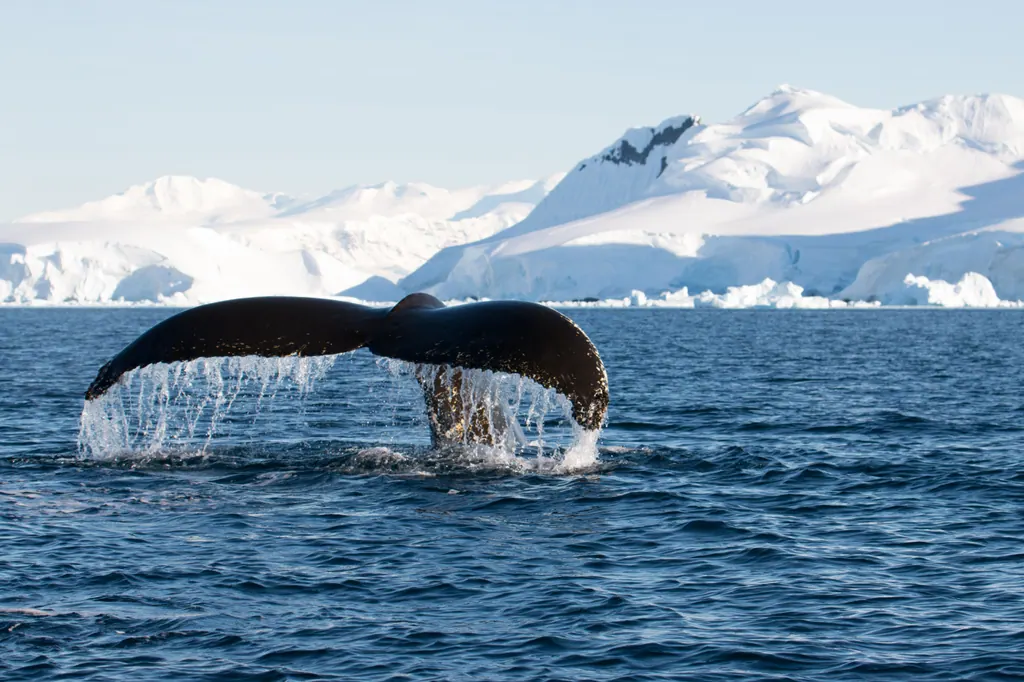
Every summer, whales travel to Antarctic waters to feed on krill. Humpback whales are the most commonly seen, often in sheltered bays and channels along the Peninsula, where they lunge-feed, dive and sometimes rest at the surface for long periods. Minke whales are smaller and often curious around ice and small boats. Orcas are seen on some trips, but sightings are never guaranteed.
Later in the season is usually better for whales, as more animals arrive to feed.
Seals on Ice and Shore
Seals are the other big group you are likely to meet, often resting on ice floes or beaches.
- Weddell seals are plump, spotted and famously calm. They often doze on the ice and barely react to passing boats.
- Crabeater seals are the most numerous seals in the world, despite the name. They do not eat crabs at all; they eat krill.
- Leopard seals are long, powerful hunters with a reptile-like head. They are known for hunting penguins near colonies, which makes for dramatic, if hard-to-watch, wildlife moments.
Seabirds Over the Waves
The wildlife starts before you reach land. On the crossing of the Drake Passage, look out for albatrosses gliding alongside the ship, as well as petrels, prions and other seabirds. Near the colonies, skuas patrol for unguarded eggs and chicks, and snowy sheathbills pick around the edges.
When to Go for the Wildlife You Want
The Antarctic cruise season runs from about November to March, during the southern summer, and the animals are on a tight schedule.
- November: courtship and nest building. The landscape is at its whitest, with plenty of snow and sea ice.
- December: penguin eggs start to hatch, and days are at their longest.
- January and February: penguin chicks are growing and colonies are at their busiest. This is a popular time to go.
- February and March: often the best time for whale watching, as more whales gather to feed. Chicks begin to fledge, and adult penguins molt.
No single month shows everything, so choose by the animal you care about most.
How Close Can You Get?
Antarctic animals often show little fear of people, and it is easy to forget that you are a visitor in their home. Wildlife viewing is governed by the Antarctic Treaty system and the guidelines followed by members of IAATO, the International Association of Antarctica Tour Operators. As of October 2026, the main rules include:
- Keep at least 15 feet (5 meters) from wildlife on land and ice, and farther away when animals are breeding, molting or show signs of disturbance.
- Never block an animal's path to or from the sea, and give penguins on their "highways" the right of way.
- Never touch or feed wildlife.
- Small boats do not deliberately approach whales closer than about 100 feet (30 meters), and ships keep farther back.
- No more than 100 passengers go ashore at a site at the same time.
- Take nothing with you, not even a pebble, feather or bone.
If a penguin walks up to you, stay still and let it pass. That is allowed, and it is often the moment people remember most.
Planning Your Trip
Most Antarctic cruises leave from Ushuaia in Argentina, with a two-day crossing of the Drake Passage each way, although some trips fly over the Drake. Smaller expedition ships make more landings possible, since only 100 people can be ashore at a time.
To compare ways of getting there, see our cruise guides and everything we have on Antarctica. For more wild places, explore our Nature section.
Frequently asked questions
What animals can you see in Antarctica?
On a typical Peninsula cruise you can see gentoo, chinstrap and Adélie penguins, humpback and minke whales, Weddell, crabeater and leopard seals, plus albatrosses and other seabirds.
Can you see emperor penguins on an Antarctica cruise?
Rarely. Emperor penguins breed on sea ice far from the usual Peninsula routes, so standard cruises seldom see them.
What is the best month to see whales in Antarctica?
February and March are often best, as more whales arrive to feed on krill late in the season.
How close can you get to penguins in Antarctica?
Visitor guidelines say to stay at least 15 feet (5 meters) away, and farther when animals are breeding or molting. If a penguin approaches you, stay still and let it pass.