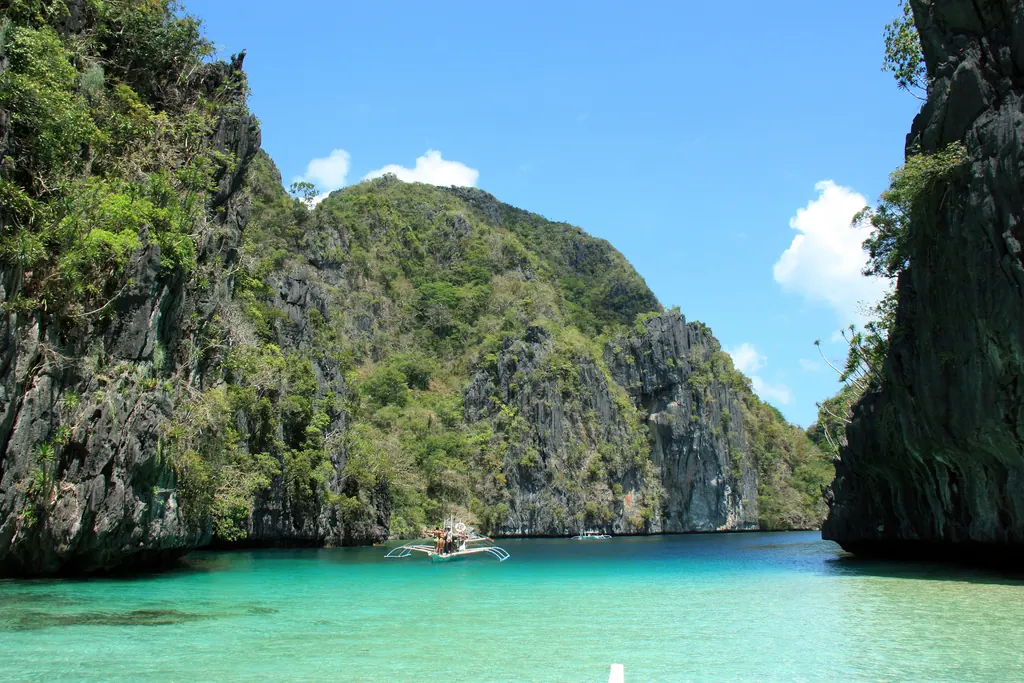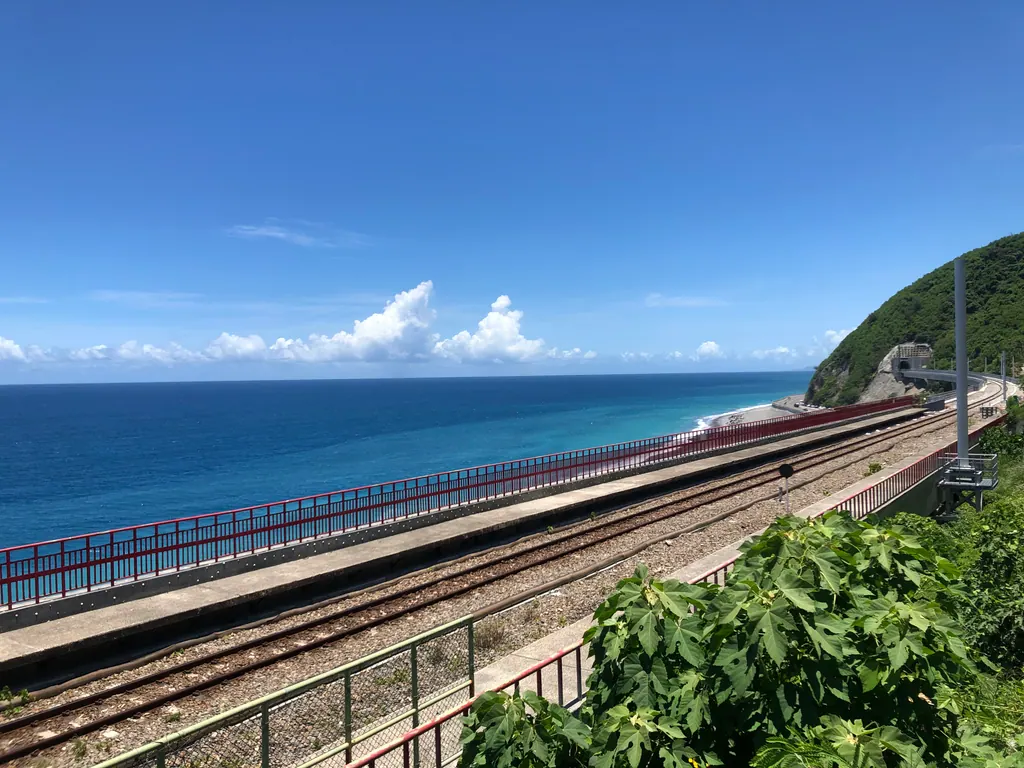
Most first-time visitors picture Taiwan as Taipei: night markets, temples, a skyline built around one very tall tower. Then they look at a relief map. Two thirds of the island is mountains, with more than 200 peaks above 3,000 meters, and the Pacific coast drops so steeply into the sea that the road along it has been carved into cliffs. Within a few hours of the capital you can be in cedar forest, soaking in a sulfur spring or watching dolphins from a small boat.
The catch is that Taiwan's nature is also restless. Earthquakes, typhoons and landslides close trails and roads regularly, and the country's most famous gorge is still recovering from the April 2024 earthquake. Below we go through the main outdoor regions, what is realistic to see in 2026, and the practical details (permits, seasons, prices) that tend to trip up visitors.
What happened to Taroko Gorge?
Taroko National Park in Hualien County is the postcard view of Taiwan: a marble canyon cut by the Liwu River, with the Central Cross-Island Highway (Highway 8) clinging to its walls. On April 3, 2024, a magnitude 7.2 earthquake struck just off the Hualien coast, and the gorge took the worst of the rockfalls. Several of the classic short walks were badly damaged.
As of late 2026, the picture is mixed, and it changes month by month:
- Highway 8 through the gorge has reopened to traffic, but only in fixed time windows, with construction stops along the way. You cannot simply drive in whenever you like or stop wherever you want.
- Tianxiang, the small settlement at the upper end of the gorge, is largely open, including short walks around the temple area.
- Shakadang Trail, Swallow Grotto, Baiyang Trail and the Zhuilu Old Road were still listed as closed in the second half of 2026. Some of these may take years to repair, and the Zhuilu Old Road may never reopen in its old form.
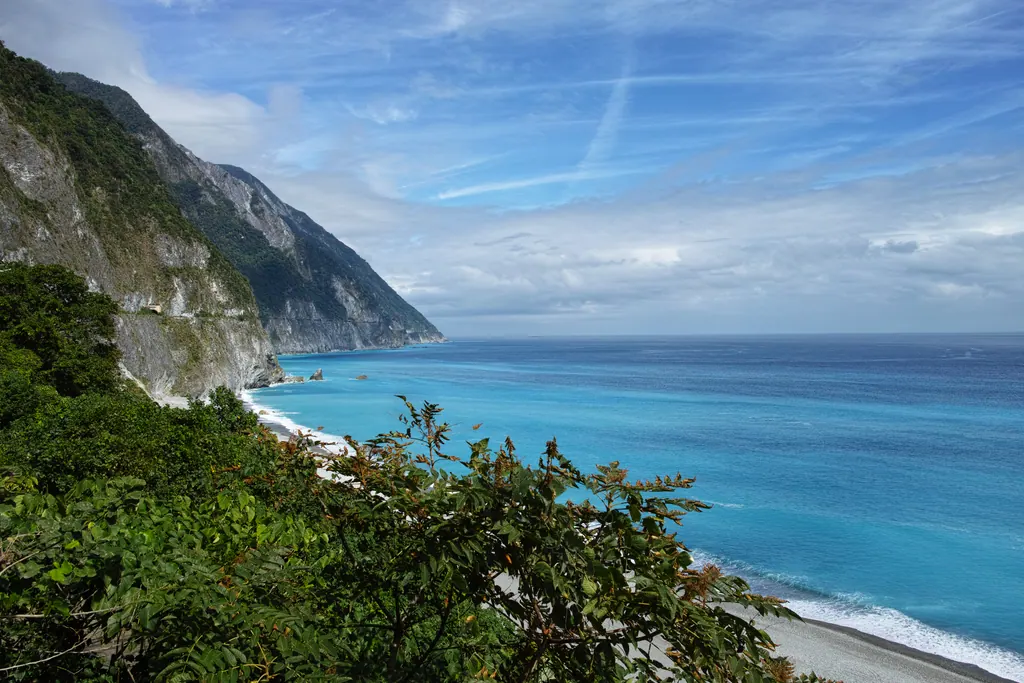
- The Qingshui Cliffs on Highway 9 north of the gorge are reachable again, and the Chongde viewpoint reopened in July 2025. These cliffs plunge almost straight into a turquoise sea and are worth the trip on their own.
On August 28, 2026, the park headquarters announced that trails in its ecological protection area were reopening after a typhoon closure, while Mt. Qingshui and the Zhuilu Old Road stayed shut. That is a good example of how Taroko works now: always check the official Taroko National Park website a few days before you go, and expect plans to shift.
If the gorge is mostly closed when you visit, Hualien still has plenty to offer. The coastline south of the city is lined with surf beaches and viewpoints, and whale watching (more on that below) runs from April to October.
Alishan: forest railway, sunrise and cherry blossoms
Alishan, in the mountains above Chiayi, is the classic Taiwanese mountain escape. The Alishan National Forest Recreation Area sits at roughly 2,200 meters among old-growth red cypress, with boardwalks linking giant trees, ponds and temples. The main draws:
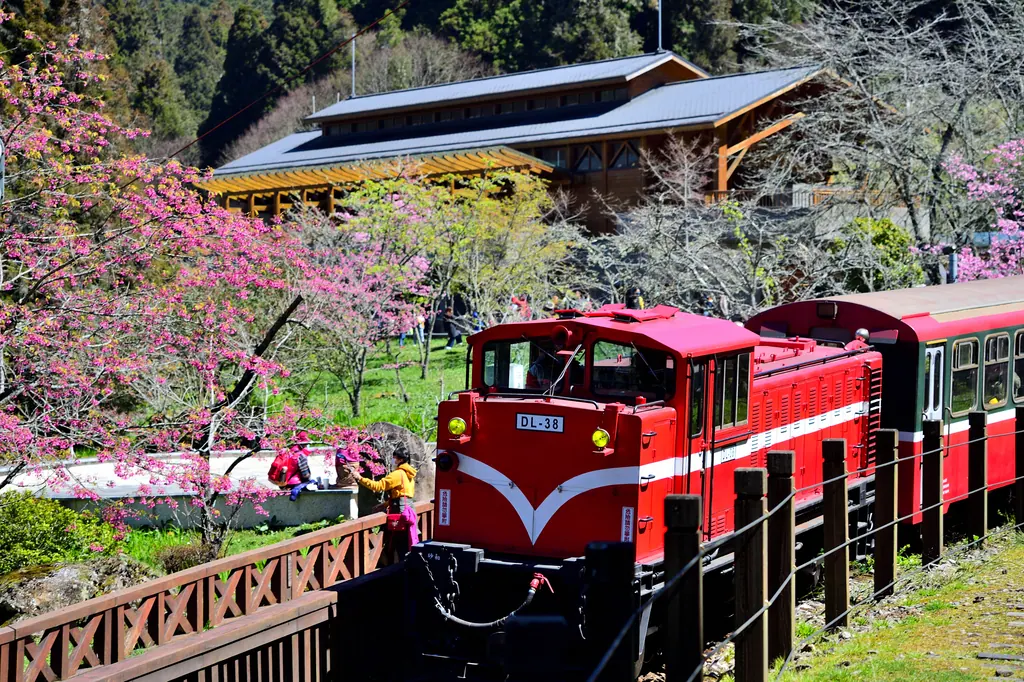
- The Alishan Forest Railway. After 15 years of typhoon damage, the full line from Chiayi to Alishan reopened on July 6, 2024. The one-way fare for the whole route was around NT$600 (about $19) when it reopened, and trains sell out on weekends, so book ahead.
- Sunrise at Zhushan. A short branch line runs before dawn from Alishan Station to Zhushan, where viewing decks look across a sea of clouds toward Yushan. The ticket was about NT$150 (about $5) one way in 2025. Departure times follow the sunrise, so check the timetable the evening before.
- Cherry blossoms. In spring, usually March into April, the recreation area turns pink and white, and it gets very crowded on weekends.
- Tea country. The slopes around Shizhuo and Fenqihu below the park grow high-mountain oolong. Several farms offer tastings, and the Fenqihu station stop is a pleasant break on the train ride.
Entry to the recreation area was around NT$300 (about $9) for foreign adults in recent years. Alishan is also good for wildlife and night skies. Early mornings bring endemic birds such as the Taiwan barbet and the Formosan yuhina to the forest edges, and on clear nights the light pollution is low enough for proper stargazing. Bring warm layers: even in summer, nights at this altitude are cool.
Sun Moon Lake: cycling, walks and viewpoints
Sun Moon Lake in Nantou County is Taiwan's largest lake, and it is easy to see why it is one of the most visited places in the country. Green hills fall straight into the water, and early in the morning the lake is often wrapped in mist.
The best way to see it is by bike. A cycle path runs much of the way around the lake, about 30 kilometers for the full loop, with some hilly road sections. The flat, scenic stretch between Shuishe and Xiangshan runs partly on boardwalks over the water and was named one of the world's most beautiful bike paths by CNN's travel site in 2012. Bike rentals are easy to find in Shuishe village.
On foot, the short Maolan Trail and the Shuishe Dam Trail are gentle, while the climb to Ci'en Pagoda gives one of the best views over the whole lake. Other classic viewpoints are the Xiangshan visitor center and the Ita Thao area, home of the Thao, the lake's Indigenous people. A ropeway connects Ita Thao with the Formosan Aboriginal Culture Village and offers wide views from above, and boat services link the three main piers (Shuishe, Xuanguang and Ita Thao), which makes it easy to combine cycling, walking and a crossing on the water in one day.
Evenings are quiet, with lakeside promenades and food stalls in Shuishe and Ita Thao, and little else. That is part of the appeal.
Can you climb Yushan, and do you need a permit?
Yushan (Jade Mountain), at 3,952 meters, is the highest peak in Northeast Asia and the centerpiece of Yushan National Park. The standard route from Tataka is usually done in two days, with a night at Paiyun Lodge before an early start for sunrise on the summit. It is not technical, but the altitude and the long day are serious.
You need two permits:
- A national park entry permit, applied for on the official hiking permit site (hike.taiwan.gov.tw). Lodge places are allocated by lottery about a month before the trip. Foreign visitors have a separate quota: around 24 Paiyun Lodge beds are set aside for foreigners on weekdays (Sunday to Thursday), bookable from about four months to 35 days before the climb.
- A police mountain entry permit, which you apply for after the park permit is approved.
A bed at Paiyun Lodge cost around NT$480 (about $15) per night in 2025. You will need a local emergency contact phone number for the application. Many other high mountains in Taiwan follow a similar system, so check permit rules for any route above the forest line before you plan around it.
Yushan is also one of the best places in Taiwan to understand the island's wildlife. The park reported an estimated 139 Formosan black bears in 2024, and it is the only area in the country with clear data showing the population growing. Sightings are rare, and you should keep food sealed and make noise on quiet trails.
Hot springs and easy nature near Taipei
You do not have to leave the capital region for green scenery. Yangmingshan National Park, just north of the city, is a volcanic landscape of fumaroles, grassy ridges and hiking trails. Qixing Mountain, at about 1,120 meters, is the highest point and a manageable half-day climb, while the Zhuzihu area fills with calla lilies in spring.
At the foot of the mountains, Beitou is Taipei's hot spring district, reachable by MRT. Its steaming Thermal Valley and old public baths are a short walk from the station. The open-air Millennium Hot Spring public pools, long famous for costing around NT$60 (about $2), closed for renovation in early 2025 with reopening planned for 2026, so check before you go.
In Yilan, about an hour from Taipei by bus, Jiaoxi is built around hot springs. The town has free public foot baths and Tangweigou Hot Spring Park in the center, and the hills behind it hold waterfall hikes such as the Wufengqi Falls trail.
The east coast and Taitung
South of Hualien, two parallel routes run toward Taitung. Highway 11 follows the Pacific coast past rock formations and fishing harbors, with Sanxiantai and its arched footbridge to an offshore islet as the best-known stop. Inland, Highway 9 runs through the East Rift Valley, a flat, green corridor of rice paddies between the Central and Coastal mountain ranges.
This is the best cycling country in Taiwan. In Chishang, a dedicated bike path runs through rice fields, including the much-photographed stretch known as Mr. Brown Avenue, and bikes can be rented near the train station. Many cyclists ride sections of the valley and hop on the train for the rest. In summer, the Taiwan International Balloon Festival at Luye Highland ran from July 4 to August 20, 2026, with dawn launches over the valley.
Further west, the old capital Tainan is mostly a city of temples and food, but it has a good network of riverside and coastal bike paths, and the lagoons and salt fields on its outskirts are known for black-faced spoonbills in winter.
Beaches, reefs and islands
Taiwan is not a classic beach destination. Strong currents make many beaches unsafe for swimming, and much of the east coast is pebble rather than sand. The best beach and snorkeling areas are concentrated in the south and on the outlying islands.
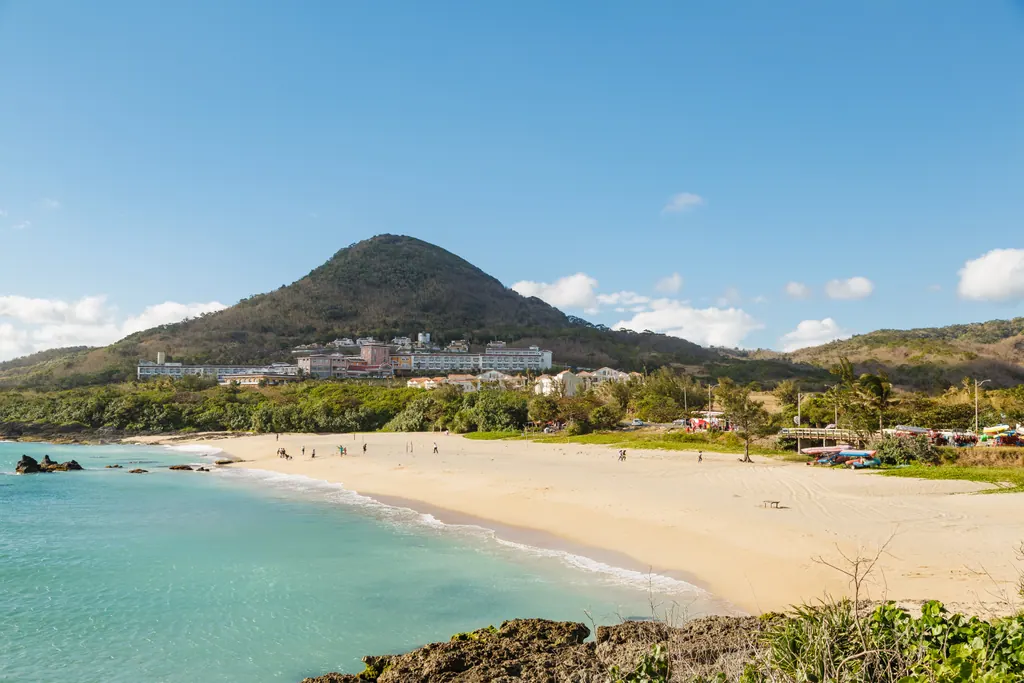
Kenting National Park, at the southern tip of the island, has been a national park since 1984. Its beaches, coral reefs and tropical climate make it the most popular summer beach area in Taiwan. For snorkeling, Houbihu and Wanlitong are the usual recommendations, with shallow coral and plenty of fish close to shore. For walks, the Kenting National Forest Recreation Area and the grassy clifftops of Longpan Park are the easy classics. Expect crowds and higher prices in July and August.
| Destination | Best for | How to get there | Notes |
|---|---|---|---|
| Kenting | Beaches, snorkeling, easy hikes | High-speed rail to Zuoying, then bus | Busy in summer |
| Xiaoliuqiu | Sea turtles, snorkeling | Ferry from Donggang | Day trip or overnight |
| Green Island | Snorkeling, saltwater hot spring | Ferry or flight from Taitung | Rough crossing in bad weather |
| Orchid Island | Tao culture, coastline | Ferry or flight from Taitung | Longer, more exposed crossing |
| Penghu | Beaches, basalt, island hopping | Flights from Taipei and Kaohsiung | Very windy in winter |
Green Island is small enough to circle by scooter in an hour and has some of Taiwan's best snorkeling, plus Zhaori Hot Spring, one of the world's few saltwater hot springs. Orchid Island is home to the Indigenous Tao people and is known for its rugged coastline and traditional canoes. Both are reached from Taitung, and ferries are canceled whenever the sea is rough, so leave a spare day.
Penghu, the archipelago in the Taiwan Strait, has the country's best white-sand beaches, basalt columns and the famous Twin Hearts Stone Weir on Qimei island, a heart-shaped fish trap best seen at low tide. The season runs roughly April to September; in winter the northeast monsoon makes the islands cold and windy.
Wildlife: whales, birds and bears
Taiwan's wildlife is better than most visitors expect. The island has around 30 endemic bird species, and the Dasyueshan National Forest Recreation Area in Taichung is widely considered the best place to see pheasants and other endemics.
Off Hualien, whale and dolphin watching trips run from roughly April to October, when the sea is calmer. Operators report frequent sightings of spinner, bottlenose and Risso's dolphins, with occasional whales. In 2023 a typical trip cost around NT$600-700 (about $19-22) per person. Trips depend on the weather and stop after the northeast monsoon arrives in autumn.
When to go, and how to plan around typhoons
Typhoon season in Taiwan generally runs from July to September, with August usually the peak, and the Central Weather Administration usually expects three to five storms a year to affect the island directly. A typhoon can close mountain roads, cancel ferries and shut trails for days, even after the storm has passed, because of landslide risk.
For outdoor trips, spring (March to May) and autumn (October to November) are the most comfortable seasons on the main island. Summer is best for the islands and Kenting, if you build in flexibility. Winter is cold and often wet in the north and on the east coast, but it is the clearest season for mountain views and the best time for hot springs.
Our practical advice:
- Check official park sites for closures a few days before you go, especially for Taroko and any mountain road.
- Book the Alishan train and any island ferries or flights early for weekends and holidays.
- Apply for high-mountain permits months ahead, not weeks.
- Keep one free day in any itinerary that includes islands, the east coast or the mountains.
- Use trains and buses to reach most of these areas. Our guide to getting around Taiwan covers the high-speed rail, local trains and buses in detail.
When you come back down from the mountains, there is the reward of Taiwanese food; our guide to food in Taiwan is a good place to start. For more ideas, see all our articles on Taiwan and on nature travel.
Frequently asked questions
Is Taroko Gorge open in 2026?
Partly. Highway 8 through the gorge is open in fixed time windows and the Tianxiang area is largely accessible, but Shakadang Trail, Swallow Grotto and the Zhuilu Old Road were still closed in late 2026. Check the Taroko National Park website shortly before your visit.
Do I need a permit to hike Yushan?
Yes. You need a national park entry permit, applied for online at hike.taiwan.gov.tw, and a police mountain entry permit once the park permit is approved. Foreigners have a small weekday quota at Paiyun Lodge that can be booked months ahead.
Where are the best beaches in Taiwan?
Kenting at the southern tip and the Penghu islands have the best sand. Green Island and Xiaoliuqiu are better for snorkeling and sea turtles than for lounging on the beach.
When is the best time to visit Taiwan for hiking?
Spring (March to May) and autumn (October to November) are the most comfortable. Avoid planning high-mountain trips in the peak typhoon months of August and September without spare days.
Can you see whales in Taiwan?
Yes. Boat trips from Hualien run from roughly April to October and usually find dolphins, with whales seen less often. In 2023 a trip cost around NT$600-700 (about $19-22) per person.
- Taroko National Park Headquarters: trail reopening notice (August 2026)
- Taiwan National Park permit system: application types
- Yushan National Park: how to apply for Paiyun Lodge
- Taiwan News: Alishan Forest Railway resumes full service
- Travel Taipei: Beitou Millennium Hot Spring
- Central Weather Administration: 2025 typhoon season outlook