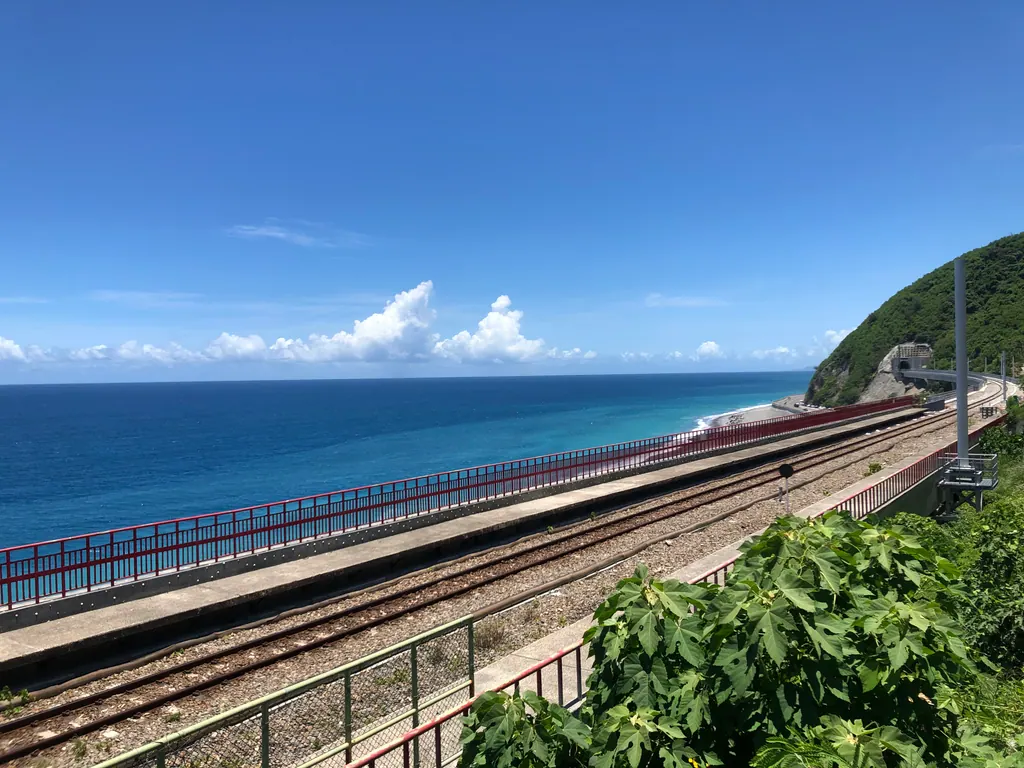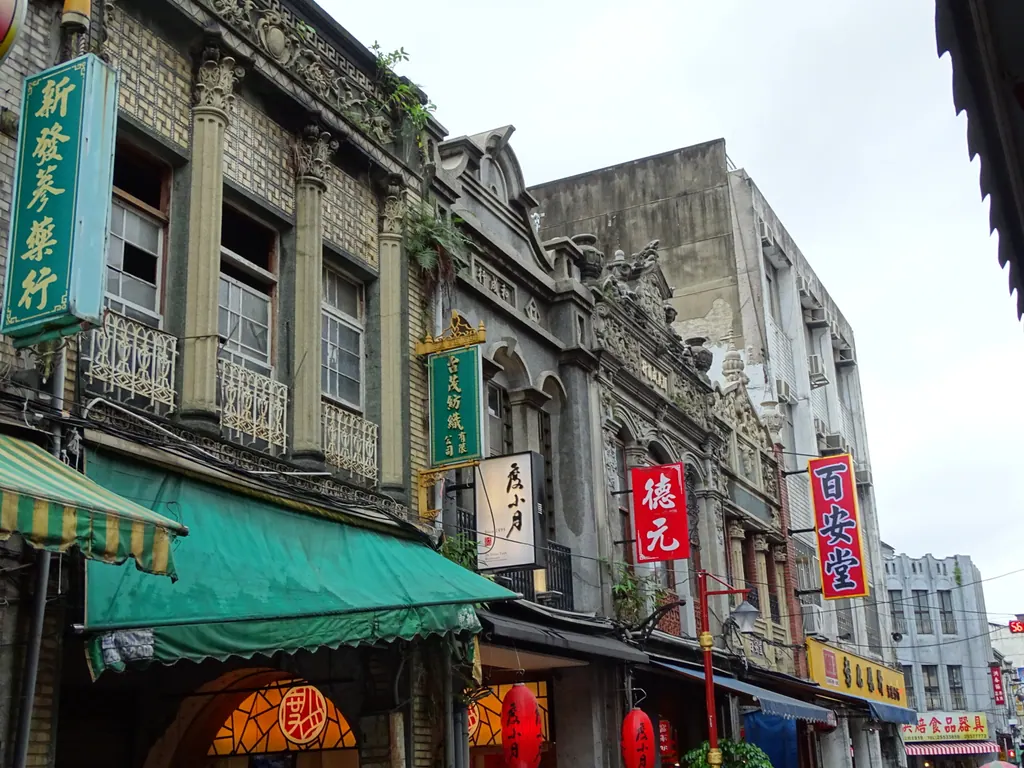
Taiwan is roughly the size of Maryland and Delaware combined, yet on the same January morning you can find frost on the trees at Alishan, a gray drizzle settling over Taipei and people swimming off the beaches near Kenting. The Tropic of Cancer runs straight through the island, the central mountains rise to almost 4,000 meters, and two monsoons take turns deciding who gets the rain.
So "when should I go?" is a better question than it looks. The answer depends on where you plan to spend your days, how you feel about heat, and whether you want to see the country celebrating or prefer it quiet. Below we go through the year with the official climate numbers, the festivals that shape the calendar and the regional differences.
What do the climate numbers actually say?
The table uses the Central Weather Administration's (CWA) official 30-year normals for 1991-2020. Temperatures are the average over the whole day and night, so afternoons run noticeably warmer: in July, Taipei regularly climbs into the mid-30s Celsius. Rainfall is the average monthly total.
| Month | Taipei | Kaohsiung | Hualien | Alishan (2,200 m) |
|---|---|---|---|---|
| Jan | 16°C (62°F), 90 mm | 20°C (67°F), 19 mm | 18°C (65°F), 58 mm | 6°C (44°F), 87 mm |
| Feb | 17°C (62°F), 143 mm | 21°C (69°F), 18 mm | 19°C (66°F), 75 mm | 7°C (45°F), 110 mm |
| Mar | 19°C (66°F), 157 mm | 23°C (73°F), 32 mm | 20°C (69°F), 77 mm | 10°C (49°F), 147 mm |
| Apr | 22°C (72°F), 152 mm | 26°C (78°F), 68 mm | 23°C (73°F), 77 mm | 12°C (53°F), 224 mm |
| May | 26°C (78°F), 240 mm | 28°C (82°F), 202 mm | 25°C (78°F), 187 mm | 13°C (56°F), 510 mm |
| Jun | 28°C (83°F), 345 mm | 29°C (84°F), 416 mm | 28°C (82°F), 166 mm | 14°C (58°F), 675 mm |
| Jul | 30°C (86°F), 226 mm | 29°C (85°F), 377 mm | 29°C (84°F), 198 mm | 15°C (58°F), 695 mm |
| Aug | 30°C (85°F), 338 mm | 29°C (84°F), 512 mm | 28°C (83°F), 259 mm | 15°C (58°F), 813 mm |
| Sep | 28°C (82°F), 315 mm | 28°C (83°F), 224 mm | 27°C (81°F), 330 mm | 14°C (57°F), 403 mm |
| Oct | 25°C (76°F), 150 mm | 27°C (80°F), 53 mm | 25°C (77°F), 351 mm | 12°C (54°F), 141 mm |
| Nov | 22°C (71°F), 83 mm | 24°C (76°F), 26 mm | 22°C (72°F), 175 mm | 11°C (51°F), 67 mm |
| Dec | 18°C (65°F), 89 mm | 21°C (70°F), 19 mm | 20°C (67°F), 84 mm | 8°C (46°F), 70 mm |
Two patterns jump out. The south is extremely dry in winter: Kaohsiung averages less than 20 mm of rain in each of December, January and February, then gets more than 500 mm in August. The north and east work the other way around in the cooler months, when the northeast monsoon pushes damp air onto the coast. Taipei never has a truly dry month, and Hualien's wettest months are September and October, just when the west coast dries out.
Spring: blossoms, mild days and the first rains
March and April are among the most pleasant months in most of the country. Taipei sits around 19-22°C (66-72°F), the south is warm enough for shorts, and the humidity has not yet arrived in force. It is a good time for city walking, hiking around Taroko Gorge and cycling the east coast.
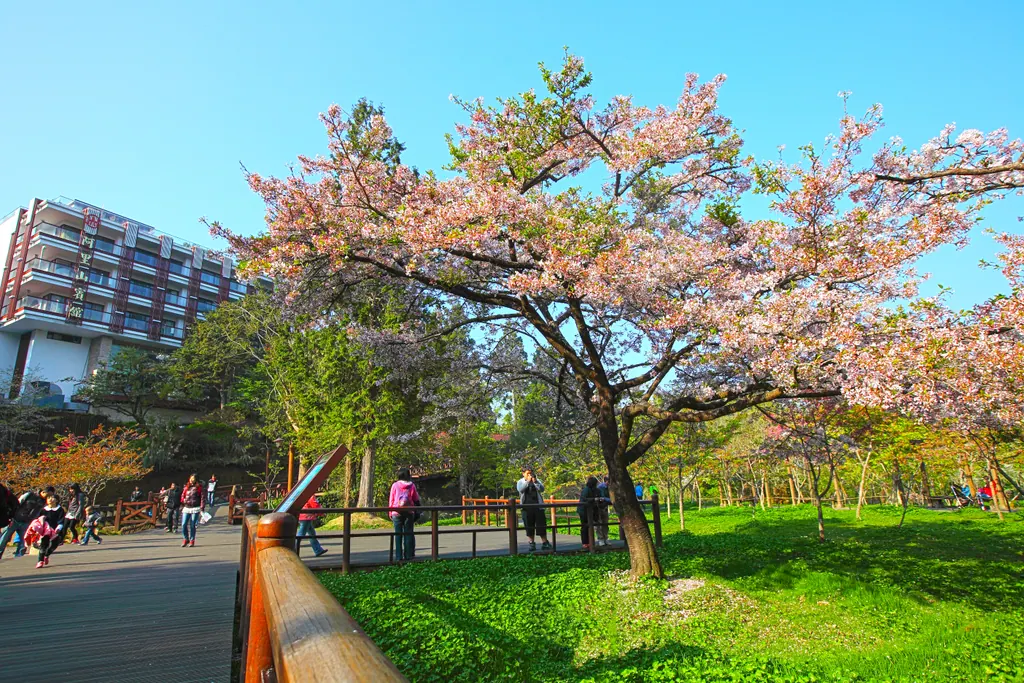
The big draw is cherry blossom season at Alishan. The Alishan National Scenic Area ran its official cherry blossom season from March 10 to April 10 in 2026, and the Yoshino cherries that most photographs show usually peak in the second half of March. The trees around Alishan House and across the forest recreation area attract large crowds on weekends, and Provincial Highway 18 has had private-car restrictions on peak days in recent years, with visitors switching to shuttle buses. Go on a weekday, and pack warm clothes: at 2,200 meters, March nights are cold.
Early April also brings the Tomb Sweeping Day long weekend, when families travel to ancestral graves and trains fill up. In 2027 that break runs April 3-6.
Is the plum rain season a reason to stay away?
From about mid-May to mid-June, a stalled weather front known as the plum rain (meiyu) sits over Taiwan. It does not mean nonstop rain. More often you get gray days with heavy downpours and thunderstorms that can last a few hours, sometimes with flooding in low-lying streets. The numbers show it clearly: Alishan's rainfall jumps from 224 mm in April to 510 mm in May.
For city travel this is a manageable season with an umbrella and flexible plans. For mountain trips it is a poor bet, since landslides can close roads in the central range and views are often hidden in cloud. Late May is also when the heat and humidity start to build.
The Dragon Boat Festival falls on the fifth day of the fifth lunar month, usually in June. Boat races are held on rivers across the island, with Lukang in Changhua County among the best-known venues, and everyone eats zongzi, sticky rice dumplings wrapped in bamboo leaves. If you like food festivals, our guide to food in Taiwan covers the dishes worth tracking down.
How bad are summer and typhoon season?
Summer, from June to September, is hot, sticky and the wettest time of year almost everywhere except the northeast coast. Taipei's July average of 30°C (86°F) hides afternoons in the mid-30s and humidity that makes them feel hotter. Short, violent afternoon thunderstorms are common. On the plus side, the islands and southern beaches are in full season.
Typhoon season runs roughly from June to October, with July, August and September the most active months. The CWA says around 3-5 typhoons affect the area around Taiwan in a typical year, though the number varies widely. A direct hit usually means a day or two of fierce wind and rain. Local governments can declare a "typhoon day," closing offices and schools, and domestic flights, ferries to the islands and some trains may be canceled. Mountain roads to Alishan, Hehuanshan and the Central Cross-Island Highway are the most vulnerable to landslides afterward.
If you travel in summer, build a spare day or two into your plans, keep island trips toward the end of your stay so a canceled ferry does not strand you before a flight home, and watch the CWA typhoon warnings.
The seventh lunar month, which usually falls in August, is Ghost Month. Many Taiwanese believe the gates of the underworld are open, so families leave food offerings outside homes and businesses, and some people avoid swimming, moving house or big purchases. For visitors it is fascinating rather than disruptive. Keelung's Mid-Summer Ghost Festival, with its release of water lanterns into the sea, is one of the oldest in the country, and Toucheng in Yilan County holds a dramatic pole-climbing contest called Grappling with the Ghosts on the last night of the month.
Why is autumn the favorite?
From late September or early October through November, Taiwan is at its most reliable. The heat breaks, typhoons become rarer as the season goes on, and the west coast enters its dry season. Kaohsiung gets just 53 mm in October and 26 mm in November on average, while Taipei drops to 83 mm in November, its driest month of the year. Daytime temperatures in the low to mid-20s Celsius are ideal for long days on foot.
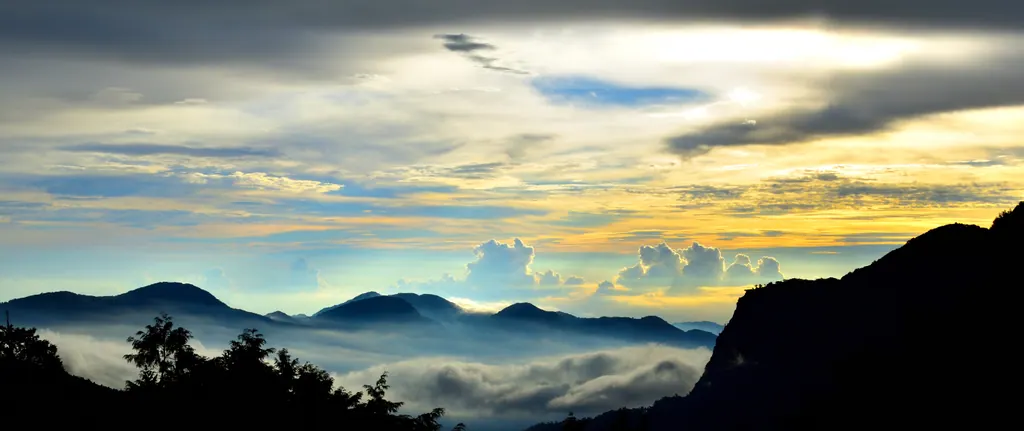
This is also the classic season for mountain views. As the air dries out, the chance of a clear sunrise and a sea of clouds over Alishan improves. The Zhushan sunrise viewpoint, reached by an early-morning forest railway train or on foot, is the classic spot.
There are two caveats. The east coast, including Hualien and the area around Taroko, sees its heaviest rain in September and October as late typhoons and the first northeast monsoon winds arrive. And the national holidays create crowds: the Mid-Autumn Festival (the 15th day of the eighth lunar month, often in September), when families barbecue outdoors and eat mooncakes and pomelos, and the National Day (Double Tenth) long weekend, which in 2027 runs October 9-11.
What is winter like, and what happens at Lunar New Year?
From December to February the north is cool, damp and often overcast. Taipei averages 16-18°C (62-65°F), which sounds mild, but most buildings have no central heating and the drizzle can feel colder than the numbers suggest. Bring layers. In the mountains, cold air outbreaks can bring snow to Hehuanshan, and Yushan's summit averages just below freezing in January.
The south is a different story. Kaohsiung and Kenting are sunny, dry and around 20-21°C (67-70°F) on average, which makes winter the best time for the southern half of the island. It is also hot spring season, from Beitou in Taipei to Zhiben near Taitung.
Lunar New Year is the biggest event of the year and the single most important date to check before booking. In 2027, Lunar New Year's Day is February 6, and the official holiday runs February 4-10. During the break:
- Train and High Speed Rail tickets sell out fast, so book as soon as sales open. Highways jam at the start and end of the holiday.
- Many small family-run restaurants and shops close for several days, especially on the first two or three days. Convenience stores, chain restaurants, department stores and major sights mostly stay open.
- Hotels in popular areas raise prices, while Taipei itself can feel strangely calm as residents head home to their families.
Two weeks later, on the 15th day of the first lunar month, comes the Lantern Festival (February 20 in 2027). Pingxi in New Taipei City releases sky lanterns, Yanshui in Tainan sets off its famously chaotic beehive fireworks, and the official Taiwan Lantern Festival moves to a different host city each year, with a light show running for about two weeks.
How much does it depend on where you go?
Quite a lot:
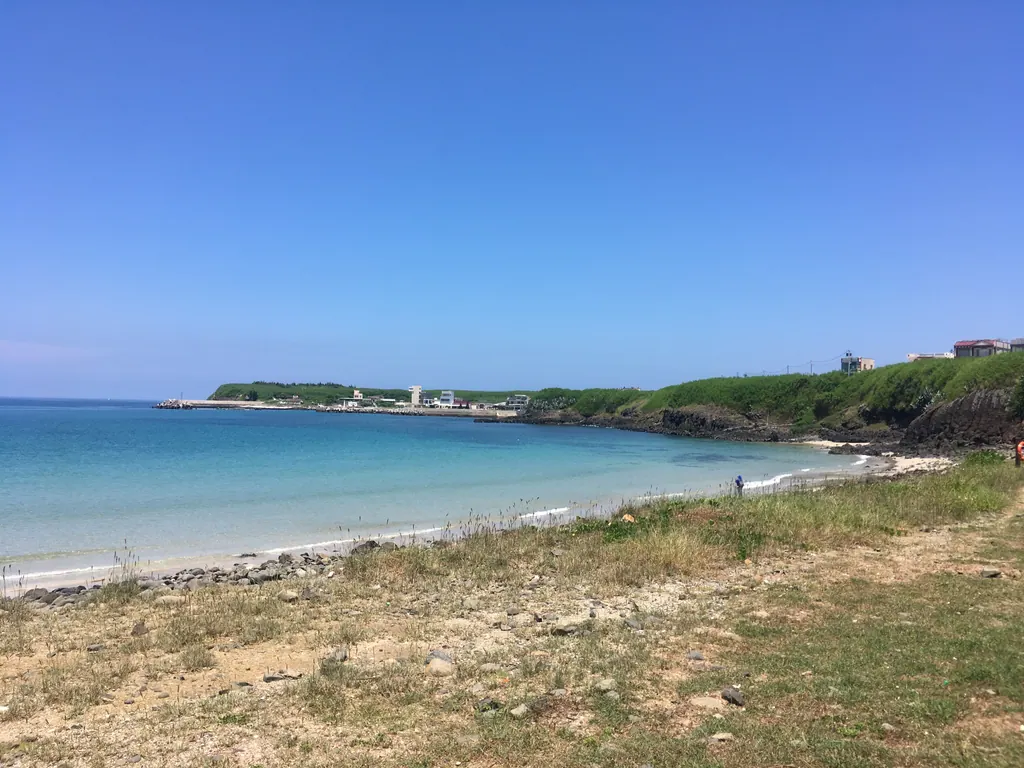
- Kenting and the far south: Hengchun averages 21°C (70°F) in January and gets very little rain from November to April, so it works as a winter beach escape. The catch is the strong seasonal wind that sweeps the Hengchun Peninsula in the cooler months, which can make beaches blustery. Summer is hot, wet and crowded with domestic visitors.
- Penghu: These islands in the Taiwan Strait are a summer destination. From October to March the northeast monsoon funnels through the strait, and according to the Penghu County Government, winds exceed 10 meters per second more than half the time in that period, compared with about 7.5 percent of the time in summer. Ferries can be canceled and many operators slow down, though kitesurfers love it. Late spring and summer bring calm seas.
- Alishan and Sun Moon Lake: Both sit in the hills of central Taiwan, with very wet summers and dry winters. Sun Moon Lake averages 14°C (58°F) in January and 23°C (73°F) in July, comfortable year-round, while Alishan is cold in winter and needs a warm jacket for sunrise in any month.
- Taitung and the east coast: Warmer than Taipei in winter, with the wettest months from July to October. The rugged coast between Hualien and Taitung is at its driest from December to April.
- Taipei and the north: No dry season, but the most comfortable months are March-April and October-November.
Our guide to getting around Taiwan covers the trains, buses and ferries that link these regions.
So when should you book?
For a first trip that covers Taipei, the west coast and a mountain stop, aim for October to early December or March to April. You get comfortable temperatures, mostly dry weather in the west and good mountain views, with cherry blossoms as a spring bonus. Just avoid the Lunar New Year week unless seeing the holiday is the point, and check the dates of the long weekends before you fix your itinerary.
If your trip is mainly about beaches or the islands, choose May to September and accept the heat and the typhoon risk, or go to Kenting in winter instead. In summer, start early, slow down in the afternoon heat and leave room for a typhoon day. More ideas are on our Taiwan page.
Frequently asked questions
What is the rainiest month in Taiwan?
It depends on the region. In Taipei, June is the wettest month on average, in Kaohsiung it is August, and on the east coast around Hualien the heaviest rain falls in September and October, according to Central Weather Administration normals.
Does it snow in Taiwan?
Only in the high mountains. Peaks such as Hehuanshan and Yushan can get snow during cold air outbreaks between December and February, while the cities never see it.
Is Taiwan expensive during Lunar New Year?
Hotels in popular areas raise prices and transport tickets sell out, especially at the start and end of the holiday. In 2027 the official break runs February 4-10, so book early or plan around it.
When is the best time to see cherry blossoms at Alishan?
The official Alishan cherry blossom season ran from March 10 to April 10 in 2026, with the Yoshino cherries usually peaking in the second half of March. Weekdays are far less crowded than weekends.
Can you swim in Taiwan in winter?
In the far south, yes. Kenting averages around 21°C (70°F) in January with little rain, although the seasonal wind can make beaches blustery. The north and the outlying islands are too cool or windy for most swimmers.