On a weekday afternoon, the arcaded shophouses of Dihua Street in Taipei smell of dried shiitake, star anise and roasted nuts. Sacks of goji berries and red dates sit beside glass jars of mullet roe, and upstairs in the old Yongle Market building, bolts of printed cotton are stacked to the ceiling. A few hours later and a few miles north, the lanes around Shilin Night Market fill with racks of T-shirts, phone cases and claw machines. Both are Taiwan, and both are worth your time and suitcase space.
Taiwan is easy to underestimate as a shopping destination. It has no single famous market like Bangkok's Chatuchak, and few visitors come for luxury brands. What it does have is excellent tea, a long craft tradition, practical night markets in every city and prices that are fair by Asian standards. This guide is about buying, not eating, so for dishes and snack stalls see our guide to food in Taiwan. Prices are from 2026 and rounded, at roughly NT$32 to the US dollar.
Are night markets worth it for shopping, not just food?
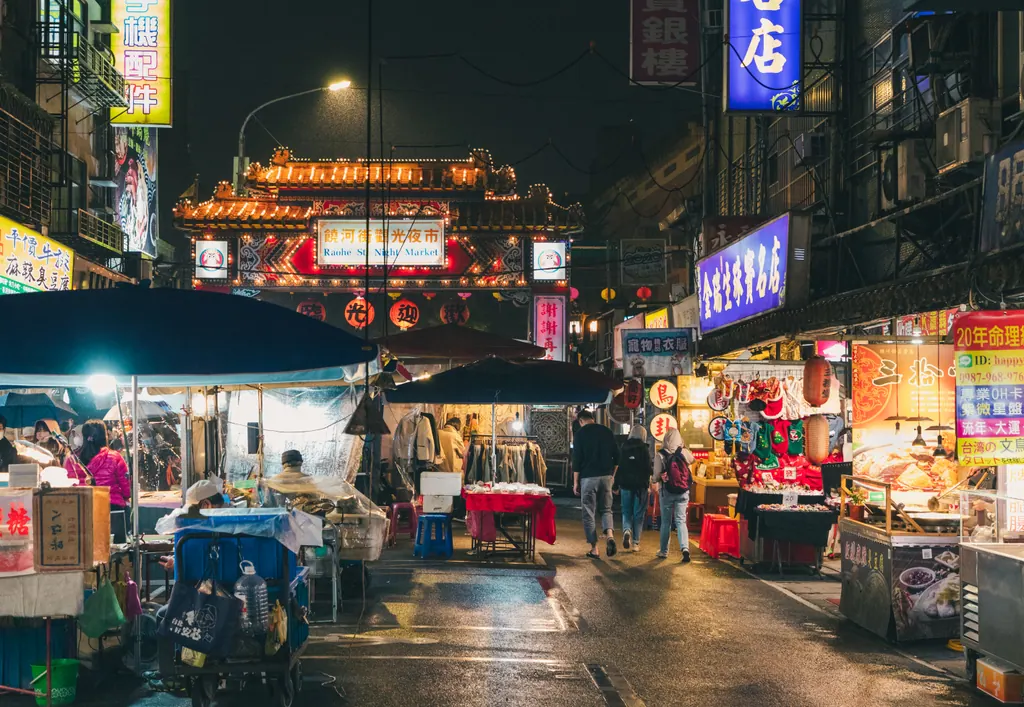
Food gets the attention, but almost every big night market also has a shopping side, usually in the lanes around the food stalls. Expect inexpensive clothing, shoes, socks, bags, phone accessories, toys and household gadgets, plus carnival games such as balloon darts and pinball, where the prizes are stuffed animals. Quality varies, so treat it as a place for cheap and cheerful buys rather than anything meant to last.
A few patterns hold across the country. Most markets come alive from around 5 or 6 pm and run until midnight. Many stalls are cash only, though a growing number accept mobile payment. Prices are usually written on a sign, and a T-shirt at a night market stall often costs NT$150-300 (about $5-9).
The big markets each have their own character:
| Market | City | Days | Best for |
|---|---|---|---|
| Shilin | Taipei | Daily | The largest selection of clothes, shoes and accessories in the lanes around the main food area, plus games |
| Raohe Street | Taipei | Daily | A compact single lane by Ciyou Temple, mixing snacks with small souvenirs and gifts |
| Feng Chia (Fengjia) | Taichung | Daily | Student fashion and accessories in the streets and small shops around Feng Chia University |
| Ruifeng | Kaohsiung | Closed Monday and Wednesday | Clothes, shoes and a large games section near Kaohsiung Arena MRT station |
| Garden (Huayuan) | Tainan | Traditionally Thursday, Saturday, Sunday | A huge open lot with clothing, toys and household goods alongside food |
| Dadong | Tainan | Monday, Tuesday, Friday | Similar mix to Garden, on the other nights of the week |
| Luodong | Yilan | Daily | Clothes, shoes and everyday items, the biggest market in Yilan County |
| Dongdamen | Hualien | Daily | Souvenirs and a section devoted to Indigenous food and drink |
| Kenting Street | Kenting | Daily | Swimwear, beach shorts, T-shirts and souvenirs along the main road |
Tainan's rotating schedule is the one to watch. The markets are open air, they shift days now and then and they close in heavy rain, so check the city tourism site before you plan an evening around one.
What can you find on Dihua Street and in Taipei's older districts?
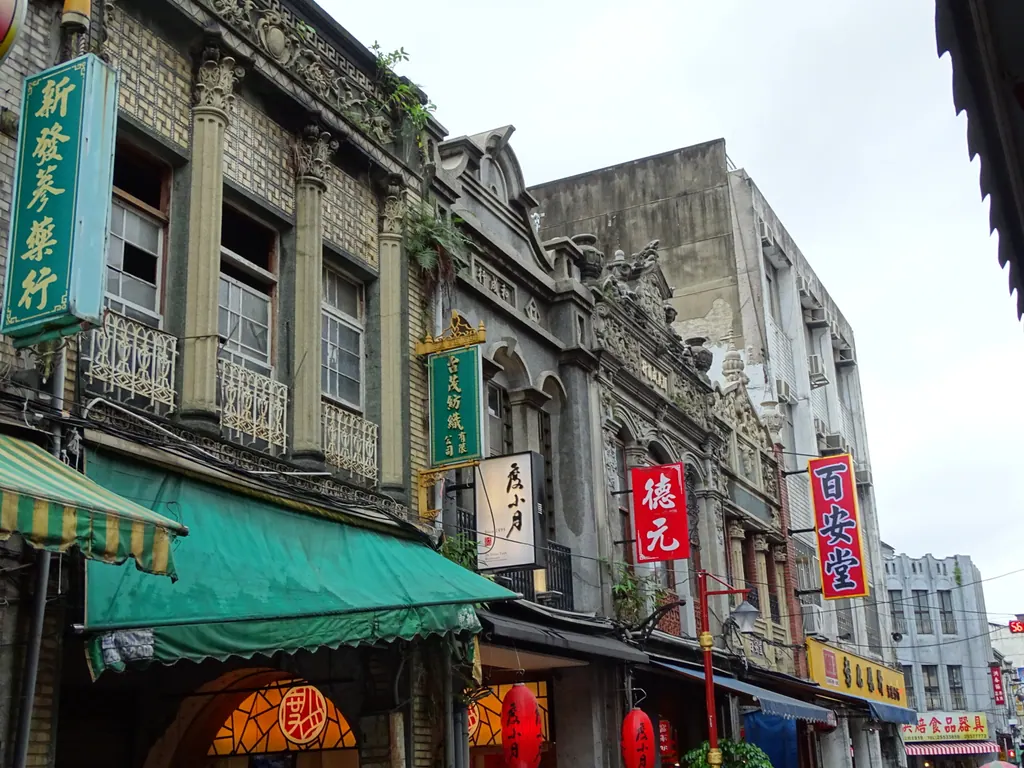
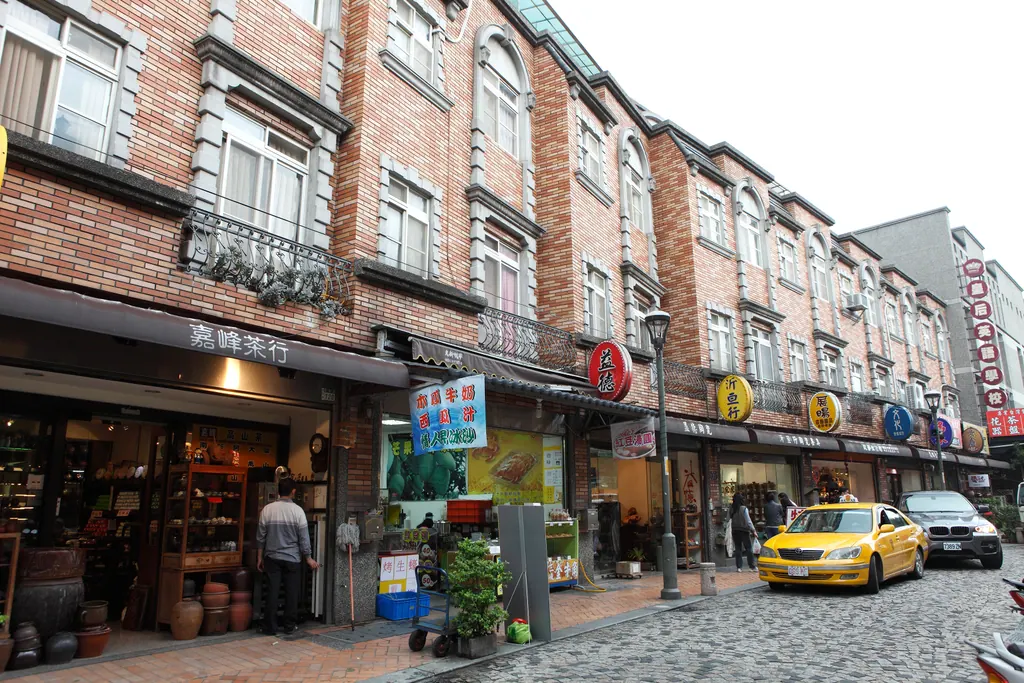
Dihua Street, in the Dadaocheng area near the Tamsui River, grew up in the mid 1800s as a trading street for tea, herbs, cloth and dried goods, and it still does that trade today. The historic facades, many restored, make it one of the most attractive streets in Taipei for a wander.
The shops sell what Taiwanese families buy for cooking, gifting and traditional medicine: dried mushrooms, dried fruit, nuts, herbs, ginseng, bird's nest and mullet roe. Several tea merchants sell loose leaf by weight, and a newer generation of shops in the restored buildings sells ceramics, design objects and packaged snacks that are easier to fly home with. For fabric, head to Yongle Market at the southern end of the street, known for its floors of fabric stalls where you can buy cloth by the meter and, in some shops, have simple clothes or bags made.
In the weeks before Lunar New Year, the street turns into a dense holiday market selling candies, dried meats and festive snacks. It is a great spectacle, but plan for crowds that make browsing slow.
A short MRT ride away, Ximending is Taipei's youth shopping district. The pedestrian streets around Ximen station are full of streetwear, sneaker shops, cosmetics, pop culture goods and arcades, and the historic Red House has small boutiques run by local designers.
Which tea should you bring home, and where do you buy it?
Tea is the classic Taiwanese souvenir, light to carry and genuinely better than most of what is sold abroad. Two names cover most of what visitors buy.
Alishan high mountain oolong comes from tea gardens in the mountains of Chiayi County, and "high mountain" (gaoshan) teas in general are grown at roughly 1,000 meters or higher. Cool, misty weather gives a floral, creamy and lightly sweet cup. The leaves are rolled into tight balls that unfurl in hot water, and one batch can be steeped several times.
Sun Moon Lake black tea is grown around Yuchi Township in Nantou County. The best known variety is TTES No. 18, often sold as Ruby or Hongyu, a cultivar from Taiwan's tea research station with notes that tasters compare to cinnamon and mint. Another well known local variety, No. 8, is made from Assam stock.
You can buy good tea in three kinds of places:
- In the growing areas. Tea farms and shops around Alishan and Sun Moon Lake sell directly and usually let you taste before you buy.
- Established tea shops in the cities, including the merchants on Dihua Street and the tea houses in Maokong, the hill tea district in southern Taipei reached by the Maokong Gondola.
- Department store food halls and airport shops, which are convenient and well packaged but usually cost more.
Tea in Taiwan is often sold in 150-gram packets, a traditional measure. Prices range widely with altitude, harvest and grade. As a rough guide, decent high mountain oolong often starts around NT$600-800 (about $19-25) for 150 grams, and competition grade leaf can cost many times that. Ask to taste, buy vacuum sealed packs for freshness, and be wary of very cheap "Alishan" tea, since leaf from elsewhere is sometimes sold under famous names.
What edible souvenirs travel well?
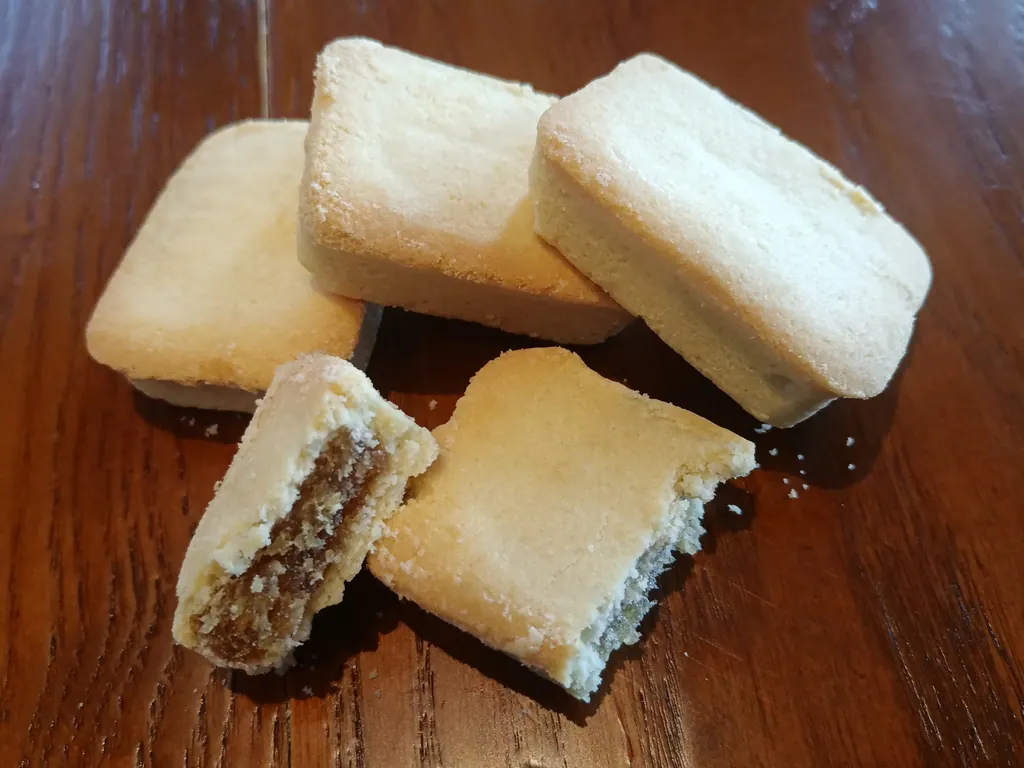
Pineapple cakes (fengli su) are the gift most Taiwanese people buy for friends abroad. They are small, square, buttery pastries filled with pineapple jam. Many versions blend pineapple with winter melon for a smoother, sweeter filling, while those labeled as using native or all-pineapple filling are tarter and more fibrous. Bakeries all over the island sell them in gift boxes, and a box of 10-12 typically costs around NT$300-600 (about $9-19). They keep for a couple of weeks, which makes them easy to bring home.
Other good choices include Taiwanese dried mango and other dried fruit, nougat with milk powder and nuts, sun cakes from Taichung (flaky pastries with a malt sugar filling) and packaged instant noodles from Taiwanese brands, which have a cult following among visitors. Supermarkets such as Carrefour and PX Mart are cheaper than souvenir shops for snacks.
Drugstore chains such as Watsons, Cosmed and Poya are popular for skincare, especially sheet face masks, and some branches take part in the tourist tax refund scheme described below.
Where can you buy ceramics and traditional crafts?
Yingge, in New Taipei, is Taiwan's best known ceramics town. Yingge Old Street is a brick-paved stretch of pottery shops selling everything from teacups and tea sets to large vases, and the Yingge Ceramics Museum explains the town's history as a pottery center. Prices start around NT$50-100 (about $2-3) for a small cup and climb steeply for signed work. Note that not everything sold here is made in Yingge or even in Taiwan, so ask, and look for pieces signed by local studios. Several workshops run short pottery classes. Yingge is an easy half day trip from Taipei by local train from Taipei Main Station.
Hakka crafts are the other big tradition. Hakka communities are concentrated in the hills of Taoyuan, Hsinchu and Miaoli in the north and in Meinong in Kaohsiung. Meinong is famous for its oil paper umbrellas, made by hand from bamboo, paper and tung oil and traditionally given as wedding gifts. Workshops there sell painted umbrellas, from small decorative ones to full sized pieces. Sanyi in Miaoli County is the island's wood carving town, with a long street of carving shops and the Sanyi Wood Sculpture Museum. You will also see the bold peony print fabric known as Hakka flower cloth on bags, purses and pouches all over Taiwan.
Indigenous crafts are best bought on the east coast and in the south, close to the communities that make them. Taiwan officially recognizes 16 Indigenous peoples, and Hualien and Taitung counties have large Amis, Puyuma, Bunun and other communities. Look for woven bags and textiles, wood carving, beadwork and, from the Paiwan in Pingtung County, colored glass beads with symbolic meanings. In Hualien, the area around Dongdamen Night Market has souvenir shops, and in Taitung City, the creative markets around Tiehua Music Village showcase local makers. Buying directly from artists or community shops means more of the money stays with them.
What about malls and department stores?
Taiwan's department stores are big, clean and well organized, with food halls in the basement and international brands upstairs. In Taipei, the Xinyi District around Taipei 101 has the densest cluster, including Taipei 101 Mall and several Shin Kong Mitsukoshi buildings within walking distance of each other. Kaohsiung's Dream Mall is one of the largest malls in the country, and Taichung's main department stores line the Taiwan Boulevard corridor in the newer western districts.
For design and local brands, the creative parks are more interesting than the malls: Huashan 1914 Creative Park and Songshan Cultural and Creative Park in Taipei, Pier-2 Art Center in Kaohsiung and Shenji New Village in Taichung all have small shops selling stationery, ceramics, clothing and gifts by Taiwanese designers.
International brands are rarely cheaper than in the United States, so the best buys are local products.
How does the tourist tax refund work?
Taiwan charges 5% value added tax, included in the shelf price, and foreign visitors can get part of it back. According to Taiwan's official tax refund service, the main rules in 2026 were:
- You must hold a foreign passport (or another eligible travel document) and stay in Taiwan for no more than 183 days.
- You must spend at least NT$2,000 (about $63), tax included, in one store displaying the TRS (Tax Refund Shopping) sign on the same day. Show your passport when you pay.
- The goods must leave Taiwan with you within 90 days of purchase, unused and in your luggage. Hotel bills, restaurant meals and services do not qualify.
- An administration charge of 20% of the tax is deducted. In practice, you get back a little under 4% of what you paid: on a NT$10,000 purchase, the refund comes to about NT$380 (about $12).
There are three ways to claim. Many stores offer an on-site small amount refund for same day purchases under NT$48,000 at that store, which is the easiest option; the scheme stops once your on-site purchases pass NT$120,000 in one visit or NT$240,000 in a year. Otherwise, you claim at a TRS counter at the airport or seaport before you check your luggage, and the official service suggests arriving three hours before departure. Travelers flying from Taoyuan can also claim smaller purchases at the Airport MRT check-in area at Taipei Main Station on the day they fly. Rules change, so check the official site before a big shopping trip.
Can you bargain in Taiwan?
Less than you might expect. Department stores, chain shops, convenience stores, supermarkets and food stalls all have fixed prices, and trying to haggle there will only cause confusion. Taiwan is not a place where prices are inflated on the assumption that you will negotiate.
At night market clothing stalls, small independent shops and markets where prices are not marked, a friendly request for a small discount is normal, especially if you buy several items. Think in terms of a modest reduction or a free extra pair of socks, not halving the price, which can come across as rude. Keep it light, smile and accept the answer.
The one habit worth keeping is to ask the price before anything is weighed, cut or prepared. Taipei city officials have stepped up inspections at Shilin in the past after complaints that fruit sellers overcharged visitors.
What should you leave behind?
Before you pack your purchases, check the rules for your home country. In the United States, according to US Customs and Border Protection, you must declare all food and agricultural products, and most meat products are not allowed. That includes the pork and beef jerky sold in shops all over Taiwan, so enjoy it there. Packaged tea, pineapple cakes and other baked goods are generally fine once declared. Fresh fruit is a different matter and is usually not allowed.
A few practical points help with the rest of the trip:
- Carry cash for night markets and small shops. ATMs at convenience stores accept most foreign cards.
- Bring a foldable bag. Taiwan charges for plastic bags in many shops.
- Save the big tea and ceramics purchases for the end of your trip, so you carry them less and can compare prices first.
For more planning help, see our Taiwan destination page, more ideas under shopping and the practical guides in travel tips.
Frequently asked questions
What is the minimum purchase for a tax refund in Taiwan?
In 2026 you needed to spend at least NT$2,000 (about $63), tax included, at one store with the TRS sign on the same day. The net refund is a little under 4% of the purchase price after the administration charge.
Do night markets in Taiwan take credit cards?
Mostly not. Many stalls are cash only, although mobile payment is spreading. Carry small bills and coins, and withdraw cash at a convenience store ATM beforehand.
Can I bring pineapple cakes and tea from Taiwan into the US?
Packaged tea and baked goods such as pineapple cakes are generally allowed, but you must declare all food on arrival. Meat products such as pork or beef jerky are generally not allowed.
What is the best souvenir to buy in Taiwan?
For most visitors it is tea, especially Alishan high mountain oolong or Sun Moon Lake black tea, followed by pineapple cakes. Both are light, travel well and are hard to find at the same quality outside Taiwan.
Is shopping in Taiwan cheap?
Local products, night market clothing and snacks are good value. International brands and electronics usually cost about the same as in the United States or more, so focus on things made in Taiwan.