Here is a fact that surprises most Americans: the Cook Islands share a time zone with Hawaii. Fly south from Honolulu for about six hours and you land on Rarotonga on the same day, at the same hour, but in the South Pacific, where the seasons run the other way around and December is the height of summer.
That flip is the first thing to understand when you pick your dates. The second is that the Cook Islands do not really have a bad month, only months that suit different trips. Below we go through the seasons, what each one is good for, and how the calendar affects flights from the U.S.
How Do the Seasons Work in the Cook Islands?
The islands lie south of the equator, roughly between Samoa and Tahiti, so the seasons are reversed from North America. The Cook Islands Tourism Corporation describes two of them:
- The drier season, roughly April to November. Trade winds, lower humidity and an average temperature of about 79°F (26°C). In July and August, nights on Rarotonga can drop to the mid 60s °F (around 18 to 19°C), which feels cool after a day in the sun.
- The warmer season, December to March. More humidity, temperatures between about 72°F and 86°F (22 to 30°C), and more rain. The showers are typically short tropical bursts in the morning or afternoon rather than days of gray skies.
The South Pacific tropical cyclone season runs from November to April. Direct hits on Rarotonga or Aitutaki are not an annual event, but storms do happen, and the risk is highest from about January to March. If you travel in those months, choose a refundable booking or travel insurance that covers weather disruption.
The Short Answer by Season
| Months | Weather | Good for | Keep in mind |
|---|---|---|---|
| April to May | Warm, drying out | Beaches, snorkeling, fewer visitors | Some showers early in April |
| June to August | Driest and coolest, steady trade winds | Hiking, kitesurfing, whales from July | Peak season and New Zealand school holidays |
| September to October | Dry, warming up | Whales, snorkeling, the best overall balance | Popular; book flights early |
| November | Warm, first humid days | Vaka Eiva canoe festival, lower prices | Start of cyclone season |
| December to March | Hot, humid, short downpours | Warm water, quiet weeks in February and March | Highest cyclone risk; busy around Christmas |
The tourism board itself points to April, May, September and October as the sweet spot, when the weather is usually warm and the skies mostly dry. We agree, with one addition: if whales are on your list, September and October also fall inside the humpback season.
When Can You See Humpback Whales?
From about July to October, humpback whales migrate north from Antarctic waters to the Cook Islands to mate, give birth and rest. The whole exclusive economic zone of the Cook Islands is a declared whale sanctuary, and because the reef drops steeply into deep water, humpbacks are often visible from the shore on Rarotonga. Boat tours run in season, but many visitors see their first spout from a beach chair.
August and September are the most reliable months if you want whales and dry weather on the same trip.
Which Months Have the Big Festivals?
Two events are worth planning around, or avoiding if you want quiet beaches:
- Te Maeva Nui is the national culture festival, built around Constitution Day on August 4. In 2026 it ran from July 24 to August 4 in Avarua, with dance and drumming competitions between the islands, a float parade and plenty of food. If you want to see Cook Islands dance at its best, this is the time.
- Vaka Eiva, an outrigger canoe festival in Avarua, takes place in November. The 2026 edition, its 20th anniversary, runs from November 20 to 27, and paddlers fly in from across the Pacific.
Christmas and New Year are also lively, with church choirs, family gatherings and many New Zealand visitors on the island.
When Is Aitutaki at Its Best?
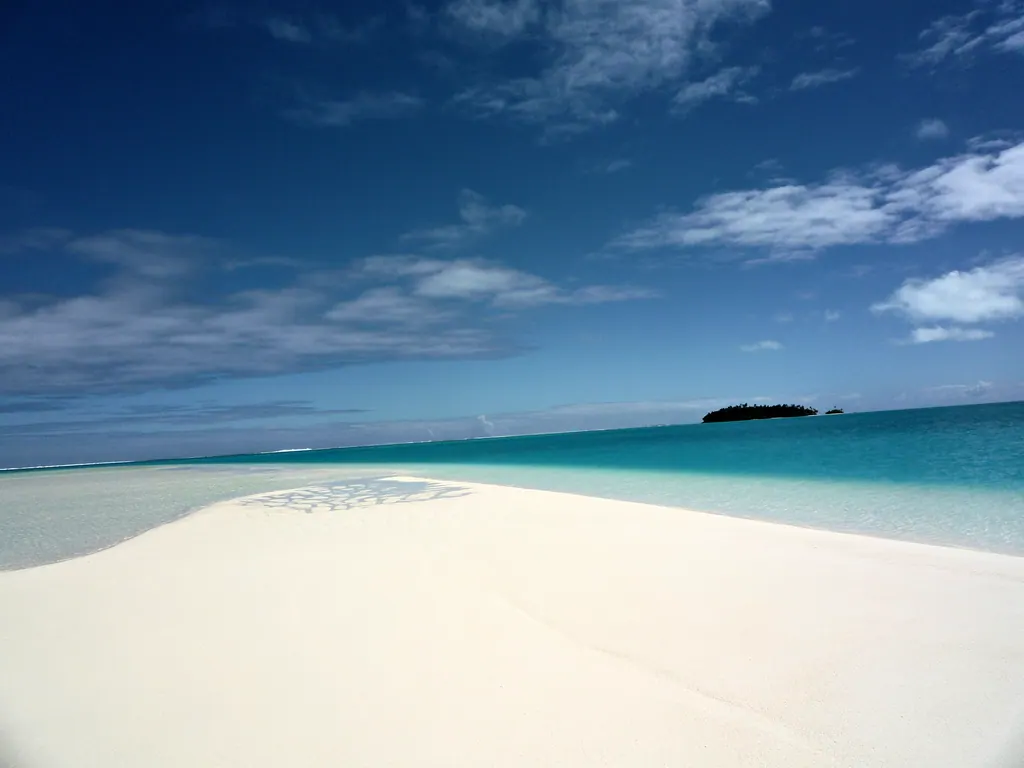
Most visitors combine Rarotonga with Aitutaki, the atoll about 50 minutes north by Air Rarotonga, known for its huge, shallow lagoon and the sandbars around One Foot Island (Tapuaetai). The lagoon is at its most striking on calm, sunny days, which are most common in the drier months from May to October. In the wet season, a passing shower can turn the water milky for a few hours, though it usually clears quickly.
If Aitutaki is the main reason for your trip, give yourself at least two or three nights there. That leaves room for a lagoon cruise on the sunniest day rather than the day you happen to arrive.
How Do You Get There From the U.S.?
This matters as much as the weather, because the flight schedule is thin:
- From Honolulu: a weekly nonstop on Fridays, operated by Hawaiian Airlines. In 2026 it departs Honolulu in the afternoon and arrives in Rarotonga the same evening, with the return on Saturdays. Seats on the only nonstop from the U.S. go fast in peak season.
- From Los Angeles via Tahiti: overnight flights to Papeete connect four times a week with Air Rarotonga and Air Tahiti flights to Rarotonga, about 2 hours 40 minutes. It is an easy way to add a few days in French Polynesia.
- Via Auckland: Air New Zealand flies from Auckland daily, and up to three times a day on some days in the June to October peak. This is the most flexible routing if you are also visiting New Zealand.
As of November 2026, U.S. citizens receive a visitor permit of up to 31 days on arrival. Your passport should be valid for six months beyond the date you leave, and you need proof of onward travel and somewhere to stay.
Our Pick
For a first trip, aim for September or early October. You get dry weather, warm water, a real chance of whales and fewer families than in July, and you are back home before the cyclone season gets going. If you want the island at its quietest and are happy to gamble a little on the weather, February and March have the fewest visitors, but book flexibly.
Comparing South Pacific islands? Our guide to the best time to visit Fiji follows a similar calendar, and you can find more of the region under Oceania.
Frequently asked questions
What is the best month to visit the Cook Islands?
September and early October combine dry weather, warm water and humpback whales, with fewer visitors than July. April and May are also good.
When is cyclone season in the Cook Islands?
The South Pacific cyclone season runs from November to April, with the highest risk from about January to March.
When can you see whales in the Cook Islands?
Humpback whales visit from about July to October and can often be seen from the shore on Rarotonga.
Is there a direct flight from the U.S. to the Cook Islands?
Yes, a weekly nonstop from Honolulu to Rarotonga on Fridays in 2026. From Los Angeles, you connect via Tahiti or Auckland.