On the right night, a paddle stroke leaves a trail of blue light behind it. Fish turn into streaks, raindrops spark on the surface, and a hand trailed over the side of a kayak glows as if it had been dipped in neon. The light comes from living things: tiny plankton, jellies, squid and even insect larvae that make their own light, a process called bioluminescence.
It is one of the most memorable things you can see in nature, and also one of the least predictable. Some places glow almost every dark night, others only in certain months, and one of the most famous went dark in 2026. Here are seven places where your chances are real, what kind of glow you can expect, and how to plan around the moon.
What Makes the Water Glow?
Most glowing water is caused by dinoflagellates, single-celled plankton that flash blue-green when the water around them is disturbed. Scientists believe the flash startles predators. In a few sheltered bays the conditions are just right for them to live in huge numbers all year, while on open coasts they appear in blooms that come and go.
Other bioluminescent animals work differently. Comb jellies glow in pulses, firefly squid carry hundreds of tiny light organs, and New Zealand's glowworms use light to lure insects. None of them are dangerous to look at, but all of them are fragile, so the best sites have strict rules.
1. Puerto Rico's Three Bioluminescent Bays
Puerto Rico is the easiest place in the United States to see glowing water, with three year-round bioluminescent bays. No passport is needed from the mainland.
Mosquito Bay, Vieques. Guinness World Records lists Mosquito Bay as the brightest bioluminescent bay in the world, with up to 700,000 dinoflagellates per gallon of water. Visits are only allowed with licensed operators, by kayak or electric boat, and swimming is banned. Tours do not run on the night before, the night of and the night after each full moon. There is an important catch for 2026: the bay's glow faded through the summer and fell to almost nothing in September 2026, the bay's third blackout this century, and scientists were still investigating the cause in November 2026. The bay recovered after earlier blackouts, but check recent reports with operators before you build a trip around it.
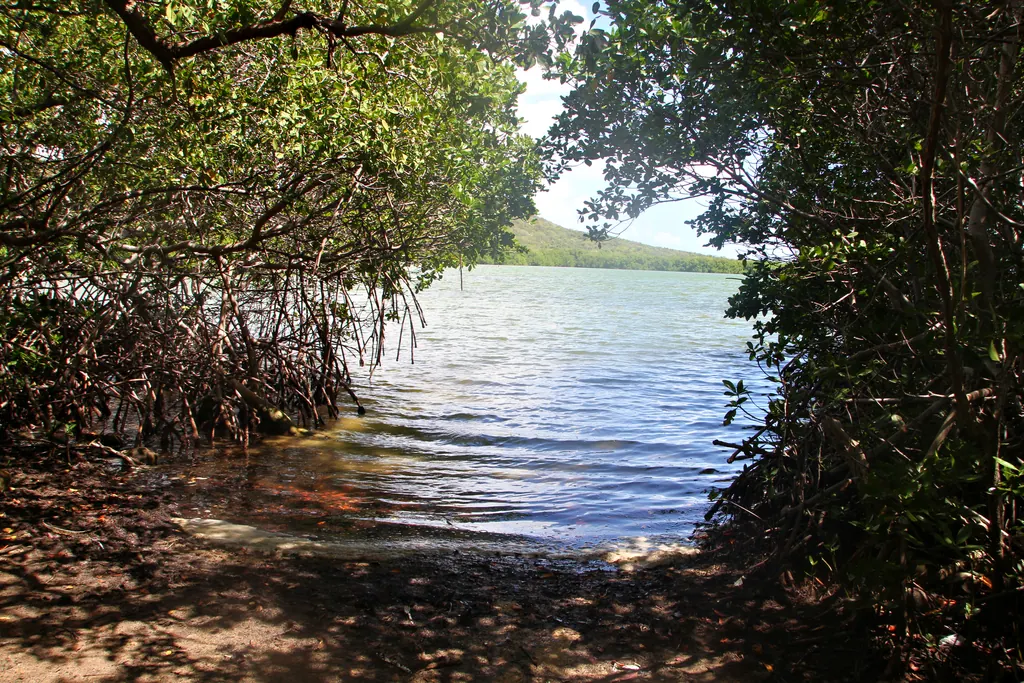
Laguna Grande, Fajardo. About an hour's drive east of San Juan, inside the Las Cabezas de San Juan nature reserve, Laguna Grande is reached by kayak through a narrow mangrove channel. It is the most practical choice if you are based in San Juan, and like Mosquito Bay it is look but do not swim.
La Parguera, Lajas. On the southwest coast, La Parguera is the one Puerto Rican bay where some licensed boat tours have allowed swimming. The glow is usually less intense than in the other two bays, and since June 2023 the bay has been closed for three nights around each full moon.
2. Luminous Lagoon, Jamaica
Near Falmouth on Jamaica's north coast, about 30 minutes east of Montego Bay, the Martha Brae River meets the sea in a shallow, mangrove-lined lagoon. The mix of fresh and salt water suits the same kind of dinoflagellate found in Puerto Rico, and the Luminous Lagoon glows on most nights of the year.
This is the place if you want to swim in it. Boat tours leave the Glistening Waters dock from sunset, last under an hour and let you get into the water, which is mostly 3 to 8 feet deep. The operator lists tours at $25 for adults and $12.50 for children under 10 (2026 prices). It is an easy add-on from a Montego Bay resort, but book a driver rather than driving back at night.
3. Indian River Lagoon, Florida
On Florida's Space Coast, about an hour east of Orlando, the waters around Merritt Island and Titusville have one of the best bioluminescence seasons on the U.S. mainland. Kayak tours paddle the Indian River Lagoon, Mosquito Lagoon and the Haulover Canal.
The season has two halves. From roughly June to October, and especially July to September, dinoflagellates light up every paddle stroke, and leaping mullet leave bright trails. In the cooler months, comb jellies take over, with softer, pulsing lights in the water. As in Puerto Rico, the glow is best around the new moon and is never guaranteed.
4. San Diego and the Southern California Coast
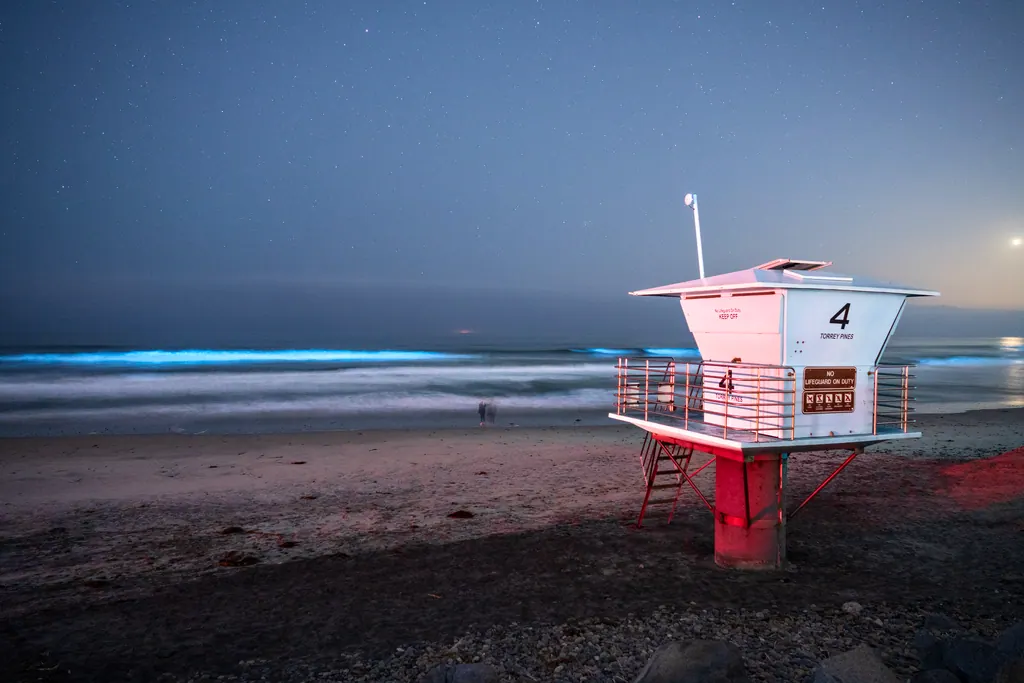
Every few years, Southern California gets a bioluminescent red tide. By day the water turns reddish-brown from a bloom of the dinoflagellate Lingulodinium polyedra, and at night the breaking waves glow electric blue along beaches like Torrey Pines, La Jolla and Pacific Beach. In spring 2020, a bloom lasted nearly two months and drew crowds to the beaches every night.
The problem is timing. Scripps Institution of Oceanography, which studies the blooms, says red tides cannot be predicted in when they appear, how strong they are or how long they last. If you live in or visit Southern California, follow local news and Scripps updates. When the waves start glowing, you usually have days or weeks, not months.
5. Toyama Bay, Japan
Toyama Bay on Japan's Sea of Japan coast has a glow you will not see anywhere else in such numbers. Every spring, millions of firefly squid, each about 3 inches (7 centimeters) long, rise from the deep to spawn near the shore, and their light organs give off a blue glow.
The town of Namerikawa runs pre-dawn sightseeing boats during the season. In 2026 they ran from April 1 to May 6, left at 2:30 a.m. and cost 8,000 yen (about $50 in 2026) for adults. The glow is strongest when the squid are disturbed as fishermen lift their nets. The Hotaruika Museum in Namerikawa explains the squid all year, and firefly squid is a seasonal delicacy in local restaurants. Toyama is about two hours from Tokyo by Hokuriku Shinkansen, and you can find more ideas for the country under Japan.
6. Waitomo Glowworm Caves, New Zealand
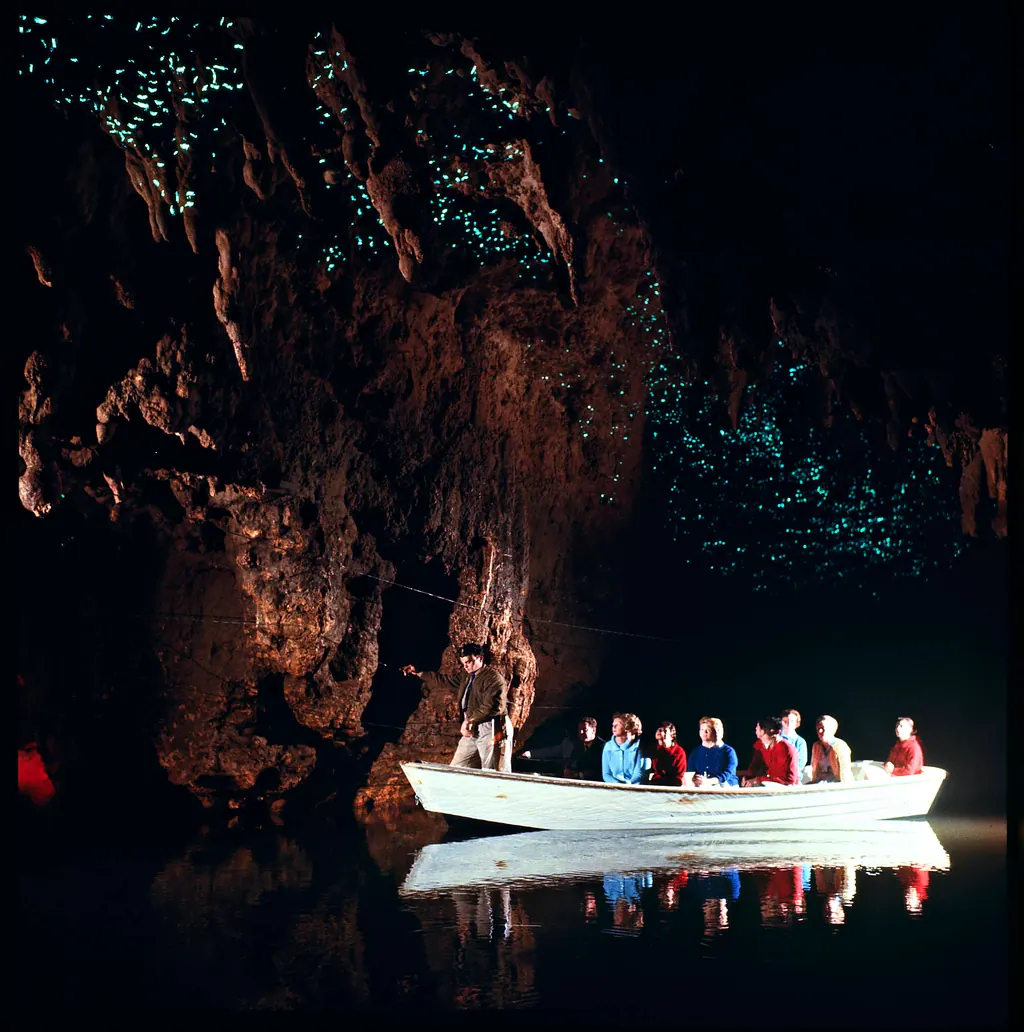
This is bioluminescence without water glowing at all. In the Waitomo Glowworm Caves on New Zealand's North Island, about 2.5 hours by car south of Auckland, thousands of glowworms cover the ceiling of a cave grotto. They are the larvae of a fungus gnat found only in New Zealand, and their blue-green light lures insects into sticky threads hanging below them.
Visitors first walk through the limestone caves and then drift through the Glowworm Grotto in a boat, in silence and darkness. The cave was explored in 1887 by the Māori chief Tāne Tinorau and the English surveyor Fred Mace, and it has drawn visitors ever since. Photography is not allowed inside. Unlike every other place on this list, Waitomo glows year-round, in any weather, at any phase of the moon.
7. Vaadhoo and the Maldives
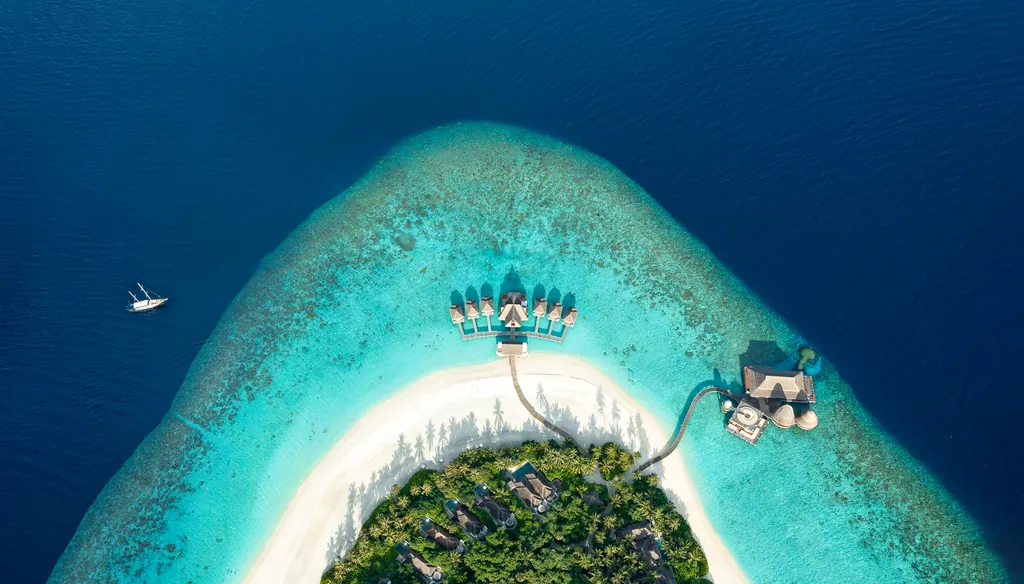
The Maldives are famous for a phenomenon often called the "Sea of Stars", when waves breaking on the beach light up with glowing plankton. The island of Vaadhoo in Raa Atoll is the name most travelers know, but the glow has been reported on beaches across the country.
Reports are most common from about June to October, and especially July to September, but there is no schedule. Calm nights near the new moon give the best odds. If you are already planning a Maldives trip (our guide is the Maldives expensive? helps with the budget), ask your hotel or guesthouse about recent sightings, and walk the beach after dark for a few nights. Treat a sighting as a bonus rather than the purpose of the trip.
How to Plan a Night of Bioluminescence
- Go near the new moon. Moonlight washes out the glow. The darkest nights are a few days either side of the new moon, and on later nights in the lunar cycle the moon rises after early-evening tours.
- Give your eyes time. It takes 15 to 20 minutes for your eyes to adjust to the dark. Do not check your phone screen while you wait.
- Leave the camera expectations at home. The glow is real, but phone cameras struggle to capture it. Many of the photos you see online are long exposures.
- Skip the bug spray before swimming or paddling. Chemicals in sunscreen and repellents harm the organisms. Several Puerto Rican operators ask guests to use eco-friendly repellent and avoid spraying near the water.
- Book a licensed tour. In protected bays, it is required, and guides know where the glow is strongest on a given night.
The glow is a reminder that nature runs on its own schedule. For another night-sky phenomenon worth planning a trip around, see our guide to where to see the northern lights, and find more ideas under Nature.
Frequently asked questions
Where is the brightest bioluminescent bay in the world?
Guinness World Records lists Mosquito Bay on Vieques, Puerto Rico, as the brightest. Its glow faded sharply in September 2026, so check current conditions before you go.
Can you swim in a bioluminescent bay?
Not in Mosquito Bay or Laguna Grande in Puerto Rico. Swimming is allowed on tours of the Luminous Lagoon in Jamaica and on some licensed tours at La Parguera.
When is the best time to see bioluminescence?
On dark nights close to the new moon. Seasons vary by place, from summer in Florida to spring in Toyama Bay, Japan.
Where can you see bioluminescence in the U.S.?
Puerto Rico's three bays, Florida's Indian River Lagoon and, during occasional red tides, beaches in Southern California.
- Guinness World Records: Brightest bioluminescent bay
- The San Juan Daily Star: Scientists launch probe into loss of bioluminescence in Mosquito Bay
- Scripps Institution of Oceanography: Red tides and bioluminescence off California
- Glistening Waters: Luminous Lagoon tour
- Visit Toyama: Firefly squid sightseeing
- Discover Waitomo: History of the Waitomo Glowworm Caves