Vietnam is about 1,000 miles long from the Chinese border to the tip of the Mekong Delta, and the weather doesn't change smoothly along the way. On the same January day you can need a jacket for a misty evening in Hanoi, wade through the tail end of the rainy season in Hoi An and sit through 90°F heat in Ho Chi Minh City.
That's why "when is the rainy season in Vietnam?" has three answers. Below we go through the north, the center and the south one at a time, using official 30-year climate normals, and look at the things the averages leave out: Tet, the typhoons that halt Ha Long Bay cruises, frost in Sapa and Dalat's mild mountain weather.
How can one country have three climates?
The north has a subtropical climate with a real winter. Cold air coming down from mainland Asia brings Hanoi gray skies, drizzle and nights in the high 50s from December to February. Summer then turns hot and wet, with most of the year's rain falling between May and September.
The center works the other way around. The Truong Son mountains along the border with Laos block much of the southwest summer monsoon, so Hue, Da Nang and Hoi An stay fairly dry and very hot through summer. In autumn the northeast monsoon and passing tropical storms hit the coast head on, and September to December brings some of the heaviest rain in Vietnam.
The south is tropical, with no winter at all. Ho Chi Minh City sits around 90°F all year. Dry season runs from about December to April, and the wet season from May to November usually means a heavy afternoon downpour rather than days of steady rain.
What do the numbers say, month by month?
The table uses 1991-2020 normals that Vietnam's national hydrometeorological service reports to the World Meteorological Organization. Highs are average daily maximums; rain is the monthly average.
| Month | Hanoi high | Hanoi rain | Da Nang high | Da Nang rain | Ho Chi Minh City high | Ho Chi Minh City rain |
|---|---|---|---|---|---|---|
| Jan | 68°F (20°C) | 1.1 in (28 mm) | 77°F (25°C) | 3.3 in (83 mm) | 90°F (32°C) | 0.5 in (12 mm) |
| Feb | 70°F (21°C) | 0.7 in (19 mm) | 79°F (26°C) | 0.9 in (22 mm) | 91°F (33°C) | 0.3 in (8 mm) |
| Mar | 74°F (24°C) | 2.2 in (55 mm) | 83°F (28°C) | 1.4 in (36 mm) | 92°F (34°C) | 0.7 in (18 mm) |
| Apr | 82°F (28°C) | 3.1 in (79 mm) | 88°F (31°C) | 2.0 in (50 mm) | 94°F (35°C) | 2.2 in (57 mm) |
| May | 89°F (32°C) | 7.4 in (188 mm) | 92°F (33°C) | 2.8 in (71 mm) | 95°F (35°C) | 8.0 in (202 mm) |
| Jun | 93°F (34°C) | 9.1 in (231 mm) | 95°F (35°C) | 2.7 in (68 mm) | 92°F (34°C) | 8.8 in (224 mm) |
| Jul | 92°F (33°C) | 11.8 in (300 mm) | 94°F (34°C) | 3.6 in (92 mm) | 91°F (33°C) | 9.1 in (231 mm) |
| Aug | 90°F (33°C) | 13.2 in (335 mm) | 93°F (34°C) | 6.6 in (167 mm) | 91°F (33°C) | 8.6 in (219 mm) |
| Sep | 89°F (32°C) | 7.7 in (195 mm) | 90°F (32°C) | 15.5 in (394 mm) | 91°F (33°C) | 10.7 in (273 mm) |
| Oct | 85°F (30°C) | 5.0 in (126 mm) | 85°F (30°C) | 25.9 in (658 mm) | 90°F (32°C) | 9.4 in (240 mm) |
| Nov | 79°F (26°C) | 1.9 in (48 mm) | 82°F (28°C) | 19.1 in (486 mm) | 90°F (32°C) | 5.0 in (128 mm) |
| Dec | 72°F (22°C) | 0.9 in (24 mm) | 78°F (25°C) | 10.7 in (272 mm) | 89°F (32°C) | 1.6 in (41 mm) |
Two things stand out. Da Nang gets more rain in October alone than Ho Chi Minh City gets from January to May combined. And Hanoi's winter looks dry on paper but isn't sunny: the same data shows 11-18 days with some rain from January to March, mostly a fine, persistent drizzle under low clouds. Humidity is the other missing number. A 90°F day in Ho Chi Minh City in April feels a lot hotter than the thermometer says.
When should you go to Hanoi, Ha Long Bay and Sapa?
For the north, October-November and March-April are the sweet spots. Autumn is the classic choice: the summer rain eases off, the air dries out, and highs fall from the low 90s into the 80s. Spring is warmer and greener, but often hazier.
Winter, December to February, is cool rather than cold in Hanoi, with lows around 58-61°F (15-16°C). Many visitors find it pleasant for walking the Old Quarter, but bring a sweater, because older buildings rarely have heating. Summer is hot, sticky and stormy, and it's also the time for afternoon thunderstorms over the city.
Ninh Binh, a couple of hours south of Hanoi, follows the same pattern. The rice around Tam Coc is usually golden and ready for harvest in late May and early June, which is the time for the famous photos, though it's already hot. Boat trips through the Trang An limestone landscape run all year, but in winter the karst peaks often sit in fog.
Ha Long Bay and the storm question
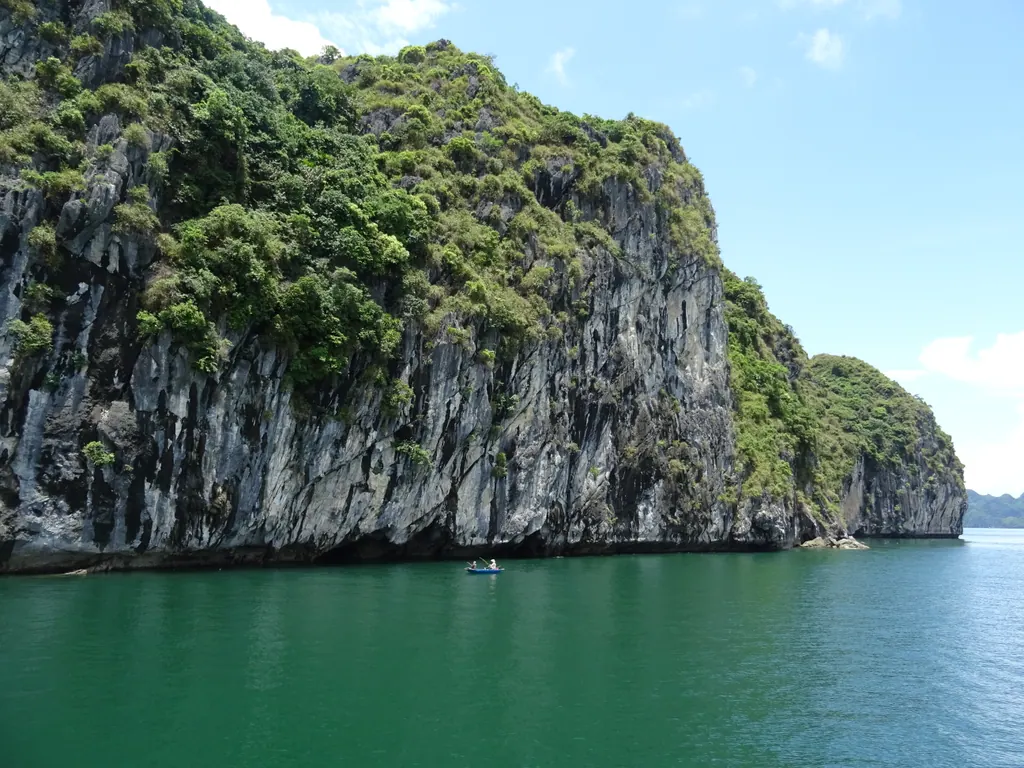
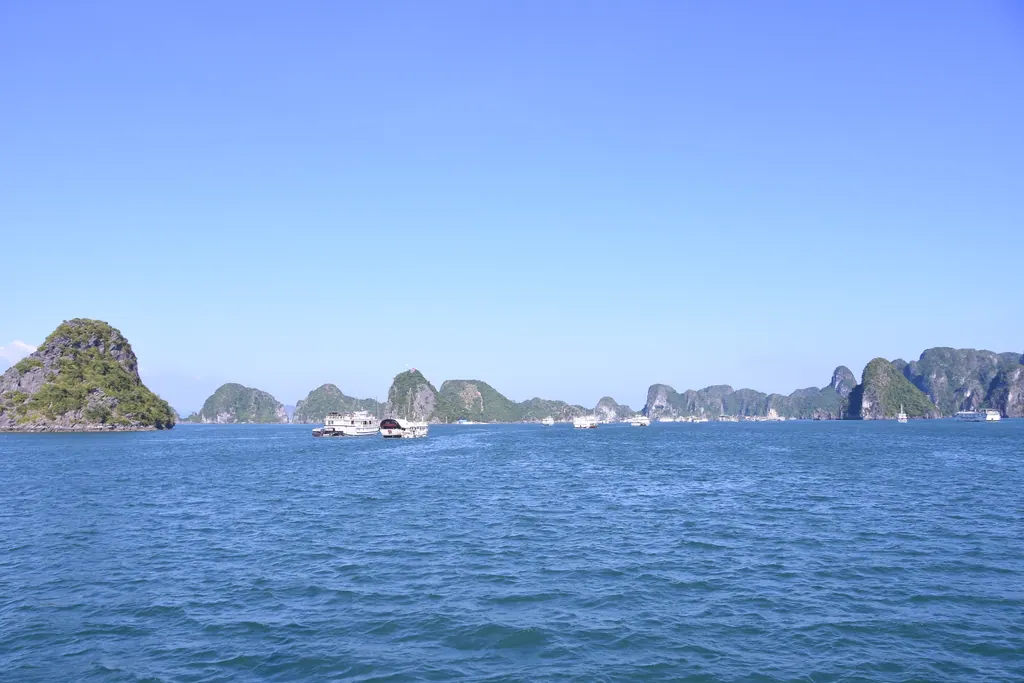
Ha Long Bay's cruise season never fully stops, but summer and early autumn bring a real chance of canceled trips. Tropical storms affect Vietnam's coasts from around May to November, according to the UK Foreign Office, and the storms that reach the north most often arrive between July and September. When a storm approaches, Quang Ninh province bans boats from going out, and cruises are canceled or cut short. When Typhoon Yagi hit in September 2024, the bay's management board suspended all tourism activities from September 7 to 9, and the tourist fleet only went back into normal service on September 13.
Sudden thunderstorms are a risk as well. In July 2025, the tourist boat Wonder Sea capsized in a violent squall in Ha Long Bay and more than 30 people died. The UK government advises travelers to check a boat's safety record, ask for a safety briefing and wear a life jacket. If your trip falls in summer, avoid booking the cruise for your last days before an international flight, so a cancellation doesn't wreck your plans. We cover more risks on our safety page.
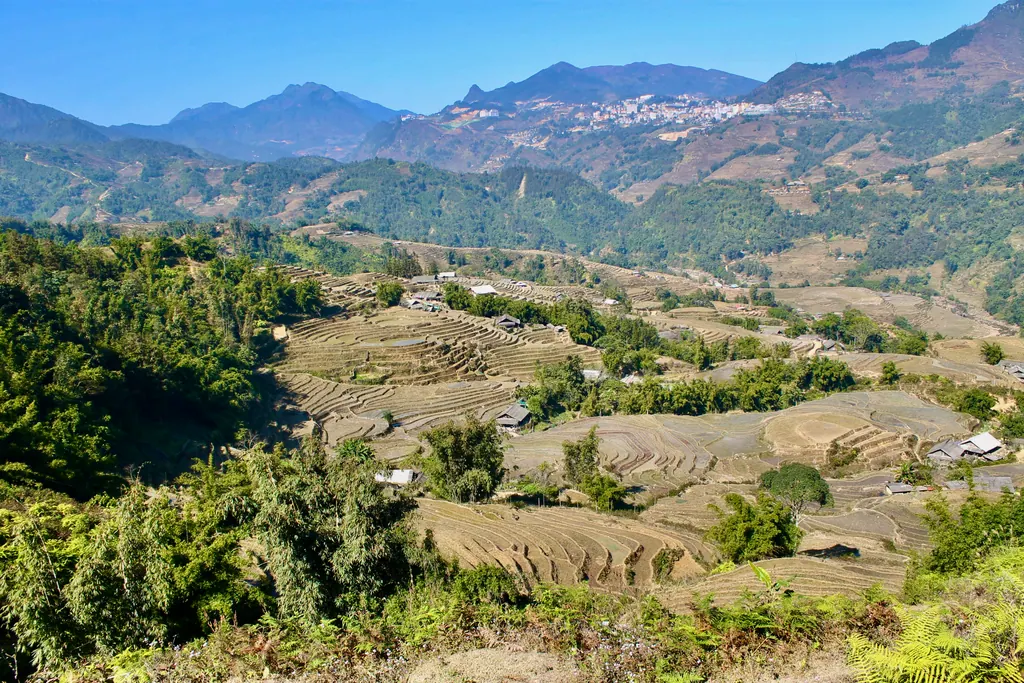
Sapa in frost and fog
Sapa sits around 5,200 feet (1,600 meters) up, and it's the coldest place most visitors will go in Vietnam. Average winter lows are around 43-45°F (6-7°C) in December and January, and when a strong cold spell arrives, frost and occasionally snow cover Fansipan, the highest mountain in Indochina. According to Vietnamese state media, frost on the peak is usually seen from December to February, and it draws crowds of domestic tourists. Trekking is possible in winter, but the trails can be cold and muddy, and many homestays have little heating.
For trekking, the best months are March-May, when the fields are being planted and the skies are often clear, and September to early October, when the terraces turn yellow before harvest. Summer is the wettest time, with more than 15 inches of rain a month in July and August, slippery trails and the occasional landslide on mountain roads.
When is the rainy season in Hue, Hoi An and Da Nang?
The center has the most dramatic weather in Vietnam. From September to December, the coast gets heavy rain, and October and November are the peak for flooding. Hue, which lies on the same rain belt, is typically even wetter than Da Nang.
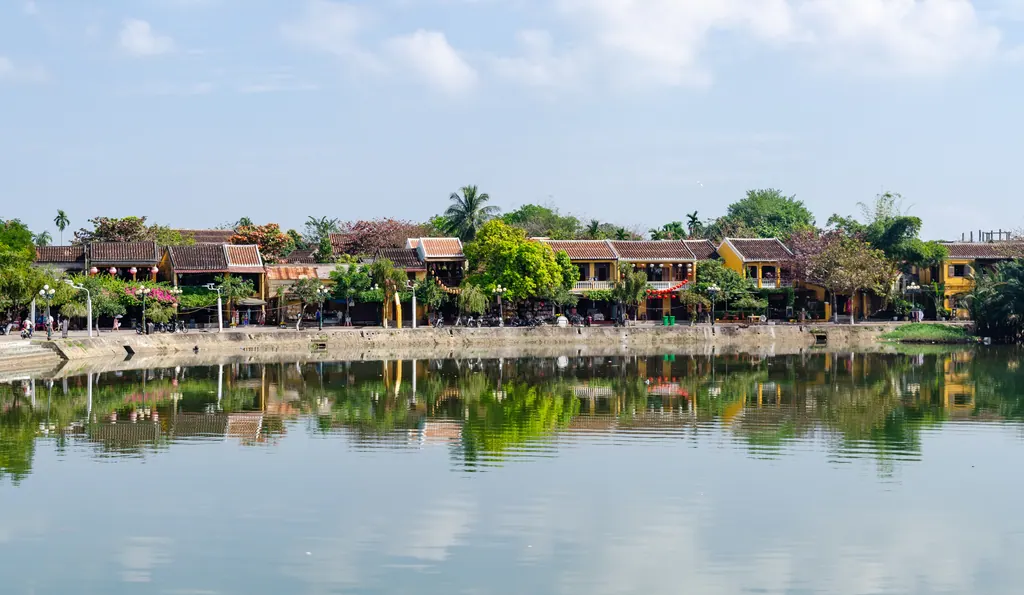
The floods are not an abstract risk. In late October 2025, Hue recorded 1,085 mm (about 43 inches) of rain in 24 hours, which Vietnam's meteorological agency called a national record. In Hoi An, the rivers rose to their highest levels in decades, residents moved through the old town by boat, and state media reported that around 40,000 tourists were moved to other hotels. Hoi An's riverside streets flood in some form most autumns, so expect closed shops and canceled lantern-boat trips in October and November, even in milder years.
The good months are February to May, when it's dry, sunny and not yet at peak heat. June to August is the beach season at Da Nang, with calm sea and highs in the mid 90s, and many Vietnamese families vacation there. If you can handle the heat, it's a solid choice, and it's the one region that stays fairly dry while the north and south get their summer rain.
When is the dry season in Ho Chi Minh City and the south?
From December to April, the south is reliably dry and sunny. December and January are the most comfortable months; by March and April the heat builds toward 95°F, and the humidity can be draining.
The wet season isn't a reason to skip the south. Showers usually come in the afternoon, often last an hour or two, and leave the mornings clear for sightseeing. Prices drop, and the countryside is green. The Mekong Delta is a special case: high water from roughly September to November floods fields and can disrupt some road travel, but it's also the season when the delta looks most like a water world.
Phu Quoc and Mui Ne
Phu Quoc is a classic dry-season island. From about November to April the sea is calm and clear, and the island gets its peak crowds around Christmas and Tet. From May to October the southwest monsoon brings rain and pushes waves onto the west coast, where Long Beach and most resorts are, so swimming conditions can be rough.
Mui Ne, on the coast east of Ho Chi Minh City, has one of the driest climates in the country. The strong, steady winds from about November to April make it Vietnam's kitesurfing hub, which is great on the water but less ideal if you want a calm beach day. The red and white sand dunes are at their best early in the morning, before the heat and wind pick up.
What about Dalat?
Dalat, at about 4,900 feet (1,500 meters) in the Central Highlands, has the climate Vietnamese people call eternal spring. Highs stay around 71-78°F (21-25°C) all year, and nights fall to about 53-62°F (12-16°C), so you need a light jacket in the evening even in April. The driest months are December to March, which is also the most popular time to visit. From May to October afternoon rain is common, but rarely ruins a full day. Dalat is a natural break if you're traveling through the hot south in March or April.
How does Tet change a trip?
Tet, the Lunar New Year, is the biggest holiday of the year, and it affects travel more than the weather does. In 2027, New Year's Day falls on February 6, and in August 2026 Vietnam's culture and tourism ministry backed a public holiday of around a week, from February 4 to 10, 2027. Check the final dates before you book.
In the week before Tet, trains, buses and domestic flights fill up as millions of people travel home, and prices go up. Then cities go quiet: many family-run restaurants, shops and market stalls close for three days or more, and some museums shorten their opening hours. Hotels, big restaurants and major sights mostly stay open, and some charge holiday surcharges. On the plus side, streets are decorated, flower markets pop up and the atmosphere is festive. If you go, book transport early and plan for a slower few days in one place.
So when should you go?
There's no month when all of Vietnam is perfect, so pick what matters most:
- One long trip from north to south: March and April are the best compromise. The north is warming up, the center is dry, and the south is hot but still dry. Late October and November work too if you skip or shorten the center.
- Mostly the north: October-November, or March-April for greener landscapes.
- Beaches in the center: February to August, with June-August for the calmest sea.
- Beaches in the south: December to April for Phu Quoc and Mui Ne.
- Lowest prices: May to September in the south, accepting afternoon rain.
For an overview of the rest of the country, see our Vietnam page, and browse more beach holidays or other trips in Asia.
Frequently asked questions
Is it worth visiting Vietnam in the rainy season?
Often, yes. In the north and south, rain usually comes as heavy afternoon showers, prices are lower and the landscapes are green. The exception is the central coast in October and November, when flooding can close Hoi An's old town and disrupt travel.
What is the best month for a trip from Hanoi to Ho Chi Minh City?
March and April are the best compromise. Hanoi is warming up, the central coast is dry and the south is still in its dry season, although it is very hot by April.
Is October a good time to visit Hoi An?
It is the riskiest month. October is the wettest month on the central coast, with about 26 inches of rain in Da Nang on average, and Hoi An's riverside streets often flood. February to May is a much safer choice.
Does it snow in Vietnam?
Rarely, and only in the far north. Frost forms on Fansipan near Sapa in most winters, usually from December to February, and strong cold spells occasionally bring snow to the peak and nearby mountains.
When is Tet in 2027?
The Lunar New Year falls on February 6, 2027. Vietnam's tourism ministry backed a public holiday from about February 4 to 10, 2027, so expect full transport the week before and closed family businesses for several days.
- World Meteorological Organization: Hanoi climate normals 1991-2020
- World Meteorological Organization: Da Nang climate normals 1991-2020
- World Meteorological Organization: Ho Chi Minh City climate normals 1991-2020
- UK Foreign Office: Vietnam travel advice, safety and security
- Vietnam News: Ha Long city welcoming tourists back after Typhoon Yagi
- Al Jazeera: Record rains drive flooding in Vietnam, submerging ancient city
- Tuoi Tre News: Vietnam ministry backs 7-day Lunar New Year break in 2027
- Vietnam News: Lao Cai's Fansipan peak covered in frost