December is when Costa Rica changes gear. The green season tails off, the Pacific coast dries out, and the first humpback whales from the north arrive along the southern shore. It is also when half of North America seems to have the same idea, especially in the last two weeks of the month.
So is December a good time to go? It depends on which coast you choose, which week you travel and how much you mind sharing the beach. Below we go region by region through the weather, then look at crowds, wildlife, the holiday festivals and the practical details for American travelers.
What Is the Weather Like in December?
Costa Rica is small, but its weather is regional. The mountains split the country into a Pacific side, which has a clear dry season, and a Caribbean side, which does not.
| Region | December weather | Typical daytime high |
|---|---|---|
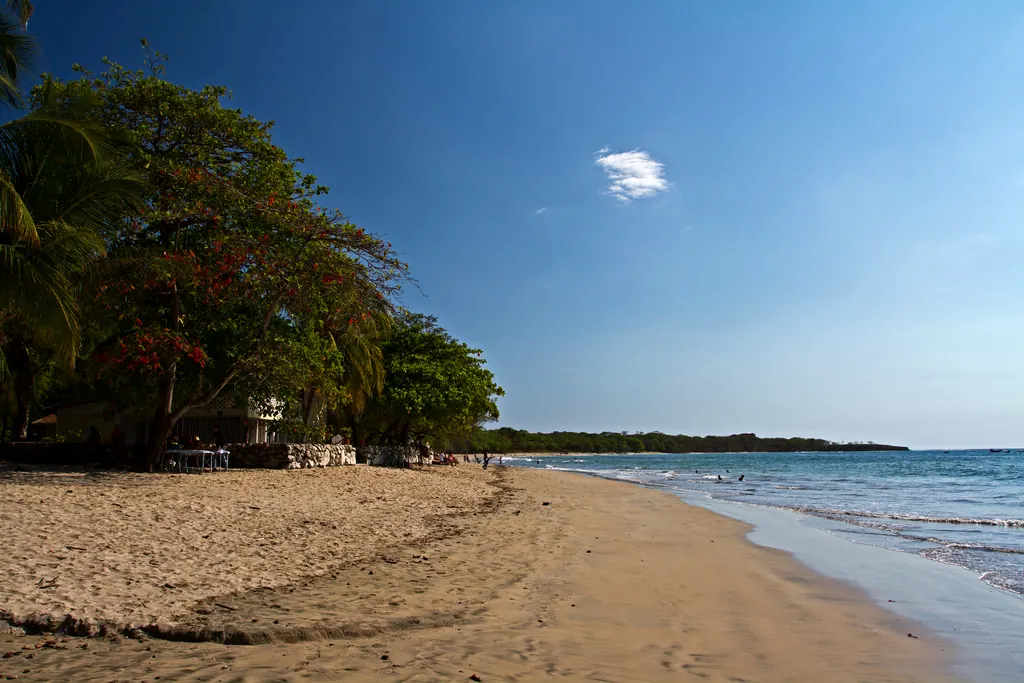
| Guanacaste and the Nicoya Peninsula (north Pacific) | Dry season has started. Sunny, hot and often windy, with very little rain | Around 90°F (32°C) |
| Central Pacific (Manuel Antonio, Jacó) | Mostly dry by mid-December, with a few showers early in the month | Upper 80s°F (about 31°C) |
| South Pacific (Uvita, Osa Peninsula) | Rain is easing, but showers are still common | Upper 80s°F (about 31°C) |
| Central Valley (San José) | Mostly dry and pleasant, with breezy afternoons | Mid-70s°F (about 24°C) |
| Arenal and Monteverde | Changeable. Mist, wind and passing showers are common, and Monteverde can feel cool | 60s-70s°F (about 16-24°C) |
| Caribbean coast (Puerto Viejo, Tortuguero) | One of the wettest months of the year | Low to mid-80s°F (about 28°C) |
If guaranteed sunshine is the goal, Guanacaste is the safest bet. Liberia, the main airport in the region, typically sees only a couple of rainy days in December. The Caribbean coast is the opposite: Puerto Viejo averages close to 15 inches (about 380 mm) of rain in the month. The rain there often falls at night and in the morning, but it is not the place for a pure beach week in December.
How Busy Does It Get, and When?
The first half of December is one of the best-value windows of the year. The weather on the Pacific side is already good, and the holiday rush has not started.
From around December 20 through the first days of January, the picture changes. This is peak season, with American and Canadian families on school break and Costa Ricans on their own holidays. Expect:
- The highest prices of the year for hotels, rental cars and flights.
- Minimum-night stays at many beach hotels.
- Popular national parks such as Manuel Antonio selling out their timed tickets.
- Fuller roads between San José and the beaches.
If you want to travel over Christmas or New Year's, book flights, lodging and the rental car as early as you can, and buy park tickets online before you arrive.
What Wildlife Can You See in December?
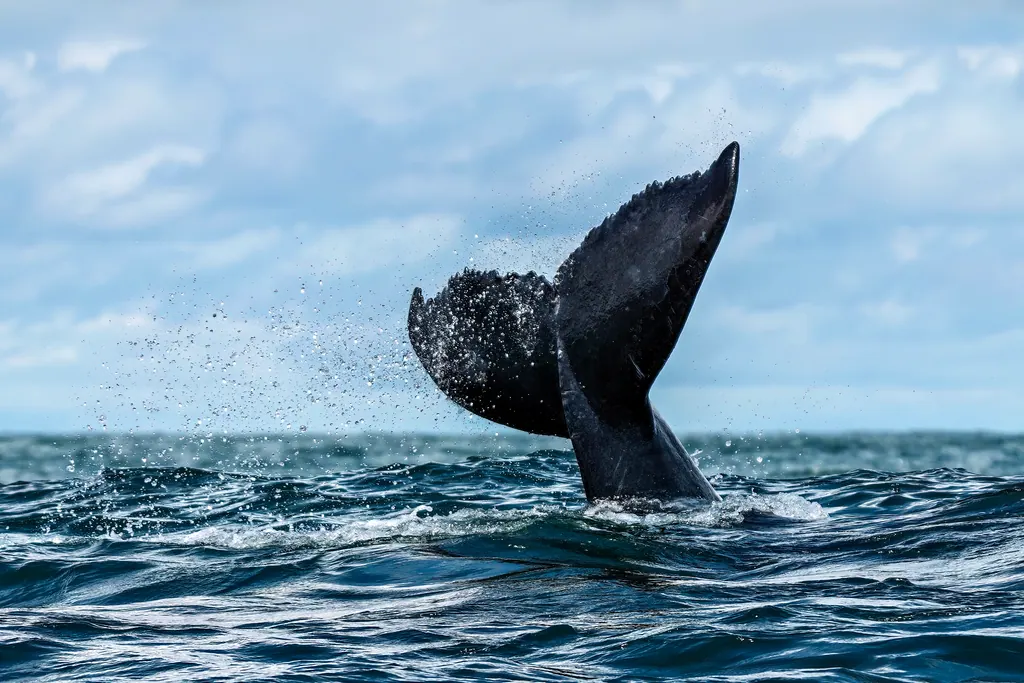
Humpback whales. Costa Rica gets two humpback populations a year. The northern group, from waters off the U.S. and Canada, arrives around December and stays into April. Ballena Marine National Park near Uvita is the best-known place to look, and boat tours from Uvita run through the season. Late December and January are a good window.
Sea turtles. Leatherbacks have historically nested on the north Pacific coast between October and February, but their numbers have dropped sharply, and sightings are rare. Olive ridley turtles nest in mass arrivals called arribadas at Ostional on the Nicoya Peninsula, which happen in many months of the year, but they are not guaranteed in December. Visits require an accredited local guide.
Birds and forest wildlife. Migratory birds from North America spend the winter in Costa Rica, joining the resident species. Sloths, monkeys, toucans and frogs are seen year-round, and the drier trails on the Pacific side are easier to walk in December than in October.
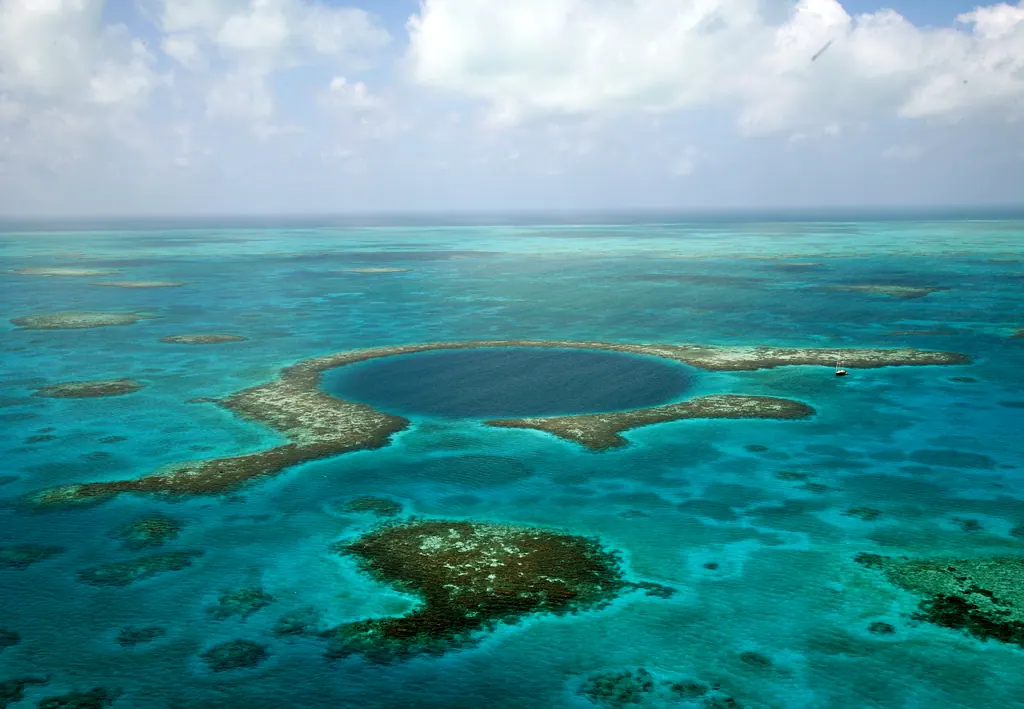
For more on the reefs and forests of the region, see our guide to wildlife in Belize, Honduras and Costa Rica.
Festivals and Holidays
December is the month when Costa Ricans celebrate the most, and several events are worth planning around:
- Festival de la Luz, San José. The capital's Christmas light parade, with floats, marching bands and giant balloons. In 2026 it takes place on Saturday, December 12, starting at 6 p.m. at Plaza de la Democracia.
- Fiestas de Zapote. A long-running year-end fair east of downtown San José with rides, food stalls and Costa Rican-style bullfighting, where amateurs jump into the ring and the bull is not killed. The 2026 edition is scheduled for December 25 through January 3.
- Tope Nacional. A huge horse parade through San José on December 26, 2026, from Plaza González Víquez to La Sabana.
- Juego de los Diablitos, Boruca. An Indigenous Boruca celebration with carved wooden masks and a ritual battle between the "little devils" and a bull, held from the night of December 30 through January 2 in the village of Boruca in the south.
Keep in mind that December 25 and January 1 are public holidays, and some businesses close or keep short hours.
Entry Rules and Safety for Americans
U.S. citizens do not need a visa for tourist visits to Costa Rica. As of November 2026, immigration can grant stays of up to 180 days, but the officer decides the length at the border. You need a passport valid for your whole stay, proof of a return or onward ticket and, if asked, proof that you can support yourself during the stay. The country's departure tax is usually included in airline tickets.
As of November 25, 2026, the U.S. State Department rates Costa Rica at Level 2: Exercise Increased Caution because of crime (advisory issued April 2, 2026). Petty theft is the most common problem for visitors, especially from rental cars and on beaches. Never leave bags in a parked car, avoid walking alone on dark beaches, and keep valuables out of sight. Our explainer on travel advisory levels shows what Level 2 means in practice.
On the practical side, the tap water is safe to drink in much of the country, though not everywhere, as our guide to drinking the water in Costa Rica explains. U.S. dollars are widely accepted, but the local currency is the colón, at roughly 450 colones to the dollar in late 2026.
A December Plan That Works
For a first trip in December, a simple split works well:
- Start in Arenal or Monteverde for three or four nights. Hike, see the volcano when the clouds lift, cross hanging bridges in the cloud forest and soak in hot springs. Bring a rain jacket and a warm layer.
- Finish on the Guanacaste coast for four or five nights. This is where December delivers almost daily sunshine. Fly home from Liberia to avoid the drive back to San José.
If whales are the priority, swap Guanacaste for Uvita and the south Pacific, and accept a few more showers. If you love the Caribbean side, save it for September or October, when it is at its driest. And if you are traveling between Christmas and New Year's, book now: December rewards early planners more than any other month in Costa Rica. You can find more ideas on our Costa Rica page.
Frequently asked questions
Is December a good time to visit Costa Rica?
Yes for the Pacific side, where the dry season has started. The Caribbean coast is often rainy in December, and prices and crowds peak from around December 20 to early January.
Is it rainy in Costa Rica in December?
Guanacaste and the north Pacific are mostly dry, while the Caribbean coast is one of the wettest parts of the country in December. Arenal and Monteverde get passing showers and mist.
Can you see whales in Costa Rica in December?
Yes. Humpback whales from the Northern Hemisphere arrive around December and stay into April, and Ballena Marine National Park near Uvita is the best-known area to see them.
Do Americans need a visa for Costa Rica?
No. As of November 2026, U.S. citizens can visit as tourists without a visa, with stays of up to 180 days decided at the border. You need a valid passport and an onward or return ticket.