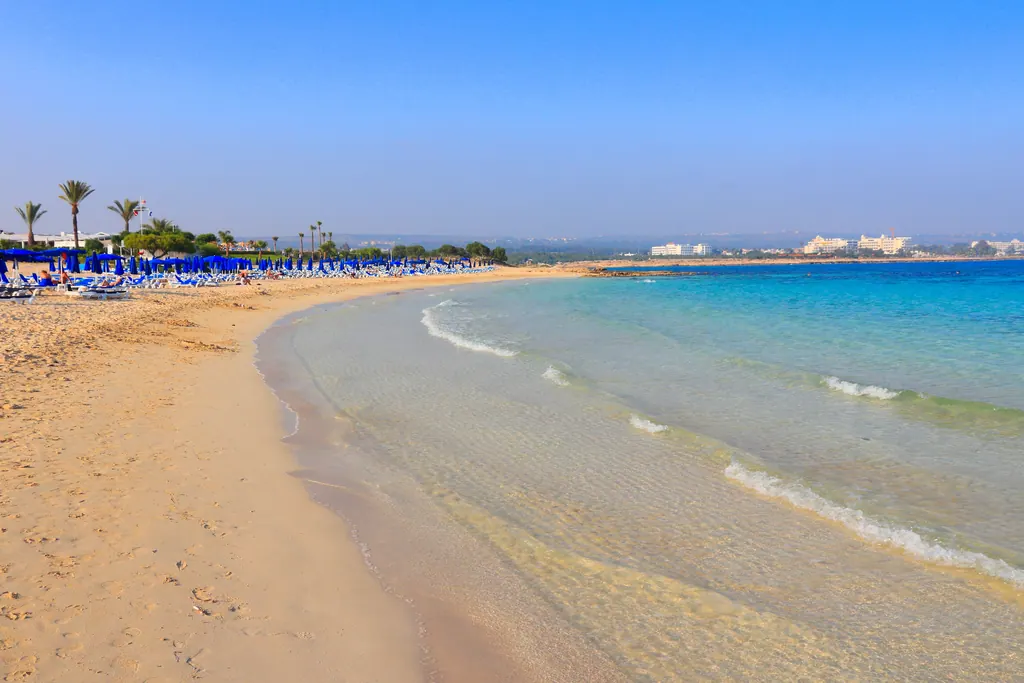
Cyprus sits in the far eastern corner of the Mediterranean, closer to Beirut than to Athens. Look at a map and the question almost asks itself: is it safe to go there? Then talk to anyone who has spent a week in Paphos or Ayia Napa, and you mostly hear about beaches, grilled halloumi and how easy the island was to get around.
Both reactions make sense. Below we go through what the U.S. State Department currently says, what happened on the island earlier in 2026, the split between north and south, and the everyday risks that are more likely to affect your trip than anything in the news. Everything is as checked on November 2, 2026. Advisories can change quickly, so check again shortly before you travel.
What the State Department Says Right Now
As of June 1, 2026, the U.S. State Department rates the Republic of Cyprus at Level 1: Exercise Normal Precautions, the lowest of its four levels.
The advisory carries one standing warning: do not enter the United Nations buffer zone that runs across the island, except at the official crossing points. The zone separates the Republic of Cyprus in the south from the Turkish Cypriot-administered area in the north, and it is patrolled.
The UK government's travel advice, which is followed by the large number of British visitors to Cyprus, describes crime against tourists as uncommon.
Why Cyprus Was in the News in 2026
Cyprus did not stay at Level 1 all year. In early March 2026, during the hostilities between the U.S. and Iran, a drone struck a building in one of the British Sovereign Base Areas on the island on March 2. Two days later, on March 4, the State Department raised Cyprus to Level 3, and some flights to the region were disrupted.
The advisory was lowered again on June 1, 2026. That history is worth knowing for two reasons. First, the island's location means that conflicts in the region can affect it, especially through airspace closures and flight cancellations. Second, the advisory system responded fast in both directions. If tensions rise again, you will likely see it on the advisory page before it affects daily life in Limassol.
Practical takeaway: enroll in the State Department's Smart Traveler Enrollment Program (STEP) so you get alerts, and choose bookings you can change. If your flight is disrupted on the way home, our guide to EU flight delay compensation explains what airlines owe you on flights departing from Cyprus.
North and South: The Line Through the Island
Since 1974, Cyprus has been divided. The internationally recognized Republic of Cyprus controls the south, which is where almost all American visitors stay: Paphos, Limassol, Larnaca, Ayia Napa and the Troodos Mountains. The north is administered by Turkish Cypriot authorities and is recognized as a state only by Turkey.
For visitors, this has a few concrete consequences:
- Enter Cyprus through the south. The Republic of Cyprus treats arrival through Ercan Airport or ports in the north as illegal entry. Use Larnaca or Paphos airports, or the ports of Limassol, Larnaca or Paphos.
- Crossing for a day trip is common. Many visitors walk across at the Ledra Street crossing in Nicosia to see the northern half of the old city. Bring your passport.
- Help is limited in the north. The State Department rates the north one level higher, at Level 2, and notes that the U.S. Embassy has limited ability to help Americans there.
- Rental cars need separate insurance. Insurance from rental companies in the south usually does not cover the north. You can buy local insurance at the crossing points, such as Agios Dometios in Nicosia.
Everyday Crime and Nightlife
Day to day, Cyprus feels relaxed. Violent crime against visitors is rare, and most problems are the kind you would guard against anywhere: bags left on beach loungers, phones on café tables, and unlocked rental cars.
The main risk sits in nightlife areas, Ayia Napa in particular. The UK government warns about drink spiking, so do not leave drinks unattended and do not accept drinks from strangers.
Cyprus also has strict drug laws, and they are enforced. That includes cannabis and nitrous oxide (laughing gas), which are sometimes sold in party areas. Possession can lead to arrest and prison, and being a tourist is not an excuse.
On the Road
The biggest safety risk for most visitors is driving. Cyprus drives on the left, a legacy of British rule, and rental cars are usually right-hand drive. The UK government describes local driving standards as poor, and mountain roads in the Troodos are narrow, steep and winding.
Some practical points:
- Take the full insurance, and photograph the car before you leave the lot.
- Rental companies are not allowed to keep your passport as a deposit, even if they ask.
- Avoid driving after drinking. Police run checks, and penalties are high.
If you are nervous about driving on the left, the intercity bus network connects the main towns and the airports at low prices.
Heat, Wildfires and the Sea
Summer is the real weather hazard. Inland temperatures in July and August can climb above 100°F (38°C), and the coast is not much cooler. Drink more water than you think you need, and do your sightseeing in the morning.
The risk of wildfires is high from about April through October. Never light fires outdoors, and follow any closures or evacuation orders.
At the beach, watch for warning flags and currents, especially on windy days. Cyprus also lies in an earthquake zone. Strong quakes are infrequent, but it is worth knowing to drop, cover and hold on.
The emergency number is 112, as in the rest of the EU.
Entry Rules for Americans
U.S. citizens can visit Cyprus visa-free for up to 90 days within any 180-day period. Cyprus is in the EU but not in the Schengen area, so days in Cyprus are counted separately from days in, for example, Greece or Italy.
You may have heard of ETIAS, the EU's planned travel authorization. As of October 19, 2026, it is not in operation and has no start date. When it does start, the fee is planned at 20 euros (about $22 in 2026). Until then, a valid passport is all you need.
So, Should You Go?
For a normal beach or city trip in the south, Cyprus is among the more relaxed places to travel in Europe. The real risks are traffic, heat and nightlife, not crime or conflict. The one thing that sets Cyprus apart is its location, so check the advisory before you go and keep your plans flexible. Find more safety guides and destinations in Europe on Travel80.
Frequently asked questions
Is Cyprus safe to visit right now?
As of June 1, 2026, the State Department rates the Republic of Cyprus at Level 1, Exercise Normal Precautions. It was briefly raised to Level 3 in March 2026 during regional hostilities, so check the advisory before you travel.
Is it safe to visit Northern Cyprus?
Day trips across the official crossings are common. The State Department rates the north at Level 2 and notes that the U.S. Embassy has limited ability to help there. Enter and leave Cyprus through the south.
Do Americans need a visa for Cyprus?
No. U.S. citizens can stay up to 90 days in any 180-day period without a visa. Cyprus is not in the Schengen area, so its days are counted separately.
Which side of the road do they drive on in Cyprus?
On the left. Rental cars are usually right-hand drive, and mountain roads in the Troodos are narrow and winding.
What is the emergency number in Cyprus?
Call 112 for police, ambulance or fire, as in the rest of the EU.