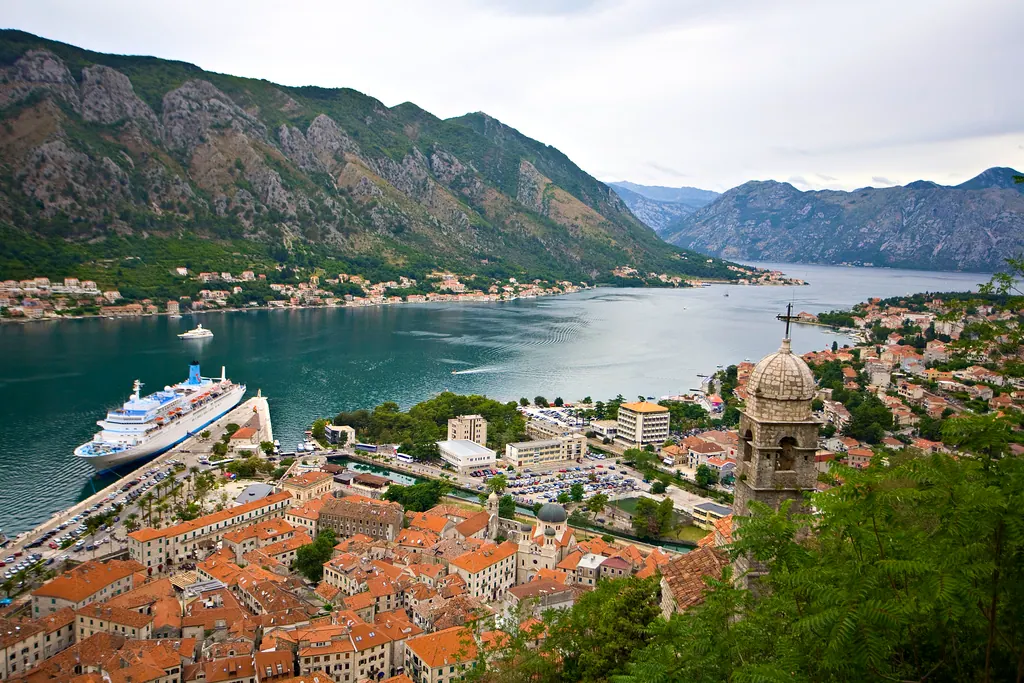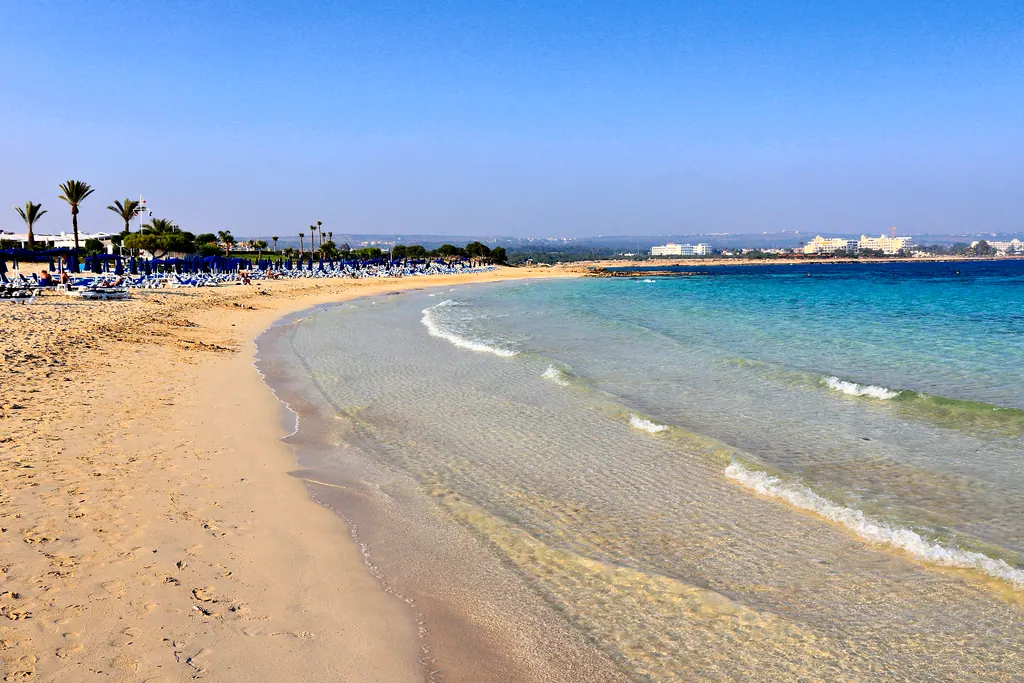
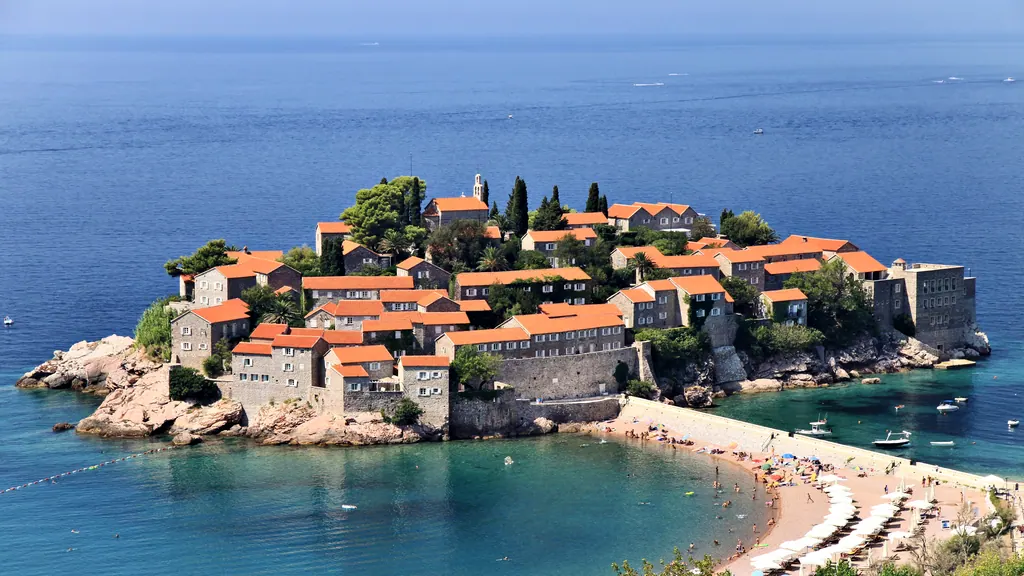
Montenegro is small enough to cross in an afternoon. About 620,000 people live in a country that squeezes a fjord-like bay, Venetian walled towns, a sandy Riviera and one of the deepest canyons in Europe into an area a bit smaller than Connecticut. Each summer the coast fills with cruise passengers and European sun seekers, and a growing number of Americans add it to a Croatia or Balkans trip.
Many of them have the same question before they book. The country was part of Yugoslavia until the 1990s, it is not in the European Union, and news reports occasionally mention organized crime. So how safe is Montenegro for an American visitor in 2026? We looked at the official advice, the real risks on the ground and the rules that trip people up.
What the U.S. State Department Says
As of November 23, 2026, the U.S. Department of State rates Montenegro Level 1: Exercise Normal Precautions, the lowest of its four advisory levels. The current advisory was issued on August 27, 2026, with no change to the level, and its summary describes Montenegro as generally a safe destination for travelers. If you are unsure what the four levels mean in practice, our guide to travel advisory levels explains them.
The UK Foreign Office publishes more detail than the U.S. advisory. Its advice for Montenegro focuses on everyday crime, driving, outdoor activities and wildfires, which matches what we found.
Crime: What Visitors Actually Run Into
Violent crime against tourists is rare. The problems visitors meet are the same ones you find in most Mediterranean resort areas, and they peak in July and August, when Kotor, Budva and the beaches are at their busiest.
- Pickpockets and bag snatching. The UK advice warns about pickpockets in tourist hot spots, beaches, airports and on public transport. Kotor's Old Town on a day with several cruise ships in port and the beach promenades in Budva are the obvious places to keep a hand on your bag.
- Things left in cars. Do not leave luggage or valuables in a parked car, especially at trailheads and beach parking lots.
- Card skimming. Use ATMs inside banks where you can, and keep your card in sight when paying.
- Taxi overcharging. Use licensed taxis with a roof sign and company name, or a taxi app, and agree on the fare or check the meter before you set off. At Podgorica Airport, use the licensed taxis in front of the terminal.
Montenegro does have organized crime groups, and there have been shootings and car bombings between rival clans in recent years. These attacks target people involved in the groups. The UK Foreign Office notes that such violence can affect people nearby, so the sensible advice is the same as anywhere: stay away from confrontations and leave an area if something feels wrong. It is not a reason for an ordinary visitor to skip the country.
The Roads Are the Bigger Risk
If anything in Montenegro deserves more caution than usual, it is driving. Most of the country is mountains, and many of the most beautiful routes are narrow, steep and full of hairpin bends. The old road from Kotor up to Lovćen National Park is famous for its 25 switchbacks, and the Morača Canyon road between Podgorica and the north is often singled out as dangerous in bad weather and heavy traffic.
A few things to know before you rent a car:
- Summer traffic is slow. Coastal roads and border crossings get badly congested in July and August, so plan on longer journey times than your GPS suggests.
- Fines are strict. According to the UK advice, police can fine you for going just 10 km/h (about 6 mph) over the limit, and serious speeding or dangerous overtaking can mean losing your license on the spot.
- Pay fines properly. Traffic fines are paid at a bank or post office, typically within 8 days or before you leave the country. Never hand cash to anyone at the roadside.
- Watch out as a pedestrian. Drivers do not always stop at crossings, and the green walking signal can also let cars turn across the crossing.
If you would rather not drive the serpentines yourself, organized day trips and local buses cover the main sights on the coast.
Mountains, Sea and Wildfires
Montenegro's nature is a big part of its appeal, and also where most of the serious incidents happen.
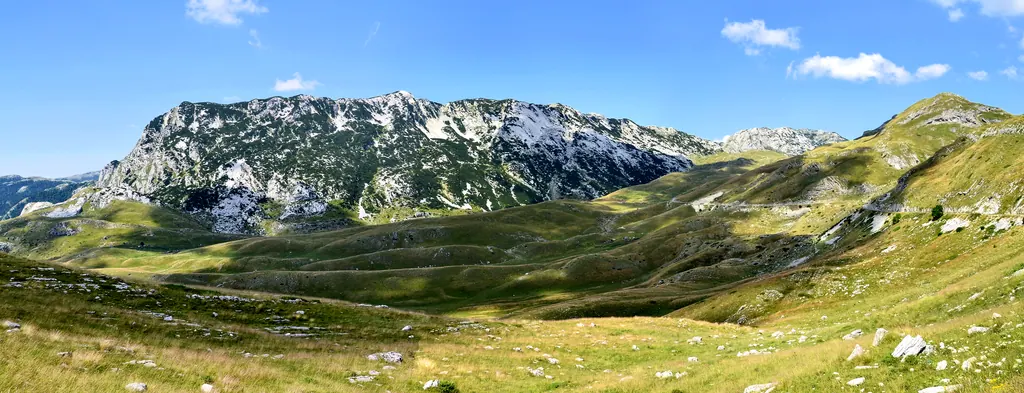
Hiking. Durmitor National Park and Prokletije in the north have proper alpine terrain, and the UK Foreign Office notes that hikers have got lost after leaving marked paths. Weather changes quickly above the tree line. Start early, tell someone your route, carry water and a charged phone, and consider a local guide for the higher peaks.
Swimming and water sports. Follow beach flags and lifeguards, and watch for speedboats and jet skis close to shore in summer. If you rent a jet ski or book a paragliding flight over Budva, ask for a safety briefing and check that your travel insurance covers it.
Wildfires. Fires are common from April to October in hot, dry weather. Never light a barbecue outside marked areas, and call 112 if you see smoke.
Earthquakes. Montenegro lies in a seismically active zone and small tremors happen throughout the year. The last major earthquake, in 1979, badly damaged the coast, including Kotor and Budva.
Rules That Can Get You Fined
Some of the most common problems for visitors are paperwork, not crime.
- Register your stay. All visitors must be registered with the police or local tourist office within 24 hours of arrival. Hotels and most rental hosts do this for you. If you stay with friends or in private accommodation where the host does not register you, you have to do it yourself. The State Department warns that skipping it can lead to fines, deportation or difficulties when you leave.
- Carry ID. You are required to carry identification such as your passport, and police can fine you if you do not have it on you.
- No visa for short trips. U.S. citizens can stay up to 90 days in any 180-day period without a visa. Montenegro is not in the Schengen area, so days spent there do not count toward your Schengen 90 days.
- No photos of police or military sites. Photographing police or military installations and personnel is illegal.
- Drugs. Penalties for drug offenses, including cannabis, are severe.
The local currency is the euro, which Montenegro uses even though it is not an EU member, so there is no exchange rate to worry about if you arrive from Croatia or Italy.
Is Montenegro Safe for Solo and Female Travelers?
Generally, yes. Montenegro's Level 1 rating carries no special warnings for women, and solo travelers commonly move between Kotor, Budva, Podgorica and the national parks by bus. The usual city advice applies: avoid isolated areas late at night, use licensed taxis or an app, and watch your drink in busy summer bars on the Budva Riviera.
LGBTQ+ travelers should know that the country is more conservative than Western Europe outside the main tourist areas. The UK Foreign Office says same-sex couples are generally tolerated but that public displays of affection can draw negative attention.
Practical Safety Checklist for Montenegro
Before you go:
- Enroll in the State Department's Smart Traveler Enrollment Program so the U.S. Embassy in Podgorica can reach you in an emergency.
- Buy travel insurance that covers medical evacuation and any activities you plan, such as rafting on the Tara or paragliding.
- Save the emergency numbers: 112 for all emergencies, 122 for police and 124 for an ambulance.
On the ground:
- Visit Kotor early in the morning or late in the afternoon to avoid the cruise crowds, which is also when pickpockets have less cover.
- Drive the mountain roads in daylight, and take it slowly.
- Make sure your accommodation has registered you, and keep the paperwork until you leave.
If you are still choosing where to base yourself, our guide to the Bay of Kotor covers the towns around the bay, and our Montenegro page collects everything we have written about the country.
Frequently asked questions
Is Montenegro safe for American tourists?
Yes, generally. As of November 23, 2026, the U.S. State Department rates Montenegro Level 1: Exercise Normal Precautions, its lowest advisory level.
Do Americans need a visa for Montenegro?
No. U.S. citizens can stay up to 90 days in any 180-day period without a visa, and the days do not count toward the Schengen limit.
Do I have to register in Montenegro?
Yes. Visitors must be registered with the police or local tourist office within 24 hours. Hotels and most hosts do it for you, but in private accommodation you may have to do it yourself.
Is it safe to drive in Montenegro?
It is possible, but the mountain roads are narrow and winding, summer traffic is heavy and speeding fines are strict. Drive in daylight and allow extra time.
What currency does Montenegro use?
Montenegro uses the euro, even though it is not a member of the European Union.