Picture two trips to Italy of the same length. On the first, you see Rome, Florence, Venice, Milan and the Amalfi Coast in ten days, and you remember train platforms, hotel check-ins and a blur of very good gelato. On the second, you rent an apartment in one Tuscan town, walk to the same café every morning, take the bus to a different hill village each afternoon and learn the name of the woman at the bakery.
Both are real vacations. But a growing number of travelers say the second one is the trip they actually remember, and there is a name for it. Here is where slow travel comes from, what it looks like in practice, and how to try it even if you only have a week or two of vacation.
Where Does Slow Travel Come From?
The idea grew out of food, not travel. In 1986, the Italian journalist Carlo Petrini helped organize a protest against the opening of a McDonald's near the Spanish Steps in Rome. The movement that followed became Slow Food, which formally launched with a manifesto signed in Paris in 1989. Its message was simple: local food, made with care and eaten without hurry, is worth defending.
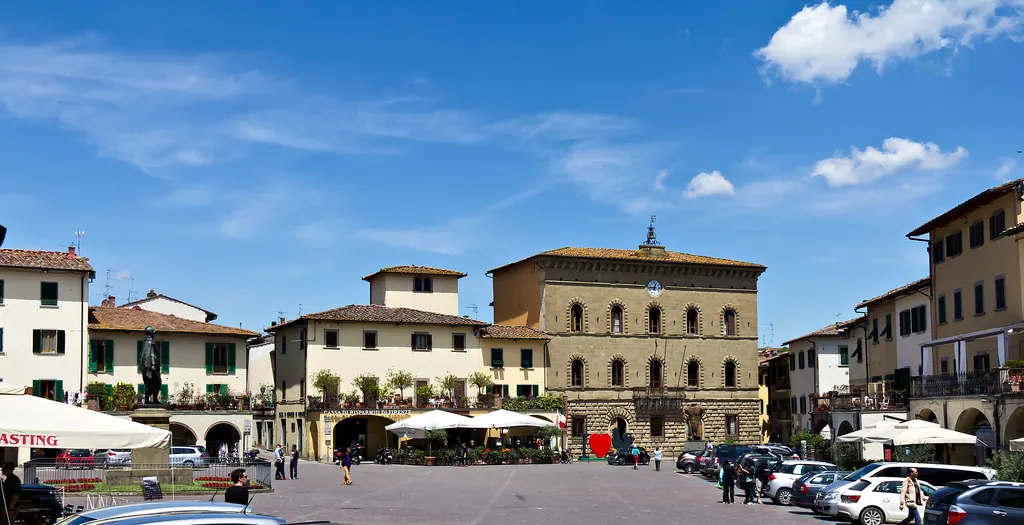
Ten years later, in 1999, a group of Italian mayors led by the town of Greve in Chianti applied the same thinking to whole towns and founded Cittaslow, the "slow cities" network. Member towns commit to things like local produce, walkable centers and protecting their character. According to Cittaslow International, the network had 313 member towns in 33 countries and territories in 2026.
Slow travel borrows that philosophy. It is less a set of rules than an attitude: fewer places, more time in each, and a deliberate effort to experience a place the way people who live there do.
What Does Slow Travel Look Like in Practice?
There is no official definition, but most slow travelers share a few habits:
- One base instead of many. Staying a week or more in one place, and taking day trips from there, rather than changing hotels every night or two.
- Getting around on the ground. Trains, buses, ferries, bikes and your own feet, which let you see the landscape between destinations rather than skipping over it.
- Living, not just visiting. Shopping at the local market, cooking some meals in an apartment kitchen, going back to the same restaurant until they recognize you.
- Leaving room for nothing. Unplanned afternoons are part of the point. Some of the best travel moments happen when there is no schedule to keep.
- Depth over checklists. One region seen properly instead of a country seen from a tour bus window.
The approach works almost anywhere, but some places suit it especially well: rural Italy and France, the Greek islands outside high season, Portugal, Japan's countryside with its excellent rail network, and closer to home, a small town in New England or a stretch of the Pacific Northwest coast.
How Is Slow Travel Different From Just a Long Vacation?
Time helps, but it is not the whole story. A three-week trip that crams in twelve cities is not slow travel. A long weekend spent entirely in one neighborhood of Lisbon, wandering, eating and sitting in squares, arguably is.
The difference is in the pace. Slow travel means choosing depth over breadth on whatever time you have. For most American travelers, with limited vacation days, that usually means cutting the number of stops in half rather than doubling the length of the trip.
Is Slow Travel Cheaper?
Often, yes, though it depends on how you do it.
| Where you save | Where it can cost more |
|---|---|
| Weekly and monthly rental rates are often lower per night than hotels | A longer trip means more nights of accommodation in total |
| Fewer flights and long transfers between destinations | Trains can cost more than budget airlines on some routes |
| Cooking some meals instead of eating out three times a day | Rural bases may require a rental car for day trips |
| Less money spent on rushed tours and taxis | Popular places in high season are expensive no matter how slowly you go |
The biggest saving is usually transport. Every move between cities costs money and half a day. Cut four moves from a two-week itinerary and you gain both.
How Long Can Americans Stay Abroad?
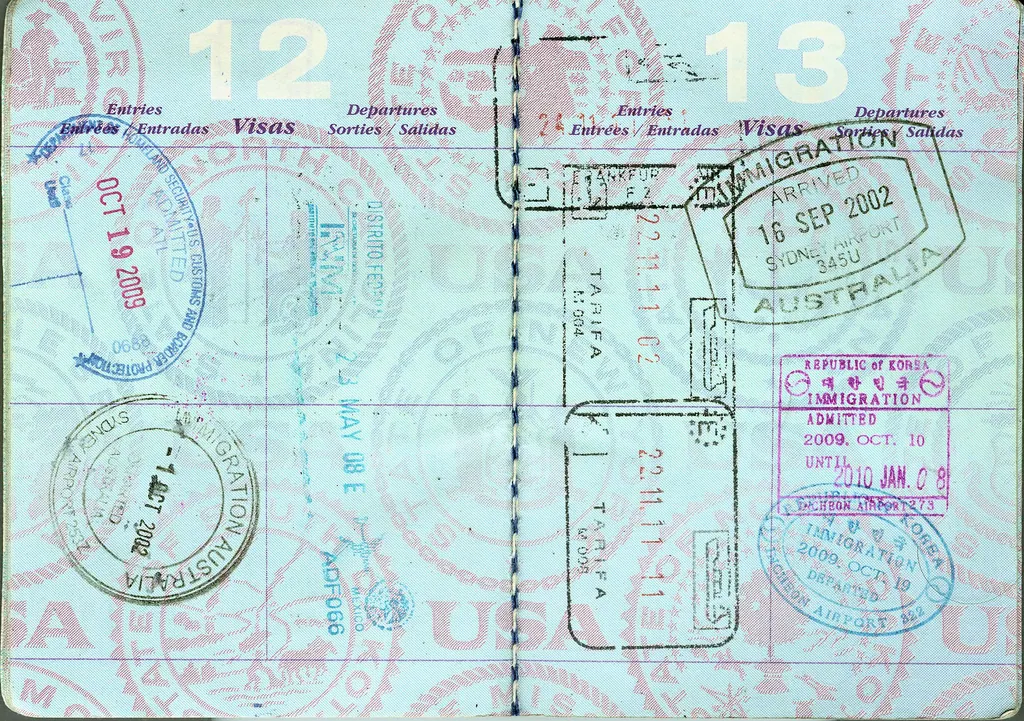
If slow travel turns into a month or more, entry rules start to matter. U.S. citizens can visit the Schengen area, which covers most of the European Union plus Iceland, Norway, Switzerland and Liechtenstein, without a visa for up to 90 days in any 180-day period. Those days add up across all Schengen countries, so a month in Italy followed by two months in France uses the full allowance.
Other countries have their own limits. Always check the official entry requirements for each country on travel.state.gov before you plan a long stay, and remember that tourist entry does not allow you to work locally. Several countries offer special long-stay or remote-work visas, but the rules change often and vary widely.
Is Slow Travel Right for You?
It is not for everyone, or for every trip. If you are going to Europe for the first time and want to see the Eiffel Tower, the Colosseum and Big Ben, a faster itinerary might be exactly right. Slow travel also requires accepting that you will miss things. There will always be a famous sight one region over that you did not see.
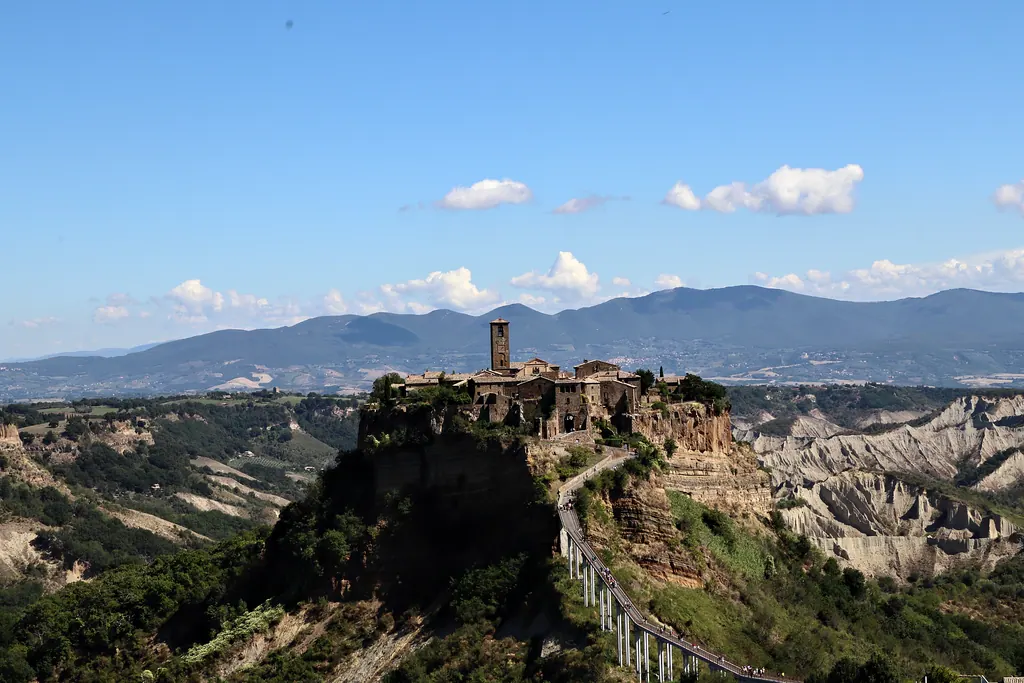
But if you have done the highlights tour before, or if you come home from vacations more tired than when you left, it is worth a try. Places like Civita di Bagnoregio, the hilltop village in Lazio that day-trippers visit for an hour, look entirely different in the evening after the tour groups have gone.
How to Try Slow Travel on Your Next Trip
You do not need a sabbatical to start. A few simple changes make a difference:
- Halve your stops. If your plan has six cities, pick three. If it has three, pick one or two.
- Book a week in one place. Look for an apartment with a kitchen, ideally in a town small enough to walk.
- Choose trains over planes where the distance allows. Our guide to winter train rides in Europe shows how scenic the journey itself can be.
- Plan one thing per day, at most. Let the rest happen.
- Return to the same places. A café, a market stall or a walk you repeat becomes part of your own story of a place.
Slow travel is also a natural fit for travelers who see travel as a lifelong hobby rather than a series of trips. If that sounds like you, browse more ideas under Travel Life, or read about whether a layover counts as visiting a country, the eternal debate among people who count them.
Frequently asked questions
What is the meaning of slow travel?
Slow travel means visiting fewer places and spending more time in each, getting around on the ground and experiencing a destination more like a local than a sightseer.
Where did the slow travel movement start?
It grew out of the Slow Food movement, which began in Italy in 1986, and the Cittaslow network of slow towns founded in Greve in Chianti in 1999.
Is slow travel cheaper than regular travel?
Often, because weekly rentals, fewer transfers and home cooking cut costs. A longer trip still means more nights to pay for in total.
How long can Americans stay in Europe for slow travel?
U.S. citizens can stay in the Schengen area without a visa for up to 90 days in any 180-day period, counted across all Schengen countries.