Ask a group of long-term travelers where their money lasted longest, and South America comes up again and again. Not the whole continent, though. Chile, Uruguay and the Falklands can rival the U.S. on price, and Argentina's prices swing so fast that any budget is out of date within months. The bargains are elsewhere, often in the countries that see fewer American visitors than they deserve.
We picked five where a modest budget still buys a big trip in 2026: salt flats and cable cars, Inca roads and Amazon lodges, colonial towns and Jesuit ruins most travelers have never heard of. Each comes with an honest note on what the money saves you, where it stops stretching, and what the U.S. State Department says about safety.
Bolivia: Salt Flats at Andean Prices
Bolivia has long been the cheapest country in South America for travelers, and 2026 made it even more so for anyone holding dollars. After the boliviano was allowed to float, the official rate moved from about 7 bolivianos to the dollar at the start of the year to around 11.9 in late November 2026, according to Bolivia's central bank. At the same time, the country dropped its $160 tourist visa for Americans on December 1, 2025. U.S. citizens can now stay up to 90 days a year visa-free.
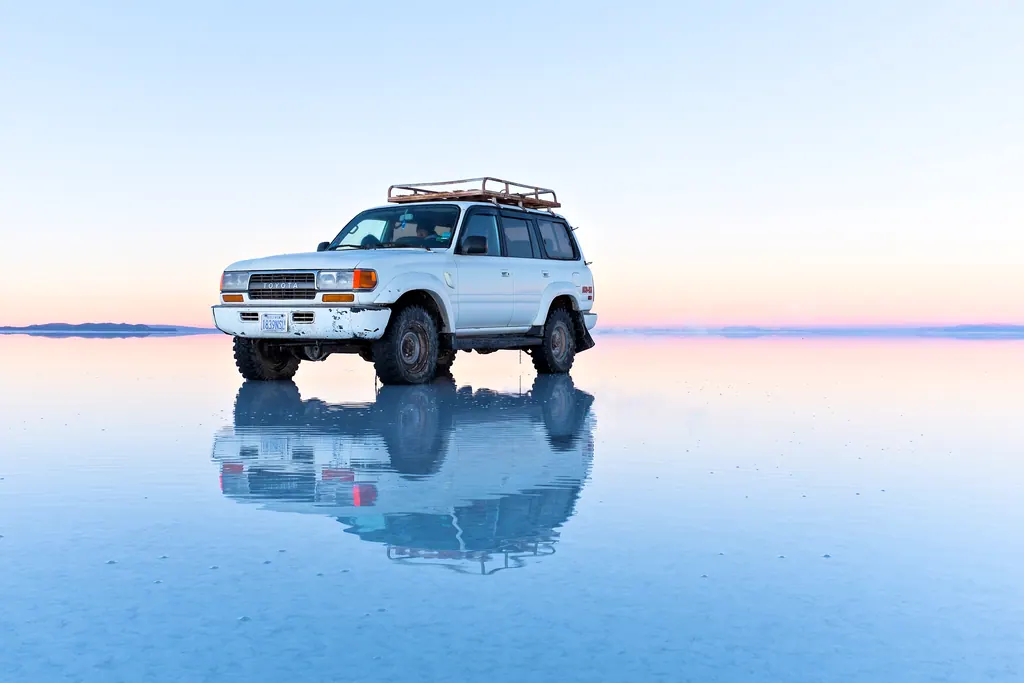
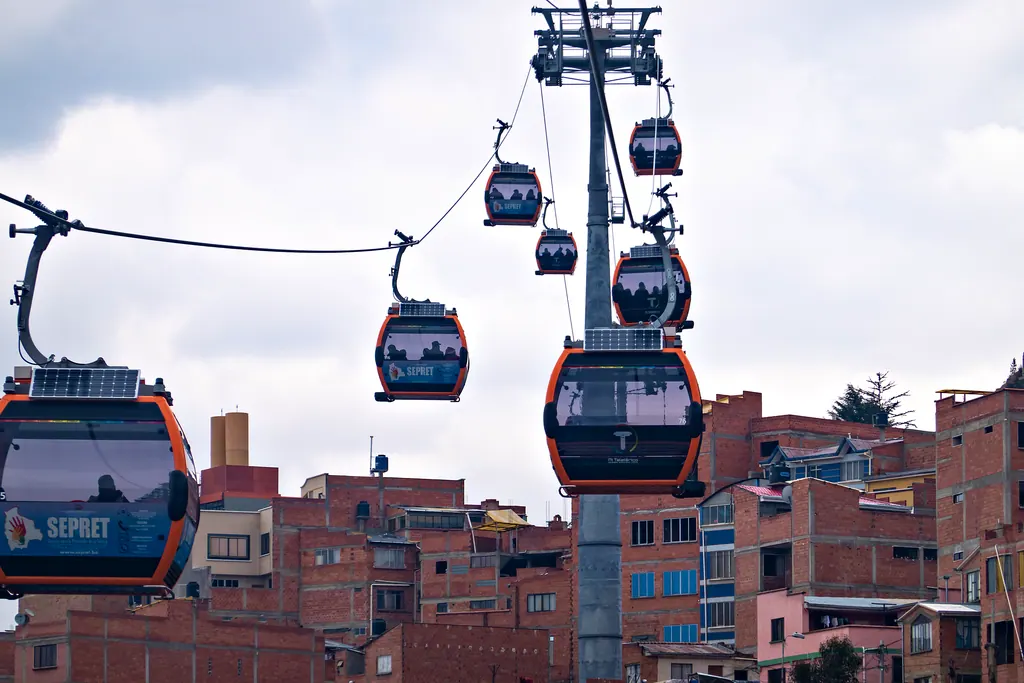
The headline sight is the Salar de Uyuni, the world's largest salt flat, which turns into a giant mirror when a thin layer of rainwater covers it, usually between December and March. Multi-day jeep tours from the town of Uyuni continue south past colored lagoons, flamingos and geysers toward the Chilean border. In La Paz, the city's cable car network, Mi Teleférico, carries you over the rooftops for 3 bolivianos (about $0.25 in 2026), one of the best-value sightseeing rides anywhere. Lake Titicaca and the colonial towns of Sucre and Potosí round out a classic route.
Where the budget breaks: Very little, apart from comfortable private tours on the salt flats. The real cost is physical. La Paz sits at roughly 11,900 feet (3,600 meters), and much of the route is higher.
Safety: As of November 29, 2026, the State Department rates Bolivia Level 2 (Exercise Increased Caution) for crime and civil unrest. Road blockades during protests can strand travelers for a day or more, so leave slack in your plans.
Peru: The Inca Trail Without the Luxury Markup
Peru is not as cheap as Bolivia, but it delivers more famous sights per dollar than almost anywhere in the Americas. The sol traded at around 3.48 to the dollar in late November 2026. Simple guesthouses, set lunch menus called menú del día and long-distance buses keep everyday costs low, and the food scene in Lima is world class at almost every price point.
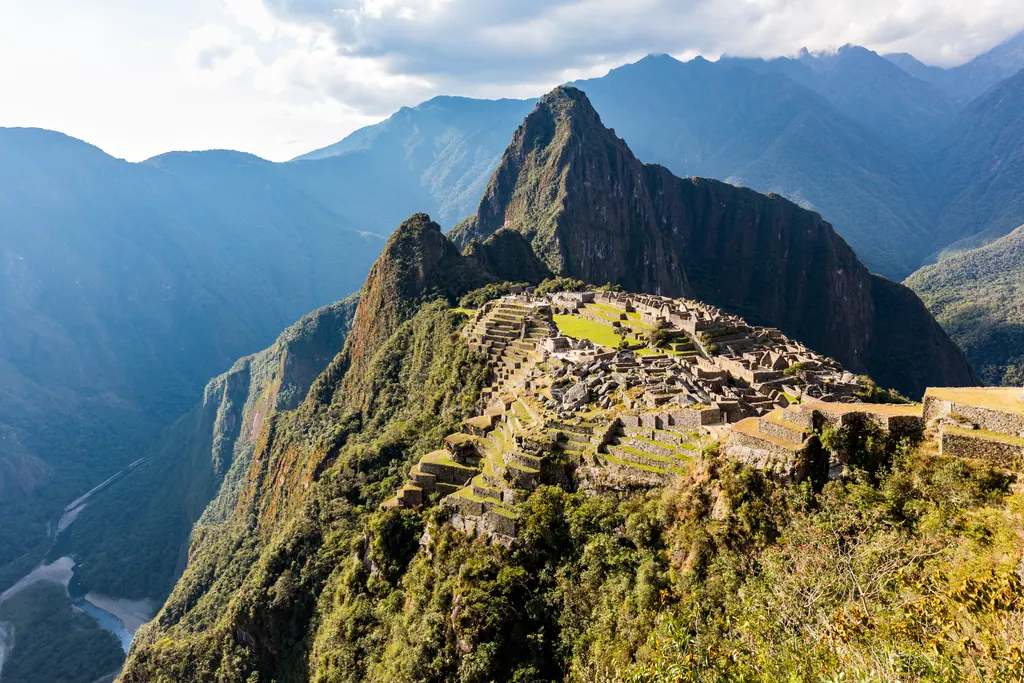
The big ticket is literally a ticket. A standard entry to Machu Picchu cost 163 soles (about $47 in 2026) for foreign adults, including the conservation fee, and the train or bus to get there costs more than the entry itself. Our guide on how to visit Machu Picchu explains the circuits and timing. Beyond Cusco, the Sacred Valley, the colonial city of Arequipa and the Colca Canyon all reward travelers with time rather than money.
Where the budget breaks: The Inca Trail permits, which must be booked through licensed operators months ahead, and the scenic trains to Aguas Calientes.
Safety: Level 2 (Exercise Increased Caution) as of November 29, 2026, with Level 4 areas in remote border and coca-growing regions that most tourists never visit. Cusco, the Sacred Valley and Machu Picchu are outside those zones. Plan for altitude, too; our article on altitude sickness in Cusco covers how to adjust.
Ecuador: Big Variety on U.S. Dollars
Ecuador has used the U.S. dollar since 2000, which makes budgeting simple: no exchange rates, no conversion fees on cash. The country is also compact. In a two-week trip you can go from the Andes to the cloud forest to the edge of the Amazon by bus.
Quito's old town was among the first places ever named a UNESCO World Heritage site, in 1978, and the southern city of Cuenca, listed in 1999, is a favorite with American retirees for its mild climate and lower living costs. Baños, a small town below an active volcano, is a base for waterfalls, hot springs and canyoning on a backpacker budget.
Where the budget breaks: The Galápagos. Since August 1, 2024, foreign visitors over 12 pay a $200 entrance fee to the islands' protected areas, and flights and boats add much more. Mainland Ecuador is the bargain; the islands are a separate splurge.
Safety: Level 2 (Exercise Increased Caution) as of November 29, 2026, with higher levels for some provinces and parts of cities. Crime has risen in parts of the coast in recent years, so read the full advisory before planning your route.
Paraguay: The Continent's Least Discovered Country
Paraguay is one of the least-visited countries in South America, which is exactly why it belongs on this list. Prices are low, crowds are absent, and Americans can visit visa-free for up to 90 days. It is also the only country on this list rated Level 1 (Exercise Normal Precautions) by the State Department, as of November 29, 2026.
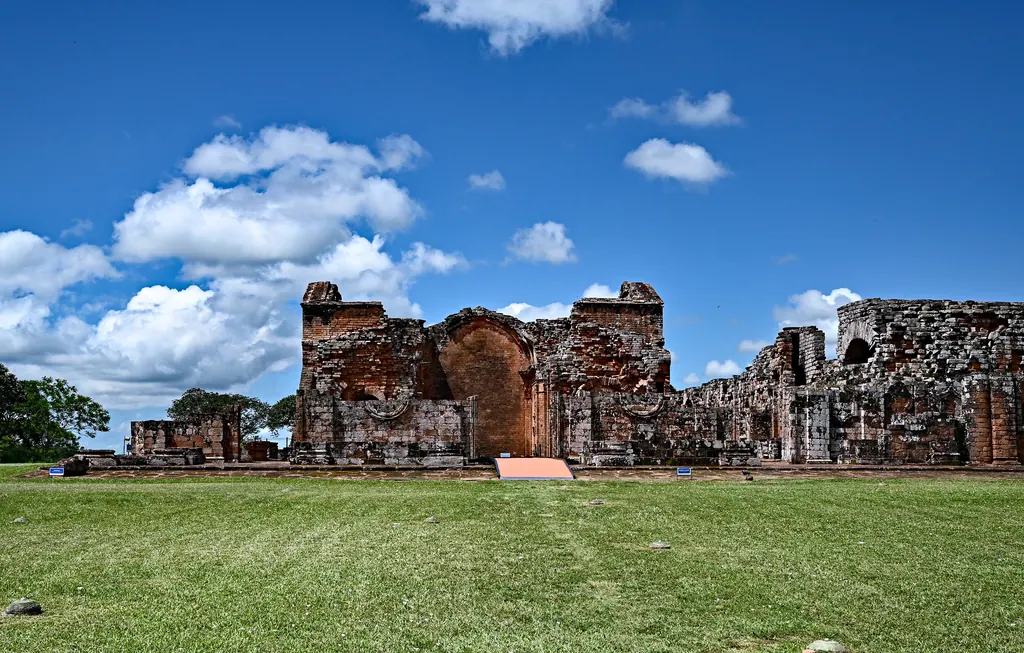
The highlight is the pair of 18th-century Jesuit missions at La Santísima Trinidad de Paraná and Jesús de Tavarangue in the south, a UNESCO World Heritage site since 1993. The red sandstone ruins are atmospheric, rarely busy, and an easy trip from the city of Encarnación on the Paraná River. The capital, Asunción, is relaxed and green, and the vast Chaco in the west is for travelers who want real remoteness.
Where the budget breaks: Hardly anywhere. The bigger challenge is that tourist infrastructure is thin, so expect fewer English speakers and fewer tour options.
Safety: Note that several departments along the Brazilian border, including Alto Paraná around Ciudad del Este, are rated Level 2 for crime.
Colombia: Great Value With a Caveat
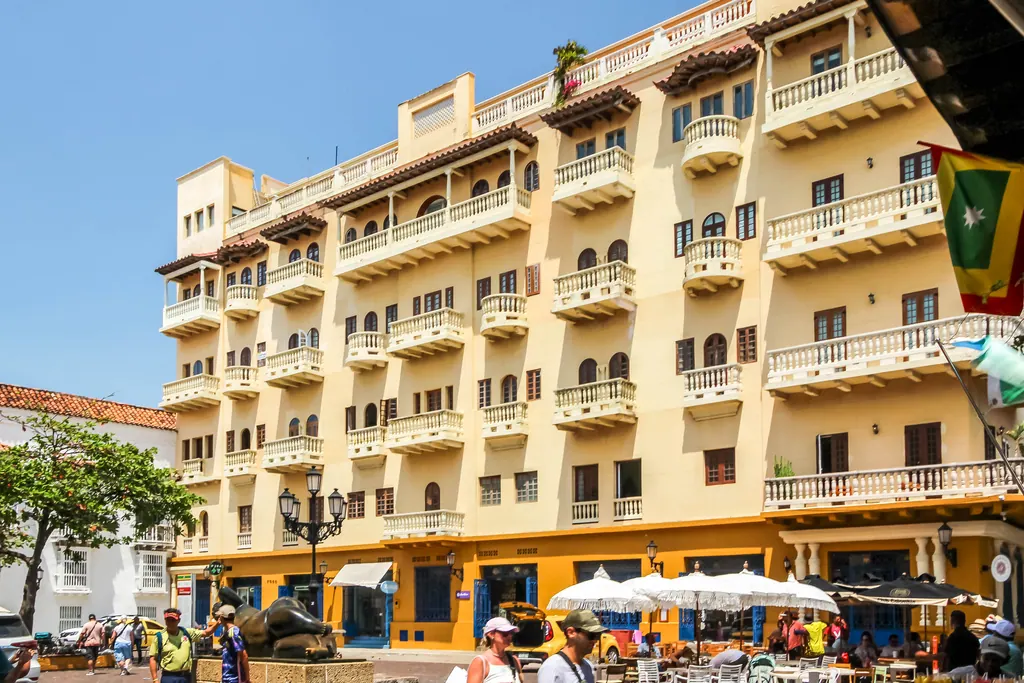
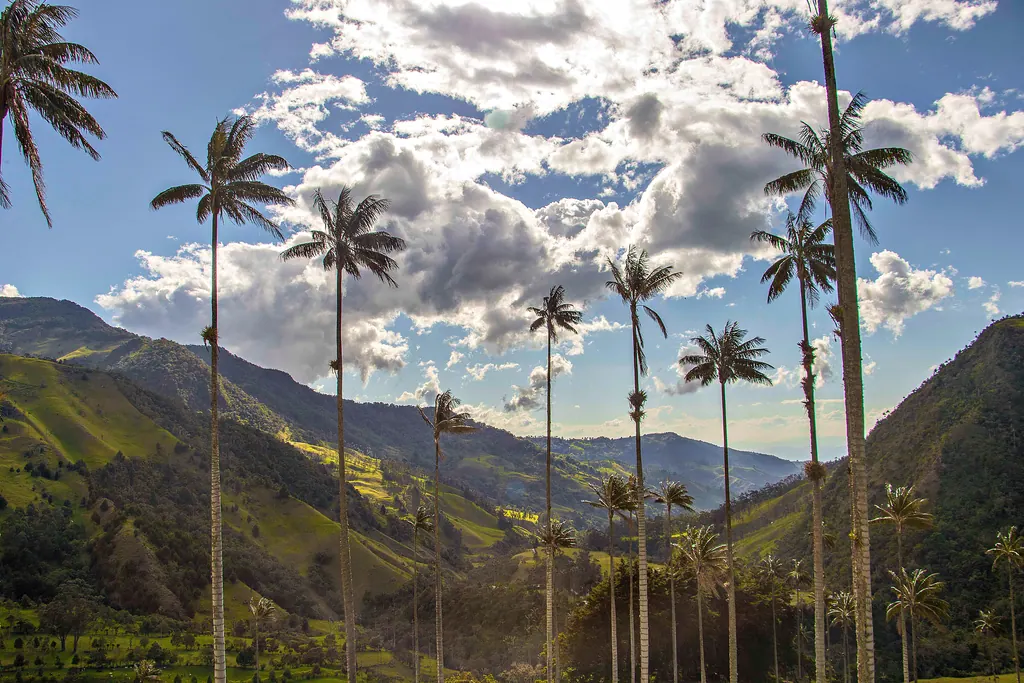
Colombia is one of the most popular budget destinations in South America, and the peso, at around 3,500 to the dollar in late November 2026, still makes it very affordable. Medellín's metro and cable cars, the colonial streets of Cartagena and the green hills of the coffee region offer a lot for the money.
Where the budget breaks: Cartagena, where hotel prices approach Caribbean resort levels in high season.
Safety: This is the important caveat. As of November 29, 2026, the State Department rates Colombia Level 3 (Reconsider Travel), with Level 4 for several departments. Millions of visitors travel there without problems, but the advisory is serious enough that you should read it in full, stick to established areas and learn the local precautions around rideshares and dating apps. Our explainer on what the travel advisory levels mean can help you weigh it.
How to Make a South American Budget Go Further
- Travel overland. Long-distance buses are comfortable and cheap in all five countries, and they save you a night of accommodation on overnight routes.
- Eat the set lunch. In Bolivia, Peru, Ecuador and Colombia, a fixed lunch menu of soup, main course and juice is the cheapest proper meal of the day.
- Bring crisp U.S. dollars. Torn or old bills can be refused at exchange offices, and in Ecuador dollars are the local currency.
- Check your health needs. Yellow fever vaccination is recommended for parts of the Amazon basin, and some countries may ask for a certificate. Our yellow fever certificate guide explains where.
- Watch card fees. Use a card without foreign transaction fees and always pay in the local currency when the terminal asks.
Start with Bolivia if you want the most dramatic landscapes for the least money, Paraguay if you want to be one of the few foreigners in town, and Peru or Ecuador if you want variety and solid tourist infrastructure. For more trip ideas across the continent, browse our South America articles.
Frequently asked questions
What is the cheapest country to visit in South America?
Bolivia is generally the cheapest, and the weaker boliviano in 2026 made it even more affordable for travelers paying in dollars.
Do Americans need a visa for Bolivia?
No. Since December 1, 2025, U.S. citizens can visit Bolivia for tourism without a visa for up to 90 days in a one-year period.
Is Paraguay safe for American tourists?
As of November 29, 2026, the State Department rates Paraguay Level 1, the lowest level, with Level 2 for some departments along the Brazilian border.
Does Ecuador use the U.S. dollar?
Yes. Ecuador has used the U.S. dollar as its official currency since 2000, so Americans do not need to exchange money.
- U.S. Department of State: Travel Advisories
- U.S. Embassy in Bolivia: Visitor Visas No Longer Required (December 3, 2025)
- Banco Central de Bolivia: Official exchange rate
- Galápagos National Park: Arrival information and entrance fee
- UNESCO: Jesuit Missions of La Santísima Trinidad de Paraná and Jesús de Tavarangue