On the afternoon of December 24, Polish children are sent to the window with a job to do. Nobody sits down to eat until someone spots the first star in the evening sky. When it appears, the most important meal of the Polish year can begin.
That meal is Wigilia, the Christmas Eve supper, and for most Polish families it matters more than Christmas Day itself. If you are invited to one, in Poland or in a Polish-American home in the United States, it helps to know what is about to happen, because almost every part of the evening has a meaning. Here is what to expect, from the wafer to the last glass of compote.
What Is Wigilia?
The word comes from the Latin vigilia, meaning vigil or watch, and it names both Christmas Eve and the supper eaten that night. According to Culture.pl, the Polish Institute's cultural portal, the traditions are a blend of old pagan customs, Catholic practice and the folk cultures of the many peoples who lived together in old Poland.
The day itself is busy. Trees are often decorated on December 24, the cooking starts days ahead, and everything should be ready by the time the first star appears, the star that stands for the Star of Bethlehem.
The Rituals Before Anyone Eats
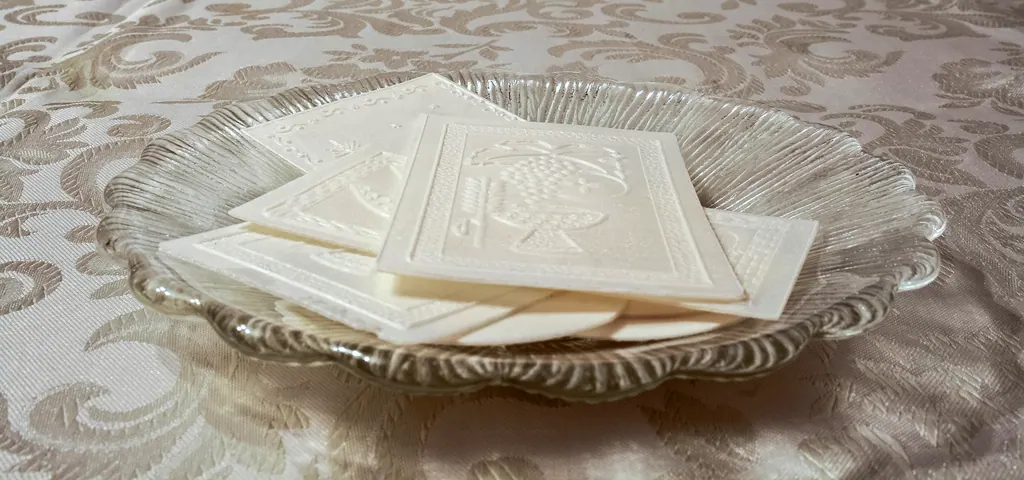
The opłatek. Before the first spoonful, everyone at the table breaks a thin wafer called opłatek (pronounced roughly "oh-PWAH-tek"). It is made of flour and water, often embossed with a nativity scene, and looks like a large communion wafer. Each person holds their own piece, moves around the room, breaks off a bit of everyone else's wafer and exchanges wishes for health and happiness in the coming year. Many Poles describe it as the most moving moment of the whole evening.
The empty place. An extra place is set at the table for an unexpected guest. Traditionally it was for a wanderer who might knock on the door, and today many families also see it as a way to remember relatives who are no longer with them.
Hay under the tablecloth. A little hay is tucked under the white tablecloth as a reminder that Jesus was born in a manger.
Why Twelve Dishes, and Why No Meat?
Tradition calls for 12 dishes. The number is usually explained as the 12 apostles or the 12 months of the year, and there is a custom that each guest tastes every dish to bring luck for the coming year. Not every family manages a full 12, and in the past, according to Culture.pl, the number of dishes was traditionally odd.
The meal is meatless, a remnant of the old Christmas Eve fast. That does not make it light. Fish, mushrooms, cabbage, beets, poppy seeds, honey and dried fruit do the heavy lifting.
What Is Served at Wigilia?
Menus vary by region and family, but these are the dishes you are most likely to meet:
| Dish | What it is |
|---|---|
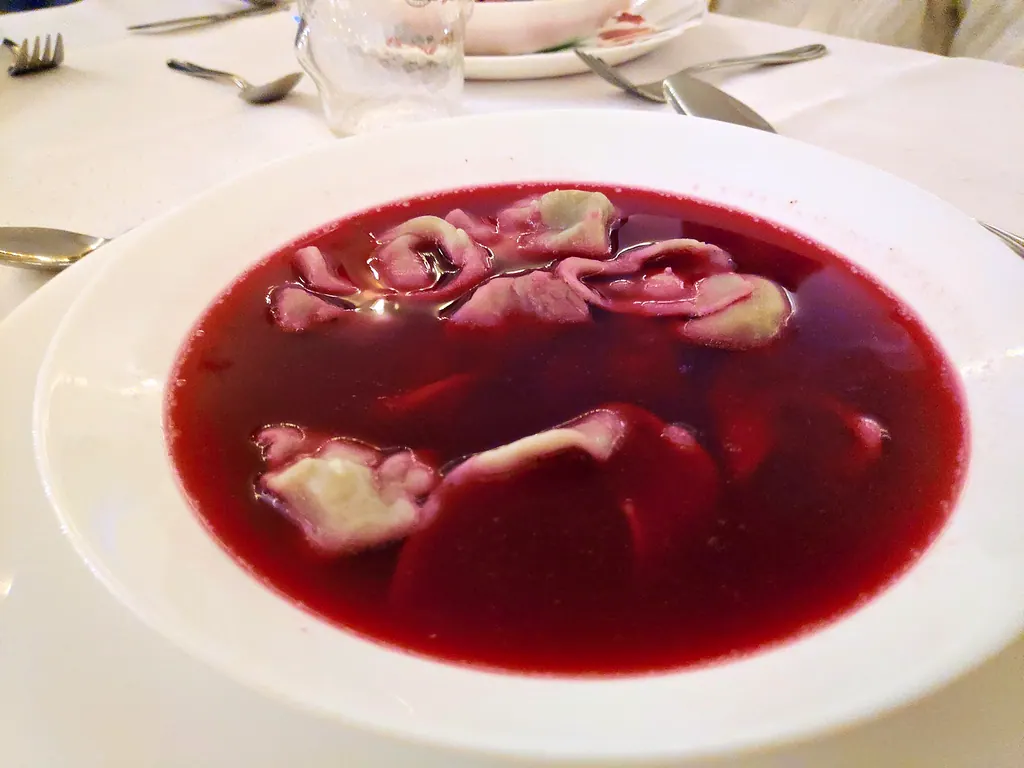
| Barszcz z uszkami | Clear red beet soup with tiny mushroom dumplings called uszka, "little ears" |
| Zupa grzybowa | Soup made with dried forest mushrooms, often with noodles |
| Carp (karp) | Usually fried in breadcrumbs or served in aspic, the classic Christmas Eve fish |
| Herring (śledź) | In oil, with onion, or with cream and apple |
| Ryba po grecku | "Greek-style fish," fried fish under a layer of carrot and tomato |
| Pierogi | Dumplings filled with sauerkraut and wild mushrooms |
| Gołąbki | Cabbage rolls, stuffed with grains and mushrooms for Christmas Eve |
| Kapusta z grochem | Cabbage cooked with split peas |
| Kutia | Wheat berries with poppy seeds, honey, nuts and dried fruit, common in families with eastern roots |
| Makowiec | Poppy seed roll, the signature Christmas cake |
| Piernik | Honey and spice gingerbread cake |
| Kompot z suszu | A drink made from dried, often smoked fruit, with a smoky sweetness |
Barszcz is the dish almost everyone agrees on. The Christmas version is built on a sour beet starter called zakwas, which is fermented for several days, and Culture.pl notes that in the south, around the Tatra Mountains, the uszka are often replaced with white beans.
Carp has its own folklore. Many families once bought a live carp days before Christmas and kept it in the bathtub until it was time to cook, and some people still tuck a carp scale into their wallet for money in the new year.
What Happens After Dinner?
In many homes, gifts are opened after the meal. Carols (kolędy) are sung, and later in the evening many families go to Pasterka, the midnight Mass, the "Shepherds' Mass." Christmas Day and December 26 are both public holidays in Poland, usually spent with family and leftovers.
Visiting Poland on Christmas Eve
If you are in Poland over Christmas, plan around December 24. Since 2025, Christmas Eve has been a public holiday in Poland, and under the trading laws most stores must close that day, with exceptions such as pharmacies, gas stations, bakeries and shops at airports and train stations. Many restaurants close or shut early, because staff want to be home for Wigilia.
A few practical points:
- Book a Wigilia dinner ahead. Some hotels and restaurants in cities like Kraków, Warsaw and Gdańsk serve a Christmas Eve menu for visitors. Reserve well in advance and confirm the times.
- Shop on December 23. Do not count on buying food or gifts on the 24th.
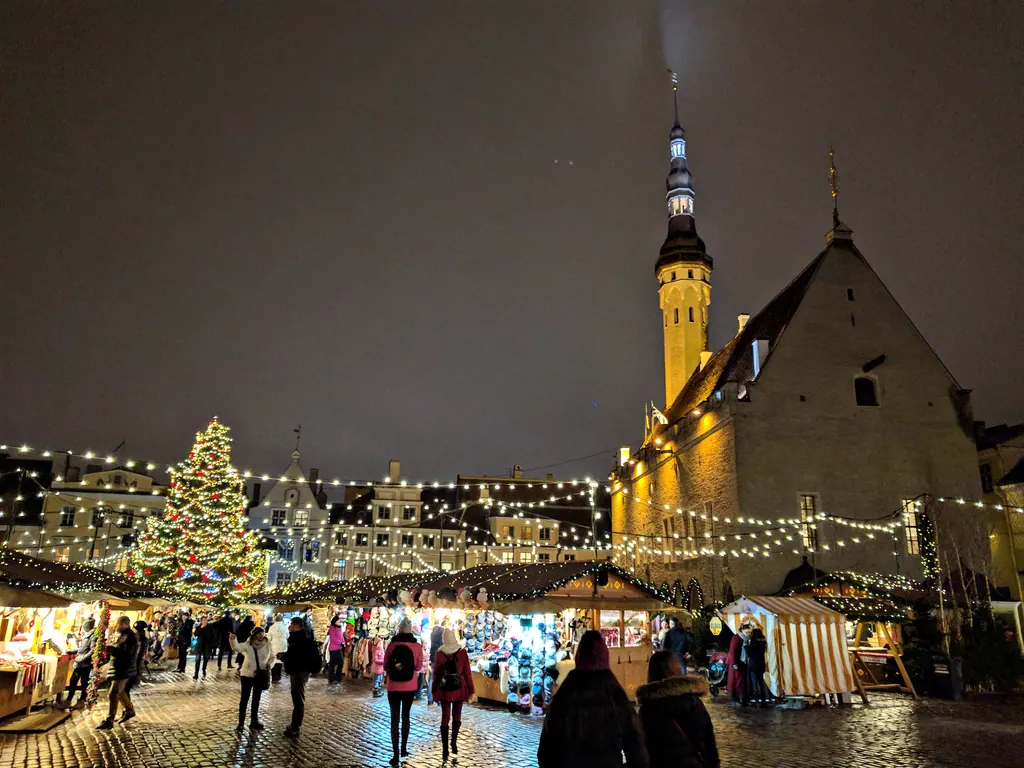
- Do the Christmas markets earlier. The markets in cities like Kraków, Wrocław and Gdańsk are at their best in the weeks before Christmas. Check each market's dates, since closing days vary.
- If you are invited to a home, bring flowers or a box of chocolates, try a little of everything, and do not be surprised when someone hands you a piece of wafer before you sit down.
Bringing Wigilia Home
You do not need to fly to Kraków to experience it. Polish-American parishes and Polish delis in cities like Chicago sell opłatek wafers in December, and many churches host community Wigilia dinners. Start with barszcz, pierogi and a plate of herring, set one extra place, and wait for the first star.
For more holiday traditions, see our guides to Baltic Christmas markets, German Christmas market food and winter festivals worth traveling for, or browse more food and drink.
Frequently asked questions
What is Wigilia?
Wigilia is Christmas Eve in Poland and the festive supper eaten that evening. It traditionally begins when the first star appears and includes meatless dishes, the sharing of the opłatek wafer and an empty place for an unexpected guest.
Why are there 12 dishes at Wigilia?
The 12 dishes are usually said to represent the 12 apostles or the 12 months of the year. Guests are encouraged to taste every dish for luck in the coming year.
Is meat eaten on Polish Christmas Eve?
Traditionally no. The Wigilia supper is meatless and is based on fish, especially carp and herring, mushrooms, cabbage, beets, grains and dried fruit.
Are shops open in Poland on December 24?
Mostly not. Since 2025, Christmas Eve has been a public holiday in Poland, and most stores must close, with exceptions such as pharmacies, gas stations, bakeries and shops at airports and stations.