South Korea packs four very distinct seasons into a country slightly smaller than Kentucky. In January, Seoul's rivers can freeze at the edges and the wind off the mountains feels like Chicago. In August, the same city sits in humid heat closer to Houston. In between come two short, spectacular windows that most travelers aim for, and a monsoon month that many plan around without knowing exactly when it starts.
The right month depends on what you want to see, where you are going and how much you mind crowds. Below we go through the year season by season, with official climate figures, the typical dates for blossoms and autumn color, the holidays that empty offices and fill trains, and how Jeju, Busan and the DMZ fit into the picture.
What is the weather like month by month?
The table uses the 1991-2020 climate normals from the Korea Meteorological Administration (KMA): the average daily high and low for each month in Seoul, Busan and Jeju City, plus Seoul's average monthly rainfall. Busan and Jeju are milder in winter, while Seoul has the sharper swings.
| Month | Seoul high/low | Seoul rain | Busan high/low | Jeju City high/low |
|---|---|---|---|---|
| Jan | 36/22°F (2/-6°C) | 0.7 in (17 mm) | 47/32°F (8/0°C) | 47/39°F (9/4°C) |
| Feb | 41/26°F (5/-3°C) | 1.1 in (28 mm) | 50/35°F (10/2°C) | 50/39°F (10/4°C) |
| Mar | 52/35°F (11/2°C) | 1.5 in (37 mm) | 57/42°F (14/5°C) | 56/44°F (13/7°C) |
| Apr | 64/46°F (18/8°C) | 2.9 in (73 mm) | 65/50°F (18/10°C) | 64/51°F (18/11°C) |
| May | 74/56°F (24/14°C) | 4.1 in (104 mm) | 72/58°F (22/15°C) | 72/59°F (22/15°C) |
| Jun | 82/66°F (28/19°C) | 5.1 in (130 mm) | 76/65°F (25/18°C) | 77/66°F (25/19°C) |
| Jul | 84/72°F (29/22°C) | 16.3 in (414 mm) | 82/72°F (28/22°C) | 85/75°F (29/24°C) |
| Aug | 86/73°F (30/23°C) | 13.7 in (348 mm) | 85/75°F (30/24°C) | 86/77°F (30/25°C) |
| Sep | 79/64°F (26/18°C) | 5.6 in (142 mm) | 80/68°F (26/20°C) | 79/70°F (26/21°C) |
| Oct | 68/51°F (20/11°C) | 2.1 in (52 mm) | 72/58°F (22/14°C) | 71/60°F (22/16°C) |
| Nov | 53/38°F (12/4°C) | 2.0 in (51 mm) | 62/47°F (17/8°C) | 62/51°F (16/10°C) |
| Dec | 40/26°F (4/-3°C) | 0.9 in (23 mm) | 51/36°F (10/2°C) | 52/42°F (11/6°C) |
Two numbers stand out. July and August together bring more than half of Seoul's yearly rain, and the dry months from November to February see very little. Averages also hide the wind chill: a 22°F night in Seoul often feels a good deal colder.
When do the cherry blossoms bloom, and where first?
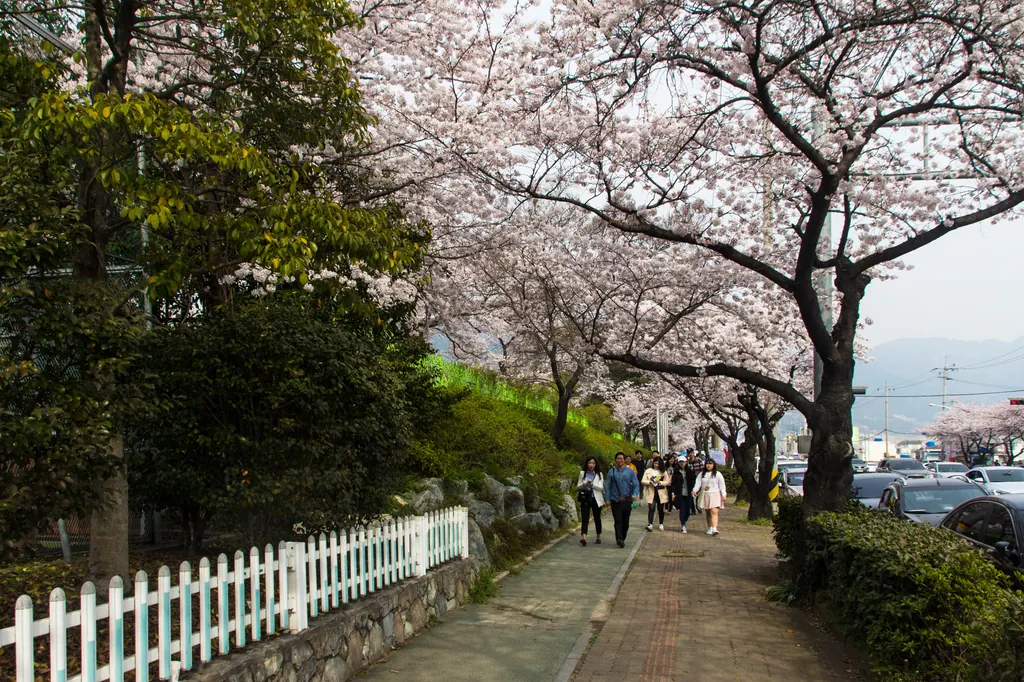
Spring arrives from the south. Jeju and Busan usually see their first cherry blossoms in the last week of March, Jinhae (part of Changwon, home to the country's largest cherry blossom festival) and Gyeongju follow within days, and Seoul typically comes into flower in the first days of April. Full bloom tends to arrive about a week after the first flowers, and the petals fall within another week, so the peak in any one city is short. In 2026 the forecasts from KMA and private weather services put Seoul's first bloom around April 3-4, a few days ahead of the long-term average, and warm springs keep pulling the dates earlier.
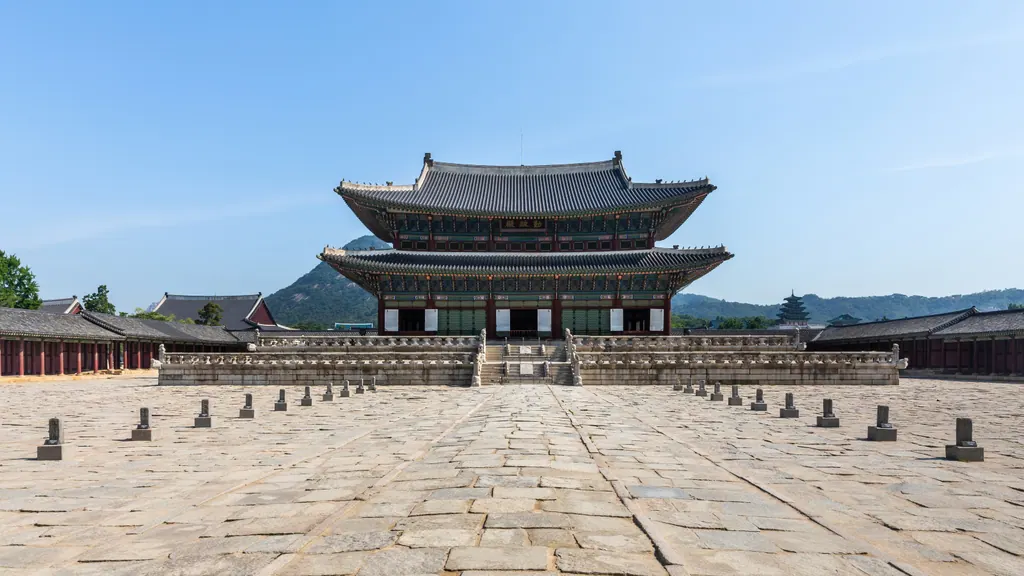
That gives you a useful trick: a 10-day trip from late March into early April can follow the blossoms north, from Jeju or Busan to Gyeongju and then up to Seoul. In Gyeongju, the trees around Bomun Lake and the royal tombs of Daereungwon are the classic spots. In Seoul, Yeouido and Seokchon Lake draw huge weekend crowds; the palace grounds and the Han River parks are a calmer alternative on a weekday morning.
Spring also has a downside that guidebooks often skip: dust. Yellow dust (hwangsa) blows in from the deserts of China and Mongolia, mostly in March and April. According to KMA, Seoul averaged 8.9 yellow dust days a year between 1991 and 2020, with 3.1 in April and 2.2 in March, and the recent average has been a little higher. Fine dust from traffic and industry adds to it, and on bad days the sky turns milky and the view of North Korea from the DMZ observatories disappears. Check the government's AirKorea readings or a weather app each morning, and pick up KF94 masks at any convenience store if you are sensitive.
May is the underrated month. The blossoms are gone, but the hills are bright green, the dust eases off and Seoul's highs sit in the low 70s°F. Watch out for the first week, though, when Children's Day on May 5 and other days off create a short domestic travel rush.
How bad are the monsoon and the summer heat?
The rainy season, called jangma, normally starts on Jeju around June 19, in the south around June 23 and in the Seoul region around June 25, based on KMA's 1991-2020 averages. It usually runs for about a month and winds down in the second half of July. It is not constant rain. Expect gray, muggy days broken by heavy bursts, sometimes 4 inches (100 mm) or more in a day, which can flood underpasses and close mountain trails. Recent seasons have been erratic, with late starts and short, intense downpours.
After jangma comes the hottest stretch. Late July and August bring highs in the upper 80s°F with heavy humidity, and nights that barely cool. Korean school vacations run from late July into mid August, so Busan's Haeundae Beach, Jeju and the east coast are at their busiest and priciest.
Summer has its fans. The mountains are lush, the Boryeong Mud Festival on the west coast takes place in July, and in Gyeongju the lotus fields near Cheomseongdae Observatory bloom in July and August. Just plan indoor backups and early starts for anything outdoors.
Do typhoons hit South Korea?
Yes, though not every year in force. The typhoons that reach Korea mostly arrive in August and September, and Jeju and the south coast around Busan take the brunt. A direct hit usually means one or two days of grounded flights and ferries, closed beaches and suspended hiking, then clearing skies. If your trip in late summer includes Jeju, keep a buffer day before your flight home and follow KMA's forecasts, which track storms several days out.
When is autumn foliage at its peak?
Autumn is the other headline season, and for many travelers the best one. The air is dry and clear, the dust is usually gone, and Seoul's highs drop from the upper 70s°F in September to the upper 60s°F in October.
The color moves the opposite way from the blossoms: from the high peaks in the northeast down to the south. The Korea Forest Service counts a mountain as at its peak when at least half the leaves have turned. In a typical year, that looks roughly like this:
- Seoraksan National Park on the east coast: mid to late October. The Forest Service's 2026 forecast put the peak around October 20.
- Seoul's palaces and Bukhansan: late October into early November. The ginkgo trees that line many Seoul streets turn bright yellow at about the same time.
- Nami Island near Chuncheon: late October to early November, when the metasequoia and ginkgo lanes turn rust and gold.
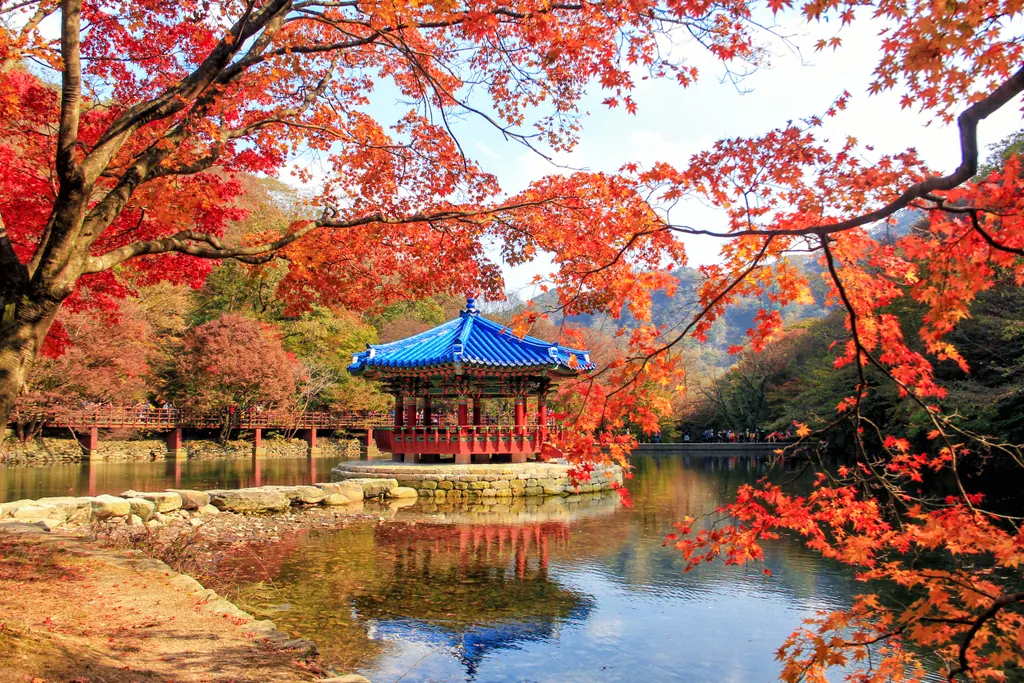
- Naejangsan National Park and Gyeongju: early to mid November. Naejangsan's maples are often called the reddest in the country, and Bulguksa Temple in Gyeongju is at its best then.
- Jeju: among the last, in mid November.
The catch is crowds. Seoraksan and Naejangsan see long lines for buses and cable cars on autumn weekends, and Nami Island can be packed from mid morning. Go on a weekday and start early. Foliage dates shift by a week or more with the weather, so check the Forest Service forecast, published in September, before you book.
Is winter a good time to visit South Korea?
For the right traveler, yes. December to February is cold and dry, with mostly blue skies, and flights and hotels are generally cheaper outside the holidays. Seoul's average January high is 36°F (2°C), and the wind makes it feel colder, so pack a real winter coat, gloves and a hat. The palaces look striking under snow, though Seoul gets only occasional snowfall rather than a steady cover.
Skiing is centered in Gangwon Province, around Pyeongchang, which hosted the 2018 Winter Olympics. Resorts such as Yongpyong, Phoenix Pyeongchang and High1 usually open in late November or early December, depending on the temperatures for snowmaking, and most close in mid March. Much of the snow is machine made, so expect groomed runs rather than deep powder. The Hwacheon Sancheoneo Ice Festival in January, where people fish through holes in a frozen river, is another reason to head into Gangwon.
Nami Island is popular in winter too, partly thanks to the drama Winter Sonata, which was filmed there. Fine dust can be a problem in winter as well as spring, especially on still, cold days.
Which holidays should you avoid?
Two holidays matter more than any other for travel planning: Seollal (Lunar New Year) and Chuseok (the autumn harvest holiday). Each is a three-day break, the day before, the day itself and the day after, and tens of millions of people travel to their hometowns.
| Holiday | 2027 dates | Main day |
|---|---|---|
| Seollal | February 6-9 (includes a substitute holiday on February 9) | February 7 |
| Chuseok | September 14-16 | September 15 |
What this means for you:
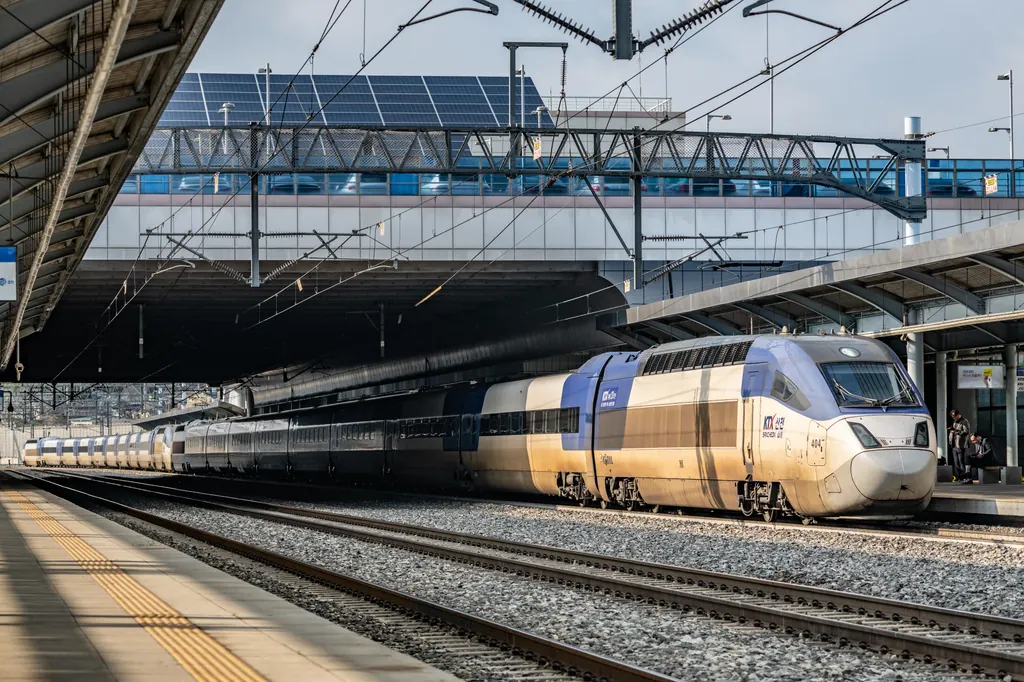
- Trains sell out fast. Korail sells holiday tickets in a special sale weeks ahead. For Chuseok 2026, the sale opened about three weeks before the holiday and ran entirely online, and the most popular KTX departures out of Seoul tend to go within hours. If you need to travel then, book the moment sales open, or plan your train travel for the days before and after.
- Roads jam. Expressways out of Seoul on the first day and back into it on the last day can take twice as long as usual.
- Closures are patchy. Many family run restaurants and small shops close for a day or two, especially on the main day. Big department stores, chain cafes and convenience stores mostly stay open. The National Museum of Korea closes on the main day of both holidays, while the palaces in Seoul usually stay open and have often waived admission during Chuseok.
- Seoul itself can be pleasant. With so many people out of town, the capital is quieter than usual, which suits travelers who stay put.
Also watch for China's Golden Week in the first days of October, which brings large tour groups to Seoul and Jeju, and the year end and New Year period.
How is Jeju different?
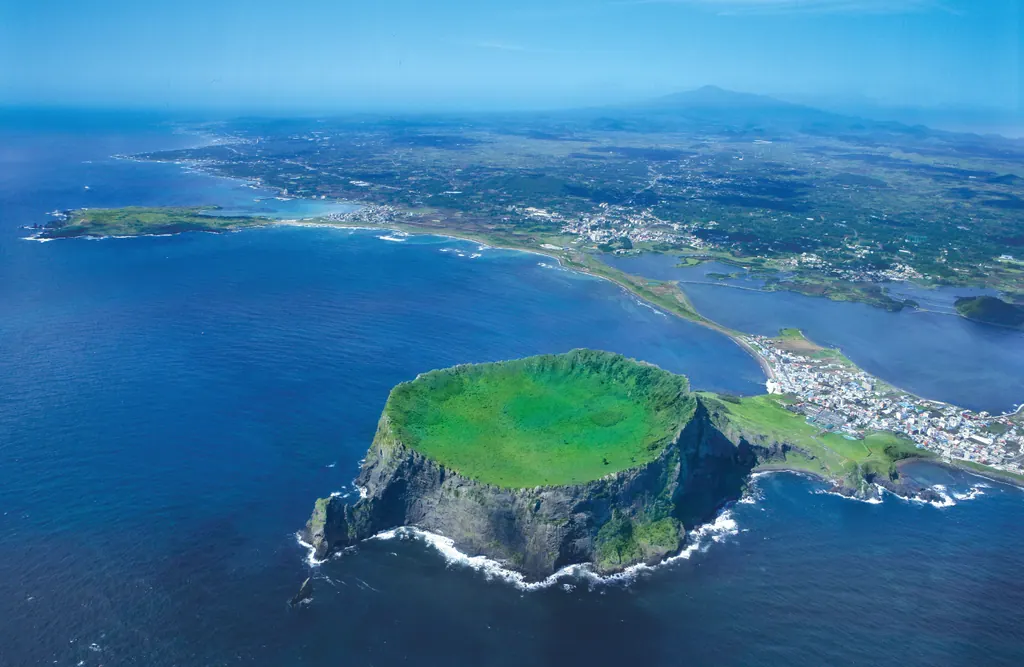
Jeju sits in the sea south of the mainland and has the mildest winters in the country, with January lows that rarely drop below freezing at the coast. But it is windy, especially in winter, and Hallasan, the volcano at its center, rises to 6,388 feet (1,947 meters) and often has snow on top while the coast stays green.
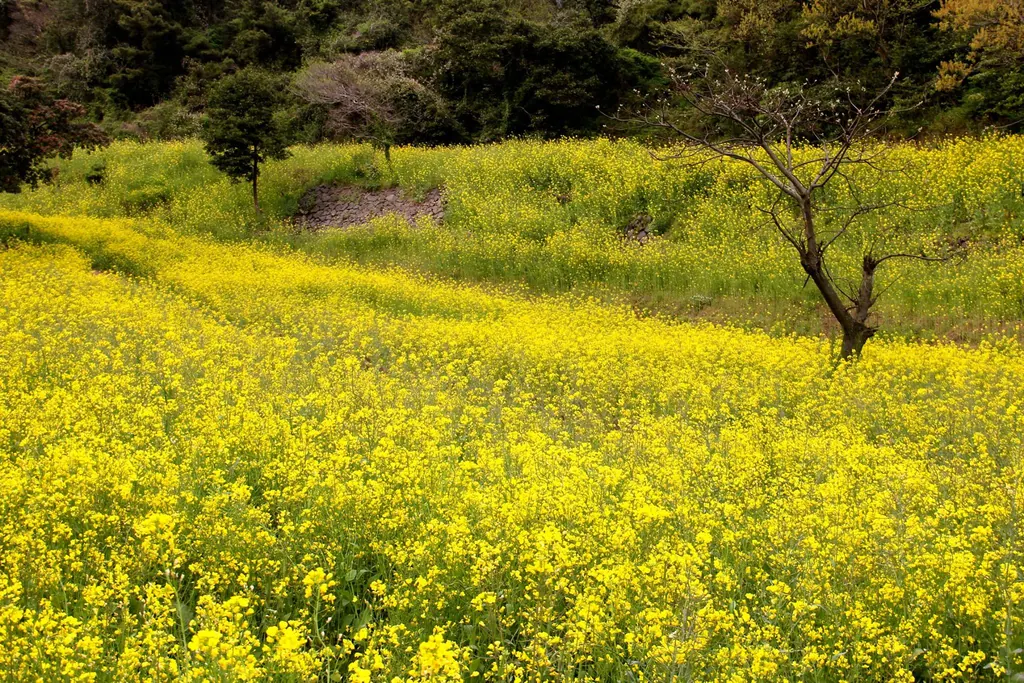
The island is a season ahead in spring. Canola fields turn yellow from March into April, and the cherry blossoms are among the first in the country. In late autumn and winter, the tangerine harvest brings orchards full of fruit. On the other hand, Jeju is first in line for the rainy season in June and the most exposed to typhoons in August and September. For a beach and hiking trip, late May, early June and the period from late September to October usually offer the best balance.
What about the DMZ, Seoul and Gyeongju?
The DMZ can be visited all year, but most tours from Seoul visit the Third Tunnel and Dora Observatory, which close on Mondays and national holidays, including Seollal and Chuseok. Many operators switch to other sites on those days, so check what your tour includes. Clear autumn days give the best views north, while dusty spring days and windy winter mornings can mean little to see and a very cold wait at the observatories.
Seoul works in any season, which makes it the natural base. Spring and autumn are the most comfortable for walking between palaces and neighborhoods, summer pushes you toward the Han River parks in the evening and air conditioned museums by day, and in winter the city's markets, saunas and cafes come into their own.
Gyeongju, the old Silla capital in the southeast, is best in early April for blossoms and in early to mid November for foliage. It is milder than Seoul in winter and a little quieter, but hot and humid in summer, when the open grounds of its tombs and temples offer little shade.
So when should you go?
If you can only pick one window, choose between two:
- Early April to mid May for blossoms, green hills and mild days. Accept some dust and busy weekends at the famous blossom spots.
- Mid October to mid November for foliage, clear air and dry weather. This is the most reliable weather of the year, though popular parks are crowded on weekends.
Avoid planning a long road or rail itinerary around Seollal or Chuseok, and treat July and August as a trip built around beaches, mountains and indoor sights rather than long city walks. For budget travelers who handle the cold well, January and February outside Seollal offer low prices and quiet palaces. More country information is on our South Korea page, and the practical side of planning is collected in Travel Tips.
Frequently asked questions
What is the cheapest time to visit South Korea?
January and February, outside the Seollal holiday, and the rainy weeks from late June to July usually bring the lowest flight and hotel prices. Late autumn and the cherry blossom weeks are the most expensive.
Does it snow in Seoul?
Yes, but not reliably. Seoul gets a few snowfalls most winters, usually between December and February, and the snow rarely stays on the ground for long. For dependable snow, head to the ski areas of Gangwon Province.
Is June a good month to visit South Korea?
The first half of June is often pleasant and warm, with long days. The rainy season usually reaches Jeju around June 19 and Seoul around June 25, so the second half becomes humid and wetter.
How long do cherry blossoms last in Korea?
In any one city, the trees usually go from first flowers to full bloom in about a week, and the petals fall within another week. Rain or wind can shorten that, so build some flexibility into your plans.
Is Korea crowded during Chuseok?
Trains, buses and expressways are extremely busy as people travel to their hometowns, and many small restaurants close. Central Seoul itself is often quieter than usual during the holiday.
- Korea Meteorological Administration
- Monsoon season averages by region, The Korea Herald
- Yellow dust remains a chronic headache for peninsula, The Korea Herald
- Korea Forest Service 2026 autumn foliage forecast, Kyunghyang Shinmun
- Korail Chuseok holiday train ticket sales, The Financial News
- 2027 holiday calendar, The Herald Business
- Korea Tourism Organization, VisitKorea