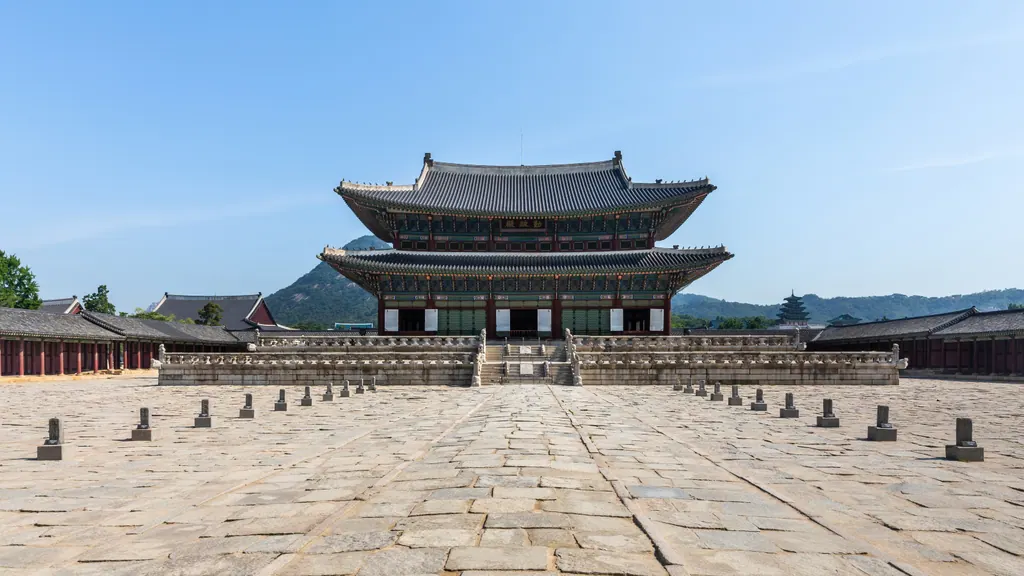
South Korea is about the size of Indiana, and since 2004 a high-speed rail network has pulled its far corners closer together. From Seoul, Busan is a morning's ride away, the east coast beaches at Gangneung take about two hours, and the old royal capital of Gyeongju is an easy day trip. Inside the cities, subways run frequently, the signs are in English as well as Korean, and one small tap card pays for almost all of it.
A few things catch first-time visitors off guard, though. Google Maps has long been far less useful in Korea than at home. Some of the most famous trips, like the DMZ, only work with a tour. And the 2026 merger of the country's two high-speed train operators changed fares and booking apps. Here is how the pieces fit, from the airport to Jeju, with fares in won converted at roughly 1,350 won to the US dollar.
How do you get from Incheon Airport into Seoul?
Most long-haul flights land at Incheon International Airport, on an island west of Seoul. You have two good options.
The AREX airport railroad stops under both terminals. The nonstop Express train reaches Seoul Station in about 45 minutes and costs around 9,500 won (about $7) in 2026, with a reserved seat. The all-stop commuter train on the same line takes about an hour, costs roughly half as much and accepts tap cards, and it connects with several subway lines along the way, including at Hongik University (Hongdae) and Gongdeok.
Airport limousine buses leave from the arrivals level and run to the main hotel districts, such as Myeong-dong, Gangnam, Jamsil and Dongdaemun. Fares on the main Seoul routes were around 17,000-18,000 won (about $13) in 2026. The bus is slower in traffic, but it saves you dragging luggage through subway transfers, and it is the better choice if your hotel is near a limousine stop. Tickets are sold at counters in the arrivals hall, and many routes also accept tap cards.
Which transit card should you buy?
T-money is the standard tap card, and most visitors start with it. You can buy one at convenience stores (GS25, CU, 7-Eleven) and at subway stations, then top it up at station machines or at the convenience store counter. Topping up is usually cash only, so keep some won on hand. The card works on subways and city buses across the country, on many taxis and in convenience stores.
In Seoul, the city's Climate Card has short-term versions aimed at visitors. In 2026, a 1-day pass cost about 5,000 won (about $3.70), 2 days about 8,000 won (about $6) and 3 days about 10,000 won (about $7.40), plus around 3,000 won for the card itself. It covers Seoul's subway and city buses, but not the AREX Express or buses outside Seoul. It pays off if you ride more than three or four times a day.
A tip that saves money: in Seoul, transfers between subway and bus are free or nearly free when you tap out and tap in again within about 30 minutes. Always tap out when leaving a bus, or the transfer discount is lost.
Seoul and Busan by subway
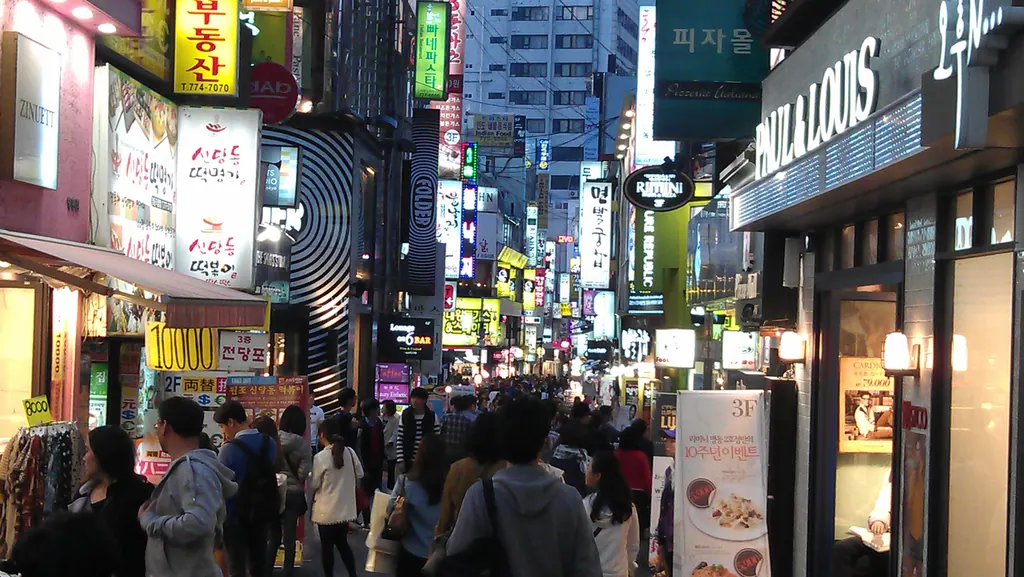
Seoul's subway has more than 20 lines when you count the commuter railways, all color coded and numbered, with station names and announcements in English. In 2026 the base fare was about 1,550 won (about $1.15) with a card for the first 10 km, and 1,650 won with a single-use ticket. Longer rides add about 100 won for every extra 5 km. Trains run from around 5:30 a.m. until about midnight, so late at night you will need a night bus or a taxi.
Busan, the second city, has four subway lines plus a light rail line to Gimhae Airport. The fare depends on distance: in 2026 it was about 1,600 won (about $1.20) for a short ride and 1,800 won (about $1.35) for a longer one with a card, slightly more with a single-use ticket. Line 1 stops at Busan Station, where the KTX arrives, and runs on to the Nampo and Jagalchi area. Line 2 serves Haeundae and Gwangalli beaches. Your T-money card works in Busan, too, so there is no need to buy a separate Busan card.
City buses fill the gaps in both cities. They are cheap and frequent, but stop displays are often in Korean only, so a map app is close to essential.
KTX and SRT: how high-speed trains work after the 2026 merger
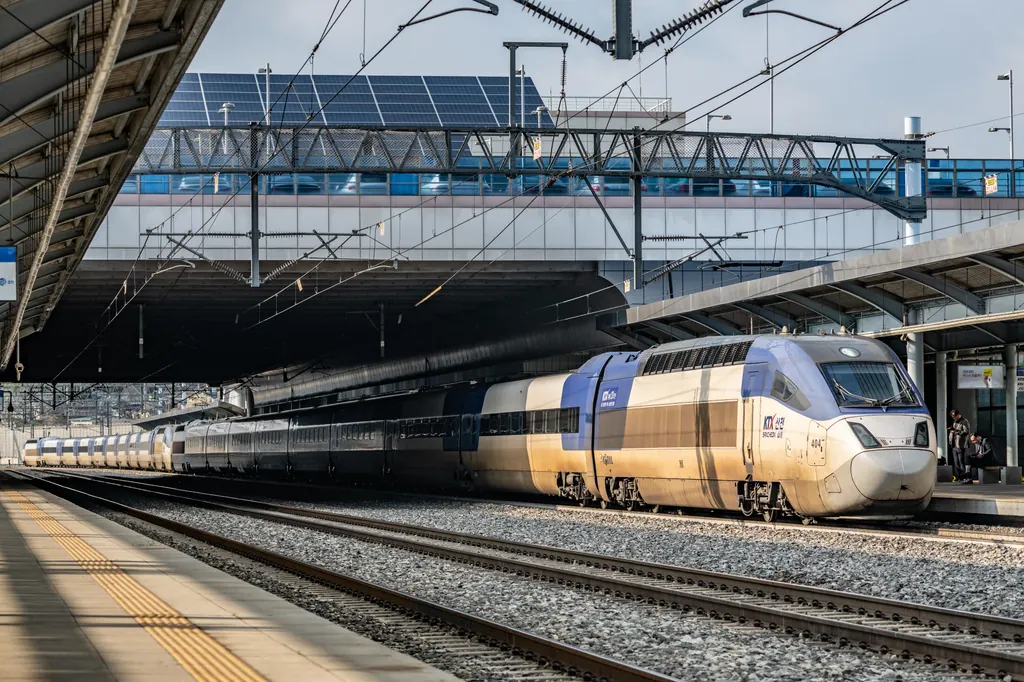
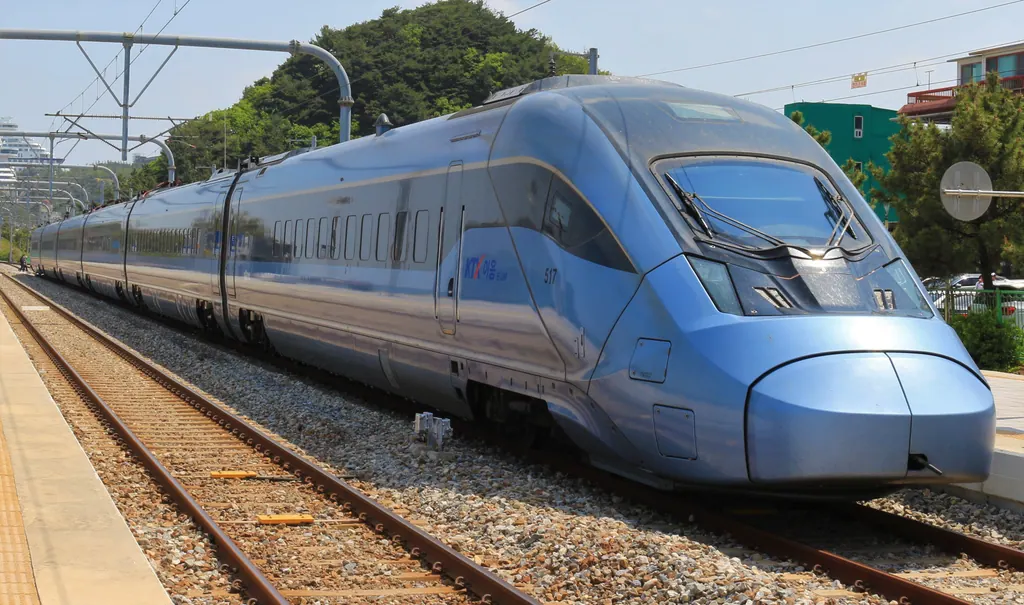
The KTX is South Korea's high-speed train, run by the national rail company, Korail. Until 2026, a second company ran SRT trains from Suseo Station in southeast Seoul, which is handy for Gangnam. On September 1, 2026, the two were merged into one high-speed system, and KTX fares were cut by about 10 percent on average to match the old SRT level.
Seoul Station to Busan now costs around 54,400 won (about $40) in standard class, down from 59,800 won, and the fastest trains take about 2.5 hours. Since the merger, both KTX and former SRT trains can be searched and booked in the Korail+ app and on the Korail website, which has an English version. Book early for Friday evenings, Sunday afternoons and holidays, above all Lunar New Year and Chuseok, when trains sell out weeks in advance.
Not every fast train is a "classic" KTX. The KTX-Eum and KTX-Cheongnyong are newer models, and several lines to the east and the southeast are served by KTX-Eum trains from Cheongnyangni Station in northeast Seoul. Check which Seoul station your train leaves from: Seoul Station, Yongsan, Cheongnyangni and Suseo are far apart.
Is the Korail Pass worth it?
The Korail Pass is for foreign visitors only and gives unlimited rides in standard class on KTX, ITX and slower Korail trains. In early 2026, prices were around $88 for a flexible 2-day pass (any 2 days within 10), around $160 for a flexible 4-day pass, and about $127 and $188 for 3 and 5 consecutive days. You can reserve up to two seats per day.
The math is simple: a pass pays off when you pack long rides into few days, for example Seoul to Busan, Busan to Gyeongju and back to Seoul. If you only make one or two long trips, single tickets are cheaper, especially after the 2026 fare cut. Before the merger, the pass did not cover SRT trains from Suseo, so check the current rules if you plan to start from Gangnam.
How do you reach Gyeongju, Jeonju, Andong and Gangneung?
These four are the classic trips beyond Seoul and Busan, and all of them are easy by train.
| Destination | Fastest from Seoul | Getting into town |
|---|---|---|
| Gyeongju | KTX to Gyeongju Station, about 2 hours (about 35 minutes from Busan) | City bus or taxi, 15-30 minutes |
| Jeonju | KTX from Yongsan, about 1 hour 50 minutes | Bus to the Hanok Village, about 25 minutes |
| Andong | KTX-Eum from Cheongnyangni, about 2 hours | Bus 246 to Hahoe Village, about 50 minutes |
| Gangneung | KTX-Eum from Seoul Station or Cheongnyangni, about 2 hours | Bus or taxi to the beaches, 15-30 minutes |
Gyeongju: The KTX station outside town used to be called Singyeongju and was renamed Gyeongju Station in 2021, so older guides still use the old name. Buses run from the station to the center and to Bulguksa Temple. The main sites around the tombs and Cheomseongdae Observatory are close enough to walk or cycle, and renting a bike is a popular way to see them. From Busan, intercity buses take about 50 minutes and are a good alternative to the train.
Jeonju: The Hanok Village is across town from Jeonju Station, so take a city bus to the stop by Jeondong Catholic Church or a short taxi ride. Express buses from Seoul's Central City Terminal take about 2 hours 40 minutes and run very often, which makes the bus a solid backup when trains are full.
Andong: The KTX-Eum line from Cheongnyangni cut the trip to about two hours. Hahoe Folk Village, a UNESCO World Heritage Site, lies well outside the city, and buses there are infrequent, so check the timetable at the station or in a map app before you go.
Gangneung: The KTX Gangneung line, built for the 2018 PyeongChang Winter Olympics, made the east coast an easy day trip. Fares were under 30,000 won (about $22) in 2026. From Gangneung Station, city buses and taxis reach Gyeongpo Beach, Anmok Beach with its coffee street, and Jeongdongjin.
Nami Island and the DMZ: two trips that work differently
Nami Island is the most popular day trip from Seoul. Take the ITX-Cheongchun train from Yongsan or Cheongnyangni to Gapyeong Station, about an hour, or the slower Gyeongchun Line commuter train, which accepts T-money. From Gapyeong Station, a short taxi or bus ride brings you to the ferry wharf, and the ferry across takes about five minutes. The round trip ferry is included in the entry ticket, which cost around 19,000 won (about $14) at full price in 2026 and less when booked online in advance. Shuttle buses from central Seoul are an easy alternative, and on fall weekends the whole route is crowded.
The DMZ is different: you cannot go on your own. Civilian access to the border zone is controlled, so visitors go on organized tours that handle the checkpoints and passports. Most tours from Seoul visit Imjingak, the Third Tunnel and the Dora Observatory. Tours to the Joint Security Area at Panmunjom have been suspended and restarted several times, and in 2026 they ran only rarely, so do not plan a trip around them. Book a few days ahead, bring your passport, and expect cancellations at short notice when tensions rise.
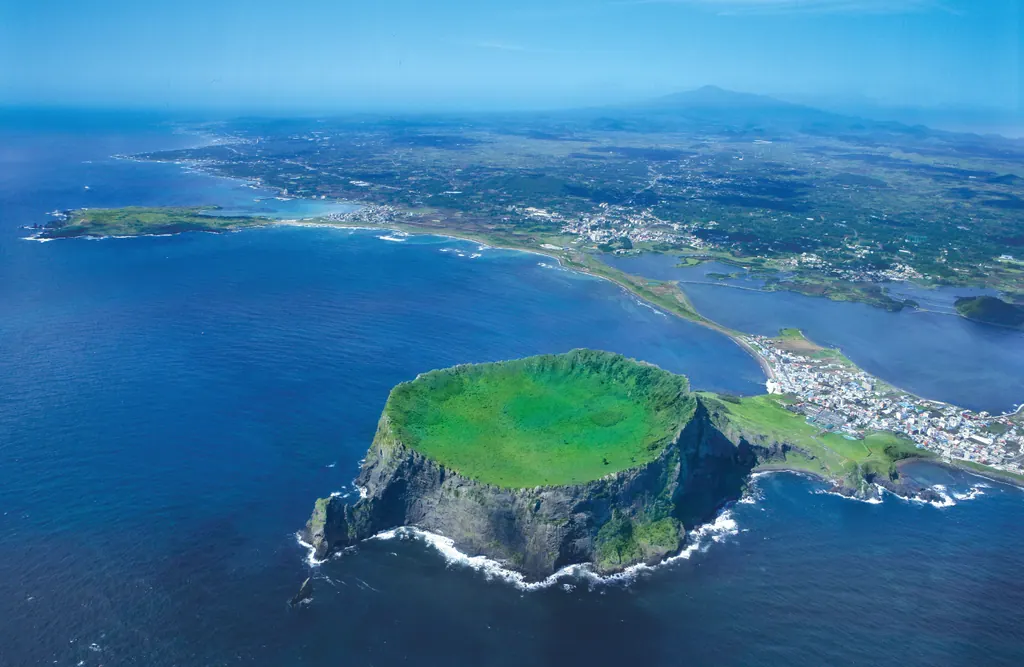
Jeju: flights, ferries and getting around the island
Most people reach Jeju by air. Gimpo Airport in Seoul to Jeju is one of the busiest air routes in the world, with flights about every few minutes during the day and a flight time of about an hour. There are also frequent flights from Busan's Gimhae Airport and other cities. Holiday weekends sell out early.
If you would rather go by sea, ferries sail from Mokpo and Wando on the southwest coast. The Wando crossing is the shortest at under three hours, and some ferries also take cars.
On the island, you have two choices:
- Buses: Jeju has a good bus network centered on the airport and Jeju City. Most local buses cost about 1,150 won (about $0.85) with a card in 2026, and express buses cost more. The airport limousine bus 600 runs to the Jungmun resort area and Seogwipo. Buses are cashless on many routes, so carry a T-money card. Getting to remote sights, like the eastern coast and Seongsan Ilchulbong, takes time and patience.
- Car rental: This is how most visitors explore Jeju, and the roads are good and quiet compared with the mainland. You need your home license, your passport and an International Driving Permit from a country that is a party to the Geneva or Vienna road traffic conventions. The United States issues them through AAA. Rental companies are strict: no valid permit, no car.
Which apps do you need?
For years, Google Maps has shown Korean transit routes but not walking or driving directions, because of Korea's restrictions on exporting map data. In February 2026, the government conditionally approved Google's request, but as of late 2026 Google had not announced when full navigation would launch. Until it does, use a Korean app:
- Naver Map: the most used map app in Korea, with an English interface, live subway and bus times and walking directions.
- KakaoMap: similar, with an English mode. Some travelers prefer its bus route info.
- Korail+: for booking KTX and other trains in English.
- Kobus: for express buses between cities.
- Taxis: Kakao T is the main taxi app in Korea, but it often needs Korean phone verification and can reject foreign cards. K.Ride, from the same company, is built for visitors and accepts international cards, and Uber also works in Seoul. Street taxis are easy to hail, and most accept tap cards and credit cards.
A Korean SIM or eSIM, or a rented pocket Wi-Fi, makes all of this much easier.
A short note on entry: travelers from the United States and several other countries were exempt from the K-ETA travel authorization through December 31, 2026, but need to fill out an e-Arrival Card. Check the visas and entry rules and the official K-ETA site before trips in 2027.
Putting it together
For a first trip, a simple loop works well: AREX into Seoul, a few days on the subway with a T-money card, then the KTX to Gyeongju and Busan, and a flight from Busan to Jeju before flying home. Add Gangneung or Jeonju as an extra stop if you have time. Download Naver Map before you land, carry some cash for topping up cards, and book trains early around holidays.
If you enjoy rail travel in East Asia, our guide to getting around Taiwan shows how a similar system works there, and you will find more trips like this under train travel. For everything else about the country, see our South Korea page.
Frequently asked questions
Can you pay with a credit card on Korean buses and subways?
Mostly you tap a transit card such as T-money. Some routes, including many Jeju buses, also accept contactless foreign cards, but a T-money card is the reliable choice everywhere.
Do you need to book KTX tickets in advance?
On weekdays you can often buy on the day. For Friday evenings, Sunday afternoons and holidays like Lunar New Year and Chuseok, book as early as possible, since trains sell out.
Can you visit the DMZ without a tour?
No. Civilian access to the border area is controlled, so visitors go on organized tours that handle the checkpoints. Bring your passport and book a few days ahead.
Is it easy to drive in South Korea as a tourist?
On Jeju, yes, and car rental is the most popular way to explore the island. You need your home license, your passport and an International Driving Permit. In Seoul, public transport is faster and parking is hard to find.
Do taxis in Korea take credit cards?
Most do, and many also accept T-money. For app booking, K.Ride and Uber are the easiest for visitors, since Kakao T often requires Korean phone verification.
- KTX and SRT launch integrated operations with a 10% fare reduction, Asia Economy
- KTX and SRT integration: fares and booking from September 2026, Toss Bank
- Notice on extension of K-ETA temporary exemption, Embassy of the Republic of Korea in the USA
- Restrictions on geographic data in South Korea, Wikipedia
- Getting to Jeonju Hanok Village, Jeonju City
- Korea Rail Pass, Wikipedia