You pay for dinner in Lisbon, a museum ticket in Tokyo and a taxi in Mexico City, and none of it looks expensive on the receipt. Then the statement arrives, and next to several purchases sits a small extra line you never agreed to at the register. On a single meal it barely registers. Over a two-week trip it can add up to the price of a nice dinner.
That line is the foreign transaction fee, and it is one of the easiest travel costs to avoid once you know where it comes from. Below we explain what it is, when it applies (including a few situations that surprise people), how it differs from the currency conversion offered at the register, and what to do before your next trip.
What Is a Foreign Transaction Fee, Exactly?
A foreign transaction fee is a charge your card issuer adds to a purchase that involves another country or another currency. It is usually a percentage of the purchase amount, and Capital One describes the typical range as 1% to 3%.
The fee is often built from two parts. The card network that processes the payment (such as Visa or Mastercard) can charge a small percentage for handling the currency conversion, and the bank that issued your card can add its own percentage on top. The federal rules on credit card disclosures, known as Regulation Z, use exactly this as an example: a network charge of 1% plus an issuer charge of 2%, for a total of 3% passed on to you. If the bank absorbs the network's share instead of passing it on, that part is not counted as your fee. That is how some cards can advertise no foreign transaction fee at all.
In practice, the fee shows up either as a separate line next to each purchase or bundled into the dollar amount, depending on your bank.
How Much Does It Add Up To?
Small percentages look harmless until you multiply them by a whole trip. Here is what a 3% fee costs on typical trip spending:
| Spending abroad on the card | Fee at 3% |
|---|---|
| $500 (a long weekend) | $15 |
| $1,500 (a week in Europe) | $45 |
| $3,000 (two weeks with hotels on the card) | $90 |
| $6,000 (a family trip with flights and hotels booked abroad) | $180 |
None of this buys you anything. You get the same exchange rate as a cardholder without the fee; you simply pay more for it.
When Does the Fee Apply? Three Situations
Most people assume the fee only appears when they pay in euros, pesos or yen. The Regulation Z commentary describes three different situations where a card issuer can charge it:
- A purchase in a foreign currency that is converted to U.S. dollars. This is the classic case: a café in Paris, a train ticket in Japan.
- A purchase in U.S. dollars outside the United States. The rule's own example is a purchase in Bermuda, paid in dollars, that still carries a fee because it took place abroad. The same logic can apply in countries that use the dollar, such as Ecuador, El Salvador or Panama, or when a hotel in the Caribbean bills you in dollars.
- A purchase from a foreign merchant, in any currency, "such as via a merchant's Web site." You can pay this fee without leaving your couch, for example when you book a tour or a hotel directly with a company based abroad, even if the price is shown in dollars.
The second and third cases explain most of the "why was I charged?" surprises. Paying in dollars does not protect you if your card charges the fee on transactions outside the U.S.
Debit Cards and ATMs: A Different Set of Fees
Credit cards are not the only cards with foreign fees. Debit cards and prepaid travel cards can also carry a foreign transaction fee on purchases, and cash withdrawals abroad can stack several charges:
- A foreign transaction fee on the withdrawal amount, if your bank charges one.
- An out-of-network ATM fee from your own bank, often a flat amount per withdrawal.
- An ATM operator fee from the local bank that owns the machine, which the screen usually shows before you confirm.
Some U.S. bank accounts are built for travelers. Schwab Bank's Investor Checking account, for example, says its debit card has no foreign transaction fees and reimburses eligible ATM fees worldwide, though the rebate excludes conversion fees charged by the ATM itself.
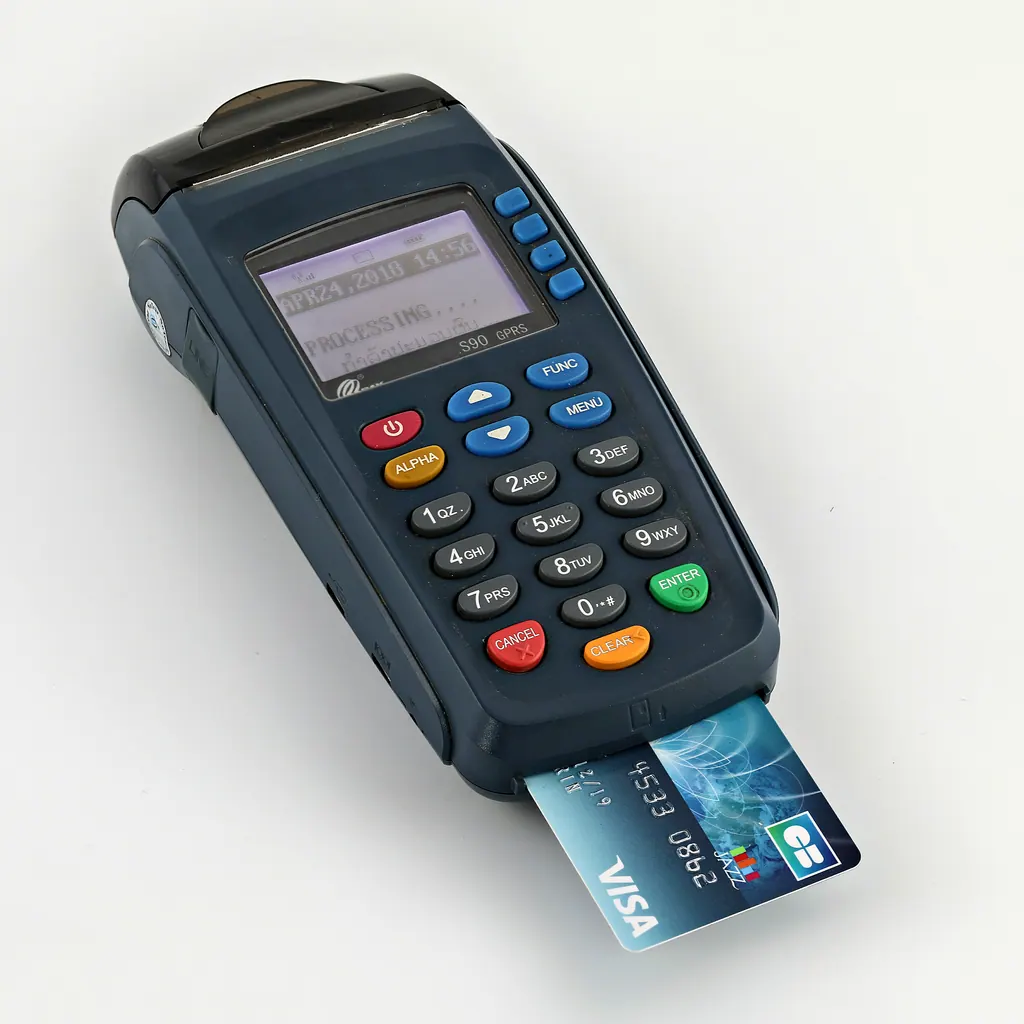
One more trap: avoid using a credit card at an ATM. That counts as a cash advance, which usually means a separate cash advance fee and interest from the day you take out the money, on top of any foreign fee.
Foreign Transaction Fee vs. "Pay in Dollars?" at the Register
There is a second, separate cost that travelers often mix up with the foreign transaction fee. When a card terminal or an ATM abroad asks whether you want to pay in dollars or in the local currency, it is offering dynamic currency conversion. If you choose dollars, the merchant's payment provider converts the amount for you, usually at a less favorable rate than the card network would have used.
The two costs are independent. A card with no foreign transaction fee protects you from your bank's surcharge, but it does not protect you from a poor conversion rate you accept at the register. Even worse, choosing dollars does not always prevent the foreign transaction fee, because the purchase still took place abroad. The short version: when a machine abroad asks, choose the local currency. We go through the details in Pay in Local Currency or Dollars?.
How to Find Out If Your Card Charges the Fee
You do not need to call your bank to find out. Every U.S. credit card comes with a standardized pricing table, often called the Schumer box, that lists the fees in a fixed format. Look for a line called "Foreign Transaction" (or "Foreign Transaction Fee"). It will show either a percentage, such as "3% of each transaction in U.S. dollars," or "None."
You can find the table in your card agreement, in the "rates and fees" section of your issuer's website or app, or in the welcome packet that came with the card. For debit cards, check your bank's fee schedule for both foreign transaction fees and ATM fees.
How to Avoid It Before You Travel
Get a card without the fee, if you travel more than once in a while. Many travel and premium credit cards charge no foreign transaction fee, and some issuers have dropped it entirely. Capital One, for example, said in 2026 that it does not charge foreign transaction fees on its cards. Compare annual fees and benefits rather than picking a card for this alone.
Carry a Visa or Mastercard abroad. Both networks are accepted almost everywhere cards are taken. American Express and Discover are fine in many places, but acceptance abroad is patchier, so bring at least one Visa or Mastercard as a backup.
Bring two cards and keep them apart. If one is lost, stolen or blocked, you are not left without a way to pay. Store the backup in your hotel safe or a different bag.
Use your debit card mostly for cash. Withdraw larger amounts less often instead of many small withdrawals, so flat ATM fees hurt less. For how much cash you actually need, see our guide to how much cash to bring to Japan, one of the few rich countries where cash still matters.
Check before booking abroad online. If you are booking a hotel, a tour or a rental car directly with a foreign company, use a card without the fee, even if the price is quoted in dollars.
Our Advice Before Your Next Trip
Spend five minutes with your card's pricing table a week before you leave. If the "Foreign Transaction" line says 3%, either switch cards for the trip or factor the fee into your budget, and do not use that card to book anything with a company abroad. Then pack one Visa or Mastercard without the fee, a debit card for cash, and the habit of choosing the local currency at every terminal. Those three steps take care of most of the hidden costs of paying abroad. For more on cash, cards and tipping around the world, browse our Money & Tipping guides.
Frequently asked questions
How much is a typical foreign transaction fee?
Usually between 1% and 3% of the purchase amount. Many cards charge 3%, while a growing number of travel cards charge nothing.
Do you pay a foreign transaction fee if you pay in U.S. dollars abroad?
You can. Federal rules allow issuers to charge the fee on purchases made in dollars outside the United States and on purchases from foreign merchants, so check your card terms.
Can you get a foreign transaction fee when shopping online at home?
Yes. If the merchant is based abroad, the purchase can count as foreign even if the price is shown in dollars.
Where can I see if my card charges a foreign transaction fee?
Look for the "Foreign Transaction" line in your card's pricing table (the Schumer box) in your card agreement or on your issuer's website. It shows either a percentage or "None."