Somewhere in the Philippines right now, a man in a sleeveless shirt is holding a microphone, eyes closed, giving a power ballad everything he has. His neighbors are three plastic tables away, a case of beer sits on the floor, and nobody is embarrassed. That scene, repeated in backyards, beach shacks and private karaoke rooms across more than 7,000 islands, is the heart of Filipino nightlife. It is social, loud, cheap and built around groups.
For a traveler, nights out range from rooftop cocktail bars in Manila to a single generator-lit bar on an island where the lights go off at ten. The trick is knowing which kind of night you are booking into before you arrive. This guide goes through the places where the evenings are lively, the places where they are quiet on purpose, and the rules and habits that catch visitors off guard.
What is a night out in the Philippines actually like?
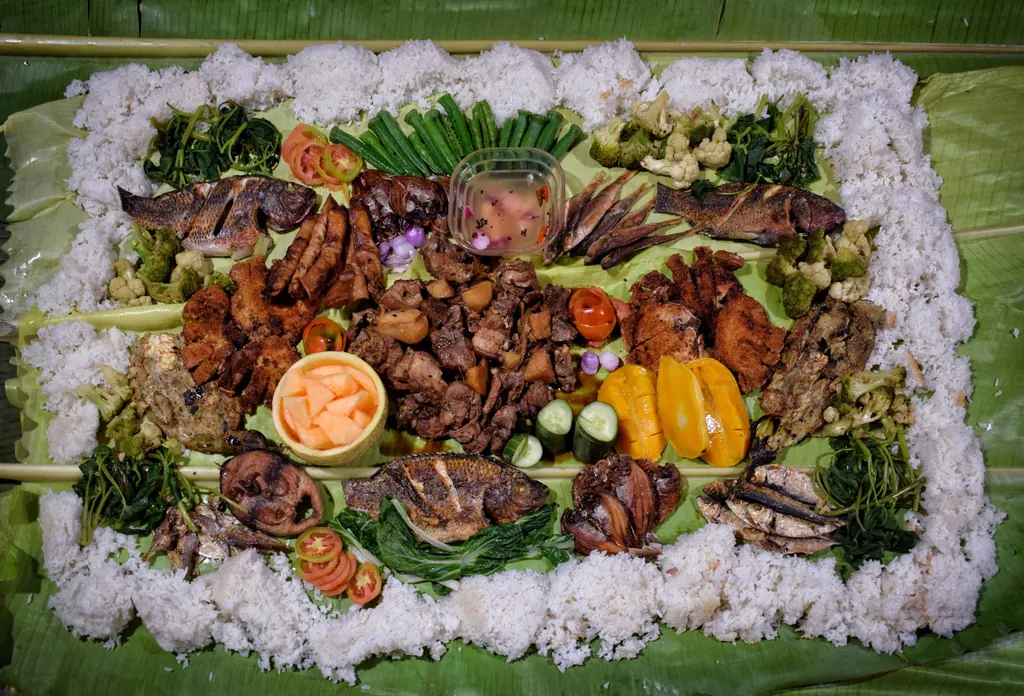
Filipinos rarely drink alone and rarely drink without food. The classic session is the inuman, a group around a table with beer or rum, a shared glass passed around in some circles, and plates of pulutan: bar snacks such as sisig (chopped, sizzling pork), grilled pork skewers, peanuts with garlic, and squid. Expect to be offered some if you sit near a friendly table. A polite refusal is fine; accepting and contributing a round is better.
The second pillar is videoke, the local word for karaoke with lyrics on a video screen. It happens everywhere: coin-operated machines outside small stores, family parties, and KTV bars where groups rent a private room by the hour. Singing badly is completely acceptable. Mocking someone else's performance is not, and you should never cut a singer off mid-song.
Clubs and late bars exist, but they are concentrated in a few places. Outside Manila, Boracay and Siargao, most towns wind down by midnight, and many barangays (neighborhoods) enforce local noise rules from around 10 p.m.
Where is the nightlife in Manila?
Metro Manila is the only place in the country with a genuinely big-city night scene, and it is spread over several districts that feel very different.
- Poblacion, Makati. The old town center of Makati has become the city's best area for a night of bar-hopping. Narrow streets are packed with small cocktail bars, craft beer spots, rooftop terraces and late-night food, and it is walkable in a way most of Manila is not. Weekends are busy from around 10 p.m. until the early hours.
- Bonifacio Global City (BGC), Taguig. Polished and planned, with clubs, wine bars and restaurants around Bonifacio High Street, Uptown and Burgos Circle. It is cleaner, safer-feeling and more expensive, and it attracts young professionals and expats.
- Malate, Manila. The bohemian center of the 1990s around Remedios Circle and the streets off Adriatico has faded, but it still has cheap bars, live music and a mixed local crowd. It is rougher at the edges, so go with a plan for getting home.
- Ortigas and Quezon City. Less known to visitors, but student and local bar strips here have some of the best live band scenes in the capital.
Distances in Manila are long and traffic is bad even at night. Pick one district per evening rather than trying to cross the city.
Which islands are best for a party?
Boracay
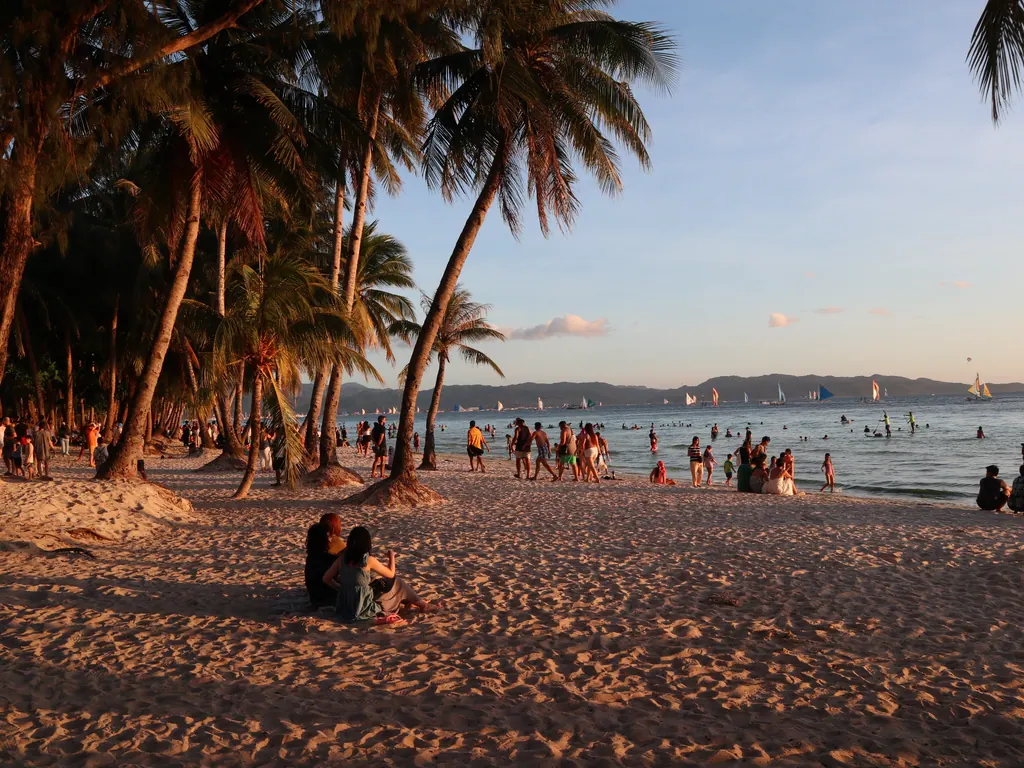
White Beach on Boracay is the most famous night out in the country. Bars and restaurants line the beach path from Station 1 to Station 3, with the busiest stretch around Station 2 and D'Mall. Evenings start with the sunset, when the paraw sailboats come in, and move to fire dancers, live bands and beach clubs.
Boracay is not as wild as its reputation from the 2000s. The island was closed to tourists for six months in 2018 for an environmental cleanup, and the rules tightened afterwards. A Malay municipal ordinance bans drinking in public places, including the beach beyond the vegetation line, and smoking on the beach is also banned. You can drink at the bars and restaurants along the path, but not with your own bottle on the sand. Big parties are concentrated around the holidays, especially New Year, Holy Week and the long weekends of the summer season from March to May.
Siargao
General Luna, the surf town on Siargao, has the liveliest backpacker scene in the Philippines. Most of it happens along Tourism Road and in the bars between the town and Cloud 9. Bars take turns hosting the big night of the week, so locals and surfers move as a crowd from one venue to another depending on the day. Ask at your accommodation which bar has the party that night. The vibe is barefoot and young, and nights can run late. General Luna has also banned parties and karaoke on Good Friday in recent years, so do not plan a big night then.
El Nido
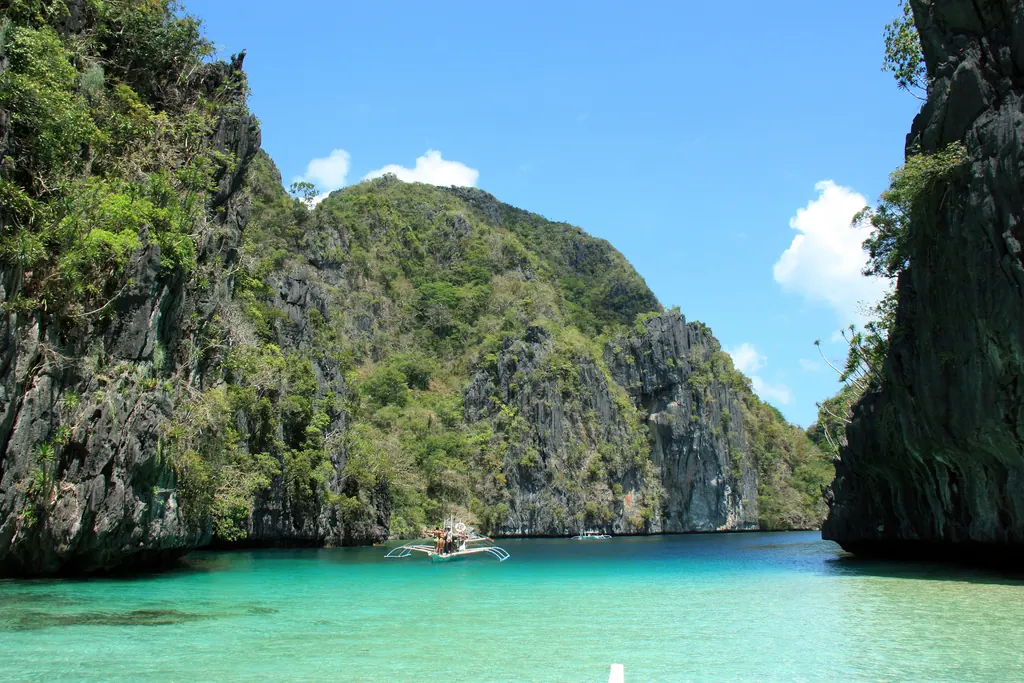
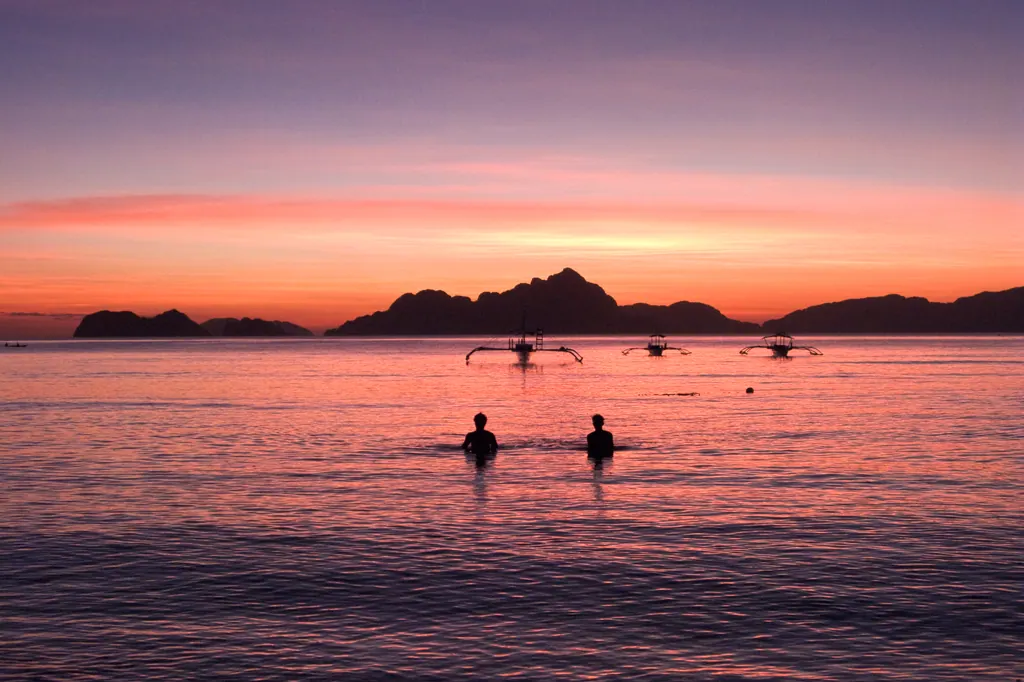
El Nido town in northern Palawan has a cluster of beach bars along the main beach and in the streets behind it, with acoustic music, reggae nights and cocktails that run until around midnight or a little later. Corong-Corong, just south of town, is where people go for sunset drinks. Las Cabanas Beach is also a popular sunset spot. El Nido is lively but not a clubbing destination, and most people are up early for island-hopping tours.
Puerto Galera
On Mindoro, a few hours from Manila by bus and ferry, Puerto Galera has two very different nightlife areas. White Beach is where groups from Manila come to party at weekends and during Holy Week, with beachfront bars, fire shows and the local cocktail known as Mindoro Sling. Sabang, on the other side of the bay, is a dive town with a long-running bar strip that includes go-go bars. Divers and families usually stay in quieter Big La Laguna and Small La Laguna.
Where are the nights calm and easy?
Many of the best places in the Philippines have very little nightlife at all, and that is part of the appeal.
- Dumaguete. This university city on Negros has a relaxed evening scene along Rizal Boulevard, the seafront promenade where people walk, eat street food and sit at bars facing the water. Student bars and live music venues keep things going into the night, but it never feels frantic.
- Puerto Princesa. The capital of Palawan has its Baywalk, with grilled seafood stalls and families out in the cool of the evening, and a handful of bars and live music places along Rizal Avenue. Most visitors use the city as a base for the Underground River and go to bed early.
- Moalboal. Panagsama Beach on Cebu's southwest coast has a few small bars where divers swap stories, and occasional party nights. The real night activity here is under water: night dives on the house reef.
- Malapascua. Nights on this small island north of Cebu revolve around a handful of beachfront bars on Bounty Beach and early alarms for the thresher shark dives at dawn. It is quiet by 11 p.m.
- Bantayan. Santa Fe, the main beach town, has a few relaxed bars and restaurants. The exception is Holy Week, when Bantayan fills with visitors from Cebu and the island gets much louder.
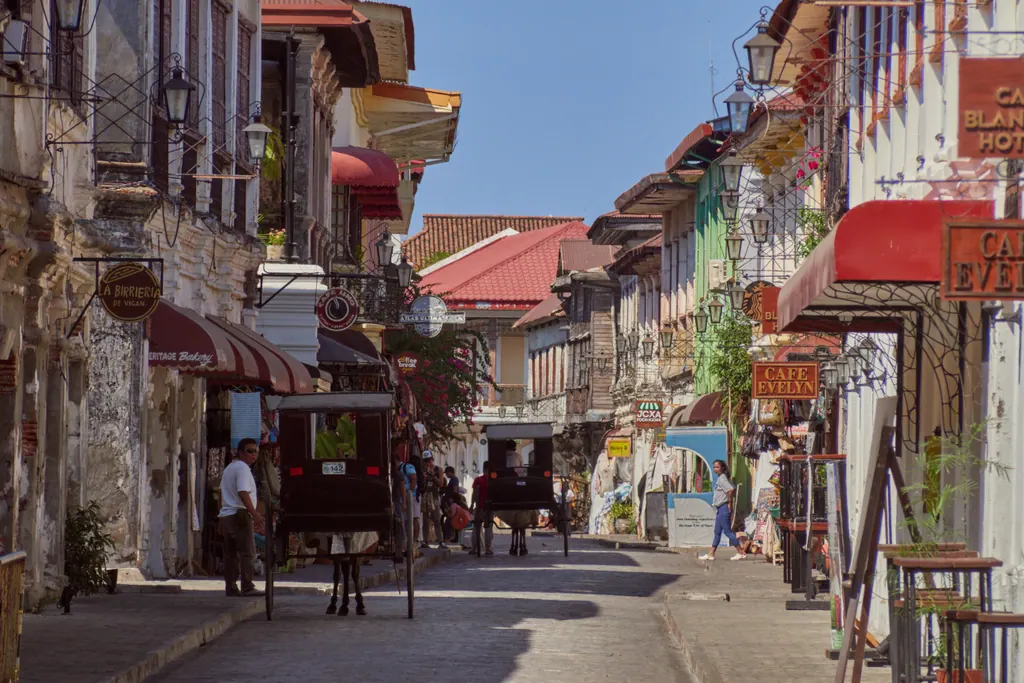
- Vigan. The Spanish colonial town in Ilocos Sur is at its best after dark, when Calle Crisologo glows under its lamps and the dancing fountain show runs at Plaza Salcedo. Bars are few. Plan on dinner, a walk and an early night.
If you are traveling for festivals, the town fiestas are often the best nights out of all, with street parties, bands and free-flowing beer. Our guide to festivals and heritage in the Philippines has the dates.
How much does a night out cost?
Drinking in the Philippines is cheap by international standards, especially if you drink like the locals. San Miguel Pale Pilsen and San Miguel Light are the default beers, Red Horse is the strong one, and Tanduay is the rum everyone mixes with cola. Prices in 2026 were roughly:
| What | Typical price |
|---|---|
| Bottle of local beer from a store | around 60-80 pesos (about $1-1.30) |
| Local beer in a simple bar | around 80-150 pesos (about $1.30-2.40) |
| Local beer on White Beach or in BGC | around 150-250 pesos (about $2.40-4) |
| Cocktail in a Manila bar | around 350-600 pesos (about $5.60-9.70) |
| Bottle of Tanduay rum (750 ml) in a supermarket | around 200 pesos (about $3.20) |
| Club entry in Manila on a weekend | often 500-1,000 pesos (about $8.10-16), sometimes with a drink |
Imported spirits and wine are much more expensive. Many bars have happy hours in the early evening, often two-for-one. A service charge of around 10 percent is added in many restaurants and upscale bars; check the bill before you tip.
What are the rules on drinking?
The legal drinking age is 18. A few rules matter for visitors:
- Election liquor bans. During elections, the Commission on Elections (COMELEC) bans the sale and consumption of alcohol nationwide, usually on the day before and on election day. In the 2023 barangay elections, the ban ran over two days. Hotels and tourist-accredited establishments can apply for an exemption, but do not count on it. If your trip falls around an election, check the dates: local and national elections come with a short nationwide liquor ban. Check the dates before you plan a big night.
- Local bans. Many towns ban drinking in public streets, parks and beaches, and some ban alcohol sales or parties on Good Friday.
- Smoking. Smoking in public places has been banned nationwide since 2017, and vaping is restricted in the same way. Look for the designated smoking areas.
- Drugs. The penalties are extremely severe. According to the UK Foreign Office, possession of even a small amount of an illegal drug means a mandatory prison sentence. Do not accept anything offered on a beach or at a party.
How safe are nights out?
Most nights out in the Philippines are friendly and uneventful, but a few risks are real. The UK Foreign Office (checked October 2026) warns of street crime in cities and of cases of methanol poisoning from alcoholic drinks in popular travel destinations worldwide. Methanol cannot be detected by taste or smell. Stick to bottled beer or drinks poured in front of you, and be wary of cheap spirits and homemade cocktails from unlicensed sellers.
Drink spiking, often linked to robbery, is the other risk travelers mention. Do not leave your drink unattended, and be careful with new "friends" who are very keen to buy you drinks or take you to another bar. For getting home, use the Grab app or a taxi ordered by your hotel or the bar, rather than one flagged on the street late at night. Read more on our safety pages and check current advice for the Philippines before you go.
Practical tips before you head out
- Carry small bills. Many small bars cannot change a 1,000-peso note.
- Eat while you drink, like the locals do. The bar snacks are half the fun.
- In KTV rooms, ask whether the room rate includes drinks or a minimum spend.
- Watch the calendar. Holy Week, Christmas and New Year are the busiest party times, while Good Friday and election days can be dry.
- On small islands, bring a flashlight. Paths between bars are often unlit, and power cuts are common.
- If you want a social scene on a budget, hostels in General Luna and El Nido organize pub crawls. Our backpacking section has more ideas for traveling cheaply.
Frequently asked questions
What is the legal drinking age in the Philippines?
The legal age to buy and drink alcohol in the Philippines is 18. Bars in Manila and Boracay sometimes check ID, so carry a copy of your passport.
Can you drink on the beach in Boracay?
Not with your own drinks. A Malay municipal ordinance bans drinking in public places, including the sand beyond the vegetation line. You can drink at the bars and restaurants along the beach path.
What time do bars close in the Philippines?
It depends on the place. In Manila's Poblacion and BGC and in Boracay, some bars and clubs stay open until the early morning, while on small islands like Malapascua most bars are quiet by around 11 p.m.
Is there a liquor ban during elections in the Philippines?
Yes. COMELEC usually bans the sale and consumption of alcohol nationwide on the day before and the day of an election. Some tourist-accredited establishments get exemptions, but check the dates before you travel.